(7% discount is applied at checkout)
Cart is empty
Your go-to destination for cutting-edge server products
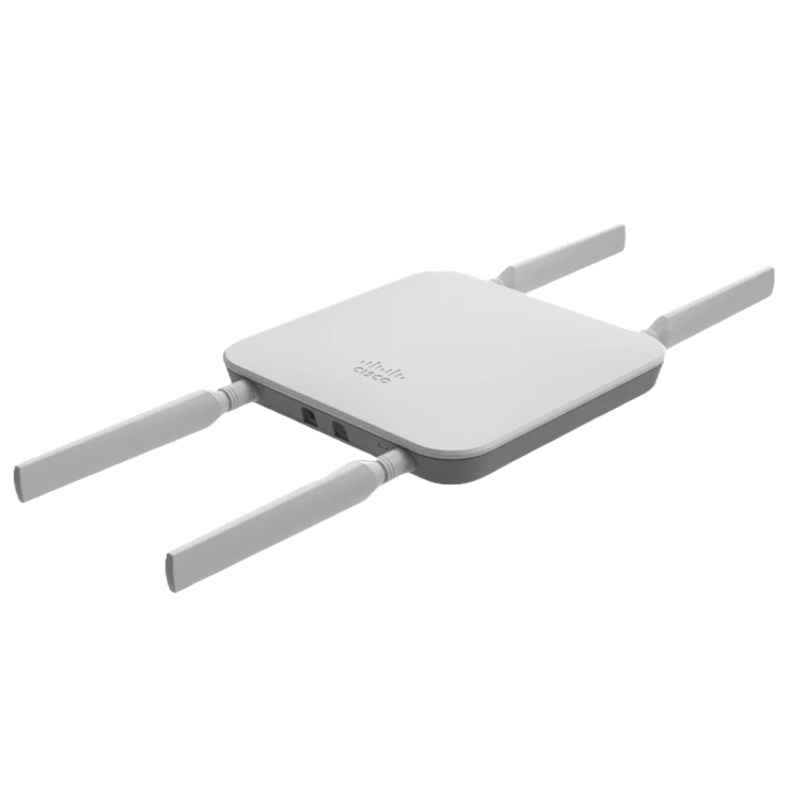


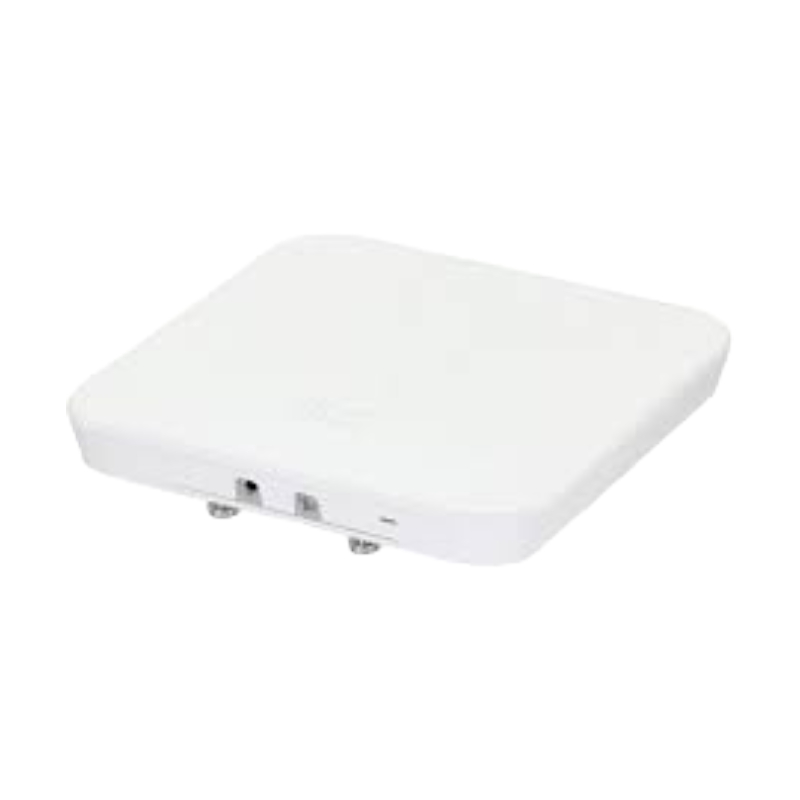
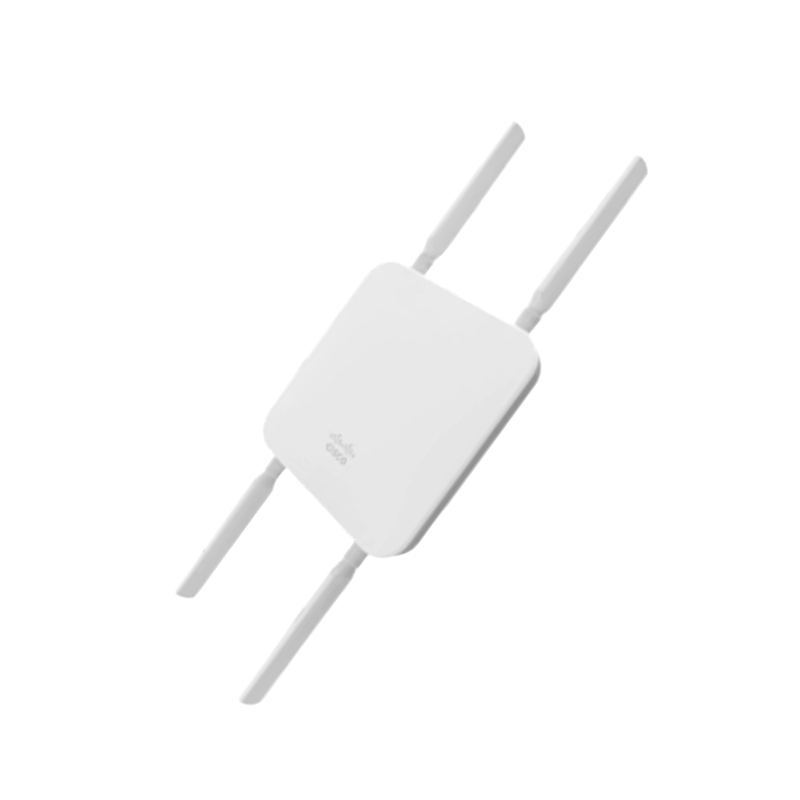
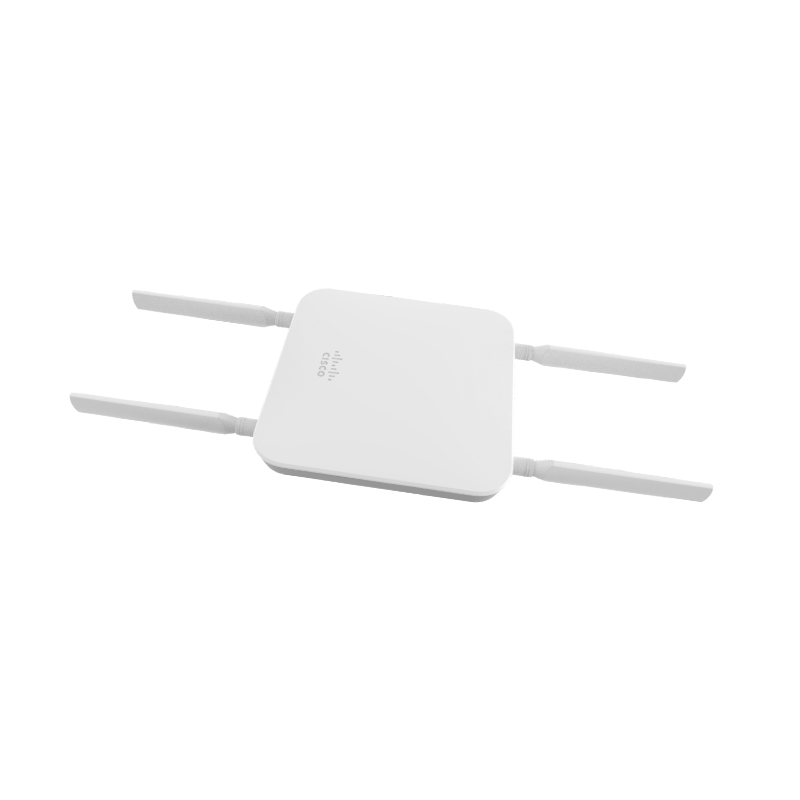
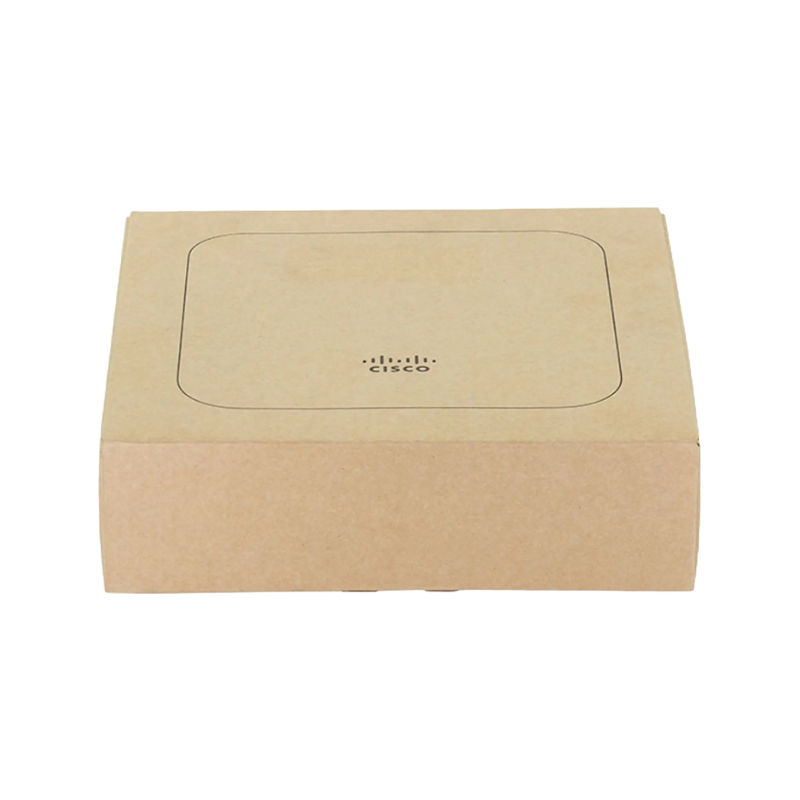
Meraki MG41E-HW Cisco External Antennas Cellular Gateway Wireless Router. Factory-Sealed New in Original Box (FSB) with 1 Year Replacement Warranty
| SKU/MPN | Warranty | Price | Condition | You save |
|---|---|---|---|---|
| MG41E-HW | 1 Year Warranty | $332.00 | Factory-Sealed New in Original Box (FSB) | You save: $116.20 (26%) |
| MG41E-HW | 1 Year Warranty | Contact us for a price | Excellent Refurbished |
The Meraki MG41E-HW Cisco External Antennas Cellular Gateway Wireless Router is a high-performance enterprise-grade connectivity solution designed for resilient WAN backup, primary cellular internet access, and secure branch networking. Built within the advanced MG41 series, this device delivers reliable LTE-based networking for distributed environments that require uninterrupted connectivity and simplified cloud management.
the MG41E-HW integrates dual SIM functionality, external antenna support, and PoE capabilities, making it a flexible and scalable wireless gateway for modern business infrastructures.
Modern enterprise connectivity has shifted toward hybrid WAN architectures where cellular networking plays a critical role in maintaining business continuity. Within this landscape, solutions like the Meraki MG41E-HW Cisco External Antennas Cellular Gateway Wireless Router represent a specialized category of edge networking hardware designed to extend secure connectivity beyond traditional wired infrastructure. This class of devices is widely deployed in retail branches, temporary sites, remote facilities, transportation hubs, and environments where fiber or DSL redundancy is either unavailable or cost-prohibitive.
As part of the broader ecosystem these cellular gateways integrate seamlessly into cloud-managed environments. They provide LTE/4G/5G backup connectivity, WAN failover, and primary internet access depending on deployment requirements. The increasing demand for resilient edge connectivity has accelerated adoption across industries such as logistics, healthcare, financial services, and smart infrastructure deployments.
The product line is known for simplifying complex networking operations through centralized cloud orchestration. Cellular gateways within this ecosystem eliminate the need for on-premises controller hardware, enabling IT teams to configure, monitor, and troubleshoot distributed networks from a unified dashboard.
This cloud-first approach is particularly valuable for organizations managing hundreds or thousands of remote endpoints. The MG-series gateways, including external antenna variants like MG41E-HW, are designed to reduce deployment complexity while increasing visibility into WAN performance, signal quality, and network reliability metrics.
The MG41E-HW category belongs to a class of LTE/5G-enabled cellular gateways engineered for WAN backup and primary connectivity. Unlike consumer-grade routers, these devices are purpose-built for enterprise-grade reliability, secure tunneling, and scalable cloud management integration.
They are commonly deployed as part of SD-WAN strategies, where they function as automatic failover links in case of wired WAN disruptions. In remote environments, they may also operate as primary internet gateways, especially in locations where wired broadband is unavailable or unstable.
A defining characteristic of this category is its support for external antennas. External antenna configurations enable improved signal reception, especially in challenging RF environments such as basements, industrial sites, rural deployments, or dense urban locations with significant interference.
The MG41E-HW design supports multiple antenna ports that allow for flexible placement and optimization. This ensures better signal-to-noise ratios, improved LTE band aggregation performance, and more consistent throughput under variable network conditions.
External antennas allow administrators to position reception elements in optimal locations, such as rooftops or exterior walls, while keeping the gateway hardware securely installed indoors. This separation improves thermal stability, device security, and long-term operational reliability.
This architecture is especially beneficial in industrial IoT environments where machinery, reinforced structures, or electromagnetic interference can degrade signal quality.
The MG41E-HW category supports multi-band LTE connectivity, enabling compatibility with various global carriers. This multi-band capability ensures that enterprises can deploy a single standardized hardware model across multiple geographic regions without requiring redesign of network architecture.
Carrier aggregation capabilities improve bandwidth utilization by combining multiple LTE channels, increasing throughput and reducing latency for mission-critical applications such as VoIP, cloud ERP systems, and real-time monitoring platforms.
One of the most common use cases for cellular gateways in this category is WAN failover for branch offices. In traditional network designs, a primary wired connection such as fiber or cable is supplemented by a cellular backup link. When the primary link fails, traffic is automatically rerouted through LTE, ensuring uninterrupted service.
This failover capability is critical for retail environments where point-of-sale systems, payment processing, and cloud-based inventory systems must remain operational at all times.
In remote or rural deployments, MG41E-HW devices often serve as the primary WAN connection. These environments include construction sites, oil and gas operations, agricultural monitoring systems, and temporary event infrastructures.
As edge computing adoption increases, cellular gateways are also being integrated with local processing systems, enabling real-time analytics and data preprocessing before transmission to centralized cloud platforms.
Industrial IoT environments rely heavily on stable connectivity for sensor data collection, predictive maintenance, and operational monitoring. Cellular gateways in this category provide the necessary backbone for connecting distributed sensor networks to cloud-based analytics engines.
Transportation systems, including public transit, logistics fleets, and emergency response vehicles, benefit from cellular gateway deployments. The MG41E-HW category supports mobile connectivity scenarios where network access must remain stable despite constant movement and varying signal conditions.
External antennas are particularly valuable in these scenarios, allowing mounting on vehicle exteriors to maintain consistent LTE reception during transit.
Security is a foundational aspect of enterprise cellular gateways. Devices in this category integrate VPN tunneling, encrypted traffic forwarding, and secure cloud communication protocols to ensure data integrity between remote endpoints and centralized systems.
Integration with secure SD-WAN architectures allows traffic segmentation, policy enforcement, and application-aware routing, reducing exposure to network-based threats.
Zero-touch provisioning enables IT teams to deploy MG41E-HW devices without manual configuration at the remote site. Once connected to a cellular network, the device automatically retrieves configuration profiles from the cloud management platform.
This approach reduces deployment time, minimizes configuration errors, and ensures consistent security policies across all distributed endpoints.
Access control mechanisms enforce identity-based authentication for administrative access and network connectivity. Role-based permissions ensure that only authorized personnel can modify network configurations or access sensitive operational data.
Cellular gateways dynamically select the best available LTE bands based on signal strength, congestion levels, and carrier availability. This adaptive behavior ensures consistent performance even in fluctuating network environments.
Load balancing capabilities allow multiple WAN links to be utilized simultaneously, distributing traffic across wired and cellular connections to optimize throughput and reduce latency.
Advanced analytics engines identify performance trends and potential failures before they impact end users. This predictive capability helps organizations maintain high service uptime and optimize network investments.
The MG41E-HW category is designed with industrial-grade durability in mind. Enclosures are engineered to withstand environmental stress, including temperature variations, dust exposure, and vibration in mobile or industrial installations.
Efficient thermal design ensures stable operation under continuous load, which is essential for mission-critical networking environments.
External antenna ports are engineered to support high-frequency LTE signal transmission with minimal loss. Proper impedance matching and shielding ensure optimal RF performance, reducing signal degradation across cable runs.
Flexible mounting configurations allow installation on walls, racks, or enclosed cabinets. This adaptability ensures compatibility with diverse deployment environments ranging from office infrastructure to industrial control rooms.
Integration with SD-WAN solutions allows traffic to be routed based on application type, bandwidth requirements, and latency sensitivity. Mission-critical applications are prioritized, while less sensitive traffic can be routed through cost-effective cellular links.
Hybrid WAN architectures combine multiple connectivity types, including fiber, broadband, and cellular, to achieve optimal redundancy and performance. MG41E-HW devices serve as key components in these architectures by providing reliable LTE backup paths.
Dynamic path selection ensures that traffic is continuously routed through the most efficient available link. This reduces downtime and improves end-user experience in distributed environments.
As 5G networks continue to expand, cellular gateways are evolving to support higher bandwidth, lower latency, and improved network slicing capabilities. This evolution will further enhance their role in edge computing and IoT ecosystems.
Future iterations of cellular gateway platforms are expected to incorporate AI-driven optimization engines that automatically adjust routing policies, antenna configurations, and bandwidth allocation based on real-time conditions.
Self-healing network capabilities will allow devices to detect anomalies and automatically reroute traffic or adjust configurations without human intervention, further increasing network resilience.


 Contact Us
 Information
 Catalog
 Solid State Drives (SSD)
 Network Switches
 Hard Disk Drives
 HBA & Controllers
 PC & Servers
 PC & Server Memory
 CPU & Processors
 Network Routers
 Power Supplies
 Tape Drives & Libraries
 Network Devices
 Computer & Network Cables