(7% discount is applied at checkout)
Cart is empty
Your go-to destination for cutting-edge server products
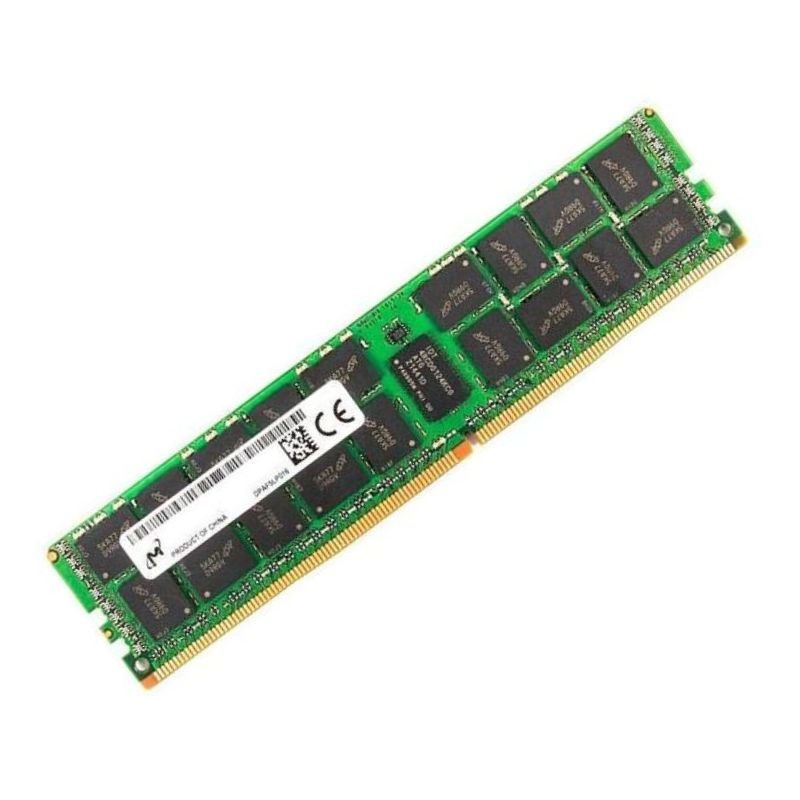


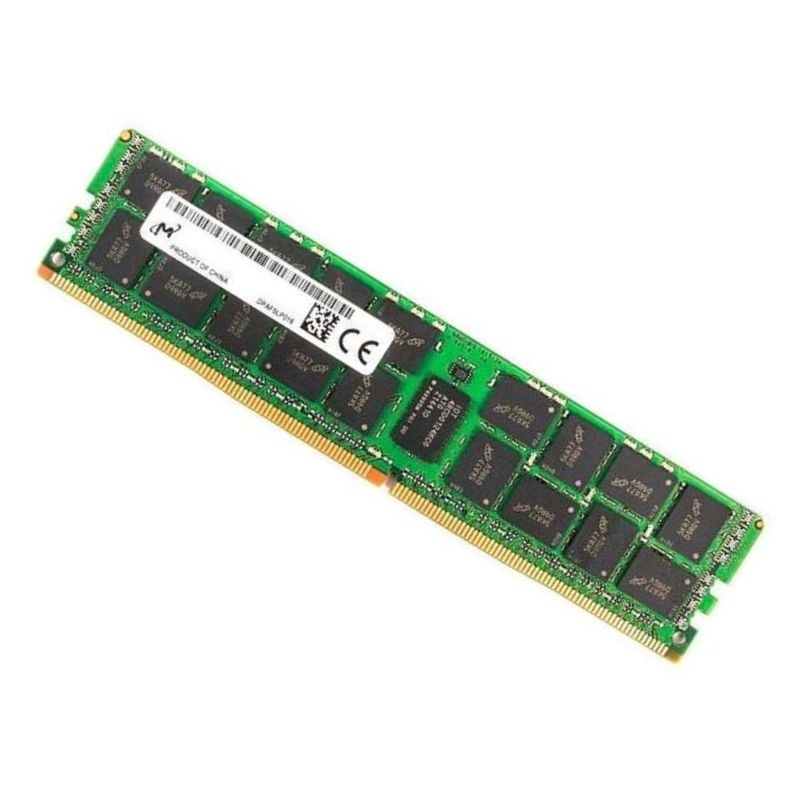
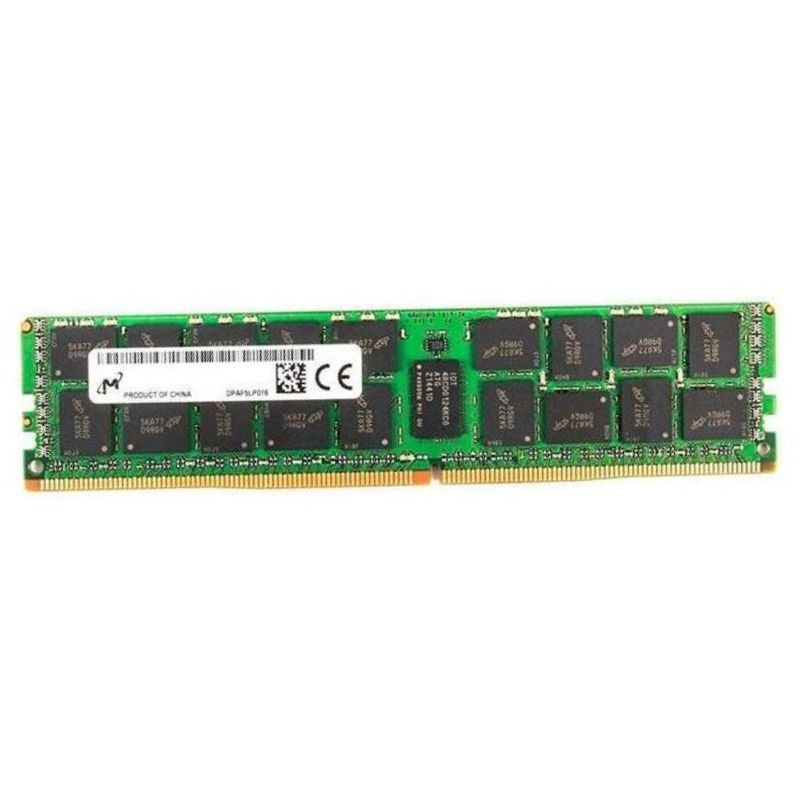
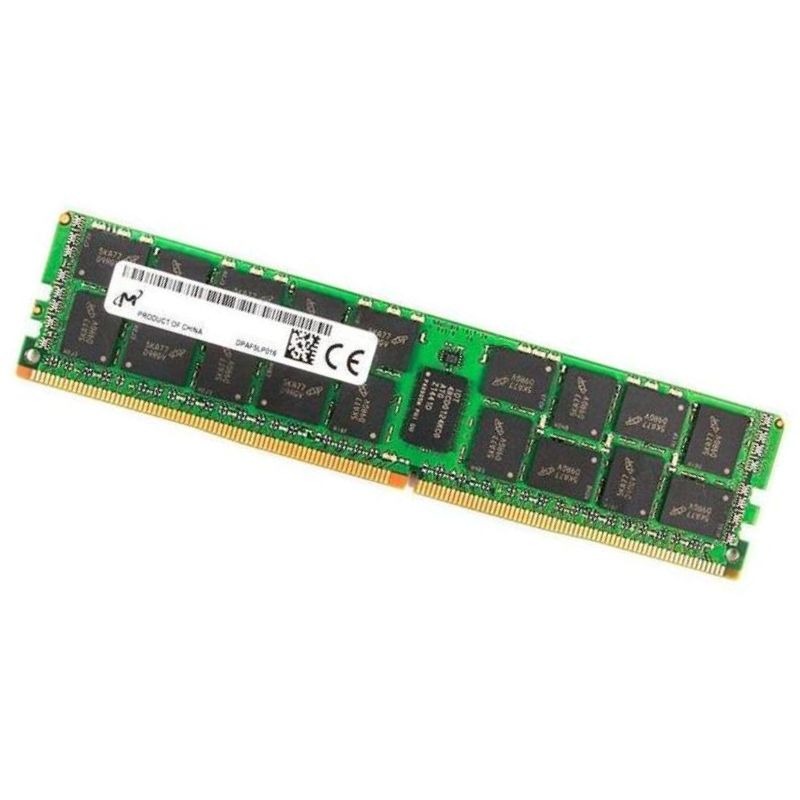
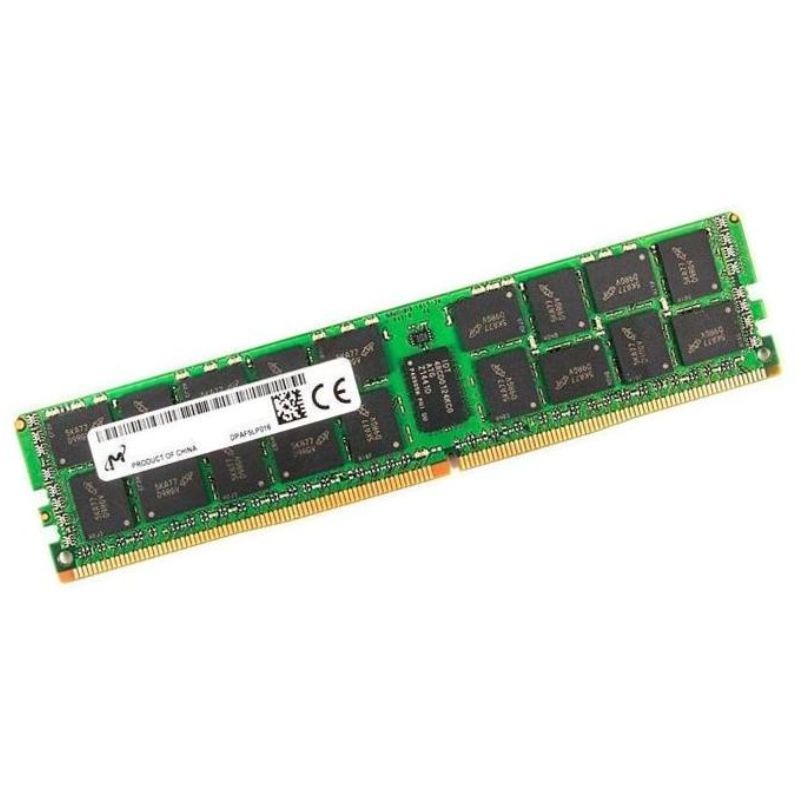
Micron CP2K32G4DFRA32A 64GB DDR4 3200MHz PC4-25600 CL22 SDRAM 288-Pin UDIMM RAM. New Sealed in Box (NIB) with 3 Year Warranty
The Micron CP2K32G4DFRA32A 64GB DDR4 SDRAM memory kit is a high-performance dual-module RAM solution engineered for stable computing efficiency and responsive multitasking. Built with DDR4 architecture and optimized for PC4-25600 bandwidth, this 3200MHz unbuffered memory module delivers reliable system acceleration, improved application handling, and smooth workload performance for modern desktops requiring high-capacity upgrades.
The memory module category represented by advanced high-density DDR4 UDIMM solutions is designed to meet the demanding requirements of modern computing environments where stability, bandwidth efficiency, and sustained performance are essential. One of the most significant representatives in this class is the Micron CP2K32G4DFRA32A 64GB DDR4 3200MHz UDIMM memory module, engineered to deliver reliable throughput and consistent responsiveness across professional workloads. Built on DDR4 SDRAM architecture, this category of memory focuses on balancing high transfer rates with optimized power consumption and improved signal integrity, making it suitable for workstations, high-end desktops, and specialized computing environments.
Manufactured under the engineering standards of this class of memory reflects years of advancement in semiconductor fabrication, DRAM cell optimization, and system-level compatibility refinement. The DDR4 generation itself marks a significant improvement over previous DDR3 modules, offering higher base frequencies, improved prefetch architecture, and enhanced power efficiency at a nominal voltage of 1.1V, which reduces thermal output and supports more stable long-term operation.
DDR4 SDRAM technology introduces a variety of improvements over earlier memory generations, particularly in bandwidth scaling, density support, and electrical efficiency. One of the defining improvements is the ability to operate at higher base frequencies such as 3200MHz, allowing significantly increased data transfer rates between memory and processor. This increase in frequency directly translates into faster application responsiveness, improved multitasking capability, and reduced latency in memory-intensive workloads.
In addition to frequency improvements, DDR4 architecture introduces bank group structures that enhance parallelism within memory operations. This allows the system to execute more simultaneous read and write operations, improving throughput in scenarios such as virtualization, rendering pipelines, and large dataset processing.
One of the key advantages of this memory category is its reduced operating voltage of 1.1V compared to earlier standards. This reduction contributes to lower power consumption and improved thermal performance. Lower heat generation is particularly beneficial in systems that operate under continuous load, such as workstation environments and server-like desktop configurations. Reduced voltage also improves system longevity by minimizing electrical stress on memory modules and supporting components.
Thermal stability plays an important role in maintaining consistent performance. DDR4 modules in this category are engineered with refined circuit layouts and signal optimization techniques that reduce noise and interference, ensuring stable operation even during sustained high-bandwidth workloads.
A 64GB memory capacity configuration significantly enhances system capability in environments where large datasets and multiple applications must be processed simultaneously. High-capacity memory modules allow systems to maintain active datasets in physical memory rather than relying on slower storage-based virtual memory systems. This results in improved performance in software environments such as 3D rendering, simulation modeling, scientific computation, and advanced video editing workflows.
The ability to allocate large memory blocks efficiently is particularly valuable in virtualization environments where multiple virtual machines operate concurrently. Each virtual instance requires dedicated memory allocation, and higher capacity modules reduce the risk of memory bottlenecks or performance degradation.
The UDIMM (Unbuffered Dual Inline Memory Module) structure is designed for desktop and workstation systems where direct communication between the memory controller and DRAM chips is required. Unlike registered memory used in enterprise servers, UDIMM modules provide lower latency due to the absence of buffering layers, making them ideal for performance-sensitive desktop applications.
The 288-pin configuration ensures compatibility with modern DDR4 motherboard architectures, providing a stable physical and electrical interface between the memory module and system board. This standardization enhances compatibility across a wide range of systems while maintaining signal integrity at higher frequencies such as 3200MHz.
Operating at 3200MHz, this memory category delivers high data transfer rates that significantly improve system responsiveness. Higher frequency memory allows faster movement of data between CPU and RAM, reducing processing delays in compute-heavy applications. This is particularly beneficial for tasks involving large file manipulation, real-time rendering, and complex computational analysis.
The increased frequency also improves gaming performance in CPU-bound scenarios, where frame stability and reduced stuttering depend heavily on memory throughput. While GPU performance remains critical, system memory plays a vital role in maintaining smooth data flow between storage, processor, and graphics subsystems.
CAS latency (CL22) represents the delay between a memory request and the actual data retrieval. While higher frequency modules often exhibit slightly higher latency values, the overall performance balance is achieved through increased bandwidth. In real-world applications, the combination of 3200MHz frequency and CL22 timing provides a stable and efficient performance profile suitable for professional workloads.
Latency optimization is especially important in applications requiring frequent random memory access patterns, such as database processing, real-time analytics, and simulation modeling. The architecture of DDR4 memory ensures that latency remains predictable and consistent across workloads.
High-capacity DDR4 memory is essential for video editing, animation, and multimedia production workflows. Applications such as high-resolution video rendering, motion graphics creation, and audio production rely heavily on fast and stable memory access. Large memory pools allow creative professionals to work with high-resolution assets without performance degradation.
Virtualization platforms benefit significantly from high-capacity DDR4 memory. Each virtual machine requires dedicated memory allocation, and systems with 64GB or higher capacity can support multiple concurrent environments without performance bottlenecks. This is particularly useful for software testing, cloud development environments, and enterprise simulation systems.
Data-intensive workloads such as financial modeling, machine learning preprocessing, and large-scale data analytics require rapid access to large datasets. DDR4 memory provides the necessary bandwidth to support these operations, reducing reliance on slower storage solutions and improving processing efficiency.
Compatibility with DDR4-enabled motherboards is essential for proper system integration. Most modern desktop and workstation platforms support dual-channel or quad-channel memory configurations, which significantly enhance memory bandwidth. Installing high-capacity modules in appropriate channel configurations ensures optimal system performance and balanced memory utilization.
Modern processors include integrated memory controllers that directly manage communication with RAM modules. The efficiency of this interaction depends on memory speed, latency, and module stability. High-quality DDR4 modules ensure that data transfer between CPU and memory remains consistent and error-free under heavy computational loads.
Although the described category is non-ECC unbuffered memory, it still incorporates advanced design techniques to minimize data errors and ensure stable operation. Signal consistency, voltage regulation, and thermal control all contribute to maintaining data integrity across long usage cycles.
DDR4 memory remains widely adopted across multiple computing segments, including professional workstations, gaming systems, and enterprise-grade desktop environments. Its balance of performance, cost efficiency, and compatibility ensures continued relevance within modern computing ecosystems, even as newer memory standards emerge.


 Contact Us
 Information
 Catalog
 Solid State Drives (SSD)
 Network Switches
 Hard Disk Drives
 HBA & Controllers
 PC & Servers
 PC & Server Memory
 CPU & Processors
 Network Routers
 Power Supplies
 Tape Drives & Libraries
 Network Devices
 Computer & Network Cables