(7% discount is applied at checkout)
Cart is empty
Your go-to destination for cutting-edge server products
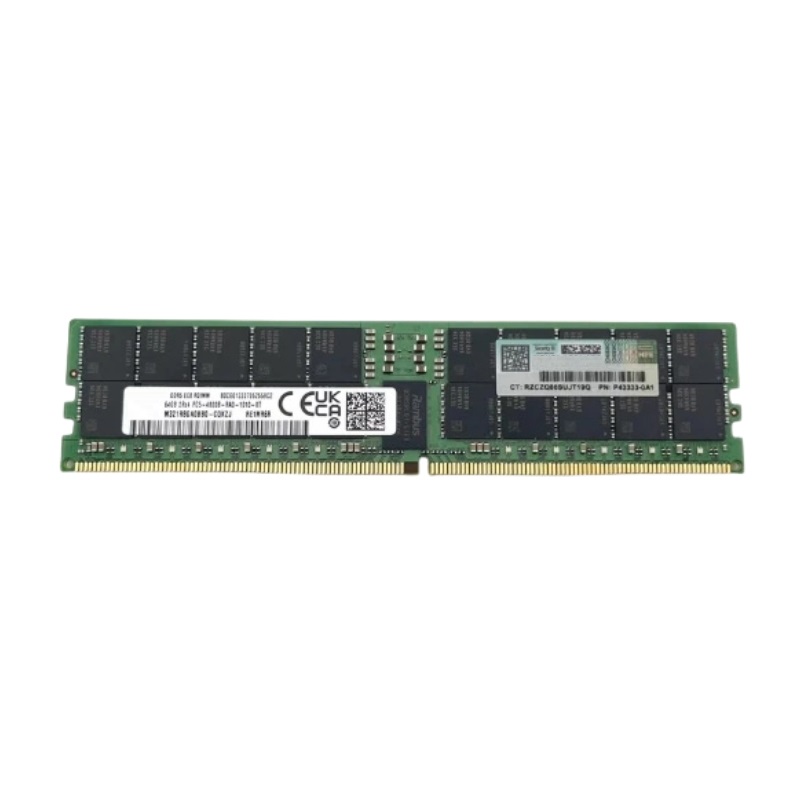


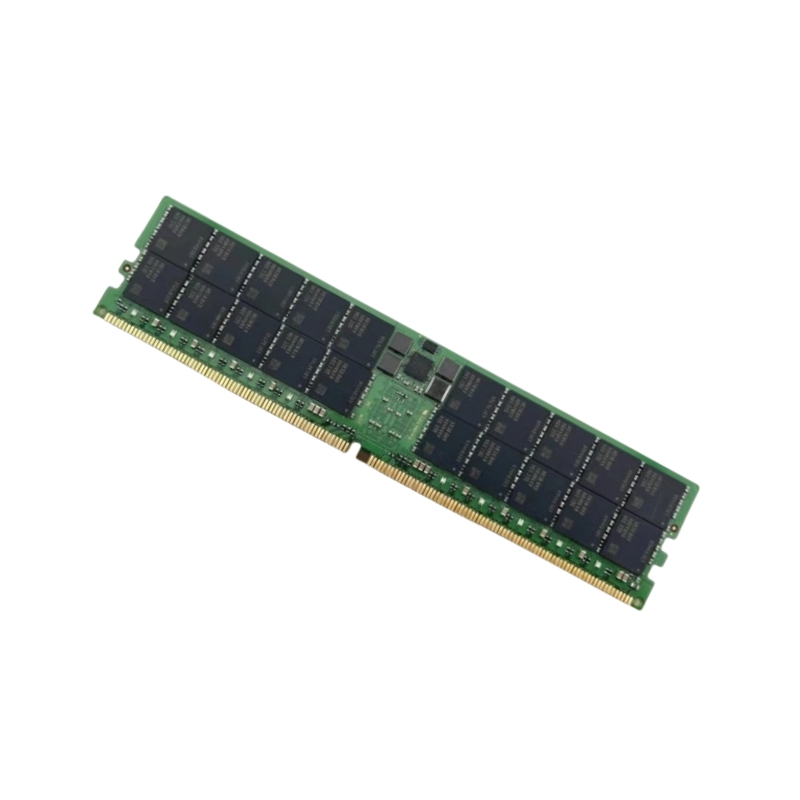
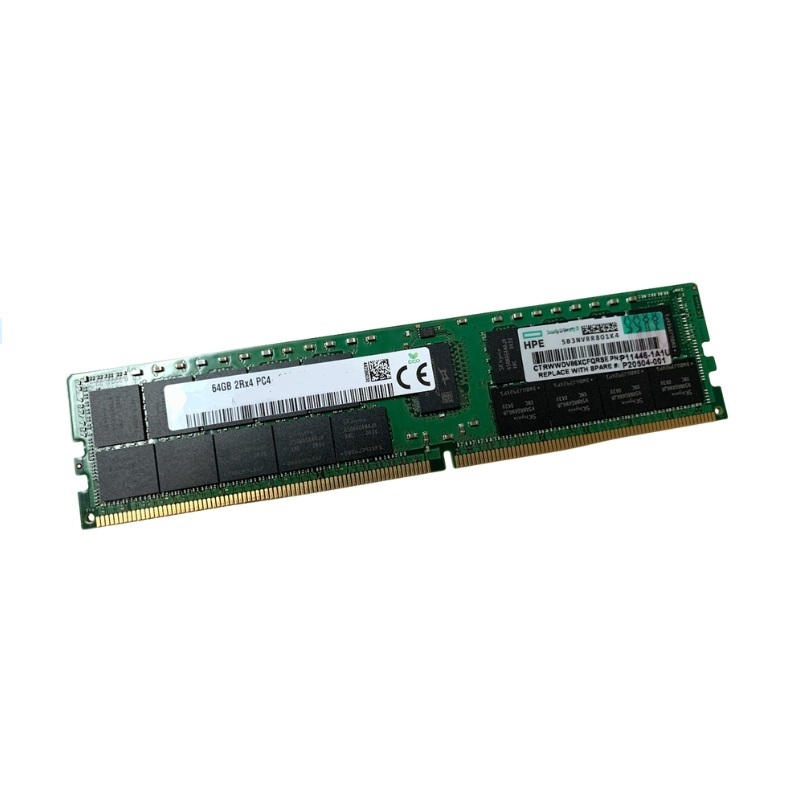
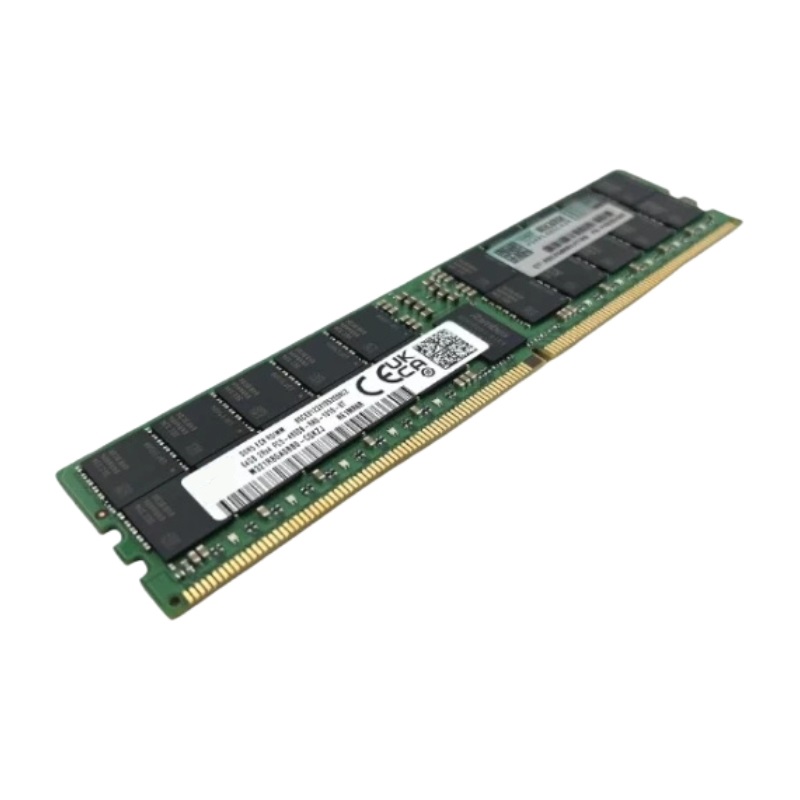
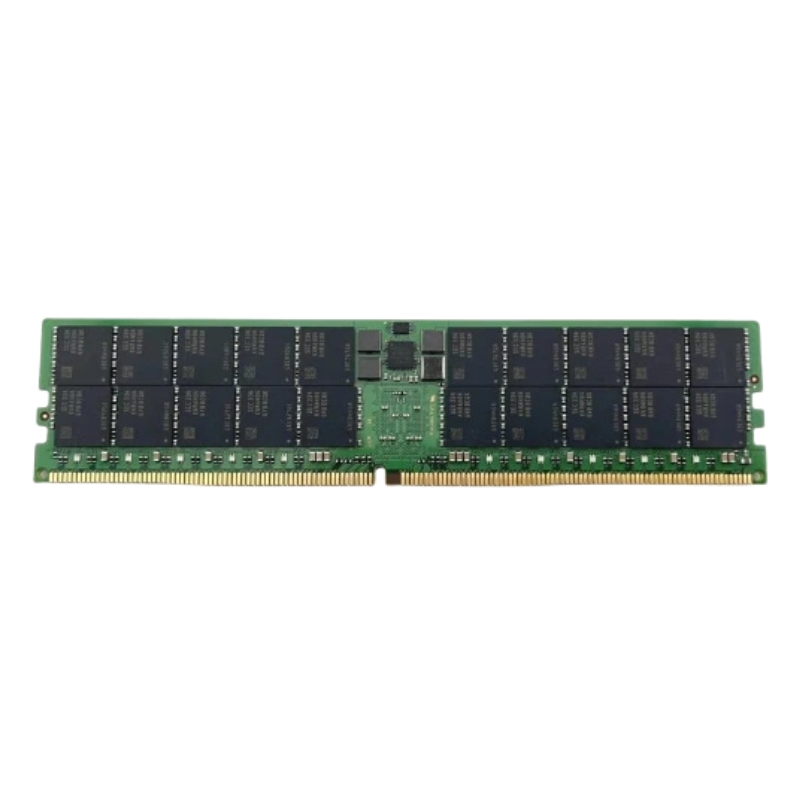
HPE P30673-001 64GB PC4-25600 DDR4 3200MHz SDRAM 2Rx4 CL22 ECC Registered 288-Pin RDIMM Smart Memory Module. Factory-Sealed New in Original Box (FSB) with 3 years Warranty
| SKU/MPN | Warranty | Price | Condition | You save |
|---|---|---|---|---|
| P30673-001 | 1 Year Warranty | $705.00 | New (System) Pull | You save: $246.75 (26%) |
| P30673-001 | 1 Year Warranty | $844.00 | Factory-Sealed New in Original Box (FSB) | You save: $295.40 (26%) |
Upgrade enterprise server performance with the HPE P30673-001 64GB DDR4 SDRAM Smart Memory Module. Engineered for demanding data center workloads, this high-capacity memory solution delivers reliable speed, advanced error correction, and optimized multitasking capabilities for HPE ProLiant servers.
The HPE P30673-001 64GB PC4-25600 DDR4 3200MHz SDRAM 2Rx4 CL22 ECC Registered 288-Pin RDIMM Smart Memory Module is engineered for modern enterprise computing environments that demand exceptional reliability, optimized bandwidth, scalable capacity, and dependable long-term server performance. Designed specifically for HPE ProLiant servers and enterprise infrastructure deployments, this advanced memory module delivers the stability and efficiency required by virtualization clusters, database platforms, cloud computing infrastructures, artificial intelligence workloads, and mission-critical applications.
Built using DDR4 architecture and operating at 3200MHz, this HPE Smart Memory module provides significant improvements in throughput, latency optimization, and energy efficiency compared to previous-generation memory technologies. Enterprises seeking higher server responsiveness, improved multitasking capabilities, and better workload consolidation benefit substantially from this high-capacity RDIMM solution. The 64GB capacity also allows IT administrators to expand server memory density while reducing the total number of DIMM slots required in large-scale deployments.
HPE Smart Memory technology is developed to enhance server validation, monitoring, and compatibility within HPE server ecosystems. Unlike generic memory modules, HPE-certified Smart Memory undergoes rigorous testing and qualification processes to ensure optimal interoperability with HPE server platforms. This extensive validation helps reduce downtime risks, improves operational consistency, and supports advanced memory performance tuning features that contribute to superior enterprise reliability.
DDR4 SDRAM technology represents a major advancement in enterprise memory architecture. The HPE P30673-001 memory module leverages DDR4 innovation to deliver increased data transfer rates, reduced power consumption, and improved signal integrity for demanding server environments. Compared to DDR3 technology, DDR4 enables higher memory density while operating at lower voltages, making it ideal for modern data center deployments focused on performance and energy optimization.
The PC4-25600 specification indicates a peak theoretical bandwidth of 25.6GB/s, allowing servers to process large volumes of transactional and computational data efficiently. This high bandwidth is especially important in virtualization platforms where multiple virtual machines simultaneously access system memory resources. Faster memory throughput minimizes bottlenecks and ensures smoother execution of enterprise applications.
The 3200MHz operating speed contributes to improved responsiveness across high-demand server workloads. Applications involving real-time analytics, machine learning, in-memory databases, enterprise resource planning systems, and large-scale virtualization all benefit from the enhanced memory frequency. The result is reduced latency, improved workload handling, and greater server productivity under sustained operational conditions.
Registered DIMM technology, commonly known as RDIMM, is essential for enterprise server memory stability. The HPE P30673-001 module includes a register between the DRAM modules and the memory controller, reducing electrical load and improving signal reliability. This architecture allows servers to support larger memory capacities without compromising system stability.
In enterprise servers with extensive memory configurations, electrical loading can become a limiting factor. RDIMM technology alleviates these constraints by buffering memory signals, enabling more DIMMs to operate reliably within the same server. This capability is crucial for memory-intensive workloads such as virtualization, large database environments, and high-performance computing infrastructures.
The registered memory design also improves scalability in multi-processor systems. Modern enterprise servers often support multiple CPUs and dozens of memory slots, requiring highly reliable memory communication pathways. RDIMM modules like the HPE P30673-001 help maintain consistent performance across complex server architectures.
Error Correcting Code technology is one of the most important features of enterprise-grade memory modules. The ECC functionality integrated into the HPE P30673-001 memory module detects and corrects single-bit memory errors automatically, helping prevent data corruption and system instability.
Memory errors can occur due to electrical interference, cosmic radiation, hardware degradation, or environmental conditions. In mission-critical environments, even minor memory errors can lead to data corruption, application crashes, or unexpected downtime. ECC protection significantly reduces these risks by continuously monitoring and correcting memory operations in real time.
Organizations operating financial systems, healthcare databases, enterprise applications, scientific computing platforms, and cloud infrastructure rely heavily on ECC memory to maintain operational integrity. The inclusion of ECC functionality ensures dependable computing performance under continuous enterprise workloads.
The 64GB capacity of the HPE P30673-001 RDIMM enables enterprise servers to support memory-intensive workloads with improved efficiency. As organizations increasingly deploy virtualization, analytics, artificial intelligence, and software-defined infrastructure solutions, memory capacity requirements continue to rise substantially.
Large memory configurations allow servers to allocate more resources to virtual machines, reducing the need for additional physical hardware. Virtualization platforms such as VMware, Hyper-V, and containerized application environments benefit significantly from increased memory availability. Greater memory capacity enables improved workload consolidation while maintaining stable performance levels.
Database servers also benefit from expanded memory capacity. In-memory caching improves query responsiveness and reduces reliance on slower storage devices. Applications involving large transactional databases, business intelligence processing, and enterprise analytics require substantial RAM allocation to maximize performance efficiency.
Cloud computing environments depend heavily on scalable memory architecture. The HPE P30673-001 memory module supports the demands of public, private, and hybrid cloud infrastructures by providing high-density memory expansion capabilities.
Cloud service providers and enterprise IT departments require servers capable of handling dynamic resource allocation across multiple users and workloads simultaneously. High-capacity memory modules help improve virtual machine density, enhance application responsiveness, and support efficient resource distribution.
As cloud-native applications become increasingly common, organizations need infrastructure capable of scaling rapidly without performance degradation. The 64GB RDIMM configuration contributes to improved cloud infrastructure flexibility and operational efficiency.
Artificial intelligence, machine learning, and big data analytics applications place enormous demands on system memory resources. The HPE P30673-001 Smart Memory module supports these advanced workloads by providing fast, reliable, and scalable memory performance.
AI training models often require rapid access to large datasets stored in memory. Faster memory bandwidth helps reduce processing delays and accelerates model training operations. Data analytics platforms also benefit from increased memory throughput when processing large-scale datasets in real time.
Organizations implementing predictive analytics, deep learning, and business intelligence applications require infrastructure capable of sustaining intensive computational workloads continuously. Enterprise-grade DDR4 memory plays a vital role in maintaining the responsiveness and scalability necessary for these technologies.
HPE Smart Memory modules undergo comprehensive validation processes designed specifically for HPE server ecosystems. The HPE P30673-001 is engineered to meet strict compatibility standards across supported HPE ProLiant servers and enterprise platforms.
This extensive testing process helps ensure optimal interoperability between memory modules, processors, firmware, and server motherboards. Compatibility validation minimizes the risks associated with generic third-party memory solutions, reducing troubleshooting complexity and improving deployment reliability.
Organizations deploying enterprise infrastructure at scale require dependable hardware consistency. HPE Smart Memory certification provides assurance that the module will operate within validated performance parameters under demanding production workloads.
HPE Smart Memory includes intelligent monitoring features that integrate with HPE server management tools. These capabilities help IT administrators identify memory-related issues proactively, improving maintenance efficiency and reducing unexpected downtime risks.
Advanced diagnostic functionality enables servers to monitor memory health, performance metrics, and operational status continuously. Early detection of potential issues allows organizations to implement preventative maintenance strategies before failures occur.
Enterprise environments with strict uptime requirements benefit greatly from intelligent hardware monitoring. Improved visibility into memory performance contributes to better infrastructure management and operational continuity.
The PC4-25600 classification identifies this module as a high-bandwidth DDR4 memory solution capable of delivering substantial data throughput. With a theoretical transfer rate of 25.6GB/s, the HPE P30673-001 supports modern enterprise applications requiring rapid memory access.
High bandwidth improves server responsiveness during multitasking operations, parallel processing workloads, and data-intensive computing tasks. Faster memory communication contributes directly to overall system efficiency, especially in environments where large volumes of data are processed simultaneously.
Applications involving virtualization, scientific simulations, cloud infrastructure, and enterprise analytics all benefit from the increased memory throughput provided by DDR4-3200 technology.
The 2Rx4 designation refers to the module’s dual-rank memory organization and x4 data width configuration. This architecture enhances memory performance and reliability in enterprise server environments.
Dual-rank memory modules provide additional flexibility for memory controllers, helping improve overall throughput efficiency. The x4 chip configuration is commonly preferred in enterprise environments because it supports advanced ECC functionality and improved fault tolerance capabilities.
Enterprise workloads requiring maximum stability and data integrity benefit significantly from the robust architecture of 2Rx4 RDIMM memory modules.
The CAS latency rating of CL22 represents optimized timing parameters for DDR4-3200 operation. Latency plays an important role in determining how quickly memory responds to read and write requests.
Balanced latency and bandwidth characteristics help ensure consistent application responsiveness across diverse enterprise workloads. While memory frequency contributes to overall throughput, optimized latency helps minimize delays during memory access operations.
The HPE P30673-001 module is engineered to deliver stable low-latency performance suitable for enterprise computing environments where predictable responsiveness is essential.
The 288-pin DIMM form factor is the standard physical interface for DDR4 server memory modules. This design ensures compatibility with modern enterprise server motherboards supporting DDR4 RDIMM configurations.
The physical construction of the module is engineered for durability and reliable connectivity within enterprise systems. Gold-plated contact pins contribute to signal stability and long-term operational reliability under continuous data center usage conditions.
Proper DIMM architecture is critical for maintaining stable communication between the memory module and server memory controller. HPE Smart Memory modules are manufactured to strict quality standards that support long-term enterprise deployment requirements.
Virtualized server environments rely heavily on large memory pools to support multiple concurrent workloads. The HPE P30673-001 memory module is highly suitable for VMware vSphere, Microsoft Hyper-V, Citrix Hypervisor, and container orchestration platforms.
Increasing server memory capacity allows administrators to deploy more virtual machines per host while maintaining application performance consistency. Memory-intensive workloads such as virtual desktop infrastructure environments also benefit from expanded RAM availability.
Virtualization infrastructures require reliable hardware capable of sustaining constant resource allocation and dynamic workload balancing. Enterprise-grade RDIMM memory provides the reliability necessary for these demanding operational environments.
Modern database applications require fast and reliable memory access to process transactional workloads efficiently. The HPE P30673-001 supports database optimization by enabling larger memory caches and reducing disk I/O dependency.
Relational databases, NoSQL platforms, enterprise resource planning systems, and business intelligence solutions all benefit from expanded memory configurations. Faster in-memory processing improves query performance and accelerates data retrieval operations.
Organizations managing large customer databases, financial transactions, or enterprise analytics platforms require dependable server memory capable of supporting continuous high-performance operations.
High-performance computing environments require substantial memory resources to handle scientific simulations, engineering calculations, genomic research, and advanced computational modeling. The HPE P30673-001 module supports these workloads through high bandwidth and stable ECC-protected performance.
HPC clusters often execute parallel processing tasks involving enormous datasets and intensive mathematical calculations. Reliable memory communication is essential to maintain computational accuracy and prevent processing interruptions.
The combination of DDR4-3200 speed, ECC reliability, and RDIMM scalability makes this module well suited for advanced research and enterprise computing infrastructures.
DDR4 memory technology operates at lower voltages compared to earlier memory generations, contributing to reduced overall server power consumption. The HPE P30673-001 module supports energy-efficient data center operations while maintaining high performance levels.
Lower power usage becomes increasingly important in large-scale enterprise environments where hundreds or thousands of servers operate continuously. Reducing memory power consumption contributes to lower operational costs and improved environmental sustainability.
Energy-efficient memory solutions also help reduce heat generation within server chassis, improving thermal management efficiency and extending hardware longevity.
Enterprise servers frequently operate under heavy computational loads that generate significant heat. The HPE P30673-001 memory module is engineered to maintain stable performance within demanding thermal conditions.
Reliable thermal characteristics help ensure consistent server operation in densely populated rack environments. Efficient heat dissipation contributes to long-term memory reliability and reduces the risk of thermal-related performance degradation.
Data centers implementing advanced cooling strategies benefit from memory modules optimized for efficient thermal operation and sustained enterprise workloads.
As enterprise workloads continue to evolve, organizations require infrastructure capable of scaling efficiently. The 64GB capacity of the HPE P30673-001 allows businesses to increase server memory density without excessive hardware expansion.
Scalable memory architecture supports future growth initiatives involving cloud computing, virtualization expansion, artificial intelligence deployment, and advanced analytics implementation. High-capacity RDIMM modules help organizations maximize server lifespan while adapting to changing operational demands.
Strategic memory upgrades often provide substantial performance improvements without requiring complete server replacement, making enterprise memory expansion a cost-effective infrastructure optimization strategy.
The HPE P30673-001 Smart Memory module is designed for compatibility with modern HPE enterprise server platforms supporting DDR4 RDIMM technology. Integration with HPE ProLiant servers ensures optimized performance, validated interoperability, and reliable long-term operation.
Organizations standardizing on HPE infrastructure benefit from certified hardware compatibility and simplified support management. Consistent hardware validation helps reduce deployment complexity and improves operational reliability across enterprise environments.
Modern server platforms require memory solutions capable of supporting high-core-count processors, advanced virtualization features, and large-scale data processing workloads. The HPE P30673-001 is engineered to meet these evolving infrastructure demands.
Enterprise organizations prioritize reliability when selecting server components. The HPE P30673-001 Smart Memory module delivers dependable performance backed by extensive HPE validation and enterprise engineering standards.
Mission-critical environments such as healthcare systems, financial institutions, telecommunications providers, and cloud service operators require hardware capable of maintaining uninterrupted operation under continuous workloads. Enterprise-grade ECC RDIMM memory helps support these strict operational requirements.
Stable memory performance contributes directly to application uptime, data integrity, and infrastructure resilience. HPE Smart Memory modules are specifically engineered to address the reliability expectations of modern enterprise computing environments.


 Contact Us
 Information
 Catalog
 Solid State Drives (SSD)
 Network Switches
 Hard Disk Drives
 HBA & Controllers
 PC & Servers
 PC & Server Memory
 CPU & Processors
 Network Routers
 Power Supplies
 Tape Drives & Libraries
 Network Devices
 Computer & Network Cables