
(7% discount is applied at checkout)
Cart is empty
Your go-to destination for cutting-edge server products
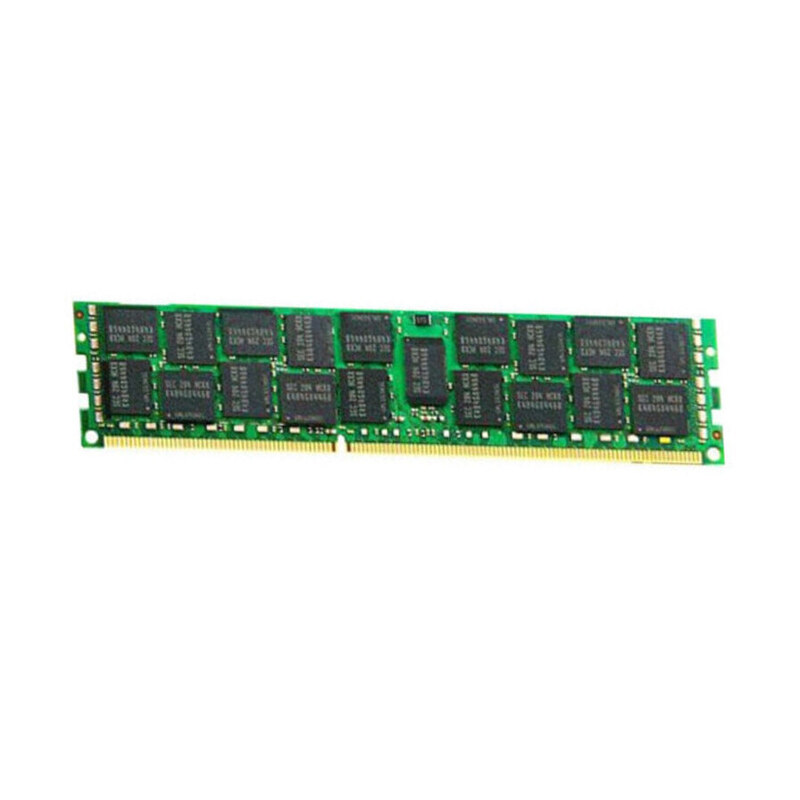
Supermicro MEM-DR416LD-ER26 16GB Pc4-21300r DDR4-2666MHz 2rx8 Ecc Registered Memory. New Sealed in Box (NIB) with 3 Year Warranty - Micron Version
The Supermicro MEM-DR416LD-ER26 is a high-performance 16GB DDR4-2666MHz ECC Registered memory module designed for enterprise-grade servers and workstations. Built to deliver stability, speed, and reliability, this component ensures seamless multitasking and optimized system performance.
The Supermicro MEM-DR416LD-ER26 16GB PC4-21300R DDR4-2666MHz 2Rx8 ECC Registered Memory Module represents a highly specialized and performance-driven segment within the broader server and enterprise memory category. This class of memory is designed to meet the demanding requirements of modern data centers, enterprise-grade servers, virtualization environments, and high-performance computing workloads. Unlike standard desktop RAM, ECC registered memory modules are engineered for stability, reliability, and scalability, making them indispensable in mission-critical computing environments where uptime and data integrity are non-negotiable.
This category encompasses server-grade DDR4 memory modules that adhere to stringent performance standards while incorporating advanced error-correcting capabilities. The MEM-DR416LD-ER26 model, with its 16GB capacity and 2666MHz speed, offers an optimal balance between speed and reliability, making it suitable for a wide range of server applications. The PC4-21300R classification indicates a data transfer rate of 21.3 GB/s, which ensures efficient handling of large datasets and memory-intensive processes.
DDR4 memory technology represents a significant evolution from its predecessors, offering higher bandwidth, lower power consumption, and improved efficiency. In enterprise systems, these improvements translate directly into better performance, reduced operational costs, and enhanced system longevity. The MEM-DR416LD-ER26 module is part of this advanced DDR4 ecosystem, benefiting from innovations such as increased bank groups, improved signaling, and optimized voltage requirements.
Compared to DDR3, DDR4 modules operate at lower voltages, typically around 1.2V, which reduces heat generation and power consumption. This is particularly important in large-scale server deployments where energy efficiency is a key consideration. Additionally, DDR4 supports higher densities, allowing systems to scale more effectively without compromising performance.
The PC4-21300R designation is a critical identifier within this category, providing insight into the module’s capabilities. The "PC4" indicates DDR4 technology, while "21300" refers to the peak bandwidth in megabytes per second. The "R" signifies that the module is registered, meaning it includes a register between the DRAM modules and the system’s memory controller.
This registration reduces electrical load on the memory controller, enabling the use of more memory modules in a system without sacrificing stability. As a result, registered memory is a cornerstone of high-capacity server configurations, supporting applications that require extensive memory resources such as virtualization platforms, database servers, and analytics engines.
Error-Correcting Code (ECC) memory is a defining feature of this category, offering the ability to detect and correct single-bit memory errors automatically. This capability is essential in environments where data corruption could lead to system crashes, data loss, or compromised results. The MEM-DR416LD-ER26 module incorporates ECC functionality, ensuring that data integrity is maintained even under heavy workloads and extended operational periods.
ECC memory works by storing additional bits alongside the data, which are used to identify and correct errors in real time. This process is transparent to the user and does not significantly impact performance, making it an ideal solution for enterprise systems that require both reliability and efficiency.
Registered memory, also known as buffered memory, includes a register that acts as an intermediary between the DRAM chips and the memory controller. This design reduces the electrical load on the controller, allowing for greater memory scalability and improved signal integrity. In large server systems with multiple memory modules, this architecture is crucial for maintaining stable operation.
The MEM-DR416LD-ER26 module utilizes a 2Rx8 configuration, which refers to the organization of memory chips on the module. This configuration balances performance and capacity, making it suitable for a wide range of server applications. The dual-rank design enhances data throughput by allowing the memory controller to access one rank while the other is being refreshed.
Database servers require fast and reliable memory to manage large volumes of data and complex queries. The MEM-DR416LD-ER26 module provides the performance and stability needed for database management systems, enabling faster data retrieval and improved query execution times. Its error-correcting capabilities ensure that data remains accurate, reducing the risk of corruption and maintaining the integrity of critical business information.
In high-transaction environments, such as financial institutions and e-commerce platforms, the reliability of memory is paramount. ECC registered memory helps prevent data inconsistencies that could lead to costly errors or system downtime.
Virtualization platforms and high-performance computing applications place significant demands on system memory. The ability to run multiple virtual machines or execute complex simulations requires memory that can handle high workloads without degradation. The MEM-DR416LD-ER26 module is well-suited for these scenarios, offering the necessary bandwidth and reliability to support demanding applications.
High-performance computing environments, such as scientific research and engineering simulations, benefit from the module’s ability to maintain data accuracy while processing large datasets. This ensures that results are reliable and reproducible, which is critical in research and development contexts.
When integrating the MEM-DR416LD-ER26 module into a system, compatibility with the server and motherboard is a key consideration. This module is designed for use in systems that support DDR4 ECC registered memory, typically enterprise-grade servers and workstations. It is not compatible with standard desktop systems, which generally require unbuffered non-ECC memory.
System administrators must ensure that the server’s chipset and BIOS support the module’s specifications, including its speed, capacity, and ECC functionality. Proper configuration is essential to fully leverage the benefits of registered ECC memory.
One of the primary advantages of registered memory is its scalability. The MEM-DR416LD-ER26 module can be used in multi-channel configurations to increase overall system memory capacity and bandwidth. This makes it an ideal choice for systems that need to scale over time as workloads grow.
Proper memory configuration, including matching modules and adhering to manufacturer guidelines, is essential for optimal performance. Using identical modules ensures balanced memory channels and prevents potential compatibility issues.
Enterprise memory modules are built to withstand continuous operation, often running 24/7 in demanding environments. The MEM-DR416LD-ER26 module is engineered for durability and reliability, ensuring consistent performance over extended periods. This makes it a dependable choice for critical systems where downtime is not an option.
The use of high-quality components and rigorous testing standards ensures that the module meets the reliability requirements of enterprise applications. This level of quality is essential for maintaining system stability and minimizing maintenance costs.
The DDR4 ECC registered memory subcategory includes modules that prioritize data integrity, scalability, and performance. These modules are specifically designed for use in servers and workstations that require high levels of reliability. The MEM-DR416LD-ER26 module exemplifies these characteristics, offering a robust solution for enterprise computing needs.
Within this subcategory, variations in capacity, speed, and configuration allow users to select the most appropriate module for their specific requirements. The 16GB capacity of the MEM-DR416LD-ER26 module makes it suitable for a wide range of applications, from small business servers to large-scale data centers.
As technology continues to evolve, the demand for higher memory capacities and faster speeds is expected to grow. While DDR5 memory is emerging as the next generation, DDR4 modules like the MEM-DR416LD-ER26 remain widely used due to their proven reliability and compatibility with existing infrastructure.
Future advancements in memory technology will likely focus on improving energy efficiency, increasing density, and enhancing error correction capabilities. These developments will further strengthen the role of ECC registered memory in enterprise computing environments.
Selecting the appropriate memory module involves evaluating the specific performance requirements of the application. Factors such as workload intensity, data volume, and system architecture play a crucial role in determining the ideal memory configuration. The MEM-DR416LD-ER26 module offers a balanced solution for many enterprise applications, providing sufficient capacity and speed for most workloads.
Understanding the relationship between memory speed, latency, and capacity is essential for optimizing system performance. Higher speeds and lower latencies can improve responsiveness, while increased capacity allows for more efficient handling of large datasets.
Reliability and compatibility are critical considerations when choosing server memory. The MEM-DR416LD-ER26 module is designed to meet the rigorous standards of enterprise environments, ensuring consistent performance and data integrity. Compatibility with the target system must be verified to avoid potential issues and maximize the benefits of ECC registered memory.
By selecting high-quality memory modules that align with system requirements, organizations can enhance the performance, reliability, and scalability of their IT infrastructure.


 Contact Us
 Information
 Catalog
 Solid State Drives (SSD)
 Network Switches
 Hard Disk Drives
 HBA & Controllers
 PC & Servers
 PC & Server Memory
 CPU & Processors
 Network Routers
 Power Supplies
 Tape Drives & Libraries
 Network Devices
 Computer & Network Cables