(7% discount is applied at checkout)
Cart is empty
Your go-to destination for cutting-edge server products


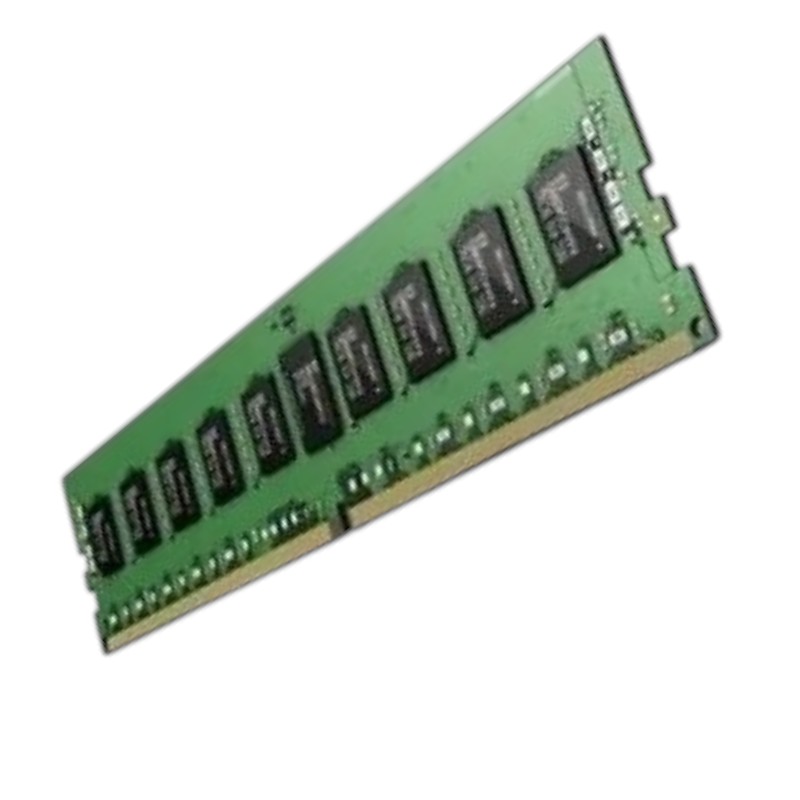
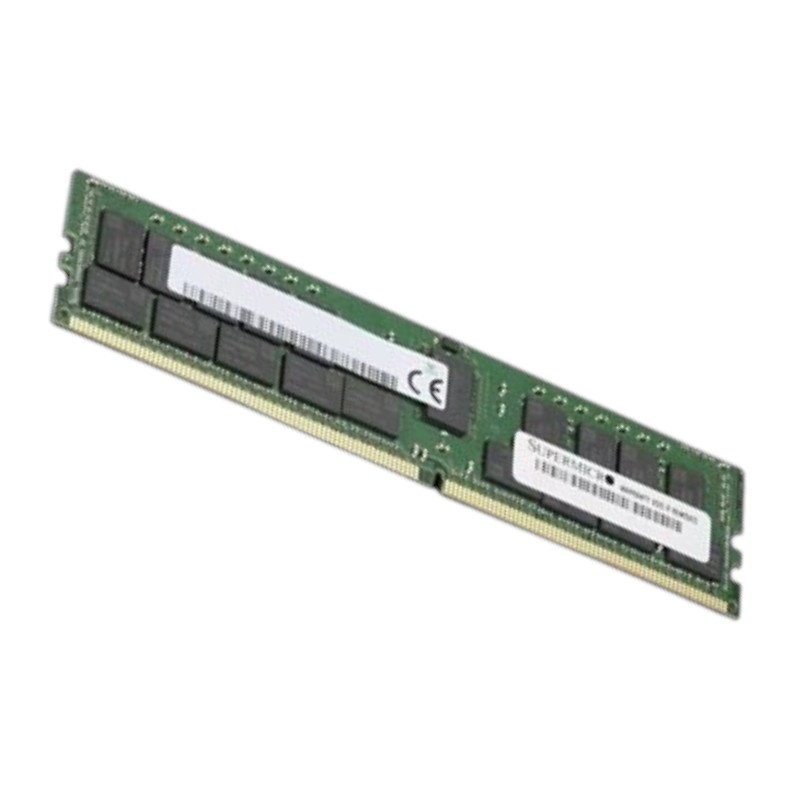
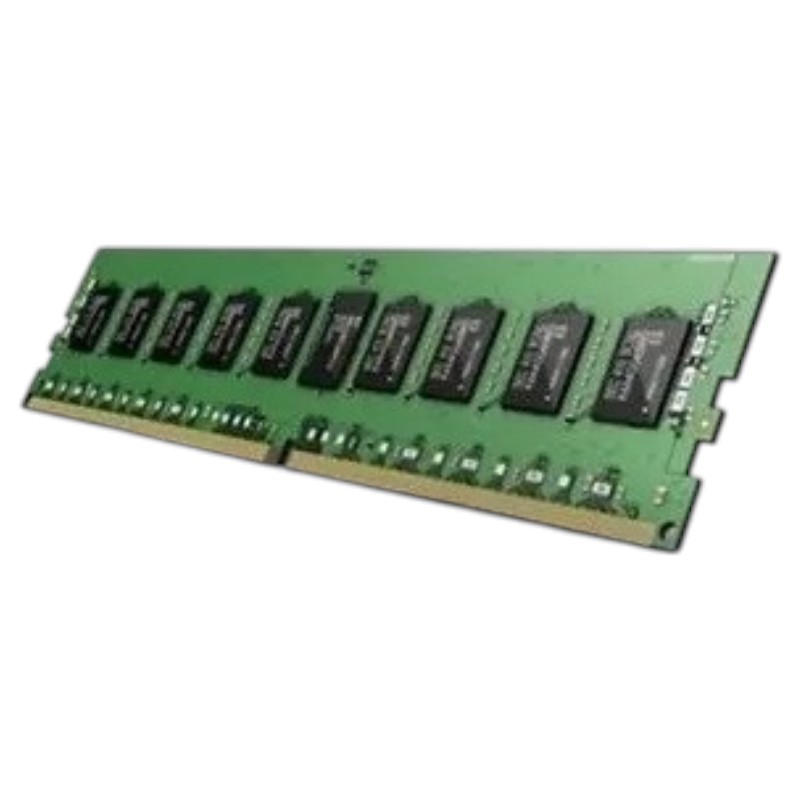
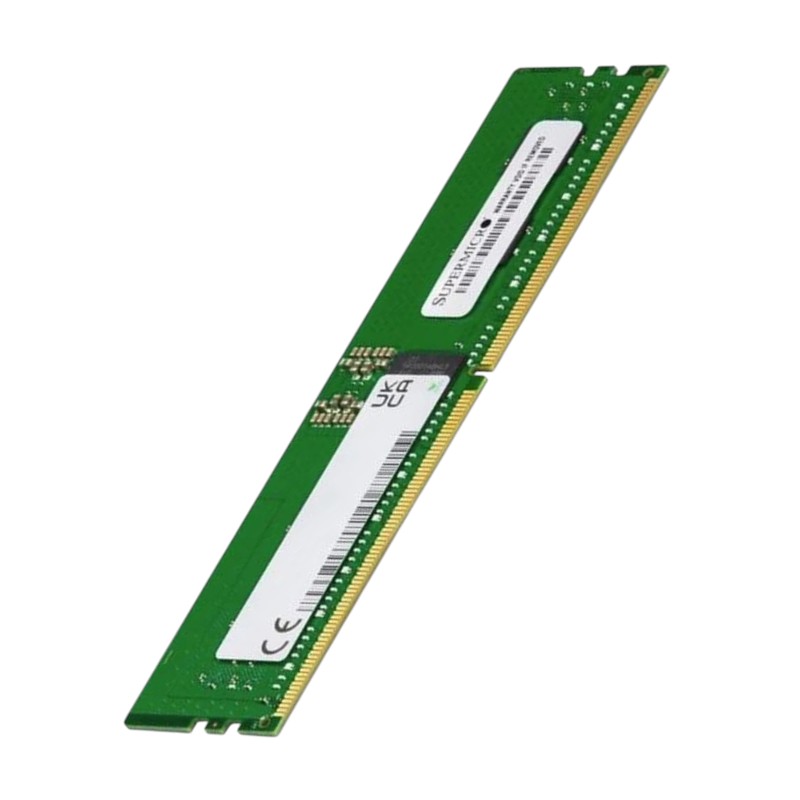
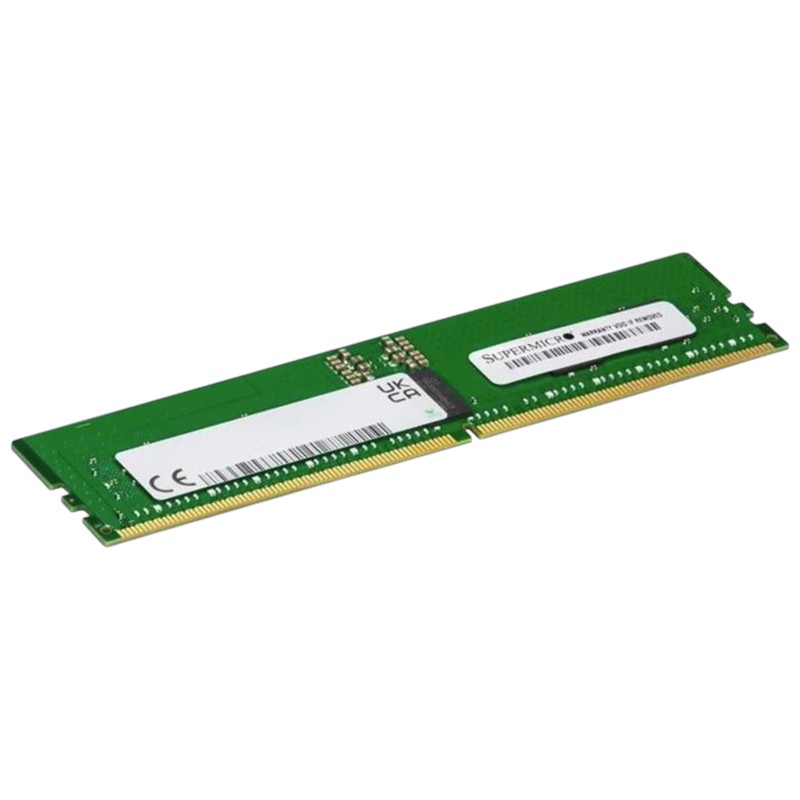
Supermicro MEM-DR596L-HL02-ER56 96GB DDR5 5600MHz Pc5-44800 Cl46 ECC Registered 1.1v Dual Rank 288-pin Dimm Server Memory. New Sealed in Box (NIB) with 3-Years Warranty - Hynix Version
| SKU/MPN | Warranty | Price | Condition | You save |
|---|---|---|---|---|
| MEM-DR596L-HL02-ER56 | 1 Year Warranty | $3,072.00 | New (System) Pull | You save: $1,075.20 (26%) |
| MEM-DR596L-HL02-ER56 | 1 Year Warranty | $3,984.00 | New Sealed in Box (NIB) | You save: $1,394.40 (26%) |
The Supermicro MEM-DR596L-HL02-ER56 is a premium-grade 96GB DDR5-5600 ECC Registered Dual Rank DIMM Server Memory engineered for enterprise servers and high-performance computing environments. With advanced error correction and blazing-fast speeds, this module ensures stability, efficiency, and superior multitasking capabilities.
The Supermicro MEM-DR596L-HL02-ER56 96GB DDR5 5600MHz Pc5-44800 Cl46 ECC Registered 1.1v Dual Rank 288-pin Dimm Server Memory is designed for modern enterprise environments that require dependable memory performance, advanced bandwidth capabilities, and exceptional stability for mission-critical workloads. Built for high-density server infrastructure, virtualization environments, cloud deployments, database systems, artificial intelligence applications, and large-scale computing clusters, this DDR5 registered memory module delivers optimized performance for demanding enterprise operations.
As server processors continue to evolve with greater core counts and increased workload parallelism, memory technology must provide higher transfer speeds and enhanced efficiency to maintain balanced system performance. This 96GB DDR5 memory module addresses those requirements by combining high-capacity architecture with 5600MHz frequency support, ECC protection, and registered buffering technology for enterprise-class reliability.
DDR5 memory technology represents a substantial advancement over previous-generation DDR4 server memory modules. The architecture behind DDR5 improves memory bandwidth, lowers power consumption, increases module density, and enhances overall efficiency within enterprise servers and workstation platforms.
The 5600MHz operating speed allows the module to handle high-throughput data processing tasks efficiently. Workloads such as virtualization, analytics, scientific computing, enterprise resource planning, and cloud-native applications benefit significantly from the enhanced transfer rates and improved responsiveness provided by DDR5 memory technology.
The Pc5-44800 specification indicates substantial memory bandwidth capabilities, enabling servers to process large data sets with reduced bottlenecks. Organizations deploying high-performance applications require memory subsystems capable of sustaining continuous throughput under intensive operational conditions, and this module is engineered precisely for those enterprise demands.
Bandwidth plays a critical role in overall server efficiency. The higher memory transfer rates associated with DDR5 technology provide measurable improvements for workloads requiring continuous memory access. Applications that rely heavily on memory-intensive operations experience reduced latency and improved responsiveness when paired with high-frequency DDR5 registered memory modules.
Servers supporting virtualization clusters, enterprise databases, and software-defined infrastructure frequently encounter memory bandwidth limitations during peak operational periods. Deploying 5600MHz DDR5 registered memory helps alleviate those limitations by increasing the available throughput between processors and memory subsystems.
DDR5 memory operates with improved power management features and lower voltage requirements compared to earlier memory technologies. The 1.1v operational voltage helps reduce total server power consumption while maintaining exceptional performance levels. In large-scale data center environments where hundreds or thousands of memory modules may be deployed, lower voltage operation contributes to improved energy efficiency and thermal management.
Reduced power requirements also support sustainable infrastructure initiatives by minimizing operational costs associated with cooling and electricity consumption. Enterprise organizations increasingly prioritize energy-efficient hardware components to optimize long-term data center performance and environmental sustainability goals.
The 96GB capacity offered by the Supermicro MEM-DR596L-HL02-ER56 module is well suited for modern enterprise applications that require substantial memory allocation. Large-capacity DIMMs enable servers to accommodate memory-intensive workloads without excessive reliance on storage-based caching or virtual memory.
Applications such as virtualization hypervisors, in-memory databases, machine learning frameworks, and high-density cloud computing environments demand large memory pools to ensure efficient operation. A 96GB DDR5 module provides the capacity needed to support these enterprise workloads while maintaining high-speed data access.
Virtualized environments often host multiple virtual machines on a single physical server. Each virtual machine consumes dedicated memory resources, making high-capacity DIMMs essential for maintaining infrastructure scalability. The 96GB capacity allows administrators to maximize server consolidation ratios while ensuring consistent application performance.
Modern virtualization platforms benefit from increased memory density because it enables organizations to deploy more workloads per server node. This reduces hardware footprint requirements while improving overall resource utilization across enterprise environments.
Enterprise database systems rely heavily on memory capacity and speed to maintain transactional performance and query responsiveness. Large-capacity DDR5 registered memory modules improve database caching efficiency, reducing storage access latency and accelerating query execution times.
Relational databases, NoSQL platforms, and analytics engines frequently process enormous data sets that benefit from expanded memory resources. By utilizing 96GB DDR5 modules, organizations can optimize memory allocation for enterprise-grade database operations and improve overall system responsiveness.
In-memory computing applications depend on high-capacity memory resources to maintain active datasets directly within system RAM. Keeping data in memory dramatically reduces access latency compared to traditional storage-based architectures. The large capacity and high bandwidth provided by this DDR5 server memory module support the demands of advanced in-memory applications used in analytics, financial modeling, and business intelligence platforms.
Error Correcting Code technology is an essential feature in enterprise server memory because it helps maintain data integrity during system operation. ECC functionality automatically detects and corrects memory errors that may occur during data processing, reducing the risk of system instability, application crashes, or corrupted information.
Registered memory technology further enhances system stability by reducing electrical load on the memory controller. Buffered communication between the memory module and processor improves reliability in multi-DIMM configurations commonly used in enterprise servers.
Data integrity is a critical requirement for enterprise environments handling financial transactions, healthcare information, scientific simulations, and mission-critical applications. Even minor memory errors can result in operational disruptions or corrupted data. ECC memory continuously monitors and corrects memory inconsistencies to maintain stable server operation.
Organizations deploying enterprise-grade applications require dependable hardware components capable of operating continuously under heavy workloads. ECC registered memory provides the reliability necessary for long-term server stability and consistent system performance.
Registered DIMMs incorporate a register between the memory module and system memory controller, helping stabilize communication and improve signal integrity. This design becomes increasingly important in servers supporting multiple memory modules across numerous memory channels.
Buffered memory architecture allows systems to scale more effectively by supporting larger total memory capacities without compromising operational stability. Enterprise servers equipped with registered DDR5 memory can accommodate demanding workloads while maintaining reliable performance under continuous operational conditions.
Signal integrity is essential for maintaining stable operation in high-speed memory environments. DDR5 memory operates at significantly higher frequencies than previous generations, making signal management increasingly important. Registered DIMM technology helps ensure accurate data transmission and minimizes communication errors within high-performance server architectures.
The 5600MHz operating frequency delivers substantial improvements in data transfer rates and workload responsiveness. High-frequency memory contributes directly to overall server efficiency by reducing latency and increasing throughput across memory-intensive applications.
Modern enterprise workloads such as artificial intelligence training, machine learning inference, real-time analytics, and software-defined infrastructure benefit greatly from faster memory subsystems. The increased transfer rates associated with DDR5-5600 memory help processors maintain higher utilization levels without waiting for data retrieval operations.
AI and machine learning workloads require significant memory bandwidth for training datasets, tensor processing, and computational modeling. Large memory capacity combined with high-frequency DDR5 performance enables AI infrastructure to process data more efficiently and reduce bottlenecks associated with memory-intensive computations.
Organizations deploying AI-driven analytics platforms and neural network training systems benefit from the advanced capabilities of DDR5 registered memory modules optimized for enterprise computing.
Cloud service providers and hyperscale data centers demand hardware components capable of delivering consistent performance across massive multi-tenant environments. The combination of high-speed DDR5 architecture, ECC reliability, and registered buffering technology makes this memory module suitable for scalable cloud deployments.
High-density server platforms require reliable memory solutions capable of supporting continuous workload fluctuations while maintaining low latency and stable operation. DDR5-5600 registered memory enables improved responsiveness within virtualized cloud infrastructure and containerized application environments.
Modern server processors feature increasing core counts and parallel processing capabilities. To maximize CPU performance, memory subsystems must provide adequate bandwidth to keep processors supplied with data. High-frequency DDR5 memory helps eliminate memory bottlenecks and ensures balanced system performance across multi-core enterprise servers.
The 288-pin DIMM form factor is widely adopted across enterprise-grade DDR5 server platforms. This standardized design ensures compatibility with supported Supermicro servers and other enterprise systems engineered for DDR5 registered memory operation.
Server administrators evaluating infrastructure upgrades prioritize compatibility, scalability, and reliability when selecting memory components. The standardized DIMM architecture simplifies deployment while ensuring consistent operational integration within supported server platforms.
Enterprise servers designed for DDR5 registered memory are optimized to take advantage of higher transfer rates, improved power efficiency, and increased module density. Proper integration of high-capacity DDR5 DIMMs enhances overall infrastructure performance and supports future scalability requirements.
Memory compatibility remains one of the most important considerations in enterprise server deployment planning. Organizations investing in advanced server hardware require memory solutions validated for long-term operational stability and reliable performance.
As business requirements evolve, organizations frequently expand server memory capacity to support growing workloads and increased application demands. High-capacity DDR5 registered DIMMs enable scalable infrastructure growth without requiring complete hardware replacement.
Deploying larger-capacity memory modules simplifies future expansion strategies by maximizing available memory slots and supporting greater total system memory capacities. This scalability helps organizations optimize hardware investments while preparing for long-term operational growth.
Rack-mounted enterprise servers often operate within high-density data center environments where thermal efficiency, performance stability, and hardware scalability are critical considerations. DDR5 registered memory modules designed for enterprise workloads support reliable operation in these demanding environments.
High-capacity memory configurations allow organizations to reduce server sprawl while increasing compute density within existing rack infrastructure. This improves data center efficiency and supports streamlined operational management.
Efficient thermal management is essential in enterprise server environments where hardware components operate continuously under heavy workloads. DDR5 memory technology introduces improved power management architecture that contributes to lower thermal output and enhanced operational stability.
The 1.1v operating voltage helps minimize power consumption while supporting high-frequency performance. Lower thermal generation reduces cooling requirements and contributes to improved server reliability over extended operational periods.
Large-scale data centers consume significant amounts of electricity for both computational workloads and cooling systems. Energy-efficient memory modules help reduce operational costs by lowering overall system power requirements.
Organizations seeking environmentally responsible infrastructure solutions increasingly prioritize hardware components that balance high performance with improved energy efficiency. DDR5 registered memory supports these objectives through advanced architectural enhancements and optimized voltage management.
Enterprise servers frequently operate around the clock with minimal downtime. Hardware reliability under continuous operational stress is critical for maintaining business continuity and service availability.
DDR5 registered ECC memory modules are engineered for long-term stability within demanding environments such as cloud infrastructure, virtualization clusters, enterprise databases, and high-performance computing systems.
Lower operating temperatures contribute directly to improved hardware longevity. Efficient memory modules help minimize thermal stress on surrounding system components, including processors, storage controllers, and motherboard circuitry.
Maintaining stable operating temperatures is particularly important in high-density server environments where multiple systems operate within confined rack spaces. DDR5 memory technology helps support balanced thermal conditions across enterprise infrastructure deployments.
The Supermicro MEM-DR596L-HL02-ER56 DDR5 server memory module is designed to support a broad range of enterprise workloads requiring high-capacity memory resources and reliable operational performance.
Scientific simulations, engineering analysis, computational research, and modeling applications depend heavily on memory bandwidth and capacity. High-performance computing clusters require advanced memory solutions capable of sustaining intensive processing demands across large-scale computational environments.
DDR5 registered memory provides the throughput and stability necessary for complex HPC workloads involving large datasets, parallel processing, and extensive mathematical calculations.
Business-critical enterprise applications such as ERP systems, CRM platforms, and large-scale collaboration environments require dependable memory infrastructure to maintain responsiveness and uptime. High-capacity DDR5 memory modules support efficient application hosting by providing fast data access and stable operational performance.
Organizations deploying enterprise software environments benefit from memory solutions capable of handling simultaneous user activity, transactional workloads, and large-scale data processing operations.
Modern analytics platforms process extensive datasets to generate business insights and operational intelligence. High-bandwidth memory improves analytical query performance and accelerates data processing tasks across business intelligence environments.
Large-capacity DDR5 registered memory enables organizations to maintain more active datasets in memory, improving response times for reporting, forecasting, and advanced analytics applications.
Dual rank memory architecture improves overall performance by allowing more efficient access to memory banks during system operation. This design enhances data handling capabilities and contributes to optimized memory throughput across enterprise workloads.
Enterprise servers benefit from dual rank memory configurations because they provide balanced performance characteristics suitable for multi-threaded applications and high-density computing environments.
Dual rank DIMMs enable memory controllers to alternate access between ranks, helping improve overall efficiency during read and write operations. This architecture can contribute to better utilization of memory bandwidth within enterprise server systems.
Applications requiring frequent memory access patterns benefit from the enhanced operational characteristics associated with dual rank server memory configurations.


 Contact Us
 Information
 Catalog
 Solid State Drives (SSD)
 Network Switches
 Hard Disk Drives
 HBA & Controllers
 PC & Servers
 PC & Server Memory
 CPU & Processors
 Network Routers
 Power Supplies
 Tape Drives & Libraries
 Network Devices
 Computer & Network Cables