(7% discount is applied at checkout)
Cart is empty
Your go-to destination for cutting-edge server products
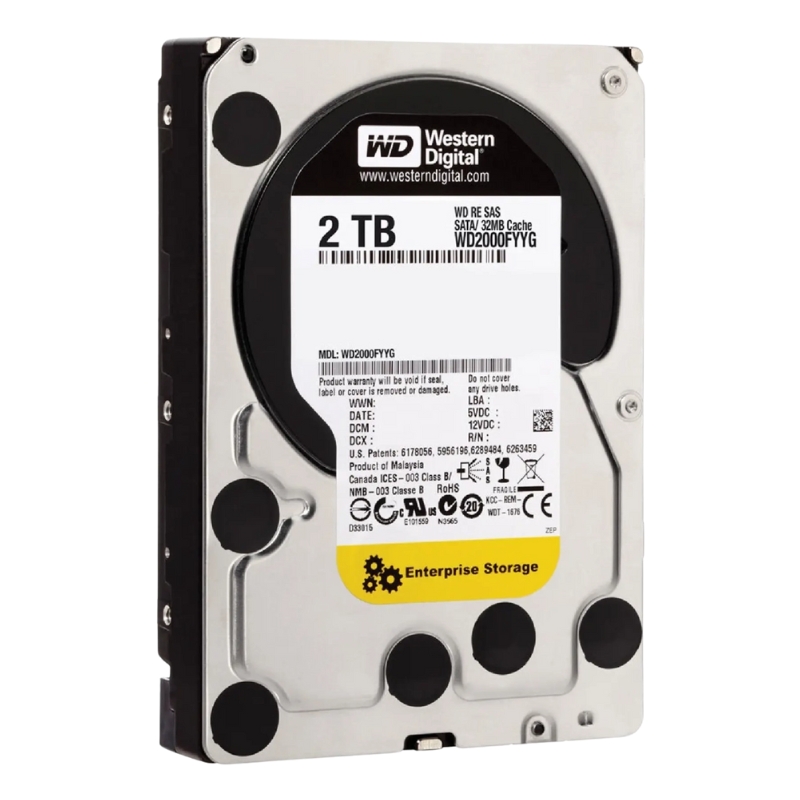


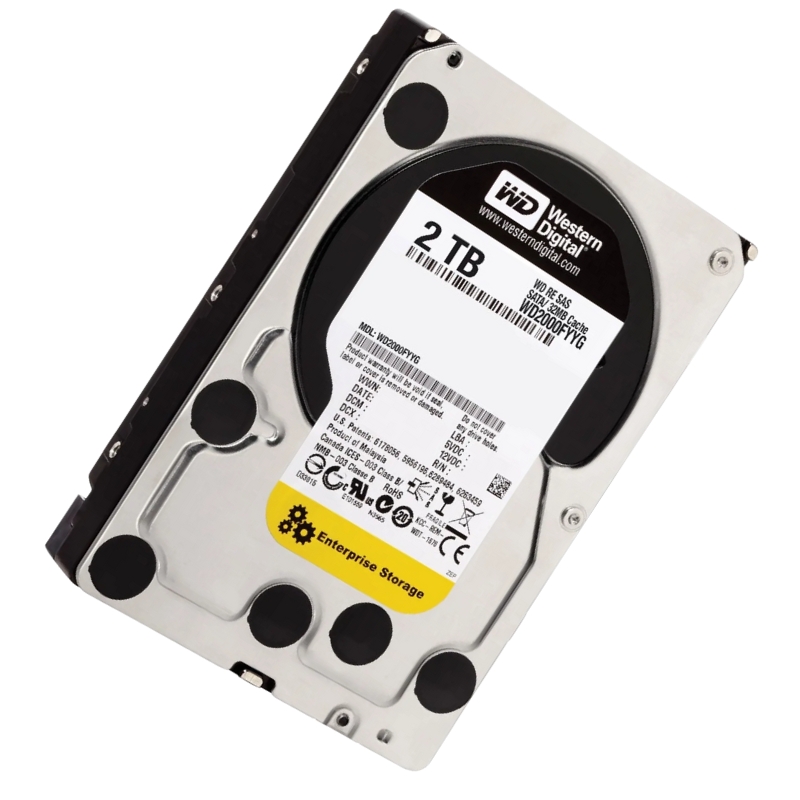
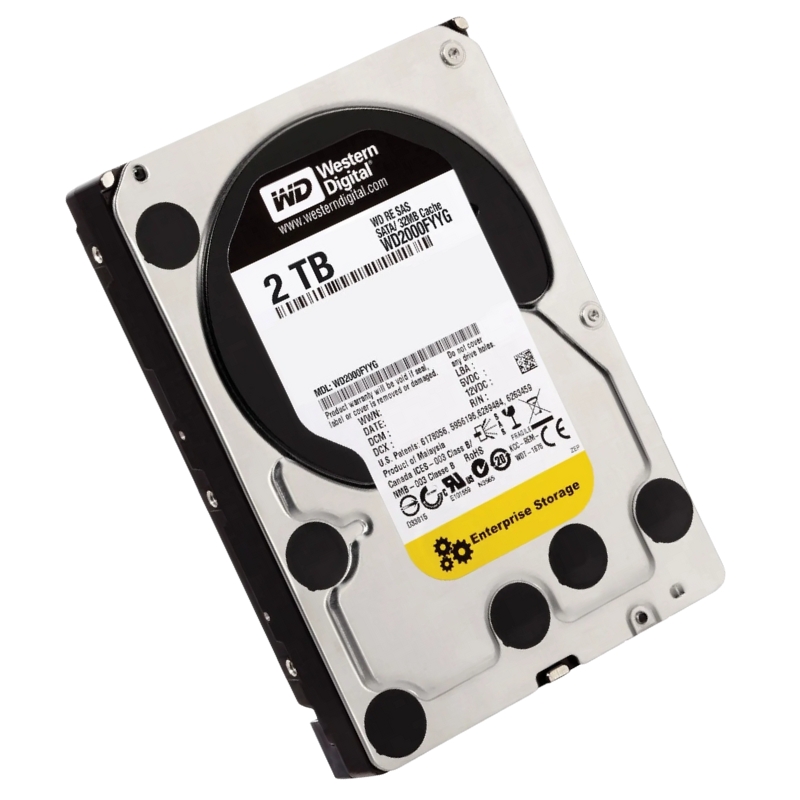
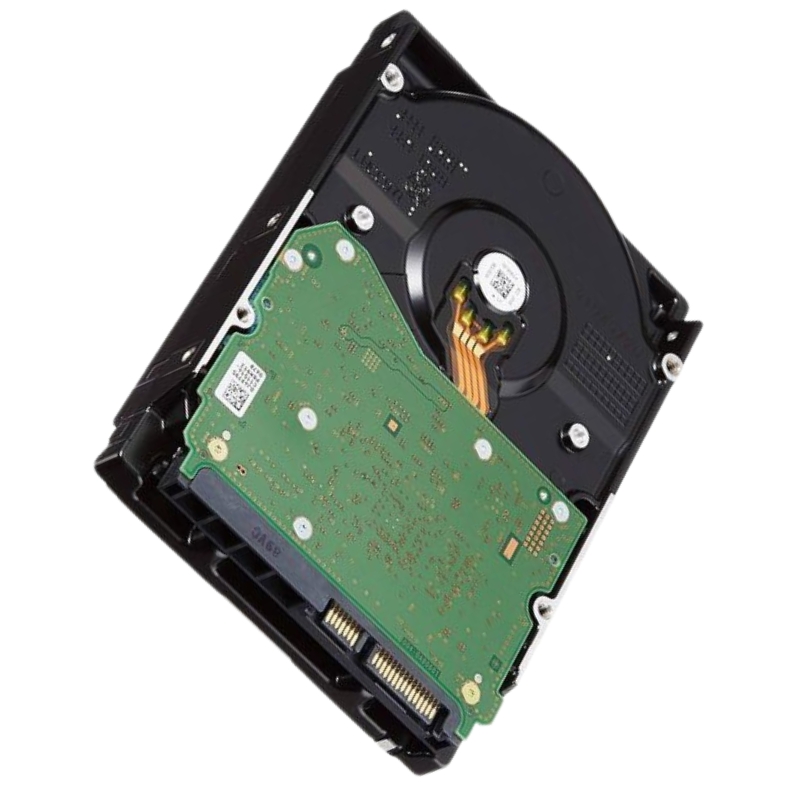
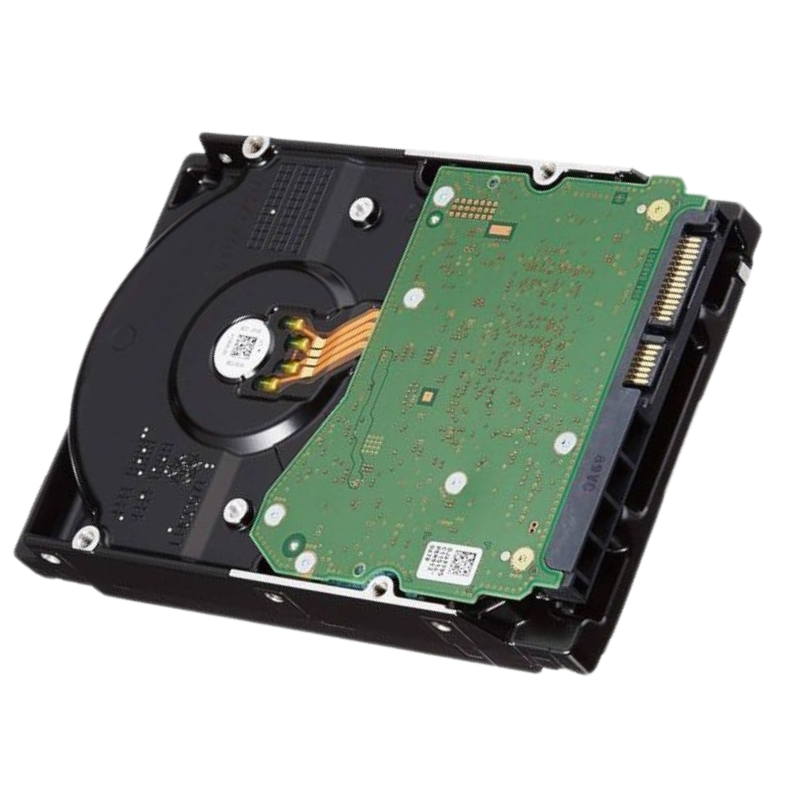
Western Digital WD2000FYYZ 2TB 7.2K RPM HDD SATA 6GBPS 64MB Buffer Internal Hard Drive. Factory-Sealed New in Original Box (FSB) with 3 Years Warranty
| SKU/MPN | Warranty | Price | Condition | You save |
|---|---|---|---|---|
| WD2000FYYZ | 1 Year Warranty | $170.00 | Factory-Sealed New in Original Box (FSB) | You save: $59.50 (26%) |
| WD2000FYYZ | 1 Year Warranty | $120.00 | Excellent Refurbished | You save: $42.00 (26%) |
The Western Digital WD2000FYYZ 2TB 7.2K RPM HDD SATA 6Gbps 64MB Buffer Internal Hard Drive is a high-performance 3.5-inch enterprise-class storage solution engineered to deliver stable data processing, reliable long-term operation, and efficient workload handling. Built with a strong focus on durability and sustained throughput, this 2TB hard disk drive is designed to support demanding computing environments where consistent read/write performance and data integrity are essential. With a 7200 RPM spindle speed and SATA 6Gbps interface, it ensures fast communication between system and storage, minimizing latency and improving overall system responsiveness. The 64MB cache buffer further enhances data handling efficiency, allowing smoother multitasking, faster file transfers, and optimized workload balancing across applications.
The Western Digital WD2000FYYZ 2TB 7.2K RPM SATA HDD represents a class of mechanical storage devices designed for consistent workload performance and sustained operational reliability. Built around a traditional spinning disk architecture, this storage solution integrates precision-engineered platters, high-speed rotational mechanics, and finely tuned actuator assemblies that position read and write heads with microscopic accuracy. The 7,200 revolutions per minute spindle speed ensures a balance between energy efficiency and data access performance, making it suitable for structured storage environments where predictable throughput is more important than peak burst speed.
At the core of this drive category lies a focus on durability under continuous operation. The internal components are arranged to minimize vibration interference and mechanical wear, allowing the drive to maintain stability during long operational cycles. The SATA 6Gbps interface further enhances communication efficiency between the storage unit and host system, enabling smooth data transfer pipelines without excessive latency overhead. This architecture is particularly important in environments where multiple read and write requests occur simultaneously.
Mechanical hard drives in this category rely on precision-balanced platters that rotate at a constant speed, ensuring uniform data distribution across magnetic surfaces. The spindle motor is calibrated to reduce rotational fluctuation, which directly influences read stability and data integrity. The actuator arm, controlled by electromagnetic precision systems, moves across the platter surface to locate data tracks with high accuracy.
The engineering behind this class of drives emphasizes vibration resistance and structural rigidity. Internal damping mechanisms help isolate external physical disturbances, reducing the likelihood of data misalignment or read errors. This makes the storage solution suitable for multi-drive configurations where mechanical resonance can otherwise degrade performance consistency. The combination of rotational stability and head positioning accuracy allows this storage category to maintain predictable performance under sustained workloads.
The performance profile of this storage category is defined by steady-state throughput rather than short-term burst acceleration. The 7200 RPM spindle speed enables consistent sequential read and write performance, which is essential for applications involving large file transfers, media storage, and structured database logging.
The firmware is optimized to balance seek time and rotational latency, reducing delays when accessing scattered data segments. This balance is particularly valuable in environments where mixed workloads occur, including both sequential and random access patterns. The drive is engineered to maintain operational consistency even under prolonged read and write cycles, preventing thermal throttling or performance degradation during extended use.
The SATA 6Gbps interface provides a standardized communication channel between the storage device and host systems. This interface supports backward compatibility with earlier SATA generations while maximizing throughput potential when connected to modern controllers. Data transmission occurs through serialized signaling, which reduces cable complexity while maintaining high data integrity levels.
This category of storage devices is widely compatible with desktop systems, server arrays, and storage expansion enclosures. The standardized interface ensures seamless integration across diverse hardware ecosystems, making it a flexible option for system builders and infrastructure engineers. The consistent protocol structure also simplifies firmware-level optimization and device management across multiple operating systems.
Cache memory plays a crucial role in optimizing the performance of mechanical storage systems. The 64MB buffer integrated into this drive category acts as a temporary data staging area, allowing frequently accessed information to be retrieved more quickly than direct platter access would allow.
This buffer system enhances overall efficiency by reducing redundant mechanical movements. When data is requested repeatedly, the drive can serve it directly from cache memory, minimizing latency. Additionally, write operations benefit from temporary buffering, allowing the drive to acknowledge data receipt quickly while completing background write processes in an optimized sequence. This contributes to smoother system responsiveness under multitasking conditions.
This category of hard drives is frequently deployed in structured computing environments where reliability and sustained uptime are critical. Typical use cases include data archival systems, surveillance storage arrays, and enterprise-level file repositories. The design prioritizes endurance under continuous read and write cycles, making it suitable for workloads that extend across long operational periods.
In server environments, these drives are often used in mirrored or redundant configurations to enhance data security. The consistent performance profile ensures predictable behavior when integrated into RAID arrays, reducing the risk of synchronization issues. Their mechanical resilience also supports multi-drive chassis environments where airflow and vibration control are carefully managed.
Reliability is a defining characteristic of this storage category. Internal components are engineered to withstand extended operational cycles without significant degradation in performance. The read/write head assembly is designed for precision movement across millions of cycles, ensuring sustained accuracy in data retrieval and storage.
Error correction algorithms embedded within the drive firmware continuously monitor data integrity during read and write operations. These systems detect inconsistencies and automatically correct them when possible, reducing the likelihood of data corruption. Combined with mechanical stability enhancements, this creates a storage environment capable of maintaining data consistency over extended lifespans.
Data integrity is maintained through a combination of firmware-level monitoring and hardware-assisted correction mechanisms. When read errors occur, the drive attempts multiple re-read cycles using refined head positioning adjustments. This increases the probability of successful data retrieval without user intervention.
Sector-level redundancy techniques help mitigate the effects of localized data degradation. In cases where physical sectors become unreliable, the drive reassigns data to reserved sectors, maintaining logical continuity. These mechanisms are essential for long-term storage reliability in mission-critical environments.
Within the broader landscape of mechanical storage devices, this category occupies a balanced position between performance-oriented and capacity-focused designs. It is neither purely optimized for maximum speed nor exclusively for archival density. Instead, it provides a stable midpoint suitable for mixed operational workloads.
This balanced positioning makes it a versatile choice for system architects who require dependable storage without extreme specialization. It integrates well into hybrid storage systems where solid-state drives handle high-speed tasks while mechanical drives manage bulk data storage.
Long-term data storage strategies often rely on mechanical drives due to their cost efficiency and predictable degradation patterns. This category is commonly used in archival systems where data is written once and accessed periodically. Lifecycle management practices include periodic health monitoring and scheduled redundancy checks to ensure data remains accessible over time.
Drive lifespan is influenced by workload intensity, thermal conditions, and operational cycles. Proper system configuration and environmental control can significantly extend operational longevity, making these drives suitable for multi-year deployment scenarios in controlled environments.
Operational stability is influenced by temperature, humidity, and physical vibration. This storage category is engineered to function within defined environmental thresholds that ensure consistent performance. Excessive heat or humidity can negatively impact mechanical precision, while vibration isolation improves read/write accuracy.
In data center environments, these factors are carefully managed through cooling systems and structural design. The drive’s internal engineering supports stable operation under typical enterprise conditions, contributing to predictable performance across large-scale deployments.


 Contact Us
 Information
 Catalog
 Solid State Drives (SSD)
 Network Switches
 Hard Disk Drives
 HBA & Controllers
 PC & Servers
 PC & Server Memory
 CPU & Processors
 Network Routers
 Power Supplies
 Tape Drives & Libraries
 Network Devices
 Computer & Network Cables