(7% discount is applied at checkout)
Cart is empty
Your go-to destination for cutting-edge server products
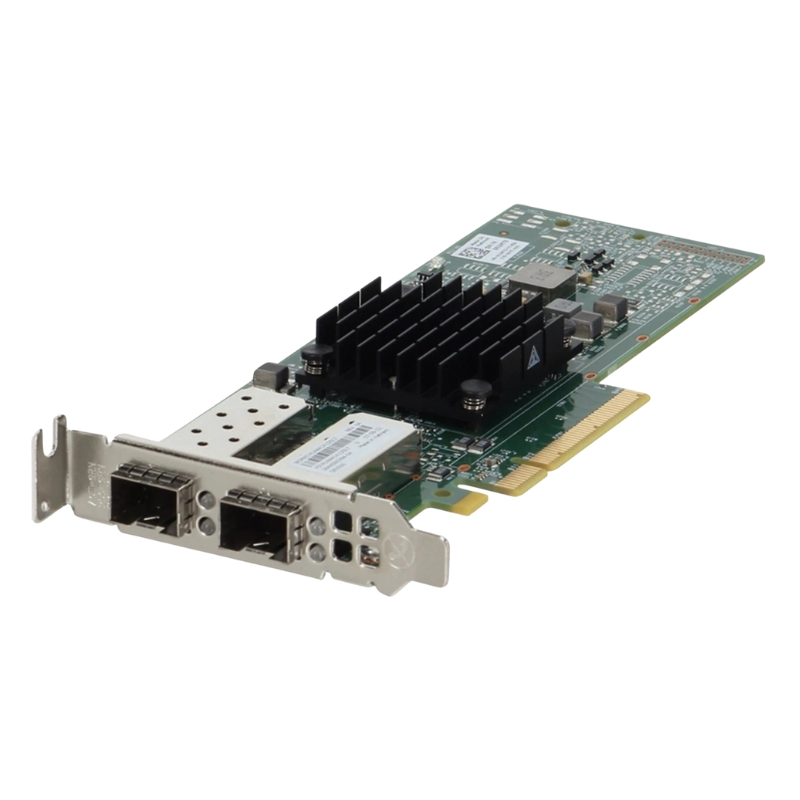


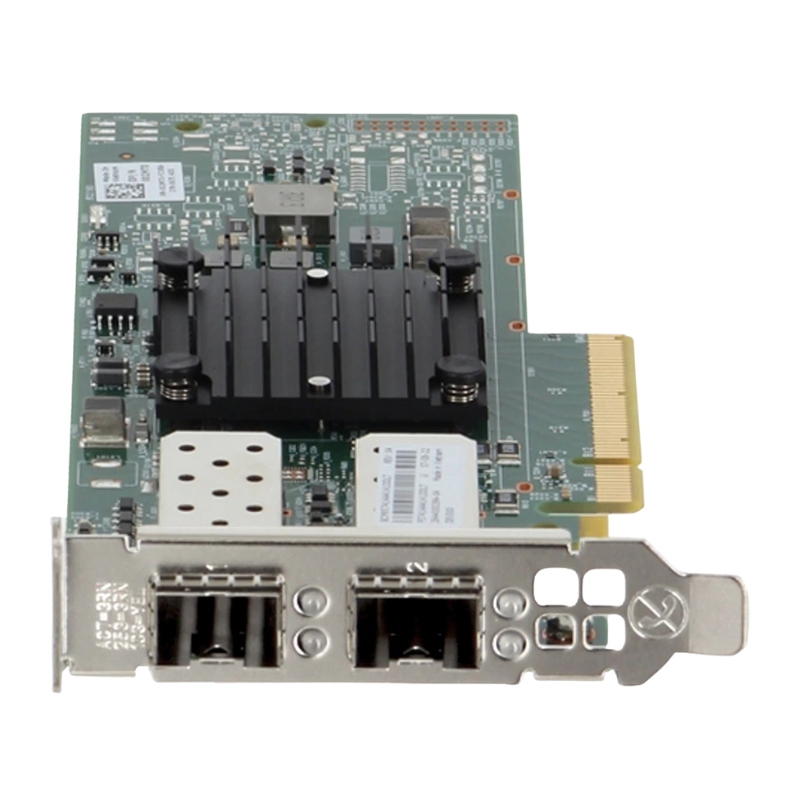
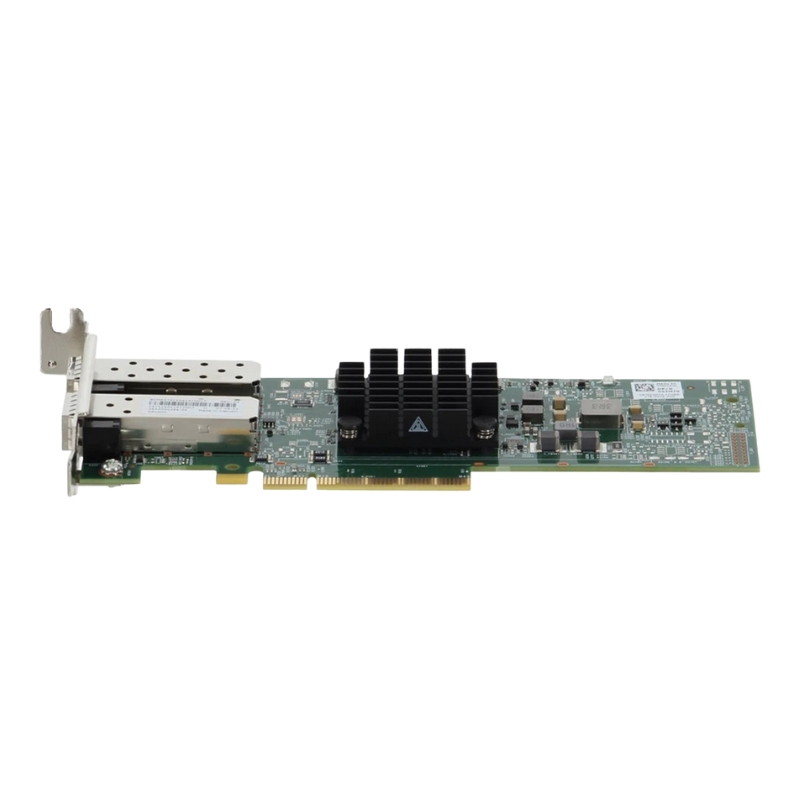
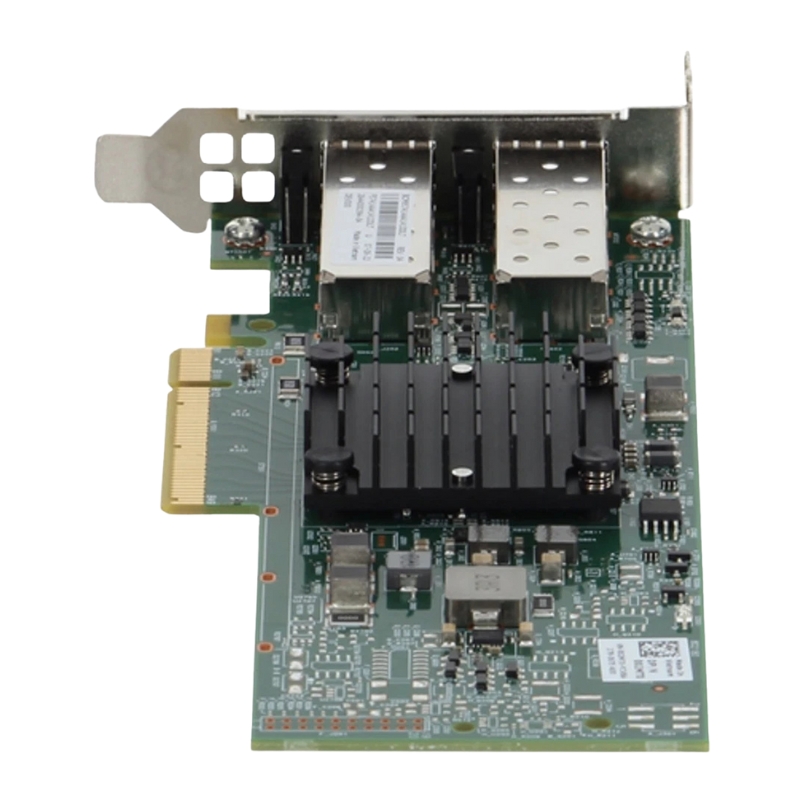
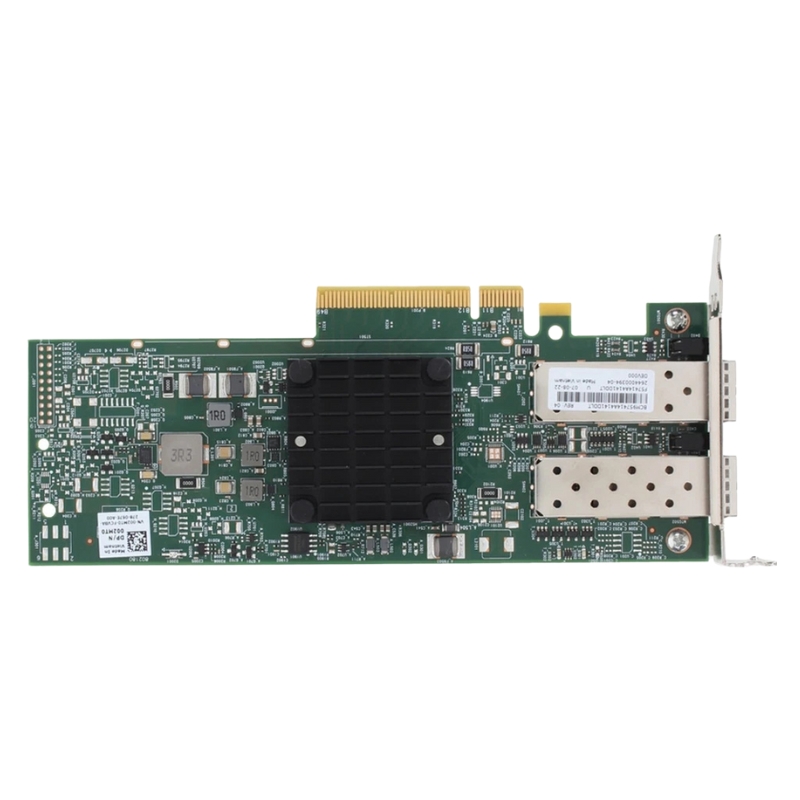
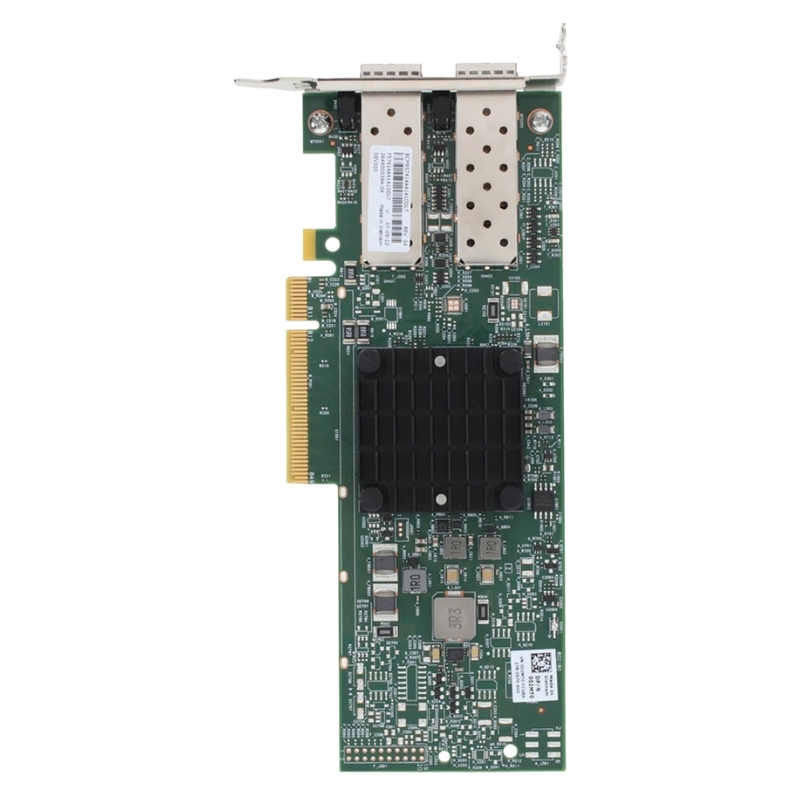
Dell 540-BDID Broadcom Dual Ports 10/25GbE SFP28 Adapter. New Sealed in Box (NIB) with 1-Year Replacement Warranty
| SKU/MPN | Warranty | Price | Condition | You save |
|---|---|---|---|---|
| 540-BDID | 1 Year Warranty | $420.00 | New Sealed in Box (NIB) | You save: $147.00 (26%) |
| 540-BDID | 1 Year Warranty | $63.00 | Excellent Refurbished | You save: $22.05 (26%) |
The Dell 540-BDID Broadcom Dual-Port 10/25GbE SFP28 Adapter is a high-performance enterprise-grade networking solution engineered for ultra-fast connectivity. With PCI Express support and dual SFP28 ports, this adapter ensures reliable throughput, scalability, and efficiency for modern data centers, virtualization, and cloud infrastructures.
The Dell 540-BDID Broadcom Dual Ports 10/25GbE SFP28 Adapter represents a high-performance network interface solution engineered for modern enterprise data centers that demand extreme throughput, low latency, and flexible connectivity options. Built on Broadcom architecture and optimized for Dell server ecosystems, this adapter is designed to support both 10GbE and 25GbE speeds through SFP28 optical or direct-attach copper connectivity. Its dual-port configuration enables scalable network redundancy, load balancing, and advanced virtualization capabilities, making it a critical component in cloud computing, storage networking, and high-density virtualization environments.
As organizations transition toward hybrid cloud infrastructures and software-defined data centers, the need for adaptable and high-speed networking hardware has become essential. This adapter fits into that requirement by delivering consistent performance under heavy workloads while maintaining compatibility with modern network protocols and enterprise operating systems.
At the heart of the Dell 540-BDID adapter lies Broadcom’s advanced network processing technology, which is designed to optimize packet processing efficiency and reduce CPU overhead. The architecture is engineered to handle large volumes of data traffic with minimal latency, making it suitable for environments where microseconds of delay can impact performance. The dual-port design allows simultaneous data transmission and reception across two independent channels, improving redundancy and throughput scalability.
One of the defining characteristics of this adapter is its ability to support both 10 Gigabit Ethernet and 25 Gigabit Ethernet speeds. This flexibility allows organizations to deploy the adapter in legacy infrastructures while maintaining a clear upgrade path toward higher-speed networking. The SFP28 interface ensures compatibility with a wide range of transceivers and cabling options, including fiber optic and direct attach copper solutions.
The adapter is designed to dynamically manage bandwidth allocation based on workload demand. This ensures that high-priority traffic such as storage replication, virtualization migration, and database synchronization receives consistent throughput without congestion. The intelligent load distribution mechanism reduces packet loss and improves overall network efficiency.
Modern cloud environments rely heavily on network interfaces that can handle virtual machine density and rapid workload scaling. The Dell 540-BDID adapter supports virtualization technologies that allow multiple virtual machines to share physical network resources efficiently. This improves server utilization while maintaining isolated network performance for each virtual instance.
The adapter integrates seamlessly with leading hypervisor platforms used in enterprise environments. This compatibility ensures stable performance for virtual workloads, including application hosting, development environments, and enterprise resource planning systems. Network isolation and traffic segmentation help maintain security and performance consistency across virtual environments.
In storage-intensive environments, the adapter plays a crucial role in ensuring fast and reliable data transfer between storage arrays and compute nodes. High throughput capability makes it ideal for iSCSI, NAS, and distributed storage systems where consistent low latency is required for maintaining data integrity and synchronization across nodes.
Dual-port redundancy ensures that storage connectivity remains active even if one network path experiences disruption. This improves fault tolerance and supports continuous data availability, which is essential for mission-critical applications and enterprise-grade storage architectures.
The Dell 540-BDID Broadcom adapter reduces CPU utilization by offloading network processing tasks directly to the hardware. This includes checksum calculations, segmentation, and packet filtering, allowing server processors to focus on application-level workloads rather than network overhead. The result is improved overall system performance and better resource allocation.
Remote Direct Memory Access support enables high-speed data transfer between systems with minimal CPU intervention. This capability is particularly beneficial in high-performance computing clusters and real-time analytics environments where latency-sensitive operations are critical. By bypassing traditional network stack processing, RDMA significantly reduces communication delays.
The adapter incorporates intelligent packet processing mechanisms that prioritize and streamline network traffic. This ensures that latency-sensitive applications such as financial trading systems, virtualization migrations, and real-time analytics platforms maintain stable performance even under heavy network load.
Designed specifically for Dell infrastructure, the 540-BDID adapter integrates seamlessly into PowerEdge server environments. This ensures compatibility at both hardware and firmware levels, reducing deployment complexity and improving system stability. Administrators benefit from streamlined installation processes and standardized driver support.
Stable firmware and driver architecture ensure long-term reliability in enterprise deployments. Regular updates enhance security, performance, and compatibility with evolving network standards. This reduces downtime and improves lifecycle management for enterprise IT environments.
Integration with Dell system management tools allows administrators to monitor network performance, detect anomalies, and optimize configuration settings. This visibility helps maintain operational efficiency and reduces troubleshooting time in large-scale deployments.
As data centers scale, network infrastructure must support increasing workloads without degradation in performance. The dual-port architecture of the Dell 540-BDID adapter enables scalable expansion strategies that accommodate growing traffic demands while maintaining consistent throughput across multiple nodes.
The adapter supports a wide range of deployment scenarios, including top-of-rack switching, spine-leaf architectures, and distributed cloud networks. This flexibility allows organizations to design network topologies that optimize performance, redundancy, and cost efficiency.
With support for both 10GbE and 25GbE, the adapter ensures long-term relevance in evolving network environments. Organizations can gradually upgrade their infrastructure without replacing existing hardware, thereby reducing capital expenditure and extending asset lifecycle.
Security is a critical consideration in enterprise networking, and this adapter supports advanced traffic segmentation techniques that isolate workloads and prevent unauthorized access. This helps maintain compliance with enterprise security policies and industry regulations.
The adapter includes built-in mechanisms that protect data integrity during transmission. Error detection and correction features ensure that packets are transmitted accurately across network paths, reducing the risk of corruption in sensitive workloads.
Virtualized environments benefit from secure traffic isolation between virtual machines. The adapter ensures that network traffic remains encapsulated and protected, reducing the risk of cross-VM interference or data leakage in multi-tenant infrastructures.
Despite its high-performance capabilities, the Dell 540-BDID adapter is engineered for energy efficiency. Its architecture minimizes power usage during both idle and active states, contributing to lower operational costs in large-scale data centers.
Efficient thermal design ensures that the adapter operates within optimal temperature ranges even under sustained workloads. This enhances reliability and extends hardware lifespan in dense server environments where cooling efficiency is critical.
The adapter dynamically adjusts performance parameters based on workload intensity. This adaptive behavior ensures that energy consumption is optimized without compromising network throughput or responsiveness.
In high-performance computing clusters, the adapter enables rapid data exchange between compute nodes. This is essential for scientific simulations, machine learning workloads, and complex computational modeling where inter-node communication speed directly impacts processing time.
Virtual desktop environments benefit from the adapter’s ability to maintain stable and responsive network connectivity. End-users experience reduced latency and improved application responsiveness, even in environments with high user density.
Mission-critical database systems rely on consistent network performance for transaction processing and replication. The adapter ensures reliable data transfer between database nodes, supporting high availability and disaster recovery configurations.


 Contact Us
 Information
 Catalog
 Solid State Drives (SSD)
 Network Switches
 Hard Disk Drives
 HBA & Controllers
 PC & Servers
 PC & Server Memory
 CPU & Processors
 Network Routers
 Power Supplies
 Tape Drives & Libraries
 Network Devices
 Computer & Network Cables