(7% discount is applied at checkout)
Cart is empty
Your go-to destination for cutting-edge server products


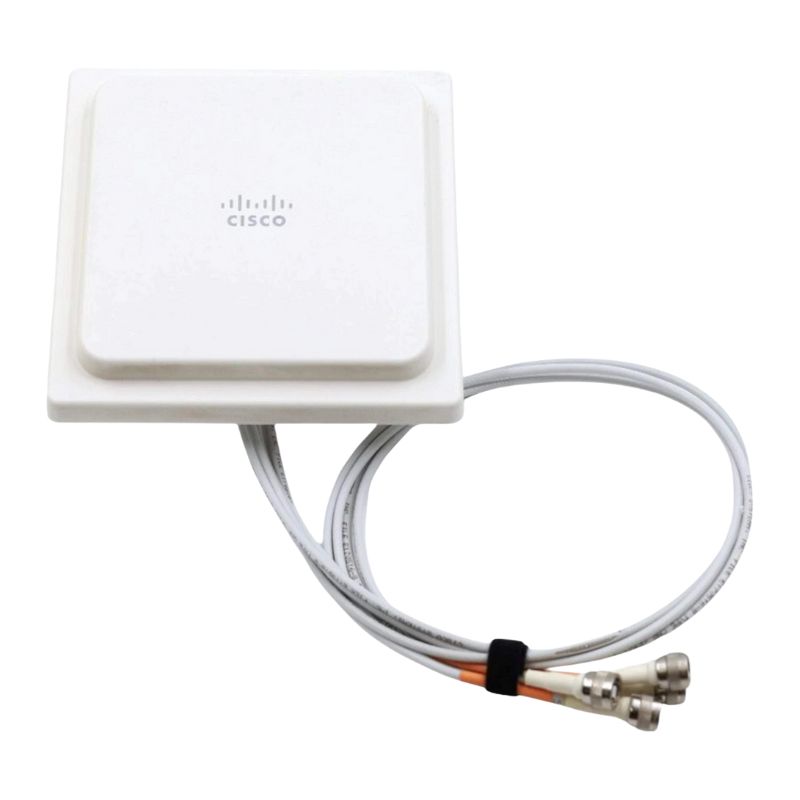
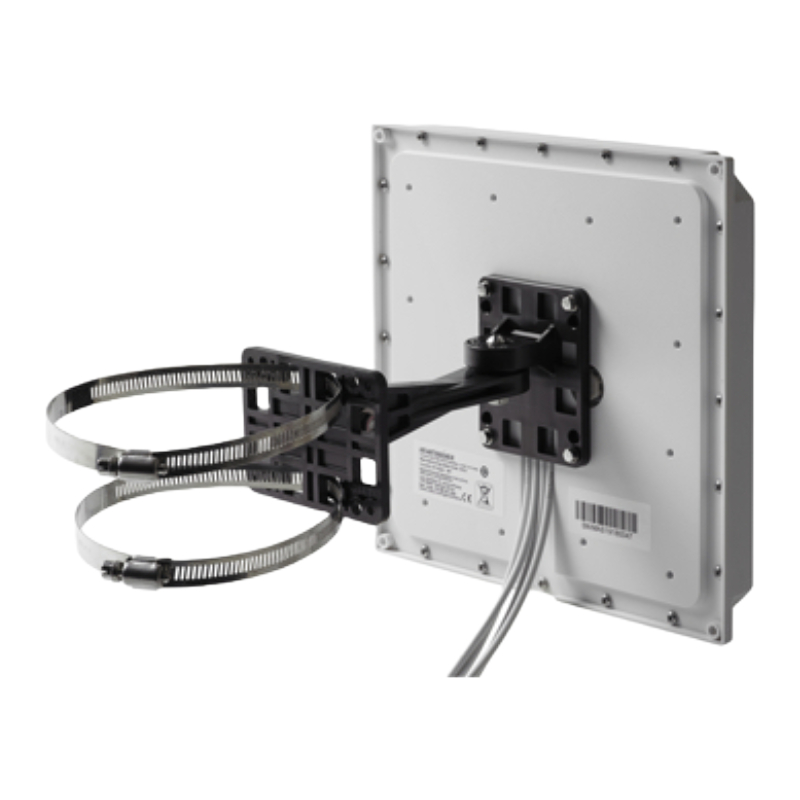
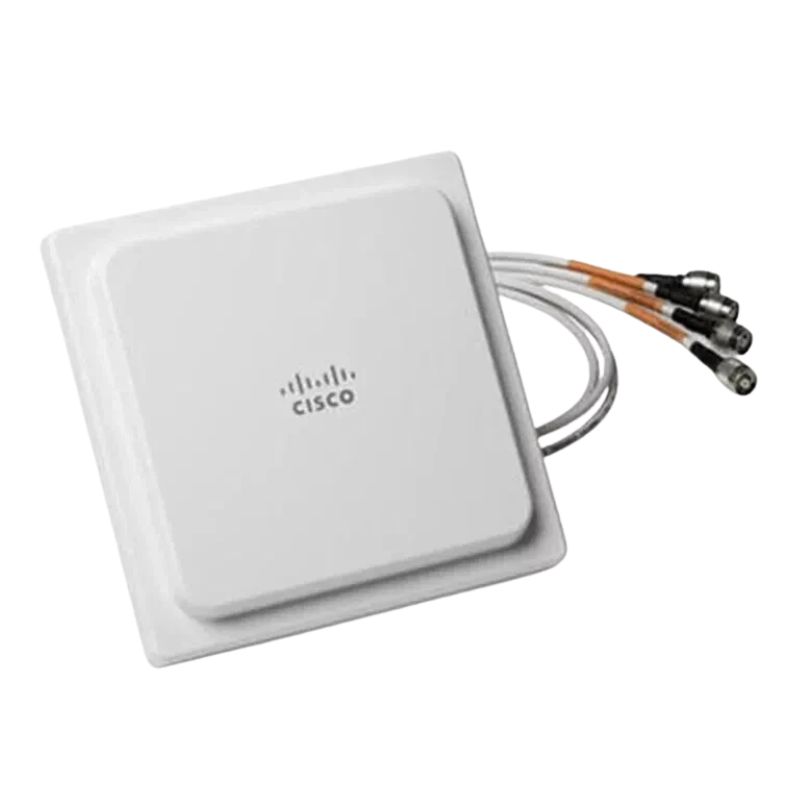
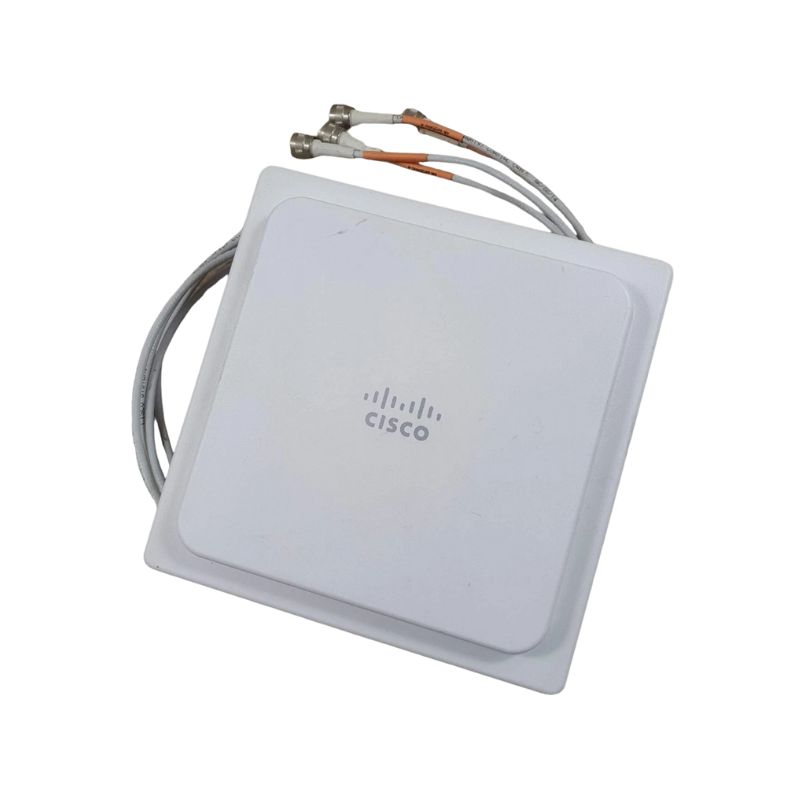
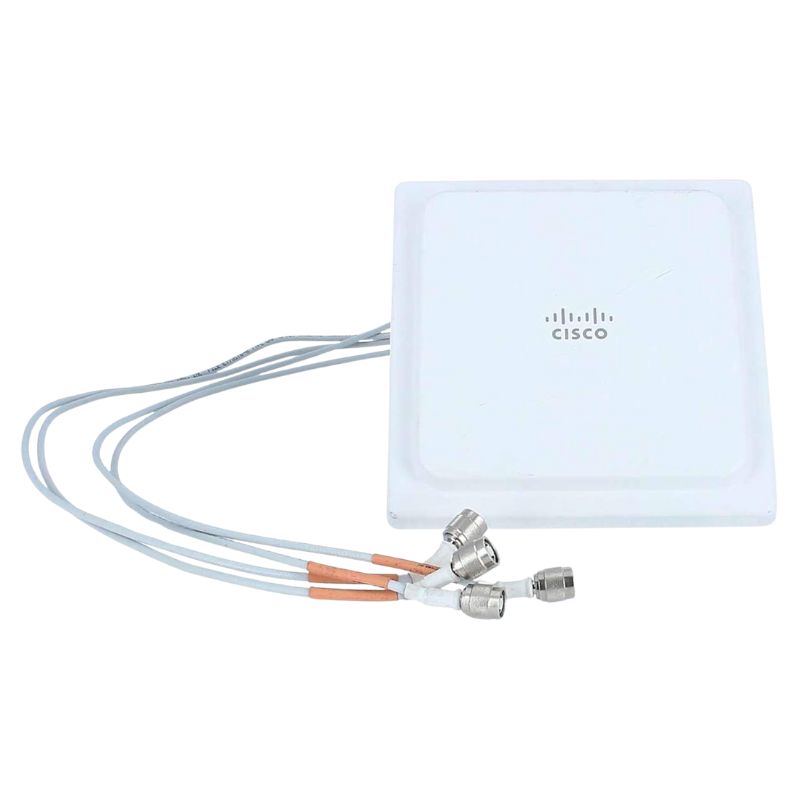
Cisco AIR-ANT2566D4M-R Aironet Dual Band Directional Array Antenna 2.4 GHz/5 GHz. Factory-Sealed New in Original Box (FSB) with 1 year replacement warranty
| SKU/MPN | Warranty | Price | Condition | You save |
|---|---|---|---|---|
| AIR-ANT2566D4M-R | 1 Year Warranty | $470.00 | Factory-Sealed New in Original Box (FSB) | You save: $164.50 (26%) |
| AIR-ANT2566D4M-R | 1 Year Warranty | $190.00 | Excellent Refurbished | You save: $66.50 (26%) |
The Cisco AIR-ANT2566D4M-R Aironet Dual Band Directional Array Antenna is a high-performance wireless networking antenna designed to deliver reliable connectivity across both 2.4 GHz and 5 GHz frequency bands. This directional patch array antenna is built for enterprise Wi-Fi environments that require focused signal coverage, improved range, and stable wireless performance.
The Cisco AIR-ANT2566D4M-R Aironet Dual Band Directional Array Antenna is a professional wireless networking antenna designed to improve coverage, signal quality, and performance for compatible Cisco Aironet wireless access points and enterprise wireless deployments. This dual band directional antenna supports both 2.4 GHz and 5 GHz frequency ranges, making it suitable for modern Wi-Fi environments where reliable connectivity, optimized signal distribution, and efficient wireless capacity are essential. Built for enterprise-grade applications, the antenna provides focused directional coverage that helps extend wireless reach while reducing unwanted signal spread in areas where controlled coverage is preferred.
Unlike standard omnidirectional antennas that distribute wireless signals in all directions, the Cisco AIR-ANT2566D4M-R uses a directional array design to concentrate radio frequency energy toward a specific area. This approach allows network administrators to create targeted coverage zones, improve wireless link stability, and enhance performance in challenging environments. Directional antennas are commonly used in warehouses, large offices, educational facilities, healthcare locations, manufacturing spaces, and outdoor wireless bridge applications where precise coverage planning is required.
The dual band capability of this Cisco Aironet antenna allows organizations to support a wide range of wireless devices operating on different Wi-Fi frequencies. The 2.4 GHz band provides broader coverage and better penetration through certain obstacles, while the 5 GHz band offers additional channels, reduced interference, and higher performance potential for newer wireless technologies. By supporting both frequency ranges in a single antenna solution, the AIR-ANT2566D4M-R helps simplify network design and provides flexibility for evolving wireless infrastructures.
The Cisco AIR-ANT2566D4M-R Aironet antenna is engineered to deliver balanced wireless performance across the 2.4 GHz and 5 GHz spectrum. In enterprise networks, wireless performance depends on more than access point power. Antenna design, placement, gain, orientation, and coverage pattern all influence the quality of communication between wireless clients and network equipment. A directional array antenna helps network professionals direct available wireless energy where it is needed most.
The 2.4 GHz frequency range has traditionally been used by many wireless devices, making it a busy spectrum in many environments. The directional characteristics of this antenna can help focus coverage and reduce unnecessary signal overlap with nearby wireless systems. This can support cleaner channel planning and improved wireless reliability when properly installed as part of a structured network design.
The 5 GHz frequency range is increasingly important for high-performance wireless deployments because it provides access to additional channels and supports higher throughput applications. Devices such as laptops, smartphones, industrial scanners, and specialized wireless equipment often benefit from 5 GHz connectivity. The Cisco AIR-ANT2566D4M-R helps organizations take advantage of these capabilities by providing directional coverage designed for controlled wireless distribution.
A directional array antenna focuses wireless signals in a defined pattern rather than spreading them evenly around the access point. This makes the Cisco AIR-ANT2566D4M-R an effective option for environments where wireless coverage needs to reach specific locations. Network architects can use directional antennas to cover long corridors, open workspaces, production floors, storage areas, or other spaces where targeted connectivity is required.
The array structure of the antenna supports consistent radio frequency performance by combining multiple antenna elements into a coordinated design. This enables better control over the signal pattern and allows wireless deployments to be planned with greater accuracy. In enterprise installations, predictable coverage is important because poor antenna selection can create weak areas, interference problems, or inconsistent user experiences.
Directional antenna solutions are especially valuable in high-density environments. When many wireless access points operate in the same general area, controlling signal direction can help reduce unnecessary overlap. This improves the efficiency of the wireless network and supports better use of available channels. The Cisco Aironet antenna design is intended for professional installations where performance and reliability are priorities.
The Cisco AIR-ANT2566D4M-R Aironet Dual Band Directional Array Antenna can be used in many professional wireless scenarios. Large commercial buildings often require carefully planned wireless coverage because walls, equipment, and user density can affect signal quality. A directional antenna can help extend coverage into specific areas without creating excessive radio frequency distribution throughout the entire facility.
In warehouses and logistics environments, wireless connectivity is often required across long distances and open spaces. Barcode scanners, inventory devices, handheld terminals, and operational systems rely on stable wireless connections. The directional design of this antenna can help deliver connectivity to targeted sections of a facility, supporting business operations and reducing wireless dead zones.
Educational institutions can also benefit from directional wireless antenna deployments. Classrooms, laboratories, libraries, and campus buildings may have different coverage requirements. By selecting the appropriate antenna type, network administrators can improve wireless availability in specific areas while maintaining efficient overall network performance.
Healthcare facilities require dependable wireless infrastructure because many systems depend on network connectivity. Wireless medical devices, communication tools, and administrative systems need consistent access. A properly installed Cisco Aironet directional antenna can support coverage planning in areas where controlled wireless distribution is beneficial.
Supporting both 2.4 GHz and 5 GHz frequencies makes the Cisco AIR-ANT2566D4M-R suitable for mixed wireless environments. Many organizations continue to operate devices across multiple generations of Wi-Fi technology. A dual band antenna allows network infrastructure to support existing equipment while preparing for newer wireless devices.
The 2.4 GHz band is known for wider propagation characteristics and compatibility with many devices. However, it can experience congestion because many consumer and business devices use the same frequency range. A directional antenna helps by allowing administrators to manage where wireless energy is concentrated.
The 5 GHz band is commonly associated with improved wireless capacity and performance. Modern wireless networks frequently rely on 5 GHz connectivity for applications that require faster data transfer and lower interference. The dual band capability of the Cisco antenna provides a practical solution for environments where both coverage and performance are important.
Proper installation plays a major role in achieving the best performance from the Cisco AIR-ANT2566D4M-R Aironet antenna. Antenna placement, orientation, mounting position, and surrounding physical conditions all influence wireless results. Professional network planning helps ensure that the antenna provides coverage where users and devices need it.
Directional antennas require careful positioning because their performance depends on alignment. The antenna should be installed with consideration for the intended coverage area and possible obstacles. Buildings, walls, machinery, and other structures may affect signal behavior, so wireless surveys and testing are valuable parts of enterprise deployments.
Wireless professionals often evaluate factors such as client density, application requirements, interference sources, and access point locations before selecting an antenna. The Cisco AIR-ANT2566D4M-R is most effective when integrated into a complete wireless design strategy rather than used as a simple replacement component.
The Cisco AIR-ANT2566D4M-R Aironet Dual Band Directional Array Antenna is a specialized networking accessory designed for organizations that require dependable wireless communication. Its dual frequency support, directional coverage characteristics, and enterprise-focused design make it suitable for a variety of professional networking environments.
As wireless networks continue to become central to business operations, selecting the right antenna technology becomes increasingly important. Poor antenna choices can limit coverage and reduce the effectiveness of otherwise capable wireless equipment. A properly selected directional antenna helps maximize the value of an access point by ensuring that wireless signals are distributed according to the needs of the environment.
A strong wireless experience depends on consistent connectivity rather than simply having a visible signal. Users expect stable access for applications such as video communication, cloud services, data systems, and mobile workflows. The Cisco AIR-ANT2566D4M-R contributes to wireless efficiency by helping administrators shape coverage according to practical requirements.
In busy wireless environments, controlling interference is a major consideration. Directional antenna patterns can help reduce unnecessary signal distribution and support better frequency reuse strategies. This makes them useful tools in professional network optimization projects where performance and reliability are essential.
The Cisco AIR-ANT2566D4M-R Aironet Dual Band Directional Array Antenna represents a practical choice for organizations seeking improved wireless coverage, better signal control, and flexible dual band support. Designed for professional networking applications, it helps transform wireless access points into more targeted and efficient communication solutions.
With support for 2.4 GHz and 5 GHz wireless operations, directional array performance, and compatibility with enterprise Cisco Aironet environments, this antenna fits the needs of businesses, institutions, and organizations that depend on reliable wireless connectivity. Its role in wireless infrastructure makes it an important component for creating stable, scalable, and high-performing network environments.


 Contact Us
 Information
 Catalog
 Solid State Drives (SSD)
 Network Switches
 Hard Disk Drives
 HBA & Controllers
 PC & Servers
 PC & Server Memory
 CPU & Processors
 Network Routers
 Power Supplies
 Tape Drives & Libraries
 Network Devices
 Computer & Network Cables