(7% discount is applied at checkout)
Cart is empty
Your go-to destination for cutting-edge server products
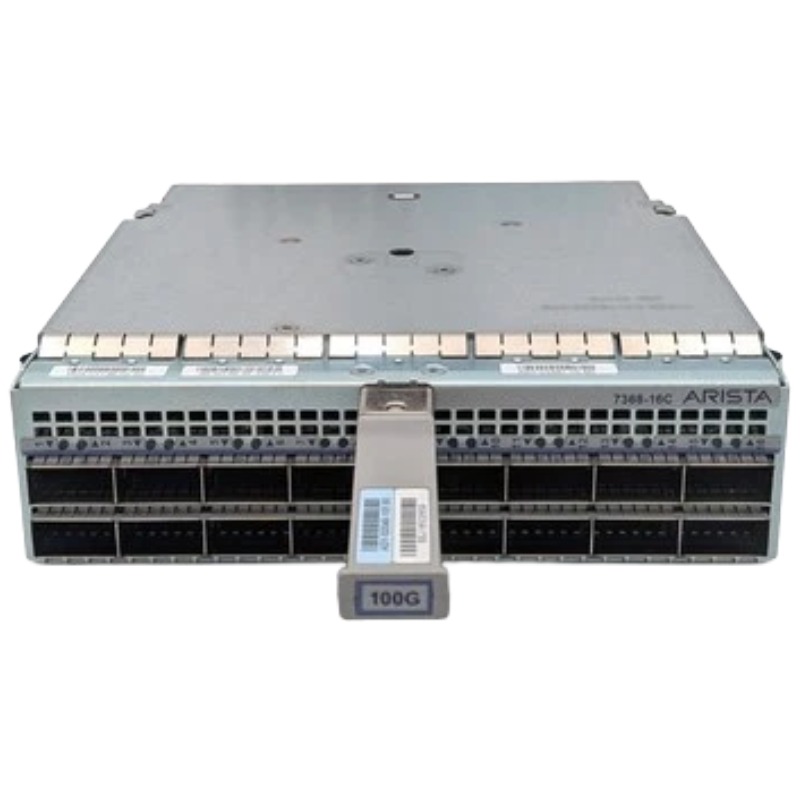


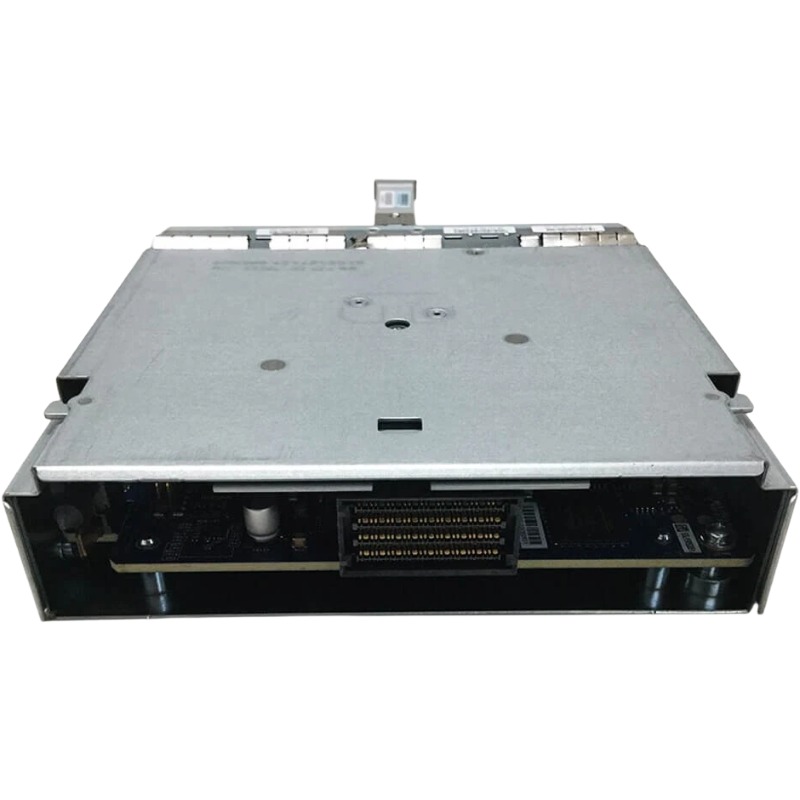
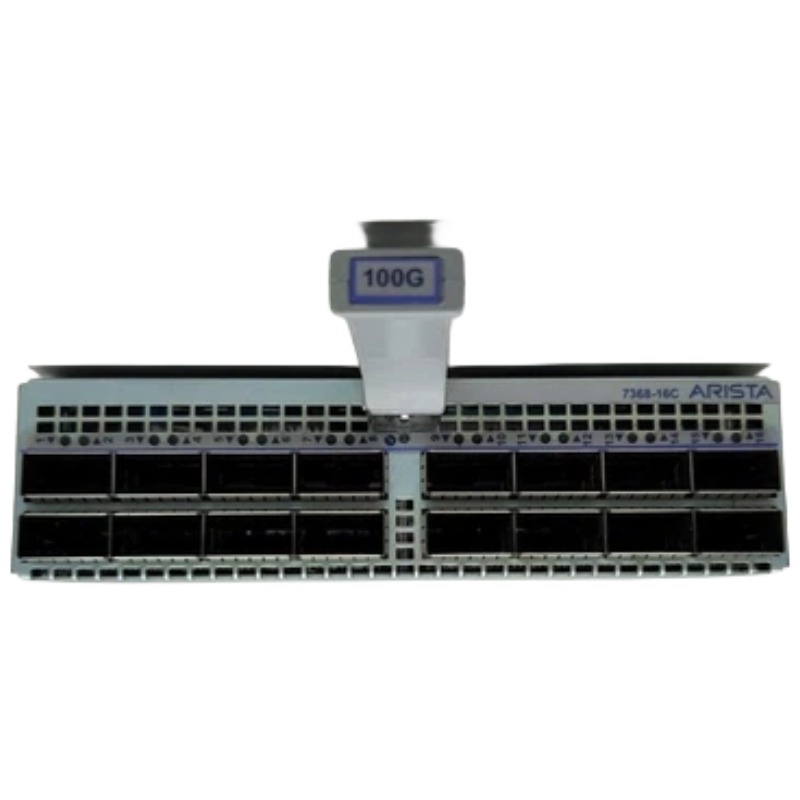
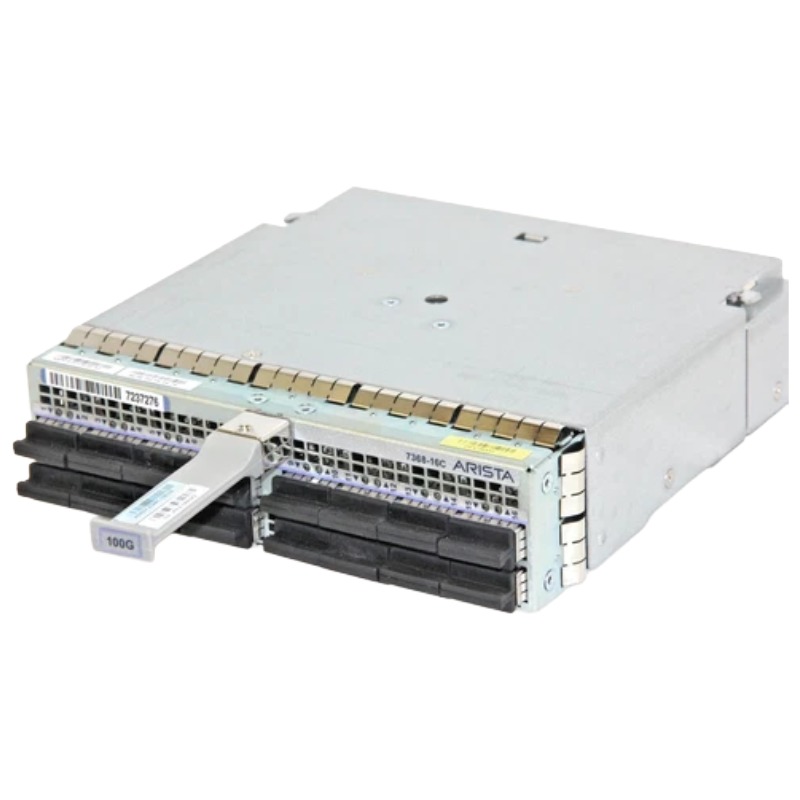
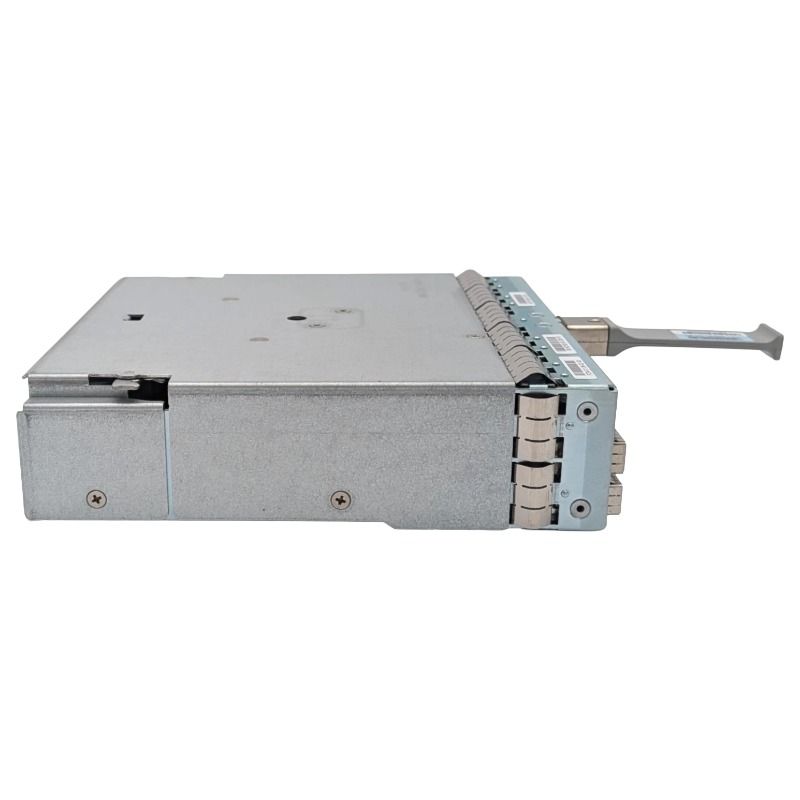
Arista DCS-7368-16C 7368X-16C 16 Ports 100GBase-X QSFP28 Interface Expansion Module. Excellent Refurbished with 1 Year Replacement Warranty
The Arista DCS-7368-16C is a high-performance interface expansion module designed to enhance connectivity and scalability for modern data centers. Built with precision engineering, this module ensures seamless integration into the 7368X series systems.
The Arista DCS-7368-16C 7368X-16C 16 Ports 100GBase-X QSFP28 Interface Expansion Module is engineered for modern hyperscale, cloud networking, enterprise aggregation, and high-density data center switching infrastructures that demand consistent throughput, ultra-low latency, and flexible 100 Gigabit Ethernet connectivity. Designed as a high-performance interface expansion solution, this module extends switching capabilities while maintaining seamless integration with advanced Arista network operating environments.
Built around advanced silicon architecture and high-speed packet forwarding technologies, the module supports 100GBase-X QSFP28 interfaces for scalable east-west traffic handling across virtualized infrastructures, spine-leaf architectures, and software-defined networking deployments. The compact design allows organizations to increase port density without compromising airflow efficiency, rack optimization, or switching performance.
The DCS-7368-16C expansion module delivers sixteen dedicated QSFP28 ports optimized for 100 Gigabit Ethernet environments. Each interface supports high-bandwidth data transmission across enterprise backbone deployments, cloud service infrastructures, and storage-intensive applications. The module enables organizations to scale network throughput significantly while simplifying cable management and reducing infrastructure complexity.
QSFP28 connectivity supports flexible deployment scenarios, including direct 100GbE connectivity, breakout configurations, and high-capacity uplink implementations. This flexibility allows network administrators to adapt infrastructure layouts according to evolving operational demands while preserving investment value.
The 16-port layout is engineered for efficient rack-level scalability. High-density port integration reduces the need for additional switching layers, helping minimize operational overhead while improving cable organization. This architecture supports scalable cloud fabrics, storage networking environments, and high-performance computing infrastructures where bandwidth density is critical.
The QSFP28 interfaces incorporated into the Arista DCS-7368-16C provide compatibility with modern optical transceivers and high-speed direct attach cable technologies. The module supports efficient integration into existing 100GbE infrastructures while enabling simplified migration paths from lower-speed Ethernet environments.
The expansion module accommodates multiple QSFP28 optical standards, enabling interoperability across a wide range of data center connectivity scenarios. Administrators can deploy short-range, medium-range, or long-range optical solutions depending on rack topology, campus requirements, or inter-data-center communication needs.
Support for multimode and single-mode fiber implementations enables deployment flexibility while ensuring consistent signal integrity and bandwidth performance. This adaptability is especially valuable in enterprise environments transitioning toward next-generation high-capacity backbone infrastructures.
For short-distance high-speed connectivity, the module supports QSFP28 direct attach copper cabling options. DAC connectivity reduces latency while minimizing power consumption and infrastructure costs. These capabilities are particularly effective in top-of-rack and leaf-spine networking architectures where short-reach high-throughput connectivity is essential.
Direct attach deployments contribute to lower end-to-end latency, making the module suitable for latency-sensitive workloads such as financial transactions, machine learning clusters, media rendering environments, and real-time database synchronization.
The Arista DCS-7368-16C module is engineered for scalability within rapidly expanding network ecosystems. The high-density architecture supports efficient growth strategies while maintaining operational consistency across distributed computing environments.
Modern data centers increasingly rely on leaf-spine topologies to ensure predictable low-latency communication between compute, storage, and application layers. The DCS-7368-16C supports these architectures by providing high-bandwidth interconnectivity between spine and leaf switches.
Its 100GbE capabilities allow organizations to handle increasing east-west traffic volumes generated by virtual machines, containers, distributed applications, and cloud-native workloads. The module contributes to balanced traffic distribution and reduced congestion across the switching fabric.
Cloud providers and enterprise cloud environments require scalable network modules capable of sustaining intensive traffic loads without introducing bottlenecks. The 7368X-16C expansion module addresses these demands with robust throughput handling and consistent forwarding efficiency.
Storage environments utilizing NVMe over Fabrics, distributed storage clusters, and high-performance SAN implementations benefit from the module’s low-latency 100GbE interfaces. These features enable rapid data replication, accelerated backup operations, and high-throughput storage access across distributed environments.
Efficient thermal management is a critical requirement in dense networking deployments. The Arista DCS-7368-16C expansion module incorporates airflow-aware engineering to support high-density installations while maintaining operational reliability.
The module is designed to complement front-to-rear airflow architectures commonly deployed in enterprise and hyperscale data centers. This design supports effective heat dissipation and improves thermal consistency throughout the rack environment.
Optimized airflow patterns help maintain stable operating temperatures even under sustained high-bandwidth workloads. This contributes to longer hardware lifespan and reduced cooling inefficiencies within dense rack configurations.
Energy efficiency is a major consideration in large-scale networking environments. The DCS-7368-16C is optimized to deliver high throughput while minimizing power usage relative to bandwidth density. This balance helps organizations reduce operational costs and improve sustainability metrics.
Lower power consumption contributes to improved power usage effectiveness within enterprise and cloud data centers. The module’s efficient design helps organizations maximize performance per watt while maintaining reliable network operations.
The module supports resilient network architectures designed to eliminate single points of failure. High-speed uplink capabilities allow administrators to implement redundant pathways and load-balanced traffic distribution.
These redundancy capabilities improve service continuity and reduce the impact of hardware or connectivity disruptions within enterprise infrastructures.
Virtualized infrastructures generate substantial east-west traffic that requires high-bandwidth, low-latency connectivity solutions. The DCS-7368-16C is optimized for these modern traffic patterns.
The expansion module supports environments with dense virtual machine deployments by enabling rapid inter-host communication and scalable workload mobility. High-speed interfaces reduce congestion and improve application responsiveness.
Virtualized storage access, live migration processes, and distributed application communication benefit from the module’s low-latency architecture.
Container orchestration environments such as Kubernetes clusters require scalable networking infrastructures capable of handling dynamic traffic patterns and microservices communication. The DCS-7368-16C supports these requirements through high-throughput Ethernet connectivity and scalable port density.
Modern applications based on microservices architectures generate frequent east-west communication between distributed components. The module helps maintain low-latency communication pathways essential for responsive application delivery.
Enterprise organizations require networking infrastructure that can scale with business growth while maintaining consistent operational standards. The Arista DCS-7368-16C addresses these needs through flexible deployment capabilities and robust performance characteristics.
The module is suitable for aggregation layer deployments where high-capacity uplinks connect access switches, server clusters, and storage systems. Its 100GbE capabilities help eliminate bottlenecks in bandwidth-intensive environments.
Comprehensive visibility is critical for maintaining operational efficiency in modern network environments. The DCS-7368-16C supports advanced monitoring and telemetry capabilities for detailed traffic analysis and infrastructure management.
Integration with analytics platforms enables deeper insights into application traffic patterns, bandwidth consumption, and operational trends. These capabilities support data-driven infrastructure optimization strategies.
The compact physical architecture of the DCS-7368-16C simplifies deployment within dense rack environments while supporting efficient cable routing and airflow management.
High-density interface integration minimizes the amount of rack space required for large-scale 100GbE deployments. This enables organizations to maximize infrastructure density without excessive hardware expansion.
Structured port layouts simplify cable organization and maintenance procedures. Better cable management contributes to improved airflow, reduced service complexity, and enhanced operational accessibility.


 Contact Us
 Information
 Catalog
 Solid State Drives (SSD)
 Network Switches
 Hard Disk Drives
 HBA & Controllers
 PC & Servers
 PC & Server Memory
 CPU & Processors
 Network Routers
 Power Supplies
 Tape Drives & Libraries
 Network Devices
 Computer & Network Cables