(7% discount is applied at checkout)
Cart is empty
Your go-to destination for cutting-edge server products
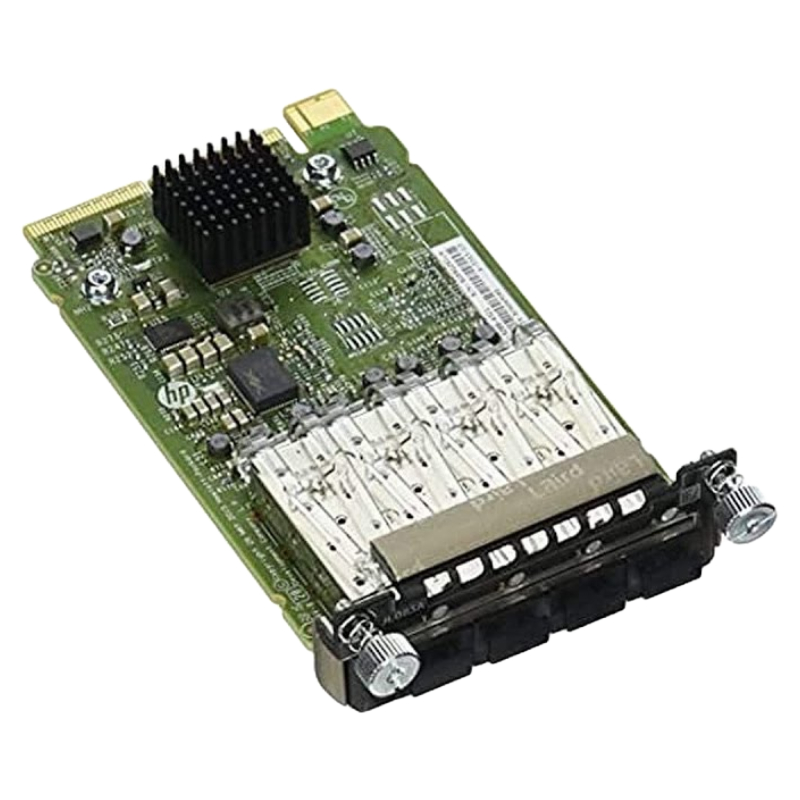


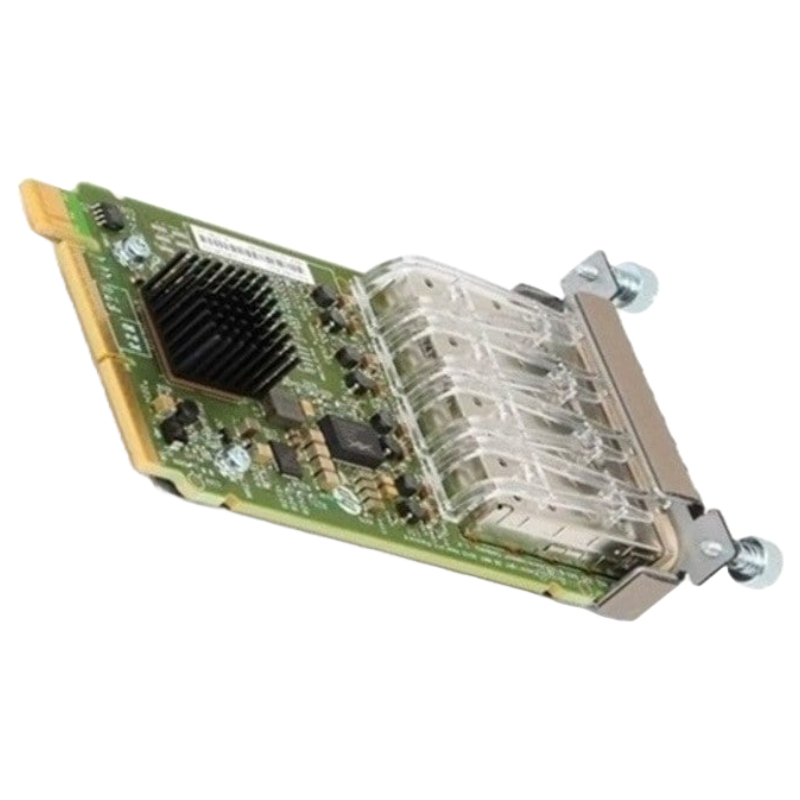
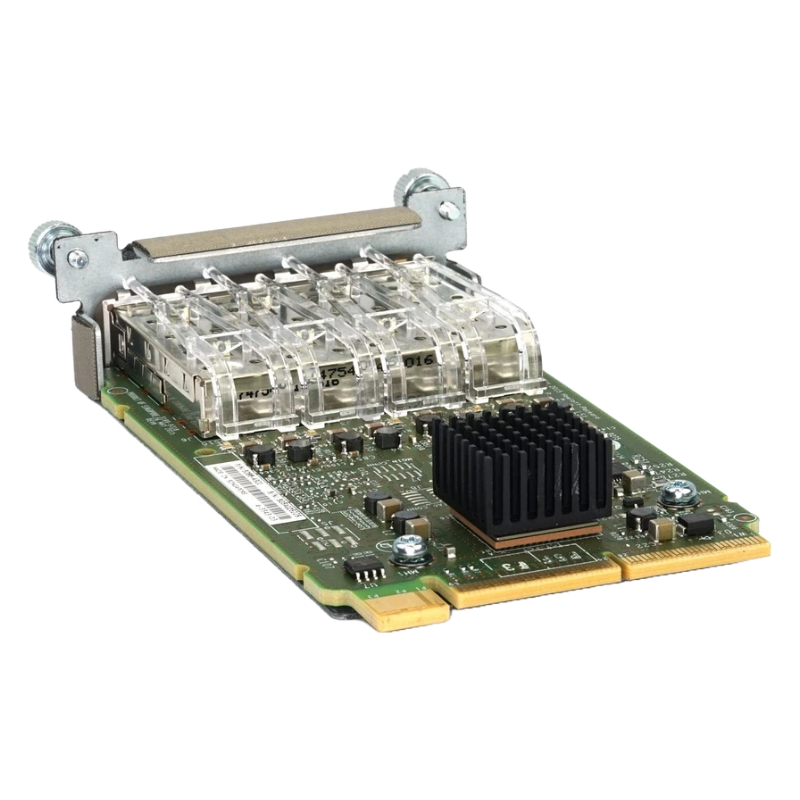
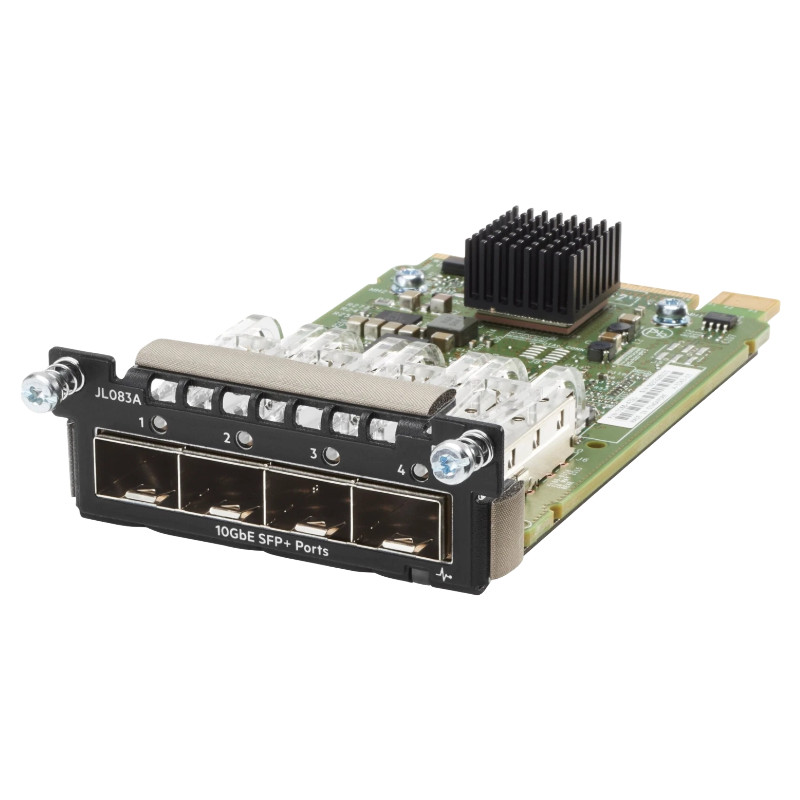
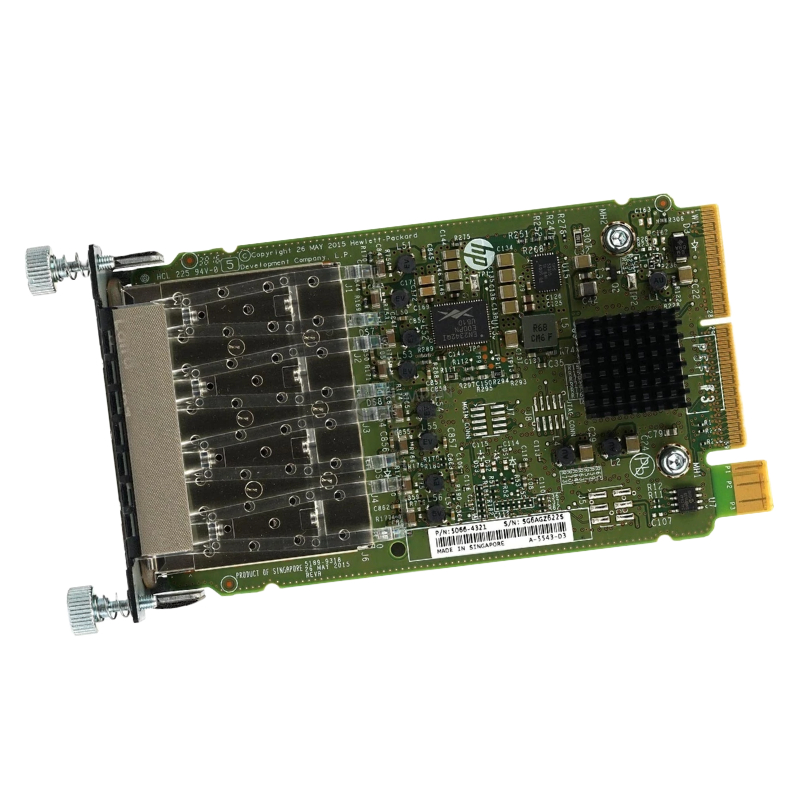
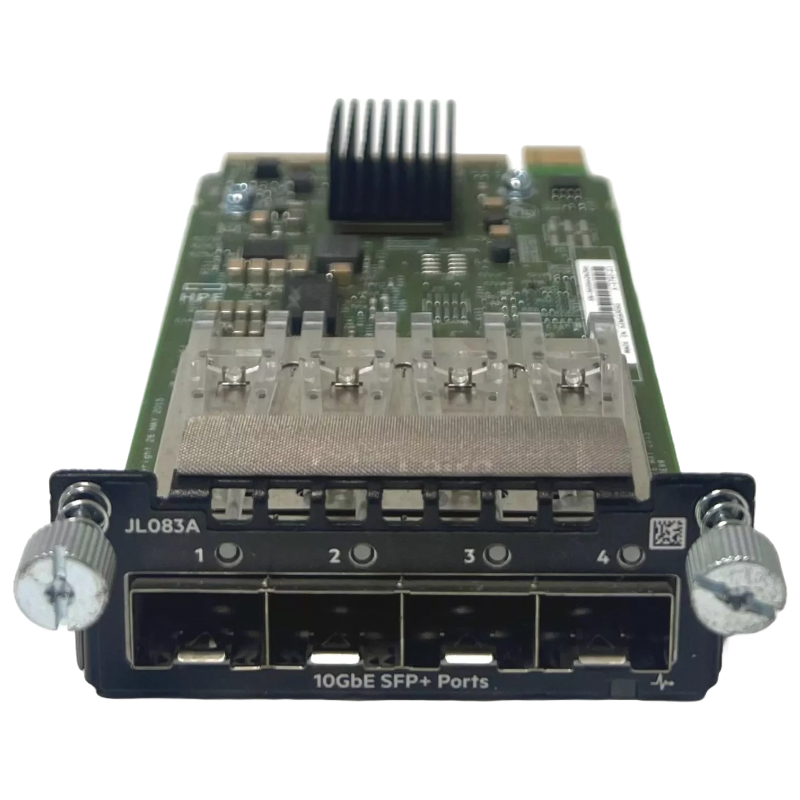
HPE JL084A Aruba 3810M 4-port Stacking Module. New Sealed with 1 year replacement warranty
The HPE JL084A Aruba 3810M Stacking Module enhances multi‑switch performance by supplying four dedicated high‑speed stack ports engineered for efficient inter‑switch communication. Designed to streamline unified management and strengthen bandwidth distribution, this plug‑in module integrates seamlessly with Aruba’s modular switching ecosystem, supporting resilient stacking architectures ideal for campus networks and enterprise environments requiring scalable, dependable connectivity.
The HPE JL084A Aruba 3810M 4-port stacking module is designed as a high-performance interconnect expansion component engineered for enterprise-grade switching environments. Built to extend the operational capabilities of the Aruba 3810M switch series, this module enables multiple switches to operate as a unified system, improving manageability, scalability, and resiliency across network infrastructures. Developed under the networking portfolio of the module reflects a focus on modular design principles and high-availability networking strategies that support modern digital workloads.
The stacking module integrates directly into the Aruba 3810M chassis, enabling inter-switch communication through dedicated high-speed stacking links. This architecture reduces dependency on traditional uplink aggregation methods and replaces them with a unified control plane, where multiple devices behave as a single logical switch. This improves operational efficiency and simplifies configuration tasks across large-scale deployments.
The JL084A stacking module features four dedicated ports designed for high-throughput stacking connectivity. These ports serve as interconnect channels that allow data synchronization and control signaling between multiple Aruba 3810M switches. By utilizing multiple ports simultaneously, the module enhances stacking bandwidth and provides redundancy paths to maintain stable communication even in the event of a link failure.
The physical design of the module emphasizes hot-swappable integration, allowing administrators to install or replace the component without fully shutting down the switch. This capability is critical in enterprise environments where downtime must be minimized. The module is engineered to align with Aruba’s modular chassis design philosophy, ensuring compatibility and operational consistency across supported switch models.
One of the defining features of the Aruba 3810M stacking system is the ability to form a single logical switch from multiple physical devices. Through the JL084A module, switches share a unified control plane that governs configuration management, routing decisions, and system monitoring. This eliminates the need to configure each switch independently, reducing administrative overhead and improving consistency.
The stacking ports provide a high-speed interconnect fabric that ensures rapid data exchange between switches. This fabric is optimized for low-latency communication, enabling efficient synchronization of forwarding tables and real-time network state information. The architecture is designed to maintain performance stability even under heavy traffic loads typical of enterprise campuses, data aggregation layers, and distributed network environments.
The stacking system supports intelligent load distribution across member switches. Traffic is dynamically balanced based on network utilization patterns, allowing the system to optimize throughput while preventing bottlenecks. This ensures that the full capacity of the stacked system is effectively utilized without requiring manual intervention.
In campus network deployments, the JL084A stacking module plays a critical role in consolidating multiple access layer switches into a single management domain. This allows IT teams to scale network capacity while maintaining simplified configuration and monitoring. The unified control plane ensures consistent policy enforcement across all connected switches.
At the data center edge, the stacking module enables high-density connectivity and improved redundancy. By stacking multiple Aruba 3810M switches, organizations can build resilient edge aggregation layers that support virtualization workloads, storage traffic, and application delivery services.
For branch office environments, the stacking capability reduces operational complexity by allowing multiple switches to be managed as a single entity. This is particularly beneficial in distributed organizations where IT staff may not be physically present at every location.
The JL084A module is engineered to support low-latency inter-switch communication. By minimizing processing delays between stacked units, it ensures that time-sensitive applications such as VoIP, video conferencing, and real-time analytics maintain consistent performance. The architecture is optimized for deterministic forwarding behavior across the stack.
Each stacking port contributes to the aggregate bandwidth of the system. By distributing traffic across multiple links, the module increases total available throughput and reduces the likelihood of congestion. This design supports high-volume data environments where sustained traffic flows are common.
Resource synchronization across stacked switches ensures consistent configuration states and operational alignment. Routing tables, MAC address tables, and VLAN configurations are continuously synchronized across all devices, ensuring a unified network behavior regardless of which physical switch handles a given traffic flow.
The four-port design provides built-in redundancy by allowing alternate communication paths between stacked devices. In the event of a link failure, traffic is automatically rerouted through available stacking connections without disrupting network services. This ensures continuous operation even under partial hardware failure conditions.
The stacking system distributes control responsibilities across multiple switches, ensuring that no single device becomes a critical point of failure. If a master switch becomes unavailable, another switch in the stack can assume control functions, maintaining network stability and operational continuity.
The modular design allows administrators to perform maintenance operations such as module replacement or switch upgrades without significant service interruption. This non-disruptive approach aligns with enterprise requirements for continuous availability and minimal downtime.
The JL084A stacking module is specifically designed for integration with the Aruba 3810M switch series. It fits seamlessly into the modular expansion slot, ensuring mechanical and electrical compatibility. The Aruba 3810M platform provides the necessary firmware and system support to fully utilize stacking capabilities.
The stacking module enables scalable system expansion by allowing additional switches to be added to the stack as network requirements grow. This modular approach eliminates the need for complete infrastructure redesigns, enabling incremental scaling aligned with business growth.
Within the broader Aruba networking ecosystem, the stacking module ensures consistent interoperability with other Aruba switching and management solutions. This includes centralized network management platforms and automation tools designed to streamline enterprise network operations.
By enabling multiple switches to operate as a single logical entity, the stacking module significantly simplifies configuration management. Administrators can apply configurations once, and changes propagate across all stack members automatically. This reduces configuration drift and enhances operational consistency.
Integrated monitoring capabilities allow network administrators to track performance metrics across the entire stack. This includes port utilization, traffic distribution, and system health indicators. Unified diagnostics simplify troubleshooting by providing a consolidated view of the network environment.
The stacking architecture supports automation frameworks commonly used in enterprise networking environments. This enables scripted configuration, automated provisioning, and integration with orchestration platforms that manage large-scale infrastructures.
The stacking module supports incremental network expansion without requiring architectural redesign. Additional switches can be added to the stack as capacity requirements increase, ensuring that infrastructure investments remain scalable and future-proof.
As network traffic demands increase due to cloud adoption, IoT devices, and high-bandwidth applications, the stacking system provides a scalable foundation that adapts to evolving requirements. The distributed architecture ensures that performance remains stable even under increasing load conditions.
Organizations can incorporate stacking modules into long-term infrastructure strategies, enabling predictable scaling paths and reducing the complexity of future upgrades. This aligns with enterprise goals of maintaining efficient, cost-effective, and resilient network architectures.
The JL084A module is built on fault-tolerant design principles that prioritize continuous operation. Redundant stacking links, distributed control functions, and resilient hardware integration collectively ensure that the network remains operational even in adverse conditions.
Designed for enterprise data centers and wiring closets, the module maintains operational stability under varying environmental conditions. Its robust construction supports consistent performance in environments with high network density and continuous operational demands.
Lifecycle management is simplified through modular replacement capabilities and standardized hardware design. This reduces maintenance complexity and allows organizations to manage infrastructure upgrades more efficiently over time.
The HPE JL084A Aruba 3810M 4-port stacking module represents a critical component in modern network infrastructure strategies. By enabling modular scalability, high availability, and unified management, it supports the transition from traditional segmented networks to fully integrated switching ecosystems. Its role extends beyond simple hardware expansion, functioning as a foundational element in building resilient, high-performance enterprise networks.
Within complex IT environments, the stacking module contributes to operational efficiency by reducing configuration overhead and improving network consistency. Its architecture supports evolving enterprise needs, including cloud integration, virtualization, and high-speed data processing requirements.


 Contact Us
 Information
 Catalog
 Solid State Drives (SSD)
 Network Switches
 Hard Disk Drives
 HBA & Controllers
 PC & Servers
 PC & Server Memory
 CPU & Processors
 Network Routers
 Power Supplies
 Tape Drives & Libraries
 Network Devices
 Computer & Network Cables