(7% discount is applied at checkout)
Cart is empty
Your go-to destination for cutting-edge server products


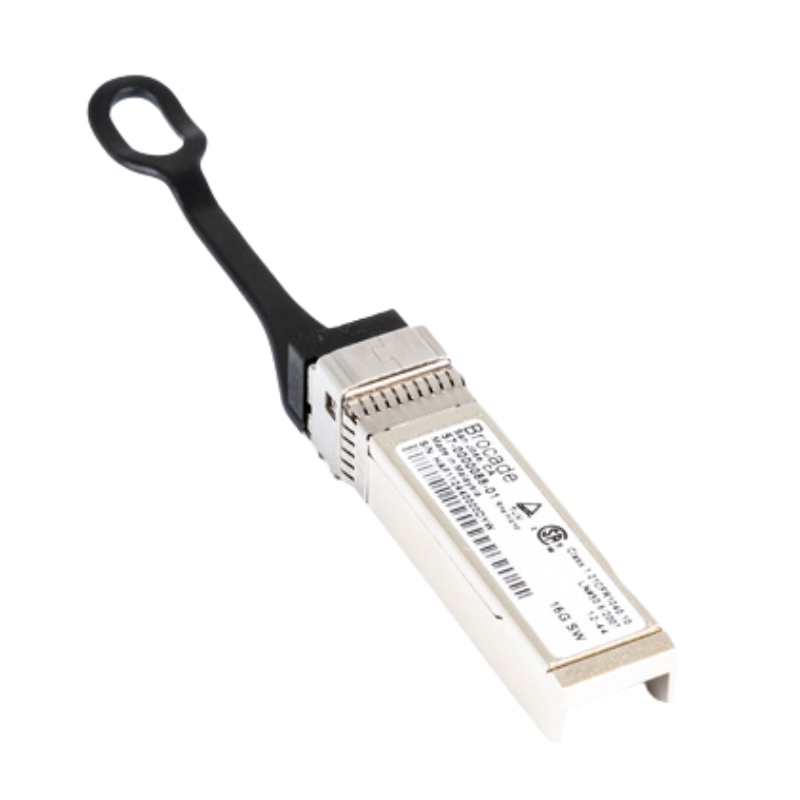
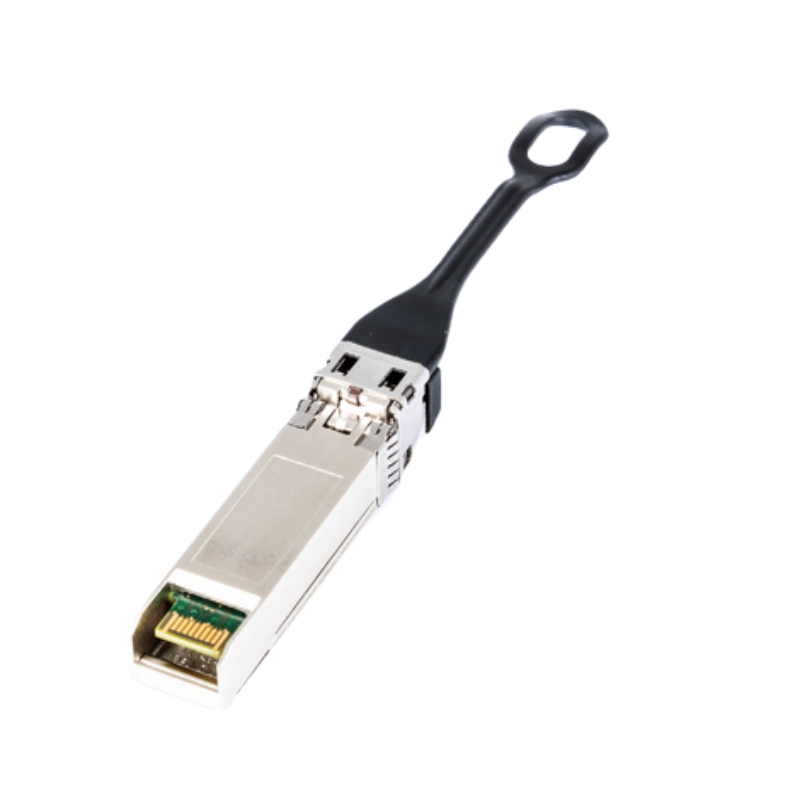
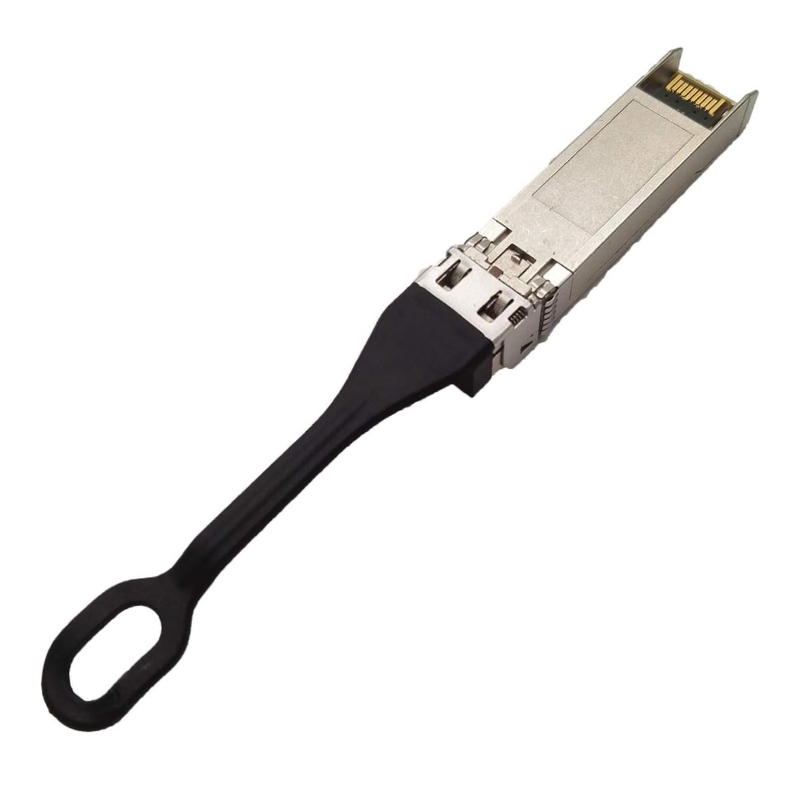
Brocade 57-0000088-01 16GBPS 16Gbase-Shortwave 850NM Duplex LC SFP+ Transceiver Module. Excellent Refurbished with 1 year replacement warranty
| SKU/MPN | Warranty | Price | Condition | You save |
|---|---|---|---|---|
| 57-0000088-01 | 1 Year Warranty | $70.00 | New Sealed in Box (NIB) | You save: $24.50 (26%) |
| 57-0000088-01 | 1 Year Warranty | $49.00 | Excellent Refurbished | You save: $17.15 (26%) |
The Brocade 57-0000088-01 16Gbps SFP+ optical transceiver is engineered to deliver reliable, high-bandwidth data transfer over multimode fiber infrastructure. Designed for enterprise-grade switching environments, this compact module supports 16GBASE-SR shortwave communication, ensuring stable and low-latency connectivity across storage area networks (SANs) and high-performance computing systems.
The Brocade 57-0000088-01 16GBase-SWL multi-mode fiber SFP+ transceiver represents a highly specialized segment of high-speed optical networking hardware designed for enterprise storage area networks (SANs) and mission-critical data center infrastructures. This category of SFP+ transceivers is engineered to support 16 Gigabit Fibre Channel (16G FC) connectivity, enabling rapid, low-latency, and highly reliable data transmission between storage arrays, switches, and host bus adapters in dense computing environments. The 16GBase-SWL classification indicates a Short Wavelength Laser (SWL) optimized for multi-mode fiber (MMF), typically operating at 850nm wavelength, which ensures efficient short-reach communication across data center racks and adjacent equipment rows.
In modern IT ecosystems, the demand for higher bandwidth, lower latency, and scalable storage networking continues to increase exponentially. The Brocade 57-0000088-01 module addresses these demands by providing stable optical performance for Fibre Channel networks operating at 16Gbps per channel. This category is essential for organizations that rely on continuous data replication, virtualization workloads, high-performance computing clusters, and enterprise storage consolidation strategies.
The 16GBase-SWL SFP+ transceiver functions through a compact, hot-pluggable design that converts electrical signals into optical signals and vice versa. It utilizes vertical-cavity surface-emitting laser (VCSEL) technology, which is optimized for multi-mode fiber transmission. This mechanism ensures consistent signal integrity even under heavy data loads, making it suitable for environments where continuous data streaming is essential.
The transceiver is designed to maintain strict compliance with Fibre Channel standards, ensuring interoperability with Brocade switching platforms and other industry-compliant SAN hardware. The electrical interface conforms to SFP+ Multi-Source Agreement (MSA) specifications, which guarantees compatibility across a wide range of enterprise networking devices.
Multi-mode fiber support is a defining characteristic of this category. The 16GBase-SWL standard is optimized for short-range connectivity typically up to 100 meters depending on fiber grade, such as OM3 or OM4 cabling. The larger core diameter of multi-mode fiber allows multiple light paths to propagate simultaneously, making it ideal for intra-data center communication where cost-effective, high-density cabling is required.
The use of 850nm wavelength lasers ensures reduced attenuation and minimal dispersion over short distances, which is critical in maintaining signal fidelity and reducing retransmission overhead in high-speed storage networks.
The Brocade 57-0000088-01 belongs to the SFP+ form factor category, which is widely adopted in enterprise networking due to its compact size and high port density capabilities. This allows network architects to maximize switch port utilization without compromising thermal performance or signal integrity. The hot-swappable nature of the module ensures minimal downtime during upgrades or replacements, supporting continuous network availability in mission-critical environments.
The physical design integrates advanced thermal dissipation mechanisms that allow the module to operate efficiently under sustained workloads. This ensures consistent performance in high-density switch environments where multiple transceivers operate simultaneously.
Signal integrity is a critical factor in Fibre Channel environments, and this transceiver category incorporates advanced signal conditioning techniques to minimize bit error rates. Adaptive equalization and pre-emphasis techniques are used to compensate for signal degradation over fiber distances, ensuring stable throughput even under fluctuating environmental conditions.
The module is engineered to maintain deterministic latency, which is essential for storage applications such as real-time database replication, virtualization storage migration, and enterprise backup systems.
The primary deployment environment for the Brocade 57-0000088-01 16GBase-SWL transceiver is within storage area networks that require high-speed Fibre Channel connectivity. SAN architectures rely on dedicated network fabrics to connect servers to centralized storage arrays, ensuring high availability and rapid data access. This transceiver category plays a crucial role in enabling low-latency communication between storage controllers and compute nodes.
In SAN environments, the demand for predictable performance is paramount. The 16Gbps bandwidth ensures that large-scale data transfers, such as virtual machine migrations or database synchronization, occur efficiently without bottlenecks.
Cloud service providers and enterprise virtualization platforms utilize 16GBase-SWL transceivers to maintain high-speed backend communication between storage and compute clusters. Virtualized environments often require dynamic resource allocation, and the ability to rapidly access shared storage resources is essential for maintaining workload performance.
The Brocade 57-0000088-01 module supports these requirements by delivering consistent optical performance across multi-mode fiber links, ensuring that hyper-converged infrastructure (HCI) systems operate without latency spikes or throughput degradation.
High-performance computing environments rely on tightly coupled compute nodes that exchange large volumes of data at extremely high speeds. The 16GBase-SWL SFP+ transceiver category supports these workloads by providing reliable, low-latency interconnectivity between storage and compute nodes, enabling scientific simulations, financial modeling, and big data analytics applications.
Operating at a native data rate of 16Gbps, this transceiver category is designed to handle high-bandwidth workloads with minimal overhead. The full-duplex communication capability ensures simultaneous transmission and reception of data streams, effectively doubling the operational efficiency in bidirectional data transfer scenarios.
The encoding scheme used in 16G Fibre Channel technology enhances data reliability while maintaining high throughput efficiency, making it suitable for latency-sensitive applications.
The 16GBase-SWL standard is optimized for short-range transmission using multi-mode fiber types such as OM3 and OM4. These fiber types provide varying levels of reach and bandwidth capacity, with OM4 supporting extended distances compared to OM3 due to improved modal bandwidth characteristics.
This category is particularly suited for intra-rack and inter-rack connections within data centers, where physical distances typically remain within optimal performance thresholds for multi-mode optical transmission.
Energy efficiency is a key consideration in data center design, and the Brocade 57-0000088-01 transceiver is engineered for low power consumption while maintaining high performance. The compact design reduces thermal output, enabling higher port density configurations without excessive cooling requirements.
Efficient power usage contributes to reduced operational costs and improved sustainability metrics in large-scale enterprise deployments.
This transceiver category is specifically designed for integration with Brocade switching infrastructure, ensuring optimal performance and interoperability. Brocade SAN switches are widely used in enterprise environments due to their reliability, scalability, and advanced fabric management capabilities.
The 57-0000088-01 module integrates seamlessly into these environments, supporting plug-and-play installation and automatic configuration recognition by compatible hardware platforms.
In Fibre Channel fabrics, maintaining consistent performance across all nodes is essential for network stability. The transceiver contributes to fabric optimization by ensuring uniform signal quality and consistent throughput across all connected endpoints.
This stability is particularly important in multi-switch fabrics where data paths are dynamically managed to balance load and ensure redundancy.
Effective deployment of 16GBase-SWL transceivers requires careful planning of multi-mode fiber infrastructure. Proper selection of OM3 or OM4 cabling ensures that distance limitations and bandwidth requirements are adequately met. Cable management strategies also play a crucial role in maintaining signal integrity and reducing physical layer disruptions.
Structured cabling design enhances scalability and simplifies future upgrades, enabling organizations to expand their storage networks without major infrastructure overhauls.
The compact nature of SFP+ modules allows for high-density switch configurations, enabling data centers to scale their networking capacity efficiently. This scalability is essential in environments where storage demand grows rapidly and network expansion must be performed with minimal disruption.
The Brocade 57-0000088-01 supports such scalability by enabling consistent performance across large-scale deployments with multiple interconnected switches and storage arrays.
While 16G Fibre Channel remains a widely deployed standard, many enterprise environments are planning gradual transitions toward higher-speed architectures. The modular nature of SFP+ transceivers allows for incremental upgrades without requiring complete infrastructure replacement.
This ensures that investments in existing fiber infrastructure remain valuable while enabling future scalability as data demands increase.
Hybrid storage environments that combine on-premises infrastructure with cloud-based systems continue to rely on stable Fibre Channel connectivity for core operations. The 16GBase-SWL transceiver category supports these hybrid architectures by ensuring reliable performance within the physical data center layer.
This ensures that critical workloads maintain consistent access to storage resources regardless of external cloud integration strategies.


 Contact Us
 Information
 Catalog
 Solid State Drives (SSD)
 Network Switches
 Hard Disk Drives
 HBA & Controllers
 PC & Servers
 PC & Server Memory
 CPU & Processors
 Network Routers
 Power Supplies
 Tape Drives & Libraries
 Network Devices
 Computer & Network Cables