(7% discount is applied at checkout)
Cart is empty
Your go-to destination for cutting-edge server products
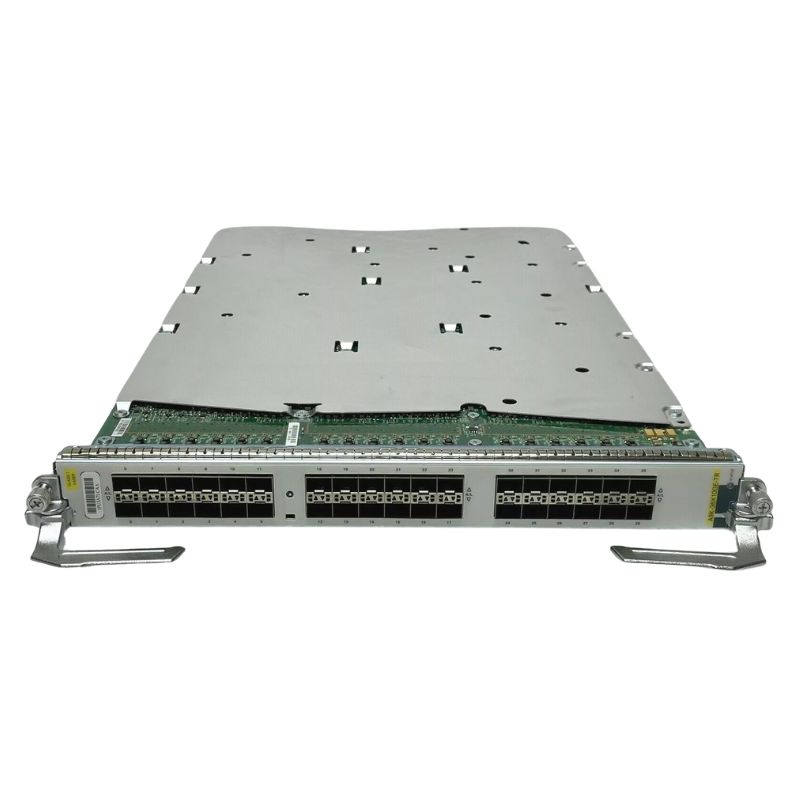


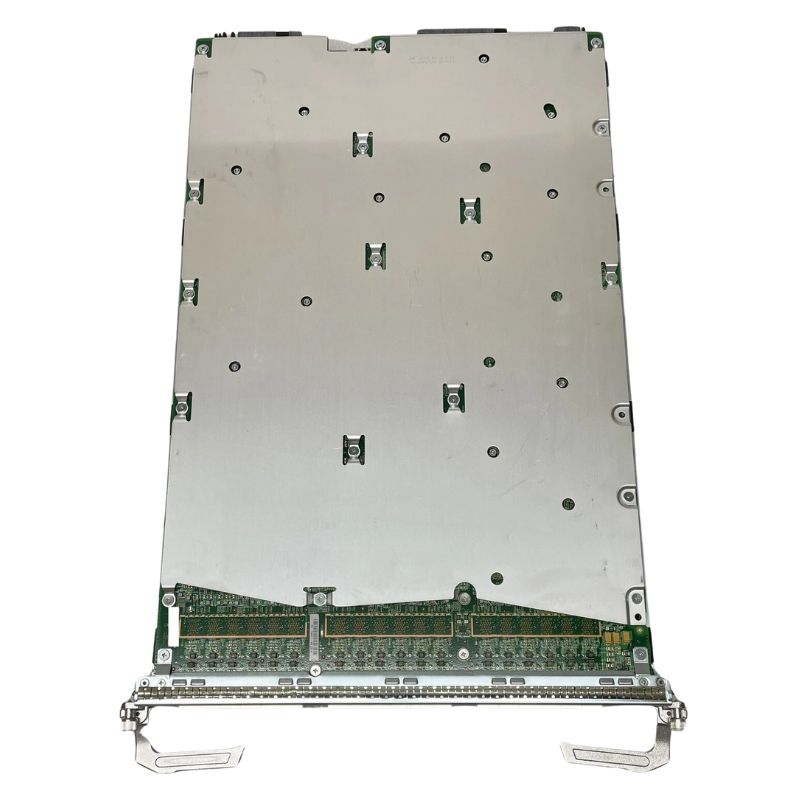
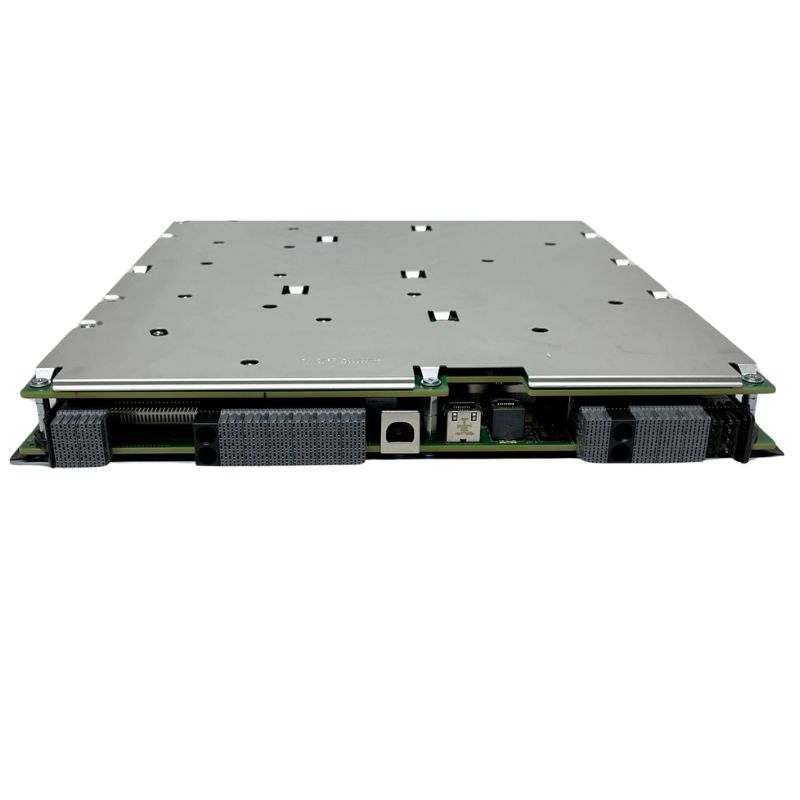
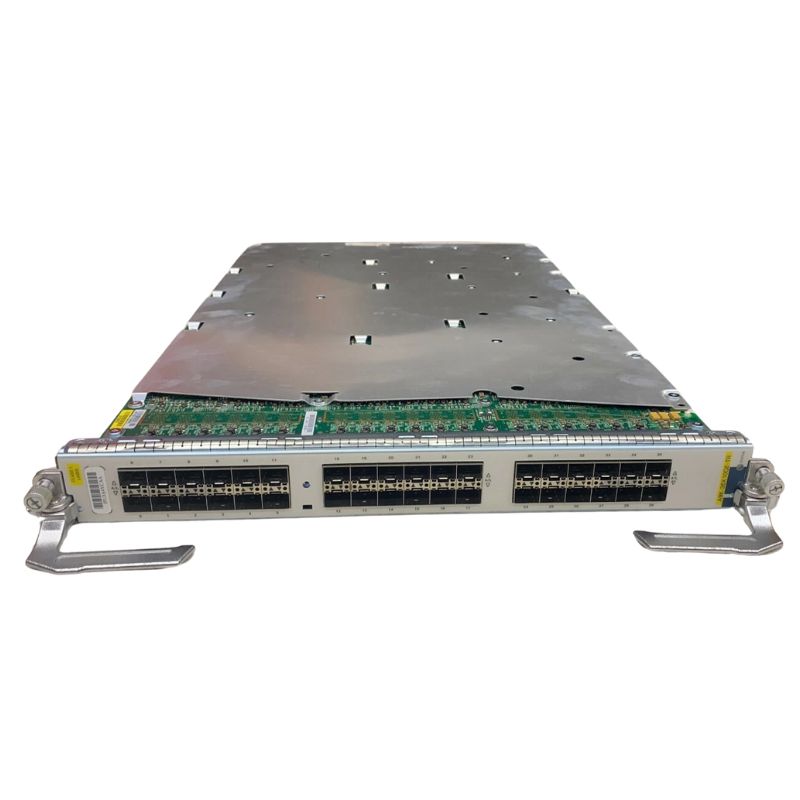
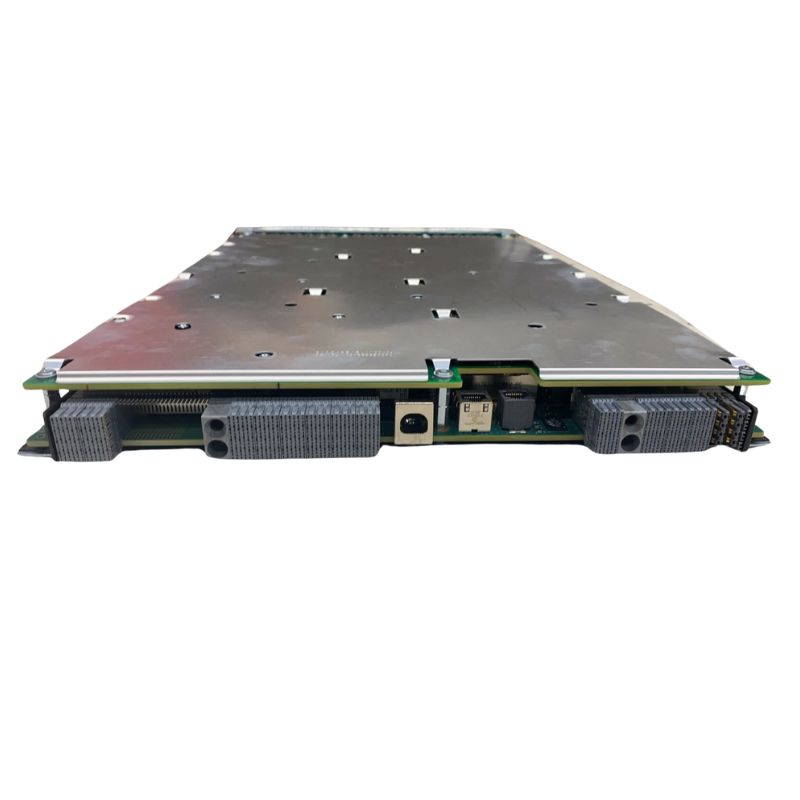
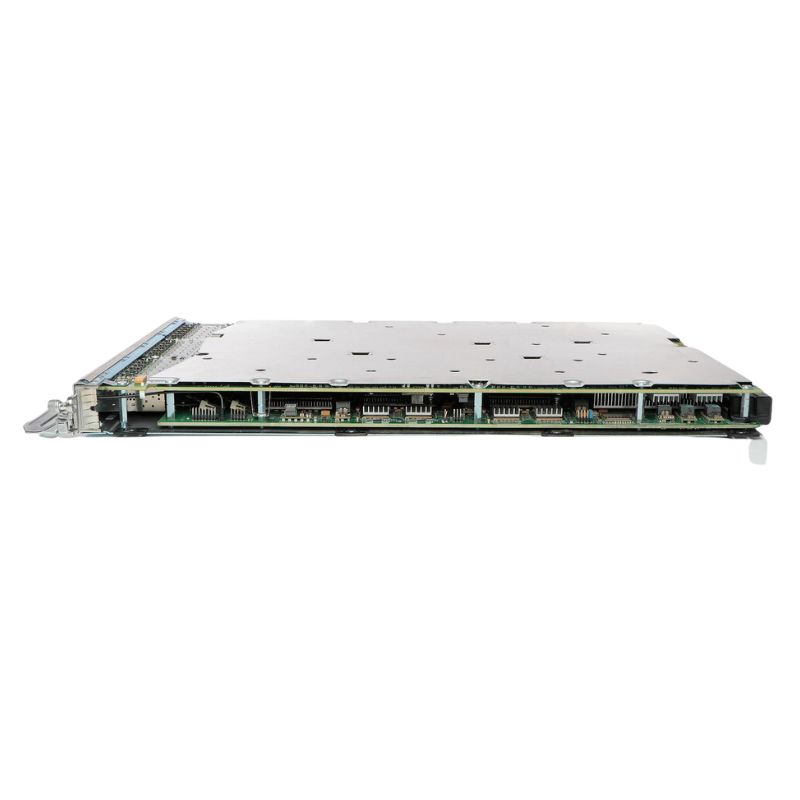
Cisco A9K-36X10GE-TR ASR 9000 36 Ports Service Module. Factory-Sealed New in Original Box (FSB) with 1 year replacement warranty
| SKU/MPN | Warranty | Price | Condition | You save |
|---|---|---|---|---|
| A9K-36X10GE-TR | 1 Year Warranty | $2,328.00 | Factory-Sealed New in Original Box (FSB) | You save: $814.80 (26%) |
| A9K-36X10GE-TR | 1 Year Warranty | $594.00 | Excellent Refurbished | You save: $207.90 (26%) |
Cisco A9K-36X10GE-TR is a high-density transport-optimized line card engineered for the Cisco ASR 9000 platform, delivering 36 ports of 10 Gigabit Ethernet connectivity. It is designed to support modern carrier-grade networks where speed, stability, and scalable bandwidth are critical. This module enhances backbone efficiency by enabling reliable high-throughput data movement across complex service provider and enterprise infrastructures, ensuring smooth packet transport even under heavy traffic loads.
The Cisco A9K-36X10GE-TR 36 Ports Transport Optimized Line Card is a high-performance networking component designed for carrier-grade routing platforms, primarily used in large-scale service provider environments, metro aggregation networks, and high-capacity backbone infrastructures. It delivers dense 10 Gigabit Ethernet connectivity with advanced transport optimization capabilities, enabling efficient packet forwarding, enhanced traffic handling, and scalable network expansion for modern IP/MPLS architectures.
This line card is engineered to support demanding network environments where reliability, throughput, and deterministic performance are essential. It integrates tightly with modular chassis systems, allowing operators to deploy flexible configurations while maintaining consistent service quality across all ports.
The architecture of the Cisco A9K-36X10GE-TR line card is built around a highly optimized forwarding engine that ensures low-latency packet processing and high throughput. The design focuses on separating control plane functions from data plane processing, allowing traffic forwarding to remain unaffected by control plane events.
The hardware integrates multiple ASICs (Application-Specific Integrated Circuits) responsible for deep packet inspection, forwarding decisions, and traffic classification. These ASICs are optimized for deterministic performance, ensuring consistent packet handling even under heavy load conditions.
Memory architecture plays a critical role in buffering, routing table storage, and queue management. High-speed memory modules support large routing tables required for modern service provider networks, including IPv4 and IPv6 routing scalability.
The Cisco A9K-36X10GE-TR line card provides 36 independent 10 Gigabit Ethernet interfaces. Each port is designed to support high-bandwidth traffic flows, enabling dense connectivity within aggregation and core network layers.
These ports support optical connectivity through standardized transceivers, allowing flexibility in deployment across different fiber infrastructure types. The modular nature of port configuration enables network operators to scale bandwidth incrementally without redesigning the network architecture.
Each port is engineered to maintain consistent performance under varying traffic loads, ensuring minimal packet loss and stable throughput across all active interfaces.
The forwarding architecture of the Cisco A9K-36X10GE-TR line card is built for high-speed packet processing with minimal latency. Hardware-based forwarding eliminates bottlenecks commonly associated with software-based routing.
Packets are processed through dedicated pipelines that handle classification, forwarding lookup, and queue assignment in a streamlined manner. This ensures consistent forwarding performance even under peak traffic conditions.
The line card supports high packet-per-second processing rates, making it suitable for environments with mixed traffic types, including voice, video, and data applications.
Quality of Service mechanisms are deeply integrated into the line card architecture. These mechanisms allow operators to define traffic prioritization policies based on application type, service class, or network segment.
Advanced queuing strategies ensure that latency-sensitive traffic such as voice and real-time video is prioritized over less critical data flows. Traffic shaping and policing functions help maintain predictable network behavior.
The system also supports hierarchical QoS structures, enabling granular control over bandwidth allocation across multiple service tiers.
The Cisco A9K-36X10GE-TR line card is designed for scalable deployment in large network environments. Its high port density allows operators to maximize chassis utilization while minimizing physical footprint.
Scalability is achieved through modular expansion, enabling network operators to add capacity without disrupting existing services. This is essential for evolving network demands where traffic growth is continuous and unpredictable.
The line card integrates seamlessly into distributed network architectures, supporting both edge and core deployments depending on configuration requirements.
Multiprotocol Label Switching (MPLS) is a core functionality supported by this line card. It enables efficient traffic engineering by directing packets based on labels rather than traditional IP routing lookups.
This capability enhances routing efficiency and reduces latency across large-scale networks. It also supports virtual private network services, enabling secure and isolated traffic flows across shared infrastructure.
Advanced routing protocols such as IS-IS, OSPF, and BGP are supported, allowing seamless integration into complex network topologies.
The Cisco A9K-36X10GE-TR line card is built for carrier-grade reliability, ensuring continuous operation in mission-critical environments. Redundancy features help maintain service availability even in the event of hardware or software failures.
Fault detection mechanisms continuously monitor system health, enabling rapid response to anomalies. This reduces downtime and ensures consistent service delivery.
The design includes hot-swappable capabilities, allowing maintenance or upgrades without interrupting network operations.
The Cisco A9K-36X10GE-TR line card is widely used in various high-performance networking scenarios. In service provider backbone networks, it acts as a core aggregation component, handling massive traffic volumes between regional nodes.
In metro Ethernet deployments, it enables high-speed connectivity between access networks and core infrastructure. Its high port density supports efficient aggregation of multiple customer connections.
It is also used in data center interconnect environments where high-bandwidth, low-latency communication is required between geographically distributed facilities.
Virtualization support enables the creation of logical network segments over physical infrastructure. This allows multiple services to coexist on the same hardware while maintaining isolation and performance guarantees.
Network slicing capabilities help allocate resources dynamically based on service demand, improving utilization efficiency across the entire network.
This flexibility is essential for modern networks that support diverse applications with varying performance requirements.


 Contact Us
 Information
 Catalog
 Solid State Drives (SSD)
 Network Switches
 Hard Disk Drives
 HBA & Controllers
 PC & Servers
 PC & Server Memory
 CPU & Processors
 Network Routers
 Power Supplies
 Tape Drives & Libraries
 Network Devices
 Computer & Network Cables