(7% discount is applied at checkout)
Cart is empty
Your go-to destination for cutting-edge server products
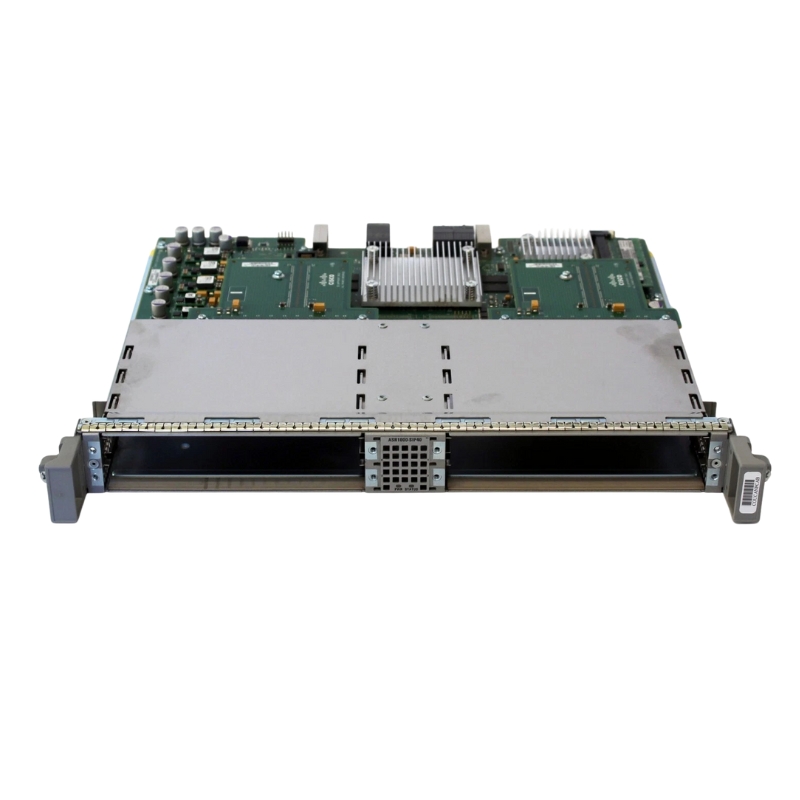


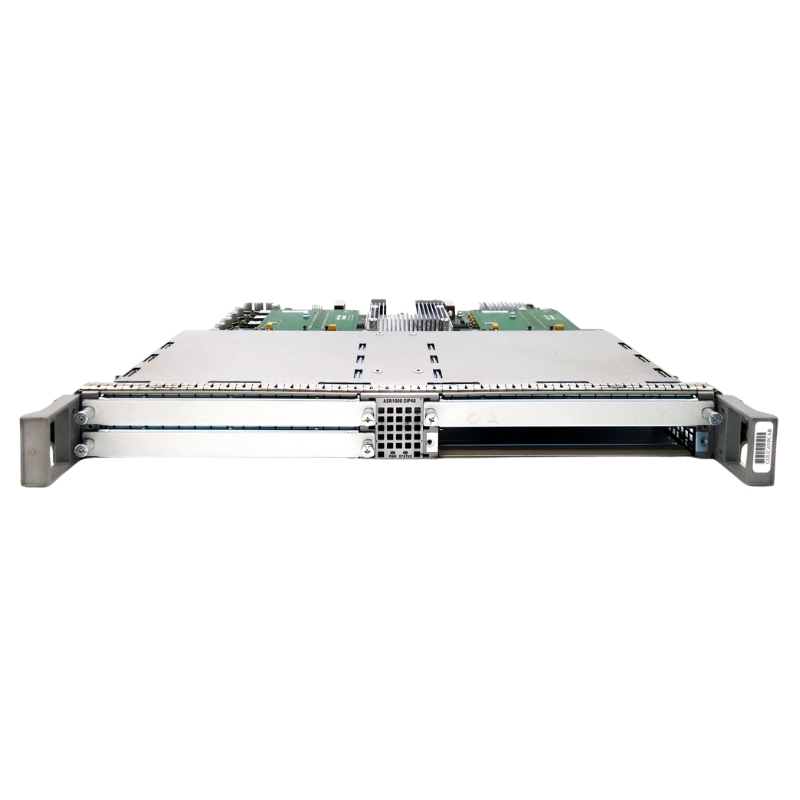
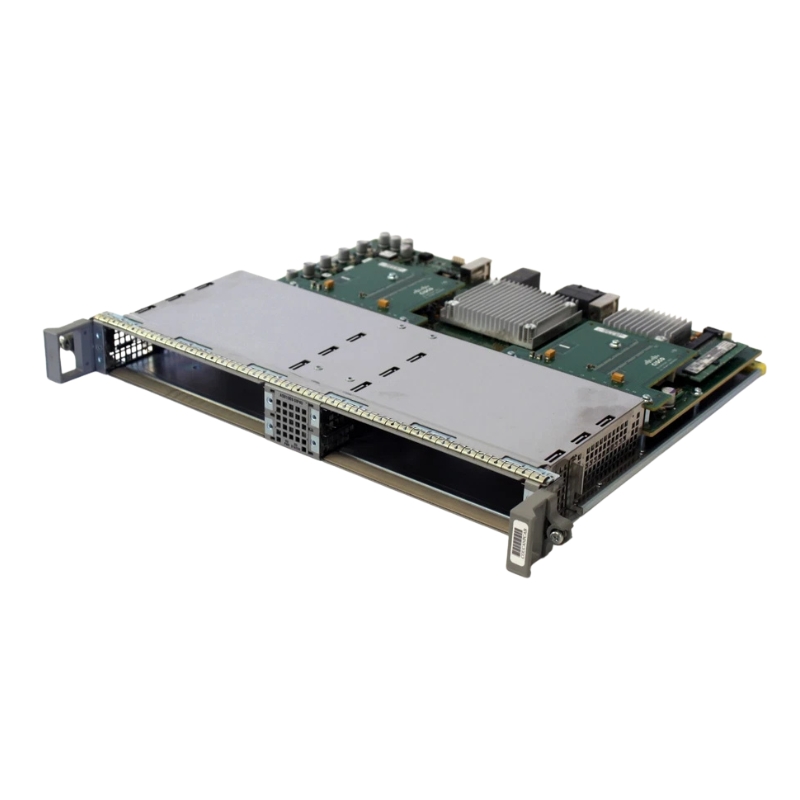
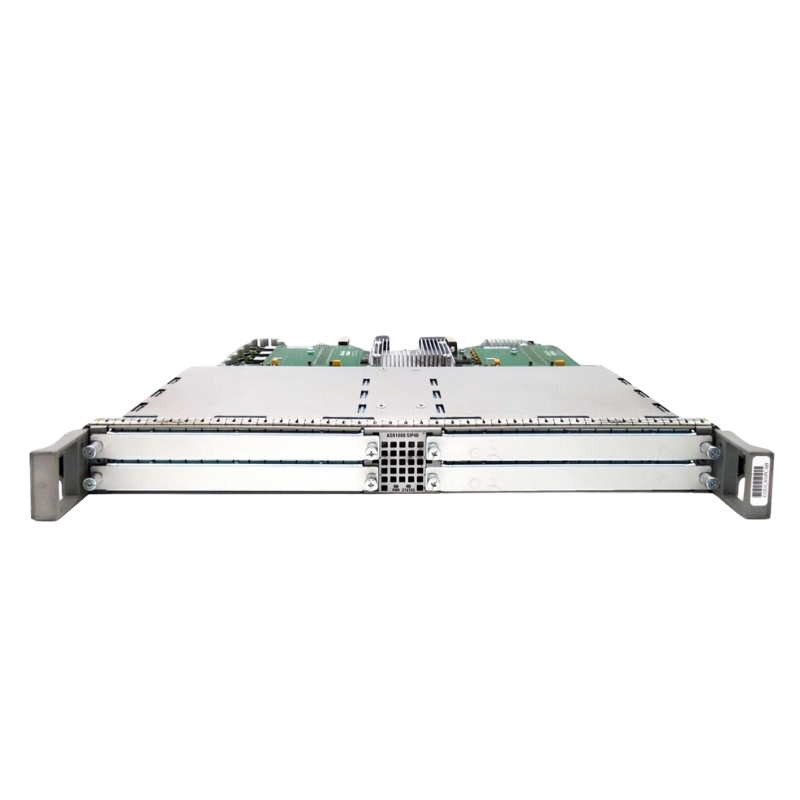
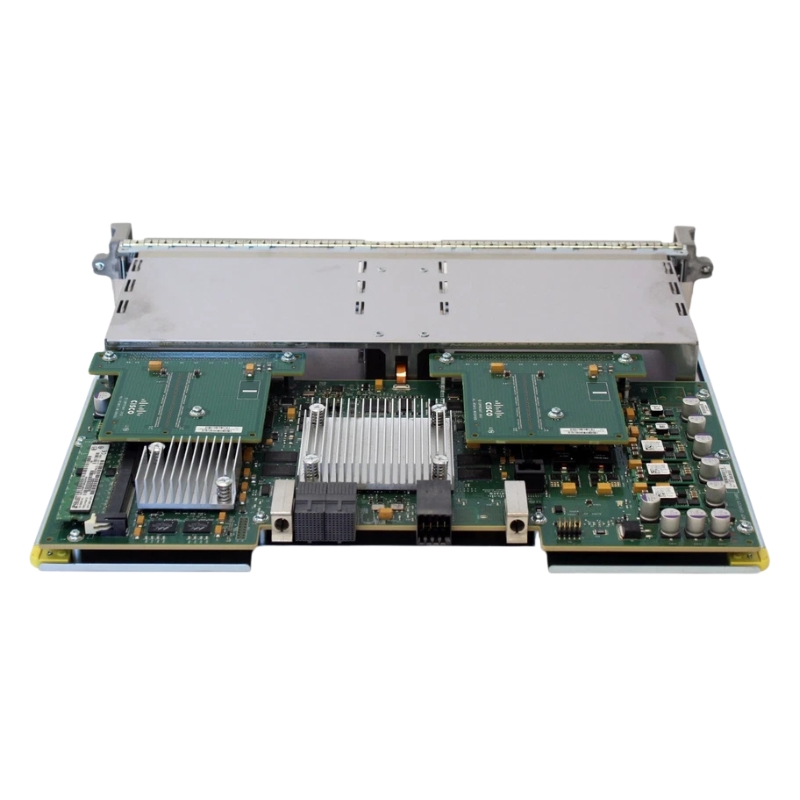
Cisco ASR1000-SIP40 ASR 40GB Expansion Module. Factory-Sealed New in Original Box (FSB) with 1 year replacement warranty
| SKU/MPN | Warranty | Price | Condition | You save |
|---|---|---|---|---|
| ASR1000-SIP40 | 1 Year Warranty | $163.00 | Excellent Refurbished | You save: $57.05 (26%) |
| ASR1000-SIP40 | 1 Year Warranty | $2,760.00 | Factory-Sealed New in Original Box (FSB) | You save: $966.00 (26%) |
The Cisco ASR1000-SIP40 is a high-performance 40Gbps expansion module engineered for Cisco ASR 1000 Series Aggregation Services Routers. Designed as a plug-in network expansion module, it enhances interface scalability, increases service capacity, and supports demanding enterprise and service provider environments. This module enables organizations to expand network infrastructure efficiently while maintaining reliable routing, advanced traffic management, and high-speed data transmission capabilities. Its robust architecture helps optimize bandwidth utilization, improve network flexibility, and support evolving business connectivity requirements.
The Cisco ASR1000-SIP40 ASR 40GB Expansion Module is designed for deployment within enterprise, service provider, cloud, and large-scale network infrastructures that require dependable packet processing, scalable connectivity, and consistent forwarding performance. Built to complement Cisco ASR 1000 Series routing environments, this expansion module supports demanding networking scenarios where high bandwidth availability and sustained throughput are critical operational requirements. Organizations implementing advanced routing architectures frequently depend on modular hardware platforms that can adapt to changing traffic patterns while maintaining operational stability. The Cisco ASR1000-SIP40 category represents a specialized class of expansion technology intended to strengthen network flexibility and increase interface scalability.
Modern routing environments must accommodate extensive data flows generated by cloud applications, unified communications platforms, virtualization frameworks, business-critical databases, and geographically distributed users. Expansion modules play an important role in extending platform functionality without requiring complete hardware replacement. The Cisco ASR1000-SIP40 enables network architects to enhance routing capacity while preserving existing infrastructure investments. This capability contributes to improved operational efficiency and facilitates long-term infrastructure planning.
Network operators increasingly encounter requirements for larger traffic volumes, lower latency expectations, and continuous service availability. The Cisco ASR1000-SIP40 category addresses these demands by supporting environments where bandwidth growth is a predictable and ongoing requirement. Routing platforms equipped with suitable expansion modules can accommodate increased traffic loads while preserving performance consistency. This characteristic is particularly valuable in organizations undergoing digital transformation initiatives, cloud migration projects, and large-scale application modernization efforts.
Traffic patterns within enterprise and service provider environments continue to evolve. Video collaboration, real-time analytics, artificial intelligence workloads, and large-scale data synchronization operations contribute to growing bandwidth demands. Expansion technologies that enhance platform scalability become essential components of network planning strategies. The Cisco ASR1000-SIP40 category is frequently associated with environments where network growth requires modular expansion rather than complete infrastructure replacement.
Scalability remains one of the most significant considerations in modern network architecture. Organizations must deploy infrastructure capable of supporting future growth without introducing excessive complexity or operational disruption. The Cisco ASR1000-SIP40 category supports scalable network design by enabling additional connectivity and processing resources within compatible routing platforms. This modular approach helps organizations expand capabilities incrementally according to evolving business requirements.
Incremental expansion offers financial and operational advantages. Instead of replacing an entire routing platform, administrators can deploy expansion modules that extend existing investments. This strategy reduces migration risk while enabling predictable infrastructure development. Many enterprises adopt modular growth models because they align technology spending with business expansion timelines.
Effective capacity planning requires a balance between current operational needs and anticipated future demand. Expansion modules contribute to this objective by providing additional resources when traffic growth reaches predefined thresholds. The Cisco ASR1000-SIP40 category supports planning methodologies focused on maintaining performance headroom, reducing congestion risk, and ensuring service continuity during periods of increased utilization.
Capacity planning also involves evaluating application growth, user expansion, branch office connectivity requirements, and cloud integration initiatives. Expansion technologies simplify this process by enabling network teams to respond efficiently to changing demands. As organizations adopt increasingly data-intensive applications, scalable infrastructure components become essential for maintaining operational effectiveness.
Traffic management efficiency is fundamental to successful routing operations. High-performance expansion modules contribute to packet forwarding effectiveness by supporting demanding traffic workloads across diverse network environments. The Cisco ASR1000-SIP40 category is associated with routing infrastructures that prioritize throughput consistency, reliable packet delivery, and predictable network behavior.
Efficient traffic handling benefits organizations operating mission-critical applications. Business systems, cloud services, collaboration platforms, and customer-facing applications all depend on stable network performance. Expansion technologies that strengthen platform capabilities help ensure that routing environments can support these applications without compromising responsiveness.
Contemporary network environments frequently incorporate application-aware policies designed to optimize resource allocation. Expansion modules contribute to these architectures by providing the underlying platform capacity necessary to support sophisticated traffic management strategies. Organizations implementing quality-of-service frameworks, prioritization policies, and application optimization initiatives benefit from infrastructure capable of handling complex routing decisions at scale.
Large campus environments generate substantial network traffic due to extensive user populations, connected devices, wireless deployments, and application ecosystems. The Cisco ASR1000-SIP40 category is relevant within campus architectures that require scalable routing capabilities and consistent performance. Expansion modules provide a practical mechanism for enhancing platform capacity while maintaining centralized network management strategies.
Educational institutions, healthcare systems, government organizations, and multinational enterprises frequently operate campus networks characterized by diverse traffic patterns. Routing infrastructure must support administrative operations, user access requirements, collaboration tools, security controls, and cloud connectivity. Expansion modules contribute to maintaining service quality across these demanding environments.
Many organizations maintain geographically distributed operations consisting of branch offices, regional facilities, remote workers, and centralized data resources. Routing platforms deployed within these environments must provide dependable connectivity while accommodating varying traffic demands. The Cisco ASR1000-SIP40 category supports architectures that emphasize connectivity consistency, scalability, and operational efficiency across distributed infrastructures.
Distributed enterprises often rely on secure communication channels, centralized application delivery, and cloud-based services. Expansion technologies support the continued evolution of these environments by enabling routing platforms to adapt to changing connectivity requirements. This flexibility helps organizations maintain operational continuity while pursuing growth objectives.
Service providers face unique challenges related to subscriber growth, traffic variability, and service quality expectations. Expansion modules can support infrastructure strategies focused on maintaining throughput consistency while accommodating increasing user demand. The Cisco ASR1000-SIP40 category is frequently associated with network environments that require scalable connectivity and efficient traffic management capabilities.
Subscriber traffic patterns are influenced by streaming services, cloud applications, mobile connectivity, and digital collaboration platforms. Routing infrastructure must adapt continuously to these changing demands. Expansion technologies help service providers implement growth strategies without introducing unnecessary operational complexity.
Regional aggregation environments require routing platforms capable of consolidating traffic from multiple locations and forwarding it efficiently across core network resources. Expansion modules contribute to these architectures by providing additional connectivity capacity and supporting infrastructure scalability objectives. Organizations implementing regional aggregation strategies often prioritize reliability, flexibility, and long-term growth potential.
Cloud adoption continues to transform network architecture requirements. Enterprises increasingly depend on hybrid cloud and multicloud strategies that require efficient routing between on-premises resources and external cloud environments. The Cisco ASR1000-SIP40 category supports infrastructure designs focused on maintaining reliable connectivity and scalable bandwidth availability.
Cloud-oriented architectures generate substantial east-west and north-south traffic flows. Routing infrastructure must support these communication patterns while preserving performance standards. Expansion modules help organizations create adaptable environments capable of responding to evolving cloud integration requirements.
Virtualized environments depend on robust network infrastructure capable of supporting dynamic workload movement and resource allocation. Expansion technologies enhance platform flexibility by enabling routing environments to scale alongside virtualization initiatives. Organizations implementing private cloud frameworks, virtual desktop infrastructure deployments, and software-defined architectures often benefit from modular network expansion capabilities.
Workload mobility requires consistent connectivity between physical and virtual resources. Expansion modules support network infrastructures designed to accommodate dynamic application placement and resource optimization strategies. As virtualization adoption increases, scalable routing technologies become increasingly important components of enterprise architecture planning.
Business operations frequently depend on uninterrupted network access. Downtime can affect productivity, customer experience, revenue generation, and organizational reputation. The Cisco ASR1000-SIP40 category is associated with environments that prioritize operational reliability and infrastructure stability. Expansion modules contribute to platform flexibility while supporting broader availability objectives.
Availability planning encompasses redundancy strategies, capacity management practices, monitoring frameworks, and maintenance procedures. Expansion technologies complement these initiatives by enabling organizations to enhance infrastructure capabilities without disrupting existing operational models. This approach supports efficient network evolution while minimizing risk.
Organizations seek to maximize the value of infrastructure investments through effective lifecycle management strategies. Expansion modules provide a practical mechanism for extending platform usefulness by introducing additional capabilities without requiring complete hardware replacement. The Cisco ASR1000-SIP40 category supports infrastructure modernization efforts focused on balancing performance requirements with budget considerations.
Lifecycle extension strategies are particularly valuable in environments where network demand grows steadily over time. By leveraging modular expansion technologies, organizations can align infrastructure upgrades with operational priorities and long-term business objectives.
Security considerations influence nearly every aspect of contemporary network design. Routing infrastructure must support secure communication pathways, policy enforcement mechanisms, and segmentation strategies. Expansion modules contribute to environments where secure connectivity and scalable performance are equally important requirements.
Organizations implementing comprehensive security architectures often deploy multiple layers of protection, including access controls, segmentation policies, encrypted communications, and monitoring technologies. Expansion capabilities help ensure that network infrastructure can support these requirements while maintaining operational efficiency.
Network segmentation remains an important technique for improving security posture and optimizing traffic management. Expansion technologies support routing infrastructures designed to accommodate multiple network zones, business units, application categories, and operational domains. This flexibility helps organizations implement effective segmentation strategies without compromising scalability.
Administrative efficiency is an important consideration for organizations managing complex networking environments. Expansion modules provide a structured approach to infrastructure growth that can reduce deployment complexity and streamline upgrade processes. The Cisco ASR1000-SIP40 category aligns with operational strategies focused on maintaining manageable and adaptable network architectures.
Network administrators frequently evaluate scalability options based on deployment complexity, operational impact, and long-term maintenance considerations. Modular expansion technologies offer advantages in each of these areas by enabling controlled infrastructure evolution.
Visibility into network behavior is essential for maintaining service quality and identifying performance trends. Routing platforms equipped with scalable expansion capabilities can support environments where monitoring, analytics, and operational insight are central components of infrastructure management. Expansion technologies help ensure that networks remain capable of supporting growing visibility requirements.
Analytics-driven operations enable organizations to identify bottlenecks, optimize resource allocation, and improve overall service delivery. As monitoring systems become increasingly sophisticated, scalable infrastructure components play a critical role in supporting effective network management strategies.


 Contact Us
 Information
 Catalog
 Solid State Drives (SSD)
 Network Switches
 Hard Disk Drives
 HBA & Controllers
 PC & Servers
 PC & Server Memory
 CPU & Processors
 Network Routers
 Power Supplies
 Tape Drives & Libraries
 Network Devices
 Computer & Network Cables