(7% discount is applied at checkout)
Cart is empty
Your go-to destination for cutting-edge server products
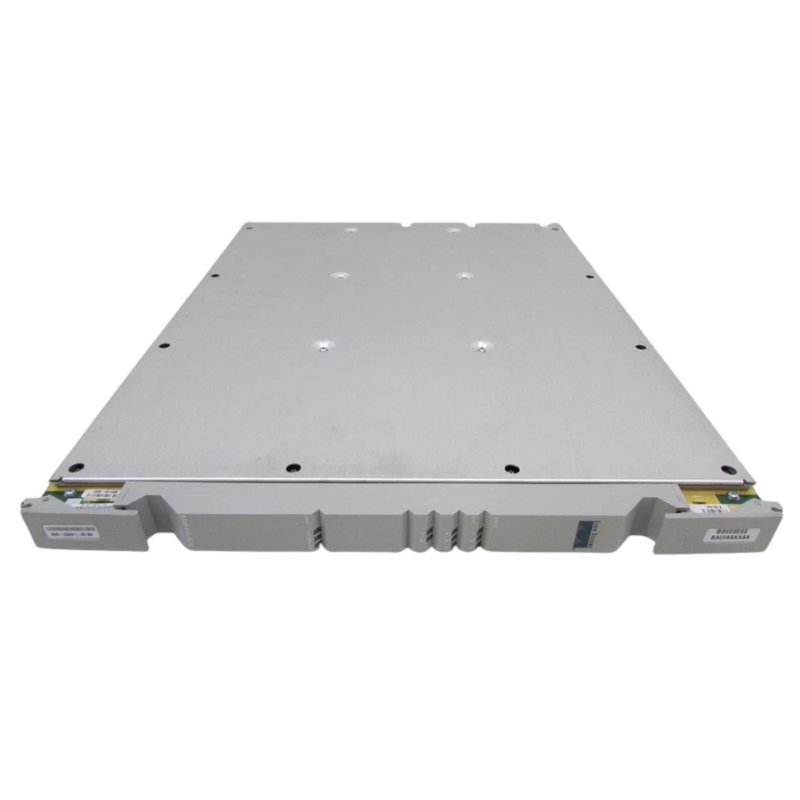


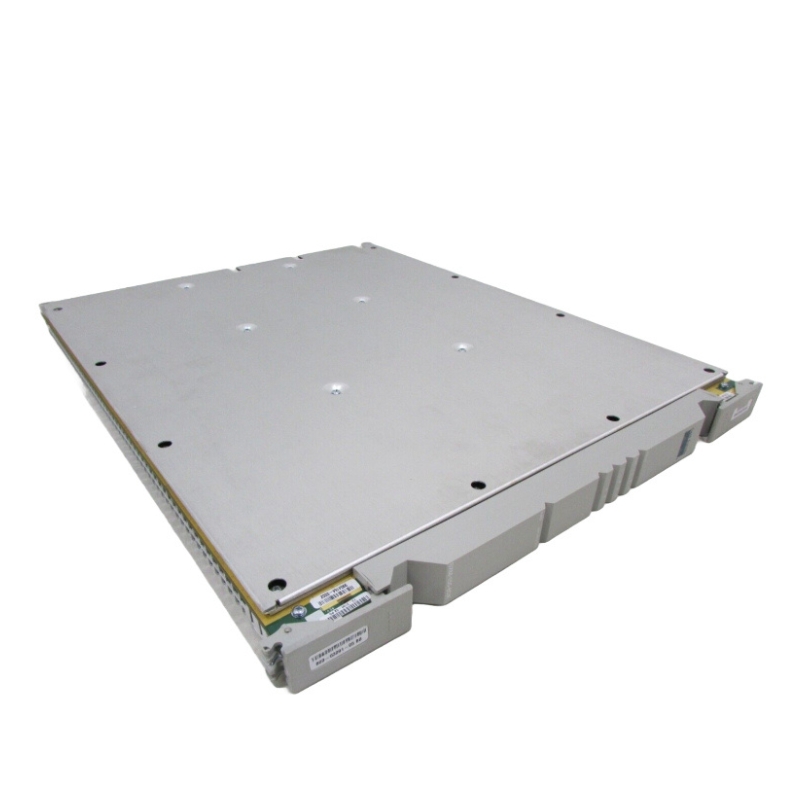
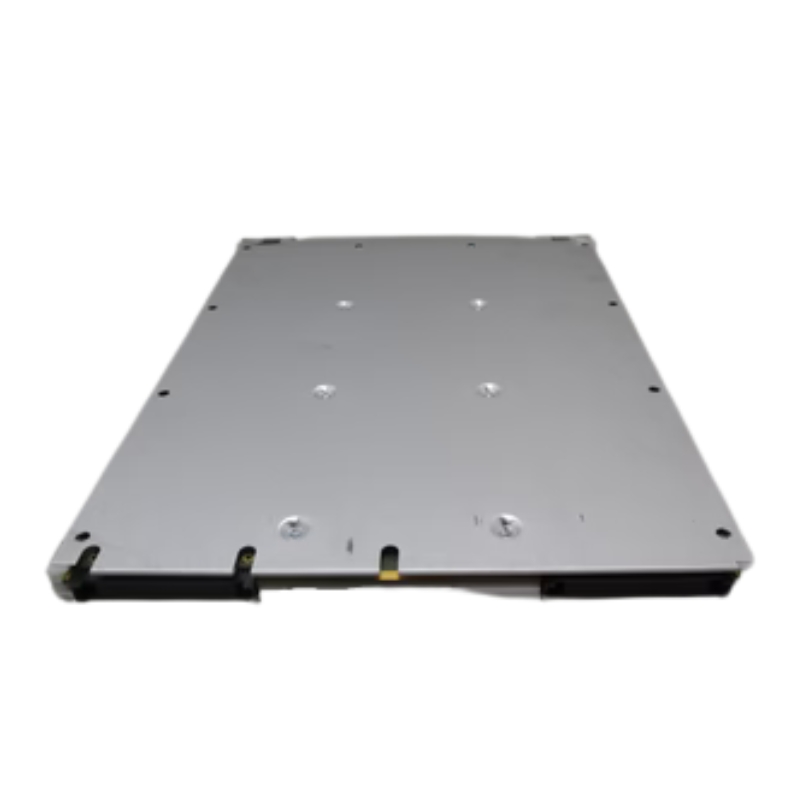
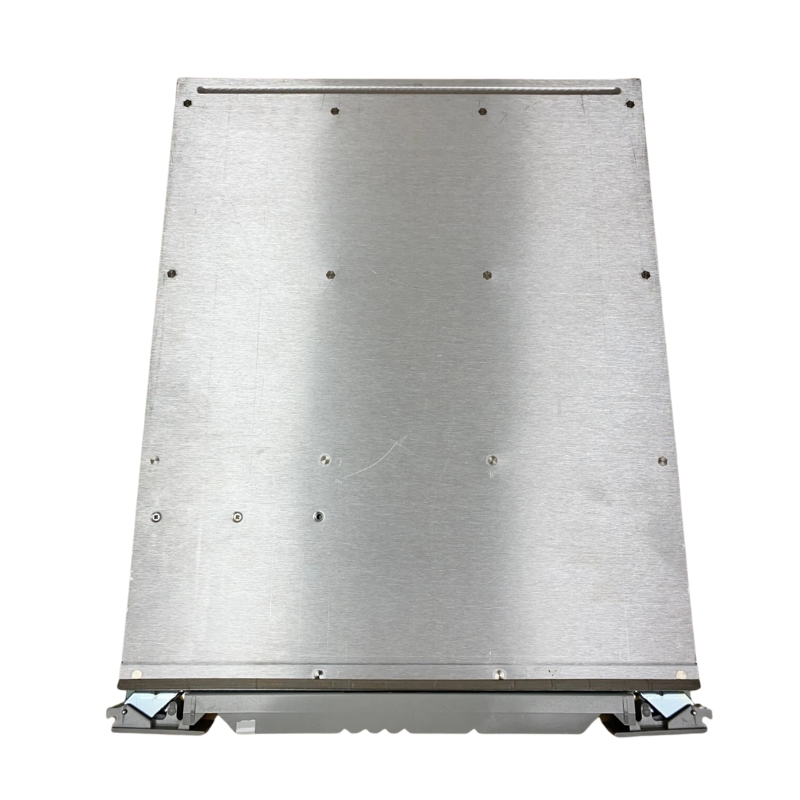
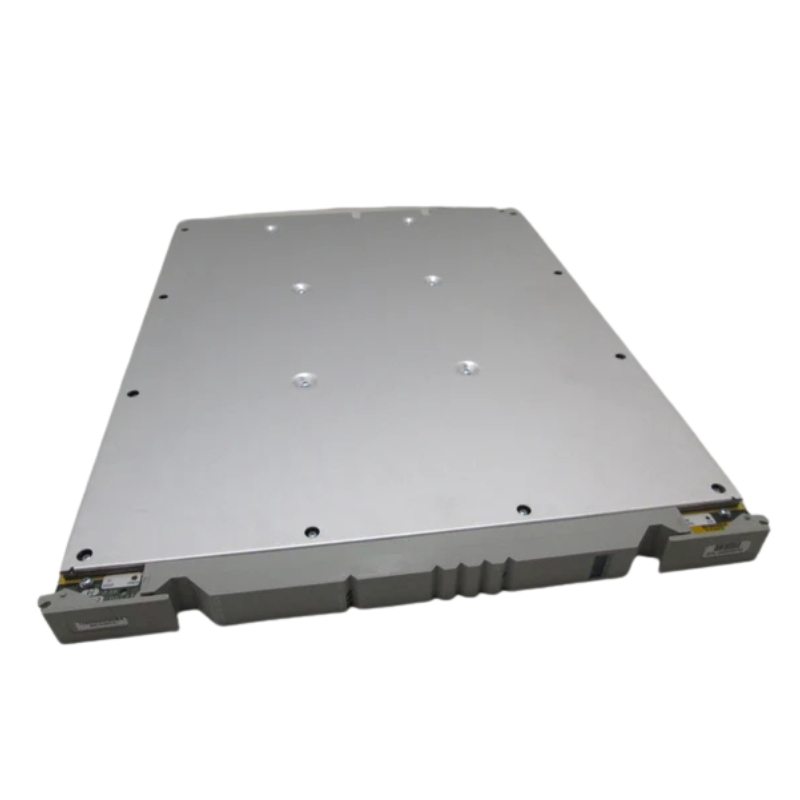
Cisco BPX-BXM-155-8DX Enhanced BXM Card 8-Ports. Factory-Sealed New in Original Box (FSB) with 1 year replacement warranty
| SKU/MPN | Warranty | Price | Condition | You save |
|---|---|---|---|---|
| BPX-BXM-155-8DX | 1 Year Warranty | $4,790.00 | Factory-Sealed New Retail in Original Box (FSB) | You save: $1,676.50 (26%) |
| BPX-BXM-155-8DX | 1 Year Warranty | $2,395.00 | Excellent Refurbished | You save: $838.25 (26%) |
The BPX-BXM-155-8DX Cisco 8-Ports Enhanced BXM Card is a high-performance broadband switching module designed for carrier-grade ATM (Asynchronous Transfer Mode) networks within Cisco BPX 8600 series architectures. This category of network hardware is widely recognized for its ability to deliver scalable, resilient, and high-throughput switching in mission-critical telecommunications environments. The enhanced BXM (Broadband Switch Module) series plays a central role in supporting high-density trunk interfaces, optimized traffic management, and advanced quality of service (QoS) capabilities across large-scale service provider backbones.
Capacity & Buffering
As part of Cisco’s ATM switching ecosystem, the BPX-BXM-155-8DX card provides eight ports of OC-3/STM-1 connectivity, enabling efficient aggregation of high-speed traffic streams. It is engineered for environments where deterministic latency, fault tolerance, and seamless scalability are essential, including telecom carriers, enterprise WAN backbones, and metropolitan area networks (MANs).
The category of Cisco BPX Enhanced BXM switching modules encompasses a family of line cards designed specifically for the Cisco BPX 8600 series ATM backbone switch. These modules are responsible for high-speed cell relay, traffic engineering, and distributed switching across a modular chassis-based architecture. The BPX-BXM-155-8DX is one of the most advanced variants in this category, optimized for OC-3/STM-1 interfaces and high-density port aggregation.
These modules function as the core interface between physical transmission networks and the ATM switching fabric, ensuring that data cells are processed, queued, and forwarded with high efficiency. The enhanced architecture supports improved buffering, advanced scheduling algorithms, and hardware-assisted traffic shaping.
The BPX-BXM-155-8DX Cisco card is built on a distributed switching architecture that integrates seamlessly into the BPX 8600 switch fabric. The design philosophy centers on modular scalability, fault isolation, and high availability. Each card contains dedicated hardware for ATM cell processing, allowing traffic forwarding to occur without overloading the central switch controller.
The enhanced design improves upon earlier BXM versions by increasing throughput efficiency and reducing latency during peak traffic conditions. This makes the module particularly suitable for backbone-level deployments where consistent performance is critical.
The BPX-BXM-155-8DX category is defined by a set of advanced features that support large-scale ATM deployments. These features are engineered to meet the demands of service providers operating multi-service networks that carry voice, video, and data traffic simultaneously.
Each card provides eight independent OC-3/STM-1 interfaces, allowing simultaneous handling of multiple high-speed connections. This high-density configuration reduces the number of required line cards per chassis, improving space efficiency and reducing operational costs.
The card supports sophisticated ATM traffic classes, including Constant Bit Rate (CBR), Variable Bit Rate (VBR), and Unspecified Bit Rate (UBR). This ensures that different service types are handled appropriately based on latency sensitivity and bandwidth requirements.
Quality of Service is enforced at the hardware level, ensuring predictable traffic behavior even during congestion. This is particularly important for voice and real-time video applications where packet delay variation must be minimized.
The BPX-BXM-155-8DX integrates seamlessly with other BPX switch modules, allowing carriers to scale their networks incrementally without redesigning core infrastructure. This modular scalability is a defining characteristic of the BPX product family.
The module supports redundant configurations and rapid failover mechanisms. In carrier environments, downtime can lead to significant service disruption, so redundancy is a critical design aspect of this category.
The technical profile of the BPX-BXM-155-8DX Cisco card reflects its role as a backbone switching component. It is engineered for deterministic performance under heavy network loads and supports a wide range of ATM traffic engineering capabilities.
The module is optimized for low latency switching, ensuring that ATM cells are processed in real time with minimal buffering delays. This makes it ideal for high-demand carrier networks where predictable performance is required.
Within the Cisco BPX 8600 series, the BPX-BXM-155-8DX serves as a key interface module between optical transmission systems and the ATM switching core. The BPX 8600 series itself is designed for carrier backbone environments where scalability and fault tolerance are essential.
The BXM card acts as a bridge between physical layer transmission and logical ATM switching, enabling seamless integration of diverse network segments. It supports both legacy ATM deployments and hybrid architectures where ATM coexists with other transport technologies.
The BPX-BXM-155-8DX Cisco 8-port enhanced BXM card is used across a wide range of telecommunications and enterprise networking environments. Its design supports mission-critical applications that require high bandwidth and consistent performance.
Service providers deploy this module in core backbone infrastructures to handle aggregated traffic from metropolitan access networks. Its ability to support multiple OC-3 links makes it ideal for consolidating traffic at regional hubs.
Large enterprises use BPX-BXM-155-8DX modules to aggregate branch office traffic into centralized data centers. The ATM switching capabilities ensure reliable transport of latency-sensitive applications.
Due to its QoS capabilities, the card is widely used for transporting VoIP and video conferencing traffic, where packet timing and jitter control are critical.
Internet service providers leverage this module to manage subscriber traffic aggregation and backbone routing, ensuring efficient bandwidth utilization across their networks.
One of the most important aspects of the BPX-BXM-155-8DX category is its advanced traffic engineering capability. ATM networks rely heavily on precise traffic shaping and bandwidth allocation, and this module provides hardware-level enforcement of these parameters.
These features ensure that service providers can guarantee service-level agreements (SLAs) for enterprise customers and high-priority applications.
The BPX-BXM-155-8DX supports linear and non-linear scaling strategies within BPX-based networks. As demand increases, additional line cards can be installed without disrupting existing services. This allows operators to expand capacity incrementally while maintaining operational continuity.
Carrier-grade reliability is a core requirement of the BPX-BXM-155-8DX category. The module is designed with multiple layers of redundancy to ensure continuous operation even in the event of hardware or link failures. These features significantly reduce downtime and ensure continuous service delivery in mission-critical environments.
Enhanced BXM cards such as the BPX-BXM-155-8DX play a crucial role in the evolution of carrier-grade networking. They represent a transitional technology that enabled scalable ATM backbones during the expansion of broadband telecommunications infrastructure. Their importance lies in their ability to deliver deterministic performance, high availability, and modular scalability in environments where network reliability is paramount.
To maximize the performance of the BPX-BXM-155-8DX, network operators often implement optimization strategies such as traffic segmentation, load balancing, and QoS tuning. These techniques help ensure efficient utilization of available bandwidth and minimize congestion.
Operational Benefits of Using BPX-BXM-155-8DX
The operational advantages of this category include improved network efficiency, reduced hardware footprint, and enhanced service reliability. By consolidating multiple high-speed interfaces into a single module, operators can reduce infrastructure complexity while increasing overall throughput.
Although modern networks have largely transitioned to IP/MPLS-based architectures, the BPX-BXM-155-8DX remains relevant in legacy environments and hybrid deployments. Many telecom operators continue to rely on ATM infrastructure for specific services, particularly in regions with long-standing BPX deployments. The module continues to serve as a critical component in maintaining interoperability between legacy systems and modern network architectures.


 Contact Us
 Information
 Catalog
 Solid State Drives (SSD)
 Network Switches
 Hard Disk Drives
 HBA & Controllers
 PC & Servers
 PC & Server Memory
 CPU & Processors
 Network Routers
 Power Supplies
 Tape Drives & Libraries
 Network Devices
 Computer & Network Cables