(7% discount is applied at checkout)
Cart is empty
Your go-to destination for cutting-edge server products
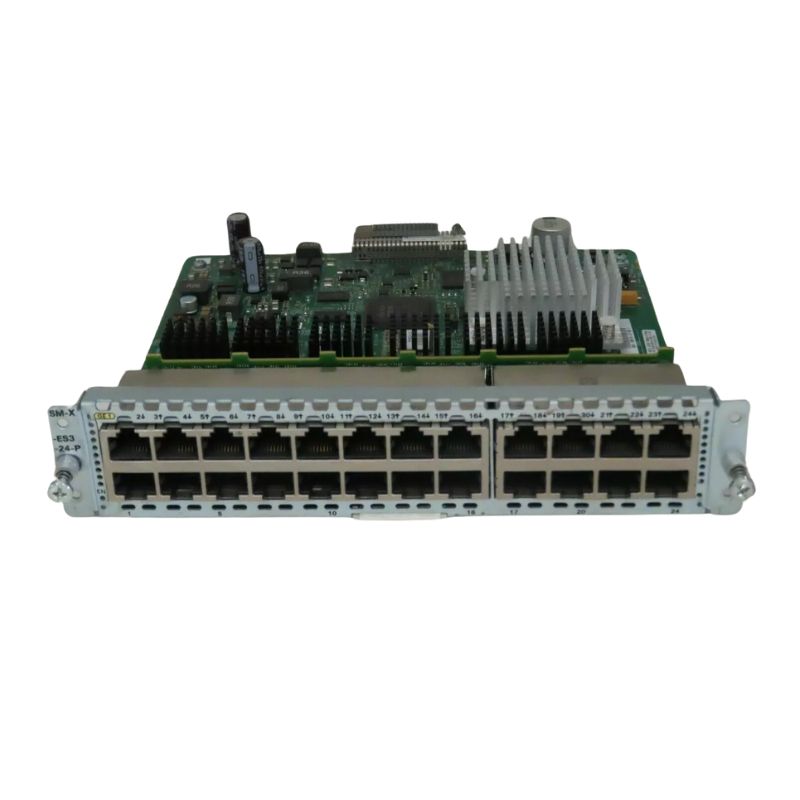


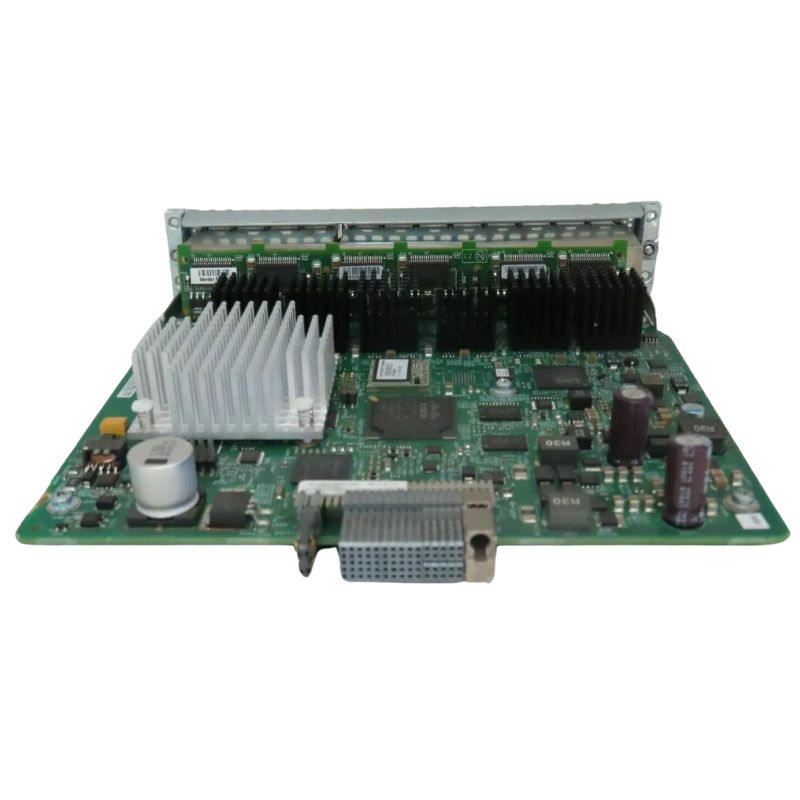
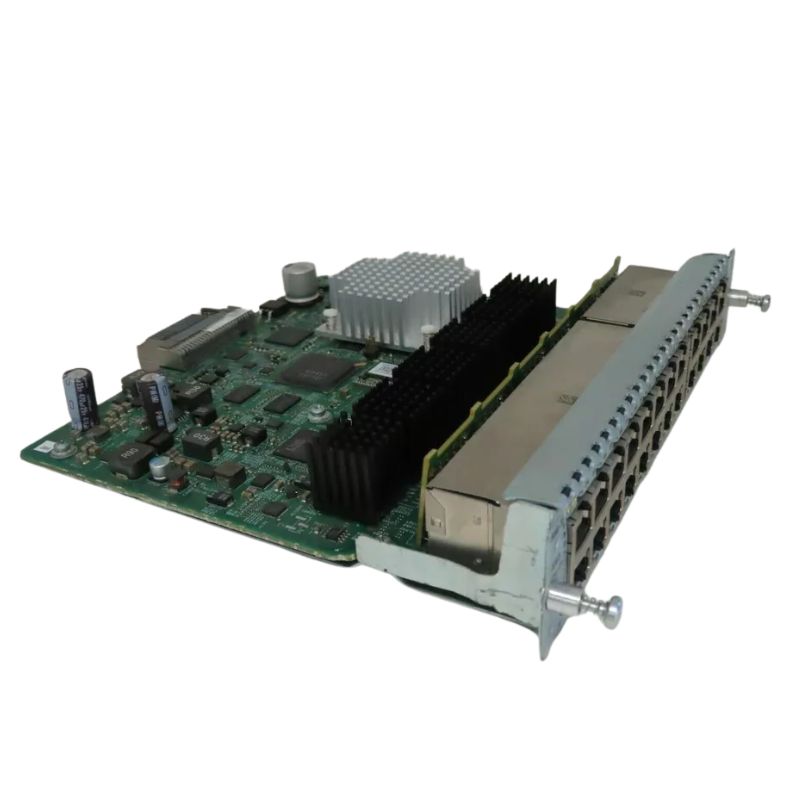
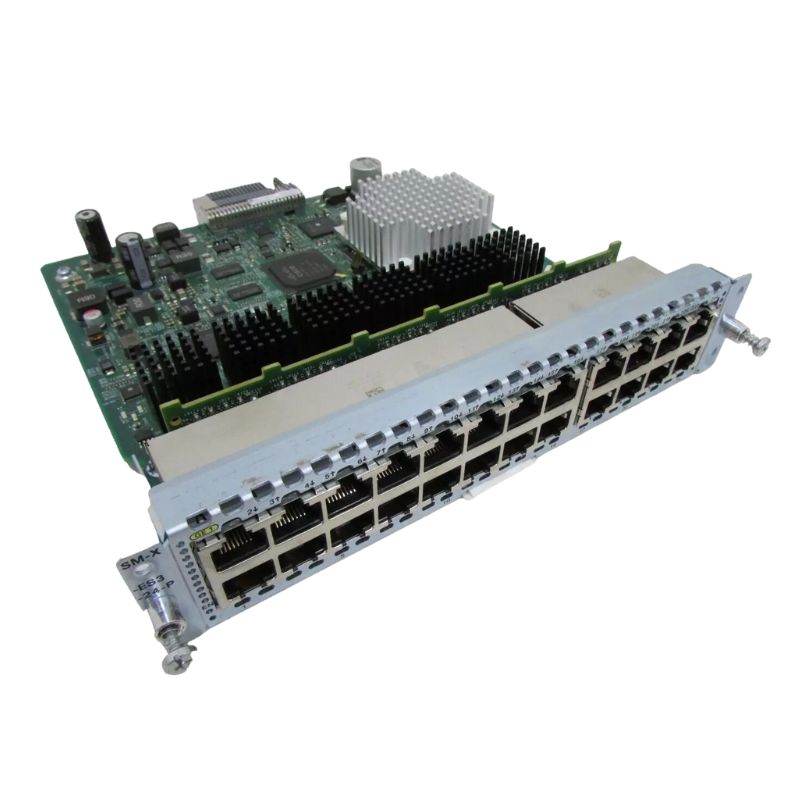
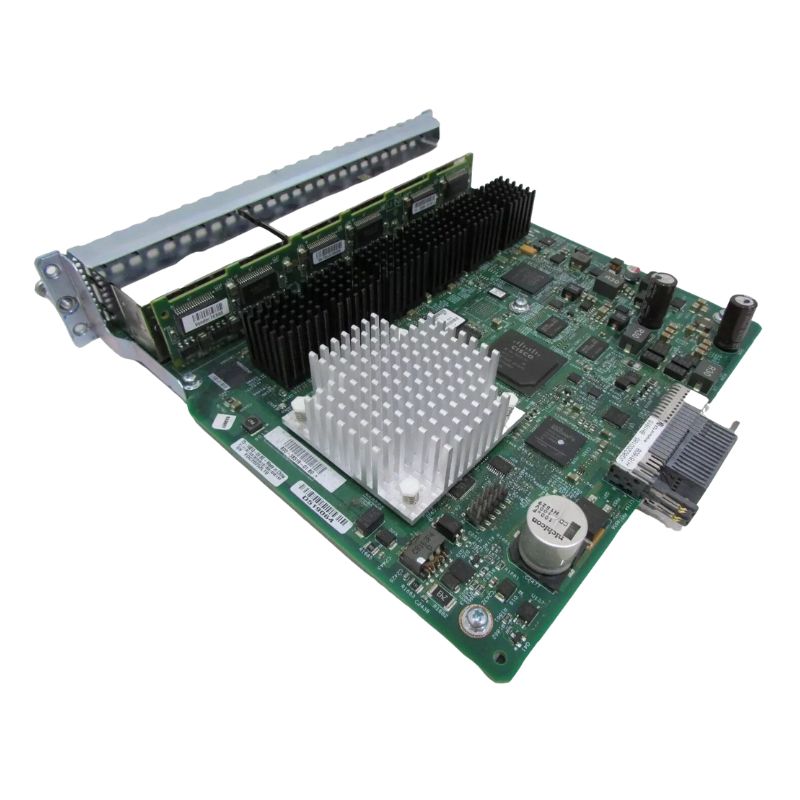
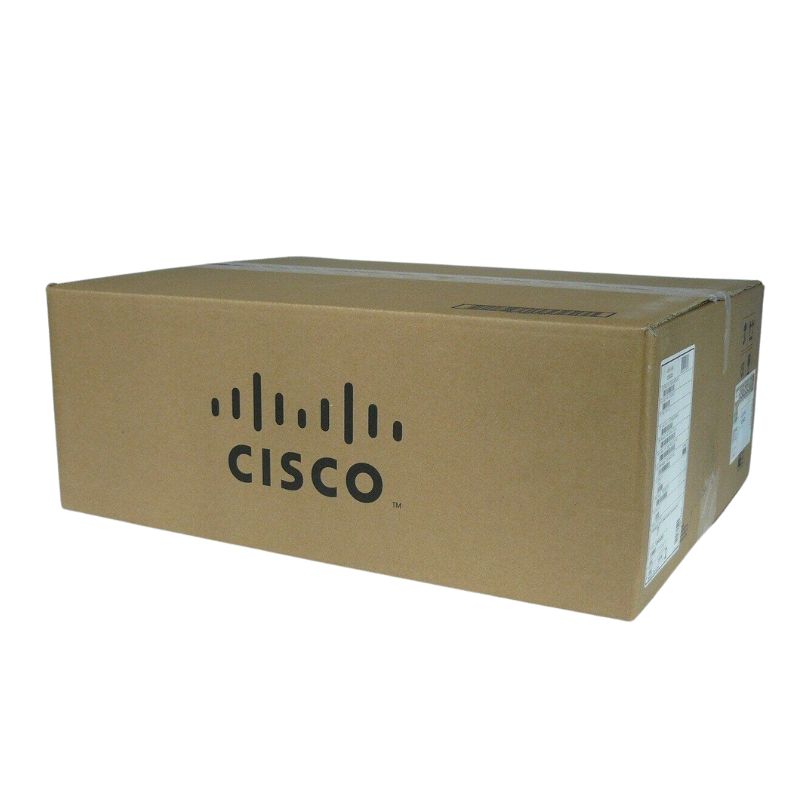
Cisco SM-X-ES3-24-P Managed with 24 Ports Switch Module. Factory-Sealed New in Original Box (FSB) with 1 year replacement warranty
| SKU/MPN | Warranty | Price | Condition | You save |
|---|---|---|---|---|
| SM-X-ES3-24-P | 1 Year Warranty | $175.00 | Excellent Refurbished | You save: $61.25 (26%) |
| SM-X-ES3-24-P | 1 Year Warranty | $1,495.00 | Factory-Sealed New Retail in Original Box (FSB) | You save: $523.25 (26%) |
The Cisco SM-X-ES3-24-P is a scalable service module designed to extend switching capabilities within compatible Cisco Integrated Services Routers. Built for enterprise-grade data networking, this module delivers reliable port density, Power over Ethernet Plus support, and seamless integration into existing Cisco infrastructures.
This service module is engineered to support advanced switching functions directly from the router chassis, reducing the need for standalone switches. It is suitable for branch offices, enterprise environments, and distributed networks that require efficient traffic handling.
Equipped with twenty-four RJ-45 interfaces, this Cisco switch module ensures consistent performance for wired network devices while supporting Power over Ethernet Plus for compatible endpoints.
The module operates over twisted pair cabling, making it compatible with standard Ethernet infrastructure while delivering consistent throughput and low latency.
Designed to fit seamlessly within supported Cisco routers, the SM-X-ES3-24-P features a space-efficient profile without compromising durability or performance.
This managed switch service module is designed for compatibility with selected Cisco ISR platforms, ensuring smooth deployment and unified management.
The Cisco SM-X-ES3-24-P Service Module 24 Ports Ethernet Switch Module represents a specialized category of embedded switching solutions designed for Cisco Integrated Services Routers. This category focuses on modular Ethernet switching that integrates directly into router platforms, enabling unified networking, security, and services within a single hardware footprint. Such service modules eliminate the need for standalone access switches in branch and remote office deployments, while still delivering enterprise-grade Layer 2 and Layer 3 switching capabilities. The architectural philosophy behind this category emphasizes convergence, scalability, and operational efficiency, making it suitable for organizations seeking to simplify network design without compromising performance or reliability.
Within this category, the SM-X-ES3-24-P belongs to the Enhanced Services Switch Module family, engineered to leverage the router backplane for high-speed data exchange and policy enforcement. This tight integration allows traffic to be processed closer to routing, security, and WAN optimization services, reducing latency and improving overall throughput. The category is particularly relevant in distributed enterprise networks where branch offices require robust switching features, Power over Ethernet delivery, and centralized management while maintaining a compact deployment model.
The service module switching category is defined by its seamless compatibility with Cisco Integrated Services Routers, especially ISR 4000 Series platforms that support SM-X modules. This integration allows the Ethernet switch module to function as an internal switch, sharing control plane resources and management interfaces with the host router. Network administrators benefit from consistent configuration models, unified command-line interfaces, and consolidated monitoring, which significantly reduces operational complexity in multi-site environments.
In this category, switching is not treated as a peripheral function but as an embedded service. Traffic flowing through the SM-X-ES3-24-P can be routed internally to advanced services such as firewalling, VPN termination, and application-aware routing without external cabling or additional hardware. This approach enhances security postures and simplifies network topology, which is a core value proposition of service module-based Ethernet switching.
A defining attribute of this category is the use of high-speed backplane connectivity between the service module and the router. Instead of relying on external uplinks, the switch module exchanges traffic internally, benefiting from optimized data paths and reduced points of failure. This internal connectivity ensures predictable performance for latency-sensitive applications such as voice, video, and real-time collaboration tools commonly deployed in branch environments.
The SM-X-ES3-24-P category supports advanced traffic handling mechanisms that align with Cisco’s enterprise switching standards. Features such as internal VLAN trunking, inter-VLAN routing integration, and policy-based forwarding are executed efficiently due to the close coupling between switching and routing components.
This category is characterized by a fixed 24-port Ethernet access design, which addresses the connectivity needs of small to medium-sized branch offices, retail locations, and remote sites. The port density is optimized to support a wide range of endpoint devices, including IP phones, wireless access points, surveillance cameras, and workstations. By consolidating access layer connectivity into a service module, organizations can reduce rack space requirements and streamline deployment processes.
The 24-port configuration aligns with common branch office design standards, providing sufficient scalability without excessive overprovisioning. This balance ensures cost-effective deployments while maintaining flexibility for future growth. In the context of category differentiation, the focus on moderate port density combined with deep integration sets this service module apart from traditional fixed-configuration access switches.
A key aspect of this category is the inclusion of Power over Ethernet functionality, enabling the switch module to deliver power and data over a single Ethernet cable. This capability supports modern network endpoints that rely on PoE for operation, reducing the need for separate power supplies and simplifying installation. The category emphasizes intelligent power management, allowing administrators to allocate power budgets efficiently across connected devices.
Power over Ethernet support enhances deployment flexibility, particularly in branch offices where power outlets may be limited. Devices such as IP telephony systems and wireless infrastructure benefit from centralized power delivery, contributing to improved reliability and easier maintenance. This feature reinforces the category’s suitability for unified communications and mobility-centric network designs.
The service module switching category incorporates advanced power monitoring and control mechanisms that integrate with Cisco network management platforms. Administrators can monitor power consumption per port, enforce power limits, and troubleshoot power-related issues from a centralized interface. This level of visibility is critical for maintaining network stability and ensuring compliance with organizational power policies.
Such integrated power management capabilities distinguish this category from basic access switches, positioning it as a comprehensive solution for branch-level infrastructure needs.
The category encompassing the Cisco SM-X-ES3-24-P emphasizes robust Layer 2 switching combined with selective Layer 3 functionality. This design supports VLAN segmentation, spanning tree protocols, and advanced Quality of Service mechanisms essential for enterprise networks. By embedding these features within a service module, the category enables consistent policy enforcement across distributed locations.
Layer 3 awareness within the switching module allows for efficient traffic handling and seamless integration with routing services. While core routing remains the responsibility of the host router, the switch module complements it by offloading certain tasks and ensuring optimal traffic flow at the access layer.
VLAN support is a foundational element of this category, enabling logical segmentation of network traffic to enhance security and performance. Organizations can isolate voice, data, and management traffic while maintaining centralized control. This capability is particularly important in branch offices that support multiple departments or tenant environments.
The SM-X-ES3-24-P category supports scalable VLAN configurations that align with enterprise standards, ensuring interoperability with upstream switches and core network components.
Quality of Service is a critical differentiator within this category, as branch networks often carry a mix of real-time and best-effort traffic. The service module switching category supports traffic classification, prioritization, and queuing mechanisms that ensure consistent performance for latency-sensitive applications. Voice and video traffic can be prioritized without sacrificing data throughput, supporting modern unified communications deployments.
Security is an integral part of the service module switching category. By embedding the switch within the router chassis, traffic can be subjected to security policies at multiple layers. Access control mechanisms such as port-based authentication and network segmentation enhance protection against unauthorized access. This integrated approach aligns with Cisco’s defense-in-depth strategy for enterprise networks.
The category supports consistent security policy enforcement across branch locations, reducing the risk of misconfiguration and improving compliance. Traffic entering the switch module can be inspected and forwarded internally to router-based security services, minimizing exposure and improving response times.
Access layer security features are a defining element of this category. The switch module supports authentication frameworks that ensure only authorized devices and users gain network access. This capability is essential in environments with high device turnover or guest access requirements.
By centralizing authentication within the integrated router and switch environment, administrators can simplify policy management and enhance visibility across the network.
The modular nature of this category allows organizations to scale network capabilities incrementally. Instead of deploying new standalone switches, administrators can add or upgrade service modules within existing router platforms. This approach reduces capital expenditure and simplifies lifecycle management.
Scalability within this category extends beyond port count to include feature expansion and performance optimization. As network demands evolve, service modules can be leveraged to support new applications and services without significant infrastructure changes.
The service module switching category emphasizes long-term investment protection. By leveraging modular hardware, organizations can extend the useful life of their routers while adapting to changing network requirements. Firmware updates and feature enhancements can be applied consistently across the integrated environment, reducing operational overhead.
This lifecycle-oriented design makes the category appealing to enterprises seeking predictable upgrade paths and reduced total cost of ownership.
The service module Ethernet switching category is well-suited for a wide range of deployment scenarios, including enterprise branch offices, retail environments, and remote sites. Its integrated design supports rapid deployment and minimizes physical infrastructure requirements. Organizations can achieve reliable access layer connectivity without the complexity of managing separate switching hardware.
This category aligns with modern network design principles that prioritize agility, security, and centralized control. By consolidating switching into the router platform, enterprises can respond more quickly to changing business needs while maintaining a robust and secure network foundation.
In branch and remote office environments, the service module switching category delivers essential access layer services in a compact form factor. This design reduces deployment time and simplifies maintenance, making it ideal for locations with limited IT support. The integrated approach ensures consistent user experiences across all sites, regardless of size or location.
The category’s focus on PoE, Quality of Service, and security integration makes it particularly suitable for unified communications and wireless deployments. IP phones, video conferencing systems, and wireless access points can be supported seamlessly, enabling modern collaboration and mobility initiatives.
By addressing these requirements within a single service module, the category reinforces its role as a foundational component of enterprise branch network architecture.
Performance and reliability are central themes within the service module switching category. The integration of switching and routing functions reduces latency and enhances fault tolerance. Internal traffic paths minimize dependency on external cabling, which can be a common point of failure in traditional network designs.
High availability features supported by the category contribute to resilient branch networks capable of supporting critical business applications. This reliability is essential for organizations that rely on continuous connectivity for operations and customer engagement.
The Cisco SM-X-ES3-24-P category adheres to established enterprise switching standards, ensuring compatibility with existing network infrastructures. This consistency simplifies integration and supports hybrid deployments where service modules coexist with standalone switches in larger campuses or data centers.
Such alignment reinforces the category’s position as a trusted solution for organizations seeking to extend enterprise-grade networking capabilities to the edge.


 Contact Us
 Information
 Catalog
 Solid State Drives (SSD)
 Network Switches
 Hard Disk Drives
 HBA & Controllers
 PC & Servers
 PC & Server Memory
 CPU & Processors
 Network Routers
 Power Supplies
 Tape Drives & Libraries
 Network Devices
 Computer & Network Cables