(7% discount is applied at checkout)
Cart is empty
Your go-to destination for cutting-edge server products
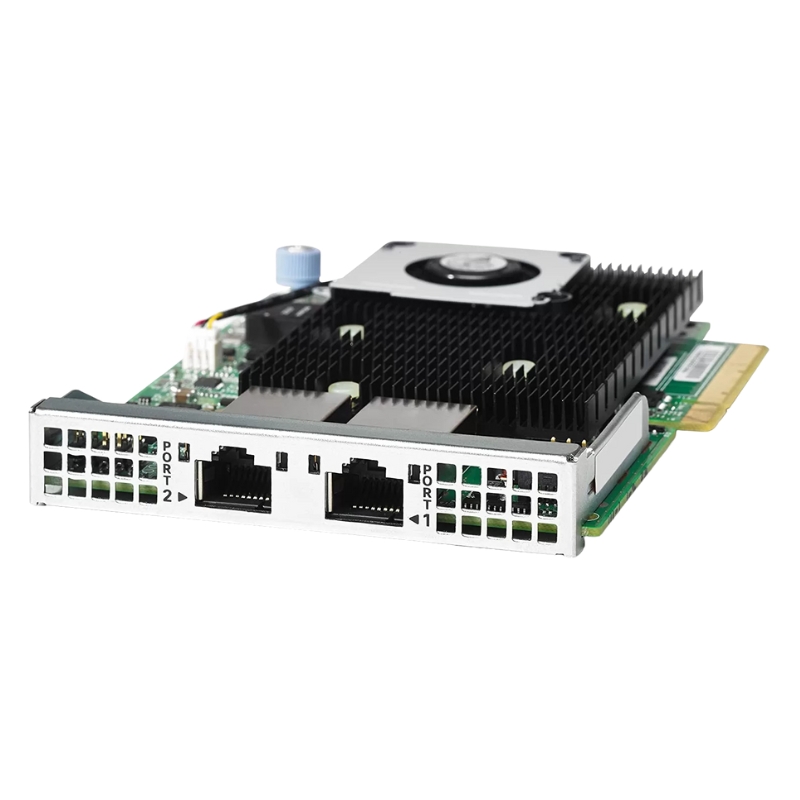


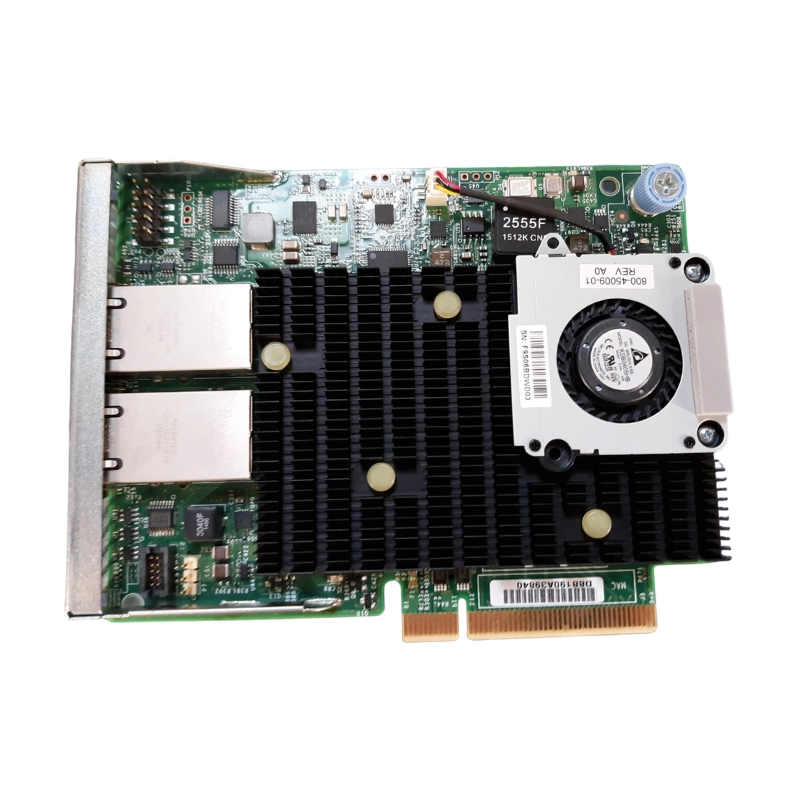
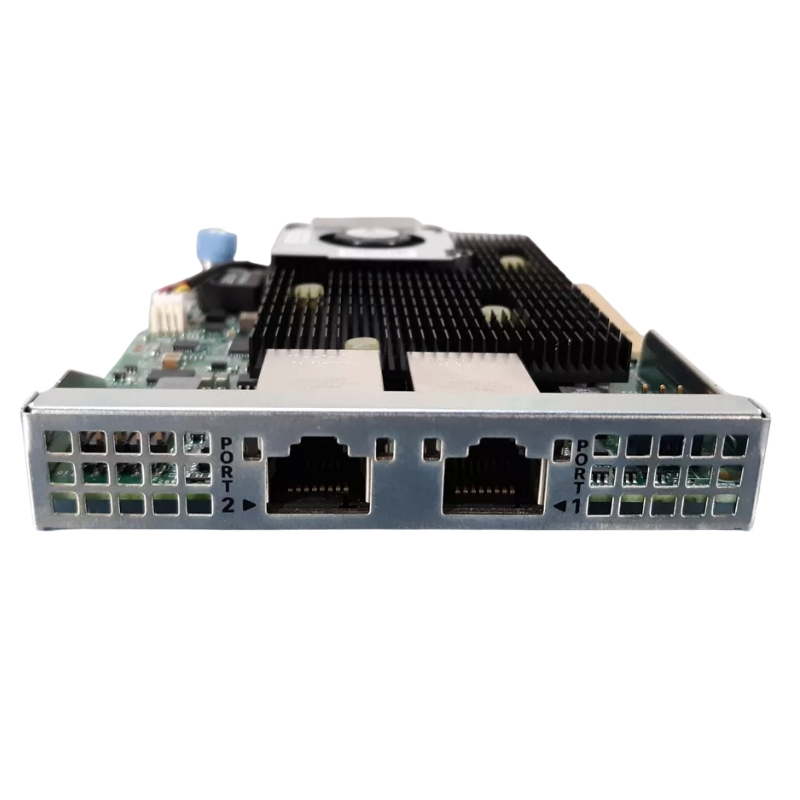
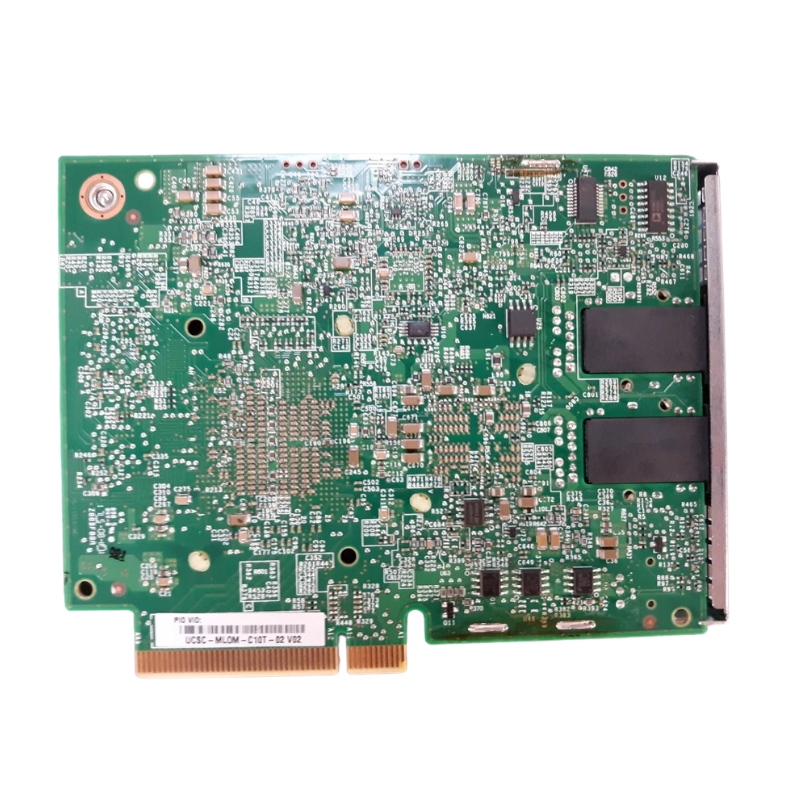
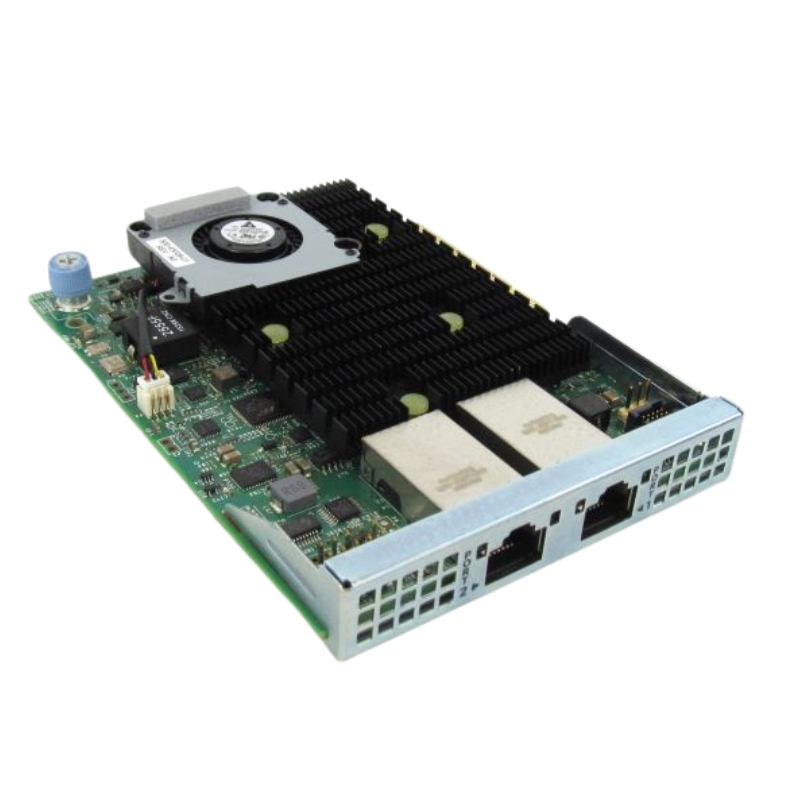
Cisco UCSC-MLOM-C10T-02 UCS Virtual Interface Card 10 Gigabit. Factory-Sealed New in Original Box (FSB) with 1 year replacement warranty
| SKU/MPN | Warranty | Price | Condition | You save |
|---|---|---|---|---|
| UCSC-MLOM-C10T-02 | 1 Year Warranty | $480.00 | Factory-Sealed New Retail in Original Box (FSB) | You save: $168.00 (26%) |
| UCSC-MLOM-C10T-02 | 1 Year Warranty | $98.00 | Excellent Refurbished | You save: $34.30 (26%) |
The Cisco UCSC-MLOM-C10T-02 UCS Ethernet Virtual Interface Card is a high-performance dual-port network adapter engineered for modern data center environments. this advanced module enhances server connectivity, virtualization efficiency, and network throughput, making it an ideal solution for enterprise-grade infrastructure deployments.
The Cisco UCSC-MLOM-C10T-02 UCS Ethernet Virtual Interface Card represents a specialized class of high-performance networking components engineered for Cisco Unified Computing System (UCS) environments. As enterprises continue to expand virtualization, cloud-native architectures, and software-defined networking, the demand for adaptable, high-throughput, low-latency network interface solutions has intensified. This Ethernet Virtual Interface Card category is designed to bridge server compute capabilities with advanced network virtualization features, enabling scalable, resilient, and optimized data center connectivity.
Within modern enterprise infrastructures, this category of Cisco UCS Ethernet adapters plays a crucial role in converged networking. The UCSC-MLOM-C10T-02 module integrates seamlessly into Cisco UCS blade and rack server ecosystems, providing a virtual interface layer that enhances traffic segmentation, workload isolation, and bandwidth allocation. By embedding advanced virtualization capabilities directly into the network interface layer, this category enables administrators to simplify network management while improving performance consistency across mission-critical applications.
Cisco UCS Ethernet Virtual Interface Cards, including the UCSC-MLOM-C10T-02 model, are engineered to support high-density virtual machine deployments and containerized workloads. These cards form a critical abstraction layer between physical hardware and virtual networking constructs. Instead of relying solely on traditional NIC architectures, these interfaces introduce virtualized network endpoints that can be dynamically assigned, managed, and optimized.
This architectural model is particularly important in environments where workload mobility is essential. Virtual machines frequently migrate between hosts, and container orchestration platforms require consistent network identity and performance. Ethernet Virtual Interface Cards ensure that these requirements are met by decoupling physical port constraints from logical network definitions, thereby enabling seamless workload transitions across data center infrastructure.
Within the Cisco UCS ecosystem, the UCSC-MLOM-C10T-02 functions as a modular LAN on Motherboard (MLOM) component. This design allows direct integration into UCS servers without occupying traditional PCIe slots, preserving expansion flexibility for additional compute or storage resources. The integration model enhances internal system efficiency by reducing physical cabling complexity and improving airflow within server chassis.
The UCS architecture is known for its policy-driven management approach, and Ethernet Virtual Interface Cards align perfectly with this paradigm. Network configurations, quality of service policies, and security rules can be centrally managed through UCS Manager or Cisco Intersight platforms, ensuring consistency across large-scale deployments.
A defining characteristic of the Cisco UCSC-MLOM-C10T-02 category is its ability to optimize virtualization workloads. In traditional networking setups, each virtual machine requires a virtual NIC mapped to a physical adapter, which can introduce bottlenecks and management overhead. With Ethernet Virtual Interface Card technology, multiple virtual interfaces can be abstracted from a single physical hardware module, enabling more efficient utilization of network resources.
This abstraction layer supports advanced features such as virtual NIC partitioning, dynamic bandwidth allocation, and traffic prioritization. These capabilities are particularly beneficial in environments hosting mixed workloads, including database systems, application servers, and analytics platforms that require varying levels of network performance.
Performance is a core pillar of the Cisco UCSC-MLOM-C10T-02 Ethernet Virtual Interface Card category. Designed for enterprise-grade data centers, these modules support high-throughput Ethernet connectivity optimized for virtualization-heavy workloads. The integration of advanced network processing capabilities reduces CPU overhead on host servers, allowing more compute cycles to be dedicated to application execution rather than packet processing.
Latency optimization is another critical aspect of this category. In modern cloud infrastructures, even microsecond-level delays can impact application performance, particularly in financial trading platforms, real-time analytics systems, and distributed storage networks. Ethernet Virtual Interface Cards are engineered to minimize these delays by streamlining packet forwarding paths and supporting hardware-level acceleration.
The Cisco UCSC-MLOM-C10T-02 category is designed to support efficient bandwidth utilization across multiple virtual interfaces. Instead of statically allocating bandwidth to physical ports, the system dynamically distributes available capacity based on workload demand. This ensures that critical applications receive priority access to network resources while maintaining overall system balance.
Traffic management capabilities include intelligent packet scheduling and congestion control mechanisms. These features allow data centers to maintain predictable performance even under heavy load conditions, such as peak transaction periods or large-scale data migrations.
This Ethernet Virtual Interface Card category is fully compatible with leading virtualization platforms, including VMware ESXi, Microsoft Hyper-V, and various Linux-based hypervisors. Integration with these platforms enables seamless deployment of virtual machines with consistent network performance characteristics.
In addition, the UCSC-MLOM-C10T-02 supports containerized environments such as Kubernetes clusters. As container adoption continues to grow, networking components must provide lightweight, scalable connectivity options. Ethernet Virtual Interface Cards fulfill this requirement by enabling rapid provisioning of virtual interfaces for container workloads without requiring physical network reconfiguration.
Quality of Service (QoS) is a fundamental feature within this category, allowing administrators to define traffic prioritization rules across virtual interfaces. Mission-critical applications such as ERP systems, customer-facing portals, and database replication services can be assigned higher priority levels to ensure consistent performance.
The QoS framework integrated into Cisco UCS Ethernet Virtual Interface Cards supports granular control over traffic classes, enabling fine-tuned optimization of network resources. This ensures that latency-sensitive applications maintain stable performance even during periods of network congestion.
The Cisco UCSC-MLOM-C10T-02 category is deeply integrated into Cisco’s unified management ecosystem. Through UCS Manager or Cisco Intersight, administrators can configure, monitor, and optimize network interfaces across distributed infrastructure environments. This centralized approach significantly reduces operational complexity and improves visibility into network performance metrics.
Policy-based management is a key advantage of this integration. Instead of configuring each server individually, administrators can define network policies that automatically apply to all compatible Ethernet Virtual Interface Cards within the infrastructure. This ensures consistency and reduces configuration errors.
Scalability is one of the defining characteristics of the Cisco UCS Ethernet Virtual Interface Card category. As organizations expand their digital infrastructure, the need for scalable network connectivity becomes increasingly important. The UCSC-MLOM-C10T-02 module supports horizontal scaling by enabling additional virtual interfaces without requiring additional physical hardware expansion.
This scalability is particularly valuable in cloud service provider environments, where multi-tenant architectures require isolated and flexible network configurations. Ethernet Virtual Interface Cards enable efficient tenant segmentation while maintaining high performance and security standards.
Security is a foundational component of the Cisco UCSC-MLOM-C10T-02 category. By leveraging virtual interface isolation, the system ensures that network traffic from different workloads remains segregated. This reduces the risk of cross-tenant interference and enhances overall system security posture.
Additional security capabilities include support for MAC address filtering, VLAN segmentation, and encrypted traffic handling. These features allow organizations to implement layered security strategies that align with modern compliance requirements and cybersecurity frameworks.
In regulated industries such as finance, healthcare, and government, compliance requirements demand strict control over data movement and network access. Ethernet Virtual Interface Cards contribute to compliance readiness by enabling auditable network segmentation and controlled traffic flows.
The Cisco UCSC-MLOM-C10T-02 category supports infrastructure designs that align with standards such as PCI-DSS, HIPAA, and ISO security frameworks. This makes it a suitable choice for organizations operating in highly regulated environments that require robust network governance.
Modern workloads such as artificial intelligence, machine learning, and big data analytics require high-speed, low-latency networking infrastructure. The Cisco UCS Ethernet Virtual Interface Card category is designed to support these demanding workloads by providing consistent throughput and efficient packet handling.
The UCSC-MLOM-C10T-02 module reduces bottlenecks by offloading network processing tasks from the CPU, allowing compute resources to be allocated more efficiently. This results in improved application performance and better resource utilization across the data center.
As organizations adopt hybrid and multi-cloud strategies, network infrastructure must support seamless connectivity between on-premises and cloud environments. Ethernet Virtual Interface Cards provide the flexibility needed to establish secure and high-performance connections across distributed architectures.
This category supports dynamic network reconfiguration, allowing workloads to move between environments without requiring manual network reconfiguration. This capability is essential for maintaining business continuity and operational agility in modern IT environments.
Reliability is a critical design consideration for the Cisco UCSC-MLOM-C10T-02 category. These modules are engineered to support redundant network paths, ensuring continuous connectivity even in the event of hardware or link failures. This redundancy is essential for maintaining uptime in mission-critical environments.
Failover mechanisms are implemented at both hardware and software levels, enabling rapid recovery from network disruptions. This ensures that applications remain accessible and performance is not significantly impacted during fault conditions.


 Contact Us
 Information
 Catalog
 Solid State Drives (SSD)
 Network Switches
 Hard Disk Drives
 HBA & Controllers
 PC & Servers
 PC & Server Memory
 CPU & Processors
 Network Routers
 Power Supplies
 Tape Drives & Libraries
 Network Devices
 Computer & Network Cables