(7% discount is applied at checkout)
Cart is empty
Your go-to destination for cutting-edge server products
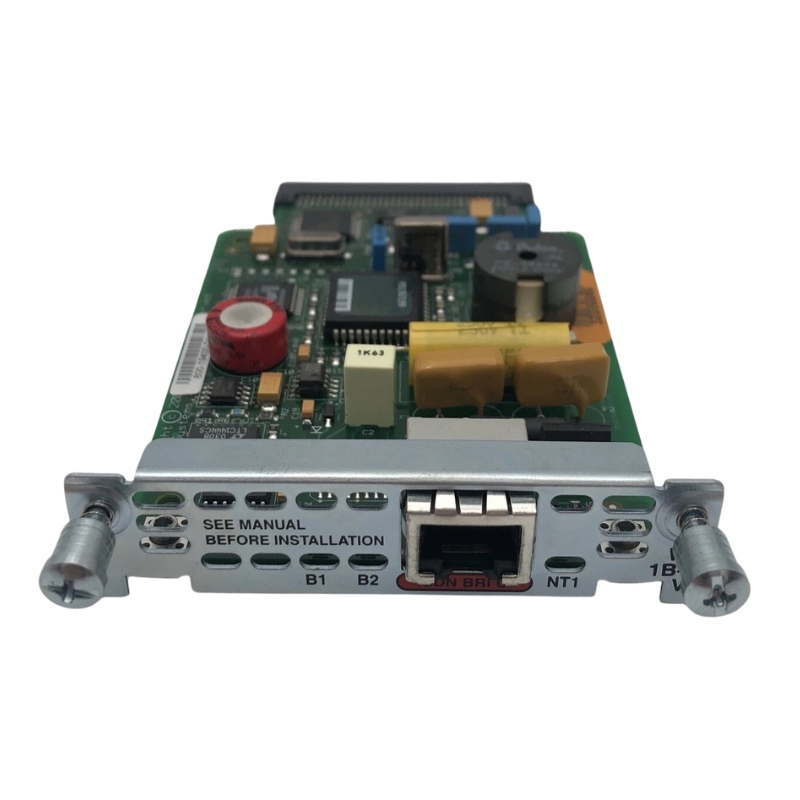


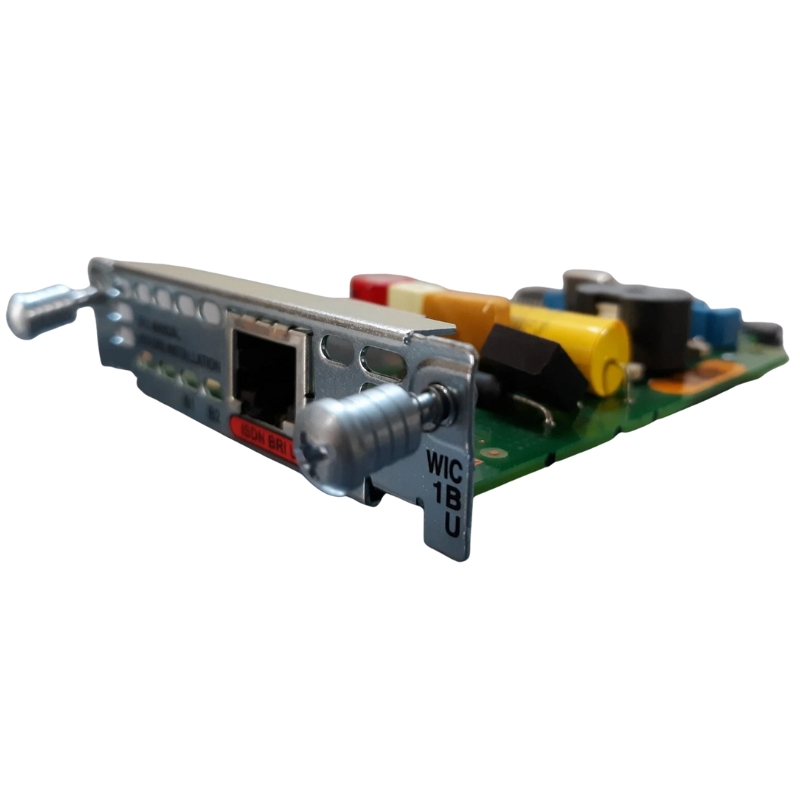
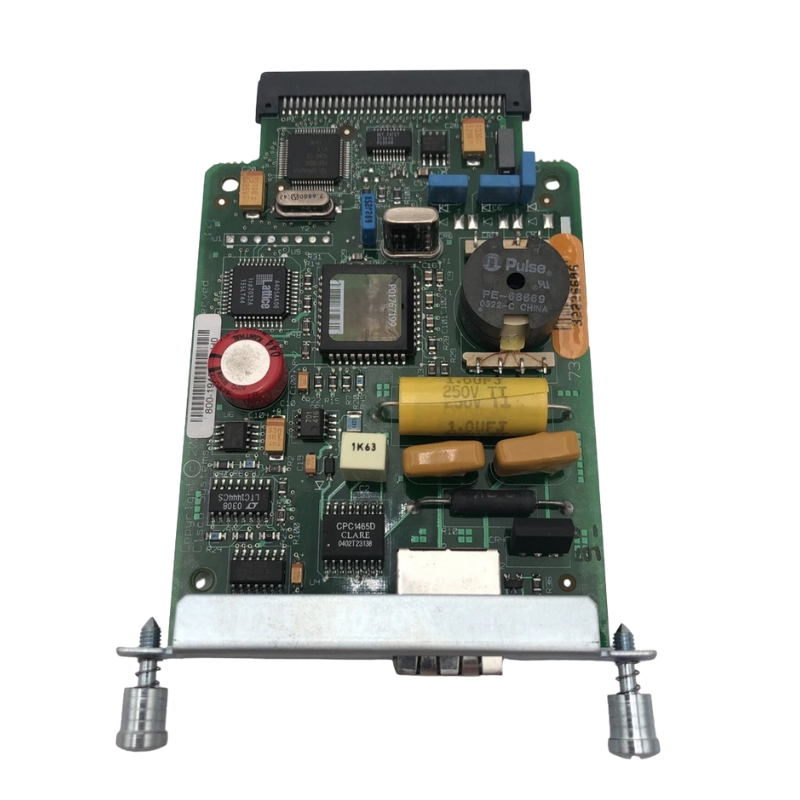
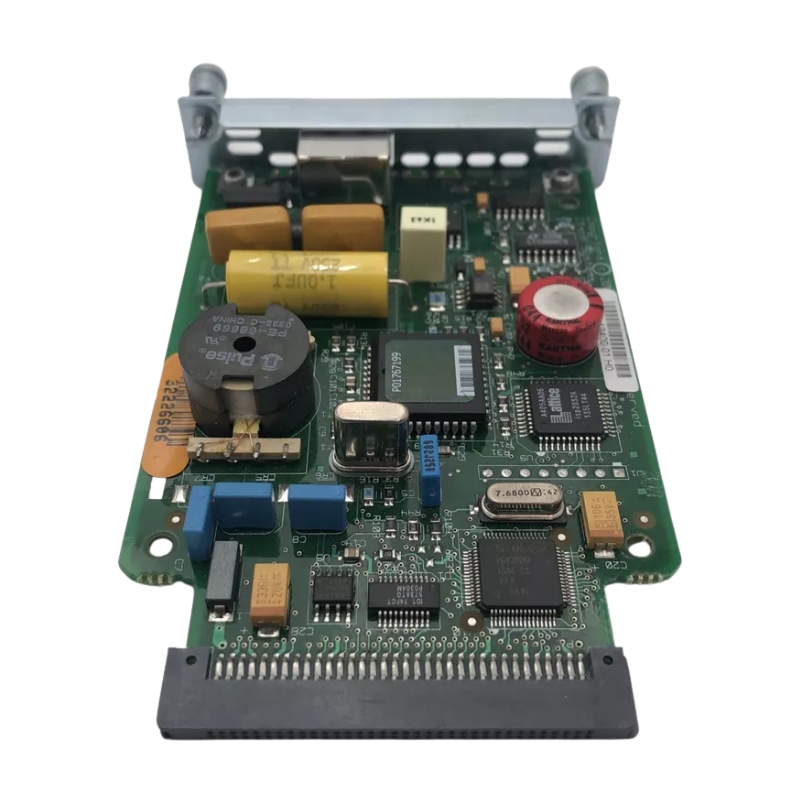
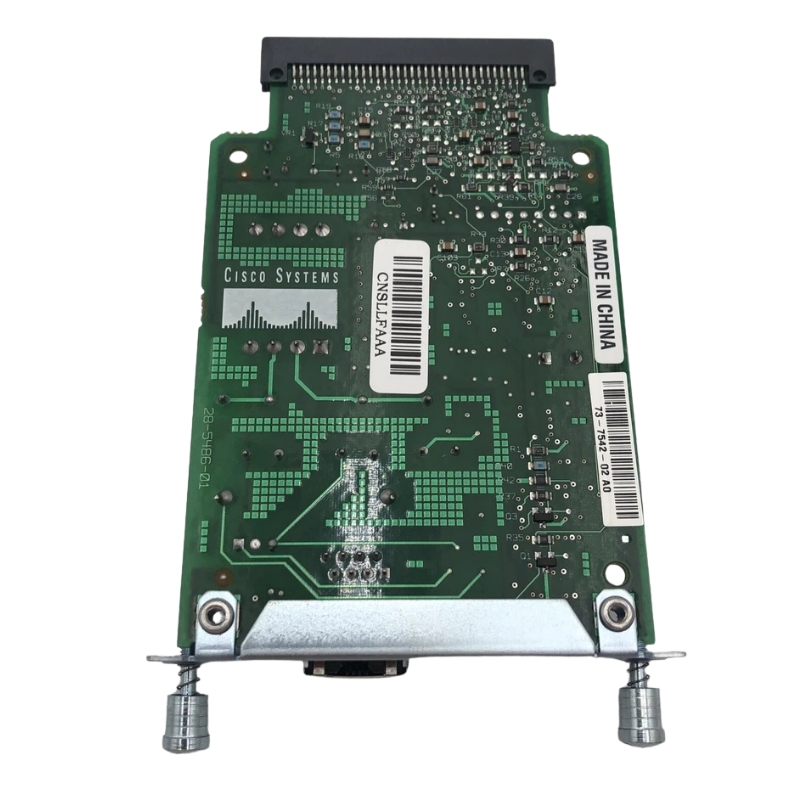
Cisco WIC-1B-U-V2= WAN Interface Card. Factory-Sealed New in Original Box (FSB) with 1 year replacement warranty
| SKU/MPN | Warranty | Price | Condition | You save |
|---|---|---|---|---|
| WIC-1B-U-V2= | 1 Year Warranty | $65.00 | Excellent Refurbished | You save: $22.75 (26%) |
| WIC-1B-U-V2= | 1 Year Warranty | Contact us for a price | Factory-Sealed New Retail in Original Box (FSB) |
Cisco WIC-1B-U-V2= WAN Interface Card Outline
The Cisco WIC-1B-U-V2= WAN Interface Card is designed to deliver dependable Wide Area Network (WAN) connectivity for organizations operating legacy Cisco routing environments. Built to support ISDN Basic Rate Interface (BRI) communication using a U interface with integrated NT1 functionality, this WAN expansion card provides flexible connectivity for branch offices, remote access environments, and backup network deployment.
This interface module extends routing capabilities by enabling efficient digital communication while reducing the need for additional external hardware. Organizations deploying Cisco legacy routers continue to rely on this solution for stable leased-line and dial backup connectivity.
The Cisco WIC-1B-U-V2= WAN Interface Card is designed to extend router functionality by enabling dependable wide area network connectivity across distributed business environments. Built to support organizations that require stable branch communication and efficient data transmission, this WAN interface card provides integration capabilities for Cisco networking platforms while maintaining compatibility with established enterprise infrastructures.
Wide area networking remains essential for connecting offices, branch locations, remote work environments, service endpoints, and centralized data resources. The Cisco WIC-1B-U-V2= module supports these operational requirements by offering reliable WAN expansion that allows routers to communicate across geographically separated locations while maintaining performance and operational continuity.
Organizations operating mission-critical applications frequently require scalable network hardware capable of maintaining uptime and reducing deployment complexity. This WAN interface card addresses those requirements by enabling efficient network growth without replacing existing routing infrastructure.
WAN interface cards function as hardware expansion modules installed inside compatible routers to add communication interfaces and broaden connectivity options. Rather than deploying entirely new networking devices, businesses can leverage interface cards to adapt existing infrastructure to changing operational requirements.
The Cisco WIC-1B-U-V2= card enables organizations to expand network reach while preserving router investment. This modular approach supports flexible architecture planning and simplifies long-term infrastructure management.
Expansion modules play an important role in branch networking because they help maintain centralized administration while providing localized connectivity capabilities. The result is improved network utilization and reduced deployment costs.
The Cisco WIC-1B-U-V2= WAN Interface Card follows Cisco's modular hardware philosophy, allowing administrators to install communication modules according to business requirements. This modular approach improves adaptability and simplifies hardware upgrades over time.
The compact design supports efficient use of router expansion slots and enables network teams to maintain organized installations inside equipment racks and communications cabinets.
Because organizations often face changing traffic demands and evolving network topologies, modular cards contribute to a future-ready infrastructure model where expansion occurs incrementally rather than through complete hardware replacement.
One of the strongest advantages of the Cisco WIC-1B-U-V2= category is compatibility with supported Cisco router environments. Integration allows businesses to preserve established routing policies, management processes, and operational standards.
Maintaining a unified networking ecosystem reduces training requirements and minimizes deployment risk. Existing monitoring, security enforcement, and routing policies can remain active while additional WAN capabilities are introduced.
Network teams frequently prioritize operational continuity when introducing new infrastructure. Interface cards support continuity by limiting changes to production environments and reducing migration complexity.
Instead of redesigning entire network architectures, administrators can activate expanded WAN capabilities through targeted hardware additions and configuration updates.
Branch office communication remains one of the most common deployment scenarios for WAN interface cards. Organizations operating multiple locations require dependable links that maintain communication between headquarters and remote sites.
The Cisco WIC-1B-U-V2= supports branch environments where applications, file services, internal communications, and centralized management systems depend on stable WAN transport.
By extending router communication options, organizations can deliver consistent experiences across distributed locations while maintaining centralized visibility.
Remote facilities frequently require connectivity that balances reliability and operational efficiency. WAN interface cards enable remote sites to communicate with centralized infrastructure while supporting business continuity objectives.
Remote communication requirements continue to increase across manufacturing facilities, service locations, educational environments, healthcare operations, and distributed enterprise networks.
Modern organizations increasingly adopt distributed operational models where applications and resources are accessed across multiple locations. WAN expansion hardware supports these architectures by facilitating secure and consistent connectivity.
Distributed infrastructure also supports resilience objectives because organizations can maintain communication pathways between operational locations.
Performance consistency is essential in enterprise networking. WAN interface hardware contributes to reliable data movement across connected environments and supports efficient traffic delivery between endpoints.
Business operations often depend on continuous access to cloud applications, internal services, databases, and collaborative platforms. Stable WAN communication helps preserve user experience and application responsiveness.
The Cisco WIC-1B-U-V2= category is relevant for organizations seeking dependable hardware solutions that align with established Cisco networking strategies.
Traffic behavior across enterprise environments varies according to application requirements and user activity. Interface cards play a supporting role in maintaining stable communication pathways and enabling routers to manage traffic effectively.
Stable traffic handling contributes to predictable performance across multiple locations and supports consistent service delivery.
Low-latency communication remains important for voice services, collaborative environments, and transactional applications. Network expansion modules contribute to routing efficiency by supporting optimized communication paths and reducing infrastructure bottlenecks.
Enterprise offices frequently require scalable WAN capabilities to support business growth and changing communication demands. WAN interface cards enable controlled expansion strategies that align with operational objectives.
The modular approach reduces capital expenditure compared with replacing entire routing platforms and helps organizations maximize infrastructure value.
Service delivery environments often depend on flexible network edge connectivity. WAN expansion modules support service integration requirements by enabling routers to interact with provider infrastructure more efficiently.
Flexible deployment supports evolving service agreements and changing bandwidth requirements without significant hardware disruption.
Hybrid networking strategies combine traditional WAN infrastructure with modern digital services and centralized management platforms. Expansion cards remain valuable because they support transitional architectures and incremental modernization.
Organizations can introduce new capabilities while maintaining existing operational investments.
Infrastructure planning requires understanding how WAN interface cards integrate into existing networking environments. Compatibility considerations include router models, operating software, expansion capacity, and network policies.
The Cisco WIC-1B-U-V2= category supports organizations that prefer controlled infrastructure evolution rather than large-scale replacement initiatives.
Planning for future growth remains an essential aspect of enterprise networking. Modular hardware enables organizations to build infrastructure that adapts to changing requirements over time.
Network scalability helps support evolving application portfolios, expanding user populations, and increasing data movement requirements.
Modular expansion strategies allow businesses to preserve existing assets and extend equipment value. Rather than introducing disruptive infrastructure changes, organizations can enhance capabilities through targeted additions.
This approach supports operational predictability and reduces long-term ownership costs.
Network infrastructure decisions increasingly prioritize security and reliability. WAN connectivity components contribute to broader security frameworks by supporting structured communication paths and managed network access.
Secure WAN operations require coordination between routing policies, authentication practices, monitoring systems, and infrastructure governance.
The Cisco WIC-1B-U-V2= category supports environments that prioritize controlled connectivity and centralized administration.
Network reliability directly influences productivity and service continuity. Expansion hardware supports operational stability by enabling communication pathways that align with organizational availability requirements.
Stable infrastructure contributes to reduced disruption and improved application accessibility.
Digital transformation initiatives continue to reshape networking requirements. Organizations demand infrastructure capable of connecting users, applications, and services across diverse environments.
WAN interface modules remain relevant because they enable phased modernization strategies that reduce disruption while introducing enhanced capabilities.
Flexible networking architecture supports cloud adoption, centralized administration, and distributed business operations.
Many organizations operate mixed infrastructure environments containing both legacy and modern technologies. Interface expansion cards support these transitional models by bridging operational requirements and enabling gradual change.
Gradual modernization reduces implementation risk and allows businesses to align upgrades with operational priorities.
Infrastructure lifecycle management focuses on maximizing value while maintaining reliability. Expansion hardware enables organizations to continue leveraging existing investments while introducing new operational capabilities.
This strategy supports budget efficiency and promotes controlled infrastructure evolution.


 Contact Us
 Information
 Catalog
 Solid State Drives (SSD)
 Network Switches
 Hard Disk Drives
 HBA & Controllers
 PC & Servers
 PC & Server Memory
 CPU & Processors
 Network Routers
 Power Supplies
 Tape Drives & Libraries
 Network Devices
 Computer & Network Cables