(7% discount is applied at checkout)
Cart is empty
Your go-to destination for cutting-edge server products
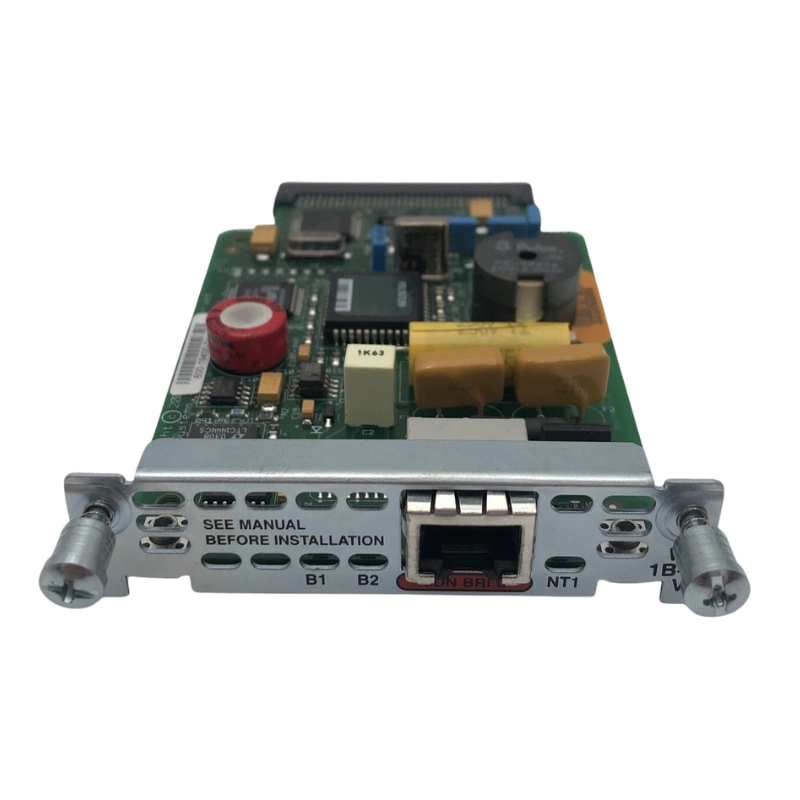


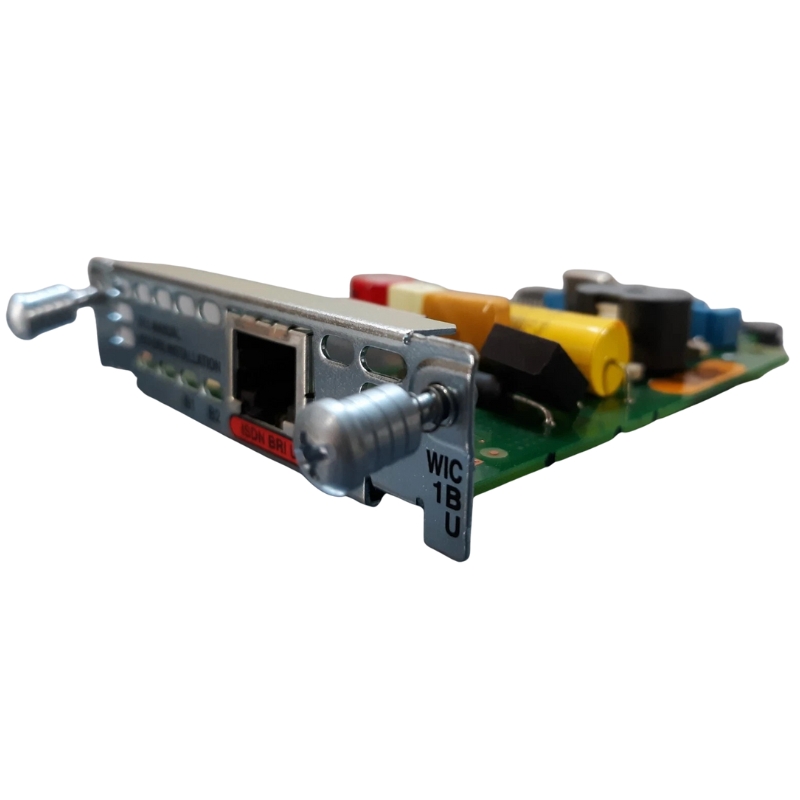
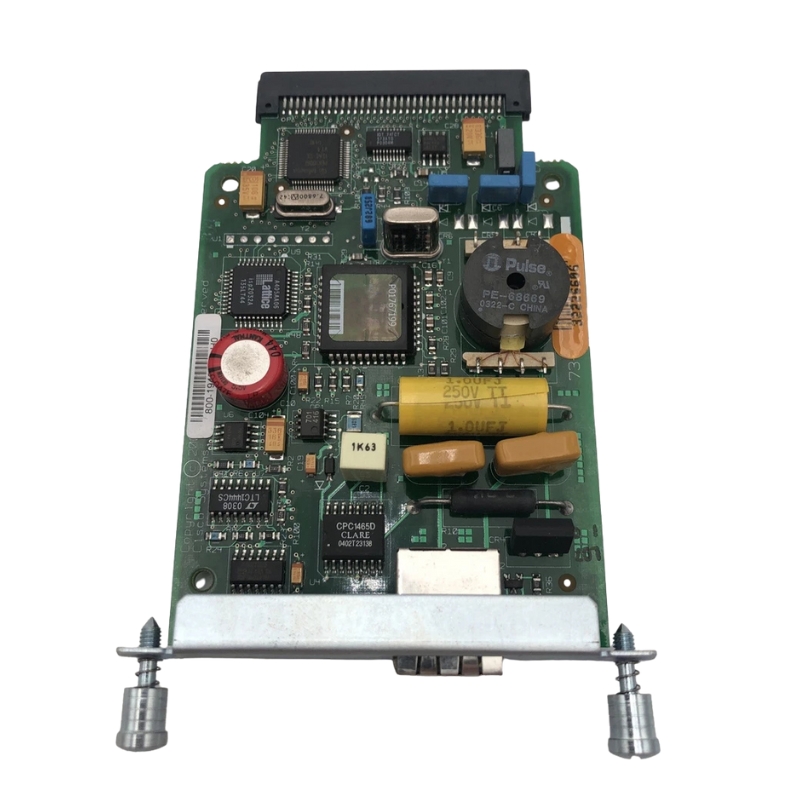
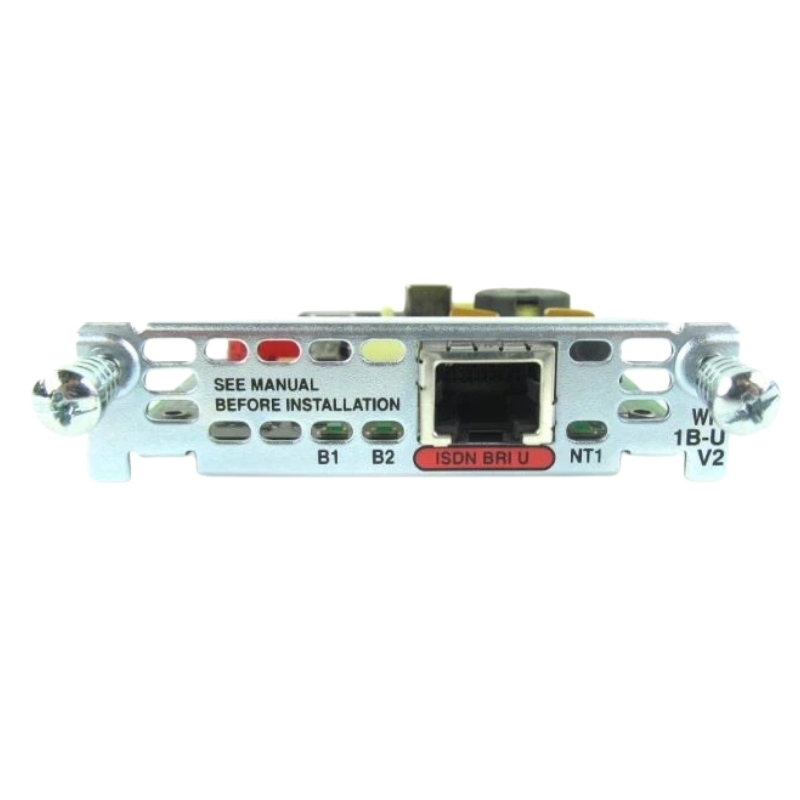
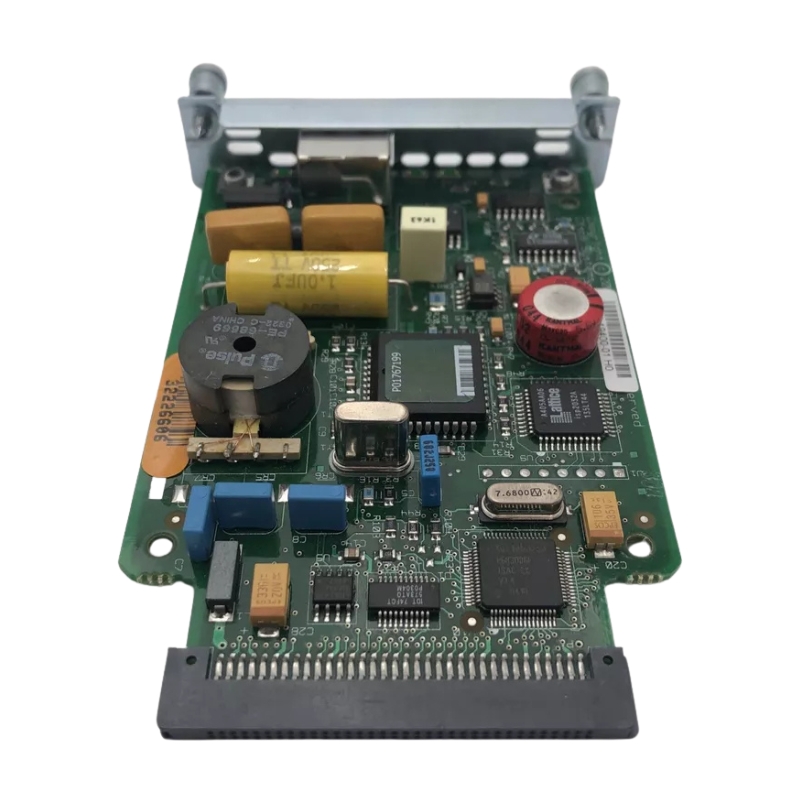
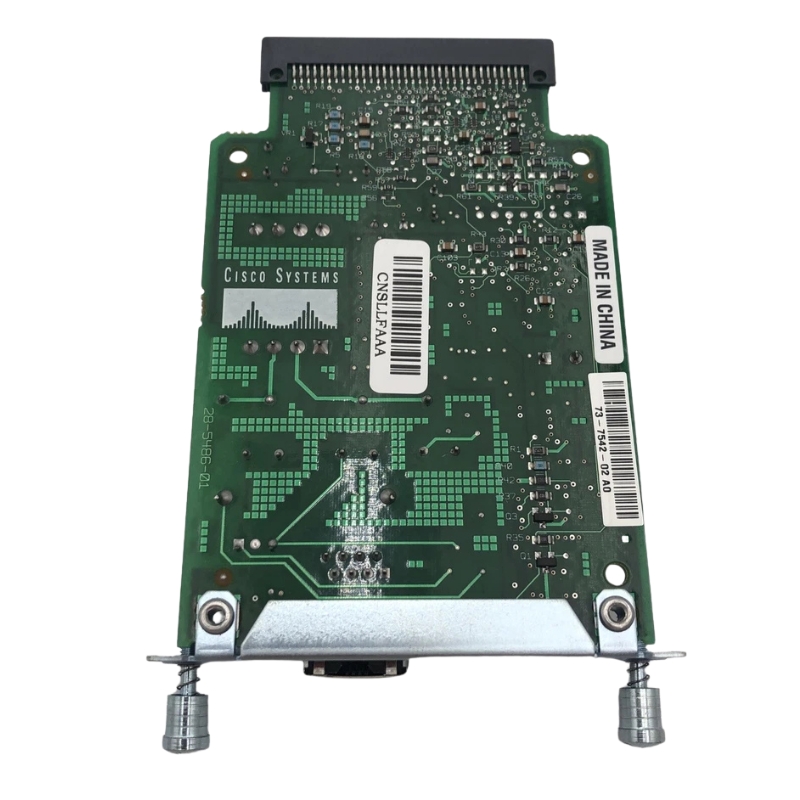
Cisco WIC-1B-U-V2= 1-Port WAN Interface Card. Excellent Refurbished with 1 year replacement warranty
| SKU/MPN | Warranty | Price | Condition | You save |
|---|---|---|---|---|
| WIC-1B-U-V2= | 1 Year Warranty | $65.00 | Excellent Refurbished | You save: $22.75 (26%) |
| WIC-1B-U-V2= | 1 Year Warranty | Contact us for a price | Factory-Sealed New Retail in Original Box (FSB) |
Cisco WIC-1B-U-V2 WAN Interface Card Overview
The Cisco WIC-1B-U-V2 WAN Interface Card is a reliable wide area networking expansion module engineered to extend connectivity capabilities for legacy Cisco router environments. Designed to support ISDN Basic Rate Interface (BRI) communication through a U interface with integrated NT1 functionality, this WAN interface solution enables organizations to establish dependable branch connectivity, backup communication paths, and remote access infrastructure.
Built to integrate directly into compatible Cisco router platforms, the Cisco WIC-1B-U-V2 module delivers efficient WAN communication while simplifying deployment through standardized connectivity and proven Cisco networking architecture.
The Cisco WIC-1B-U-V2= WAN Interface Card is designed to extend routing capabilities and provide dependable wide area network communication across enterprise, branch, and distributed infrastructure environments. Built to support integrated WAN deployments, this interface module enables organizations to connect remote offices, support carrier services, and maintain reliable data transmission across geographically separated locations.
Organizations that continue to operate established routing infrastructures often require expansion modules capable of maintaining compatibility while delivering stable network communication. The Cisco WIC-1B-U-V2= fulfills these requirements by enabling additional WAN connectivity without requiring a complete replacement of existing hardware investments.
WAN interface cards function as essential expansion components within router ecosystems. They allow routers to communicate with remote locations and service provider networks while maintaining traffic management and secure transmission standards.
In business environments where uninterrupted communication remains critical, WAN modules create the foundation for applications such as cloud access, centralized databases, remote collaboration systems, transaction processing, and inter-office communication.
The Cisco WIC-1B-U-V2= category addresses these operational demands through dependable interface expansion that integrates with compatible routing platforms.
The architecture of the Cisco WIC-1B-U-V2= emphasizes modular expansion. Rather than replacing routing equipment to gain additional connectivity options, organizations can install dedicated WAN interface cards to increase deployment flexibility.
This modular approach reduces infrastructure costs while simplifying network growth strategies. Network administrators gain the ability to scale connectivity according to changing operational requirements.
Expansion architecture also minimizes disruption during upgrades because interface cards can be deployed within existing systems while preserving previously configured routing environments.
The Cisco WIC-1B-U-V2= category is commonly associated with routing platforms designed to support WAN interface expansion modules. Compatibility enables organizations to maintain operational continuity and leverage existing network investments.
Deployments typically involve integration into branch office routers, regional communication hubs, and enterprise edge infrastructure where reliable WAN services remain essential.
Distributed enterprises frequently depend on centralized applications and remote connectivity. WAN interface cards assist in linking these locations efficiently while preserving routing control and maintaining communication consistency.
Businesses operating multiple facilities benefit from scalable architecture that accommodates growth without introducing unnecessary infrastructure complexity.
Reliable transmission remains one of the most important characteristics of enterprise networking. The Cisco WIC-1B-U-V2= supports communication requirements where predictable connectivity and consistent performance are essential.
Data moving between remote branches and central locations must remain stable to support productivity applications, business processes, and operational services.
The interface architecture helps maintain communication integrity while reducing interruptions that could impact business operations.
Routing performance depends heavily on how efficiently interfaces process and direct traffic flows. WAN interface modules contribute to efficient packet handling and route communication between connected environments.
Administrators can optimize deployment strategies through structured network design, proper interface allocation, and scalable topology planning.
Traffic behavior varies depending on application requirements and user demand. WAN interface deployments should account for expected utilization patterns to maintain service quality.
Organizations commonly evaluate traffic distribution, peak utilization periods, and redundancy requirements during implementation planning.
Scalability enables organizations to maintain performance as communication requirements evolve. Expansion through interface modules provides flexibility while minimizing infrastructure replacement cycles.
Branch offices require dependable communication with headquarters and regional locations. WAN interface cards support these environments by enabling remote routing connections that facilitate centralized application access and secure communication channels.
Through integrated WAN functionality, organizations maintain operational consistency regardless of office location.
Large organizations frequently expand network infrastructure incrementally. Expansion projects benefit from modular WAN interfaces because they reduce the complexity of introducing additional communication capabilities.
Instead of replacing existing routers, enterprises can install compatible modules and continue utilizing proven network architecture.
Regional offices often act as aggregation points for multiple branch locations. WAN interface deployment supports efficient data exchange and centralized management.
This configuration improves communication pathways and supports business continuity objectives.
Organizations supporting distributed work environments require reliable remote communication. WAN interfaces contribute to maintaining secure and efficient access between remote locations and internal resources.
Network teams can design connectivity models that align with business growth and geographic expansion requirements.
Enterprise networks continue evolving due to increased digital services, distributed applications, and expanding user demands. WAN interface cards allow organizations to adapt without replacing existing routing platforms.
Modular infrastructure strategies create long-term operational value by extending hardware usefulness and reducing transition costs.
Capacity planning helps organizations align infrastructure resources with business requirements. WAN expansion modules simplify this process by enabling gradual growth rather than large-scale replacement initiatives.
This flexibility supports financial efficiency and operational predictability.
Infrastructure modernization does not always require complete hardware replacement. Expansion solutions provide practical alternatives for organizations seeking to maximize previous investments.
The Cisco WIC-1B-U-V2= category fits this strategy by supporting incremental enhancement approaches.
Wide area communication environments often require controlled access, policy enforcement, and secure data transmission methods. Interface cards operate as foundational components that support broader routing and security frameworks.
Organizations can integrate WAN connectivity into established security architectures while maintaining operational standards.
Infrastructure downtime can interrupt productivity and impact customer experiences. Strategic WAN deployment and ongoing maintenance help minimize disruptions and maintain service continuity.
Network teams often implement proactive monitoring and scheduled validation activities to maintain reliability.
Effective management practices support efficient network operations. Interface expansion modules allow administrators to maintain centralized oversight while supporting distributed connectivity.
Management consistency improves operational efficiency and reduces configuration complexity across multiple locations.
Standardized deployment approaches create predictable operational outcomes and reduce troubleshooting efforts. Organizations often establish templates and validation procedures for WAN interface implementation.
Consistent standards contribute to easier maintenance and faster deployment cycles.
Communication between business locations depends on stable network infrastructure. WAN interface modules support information exchange and centralized access models across distributed operations.
Reliable connectivity enhances collaboration and improves operational responsiveness.
Organizations frequently centralize applications and data repositories to improve efficiency. WAN infrastructure enables remote users and branch offices to access these resources consistently.
This capability supports productivity initiatives and unified business operations.
Enterprise applications require dependable connectivity to maintain user experiences. WAN interface deployments contribute to stable communication channels that support application availability.
Organizations can align deployment models with performance objectives and service expectations.
Network resilience plays an important role in continuity planning. WAN connectivity strategies support recovery initiatives and maintain communication pathways during operational changes.
Interface expansion capabilities enable organizations to adapt infrastructure while minimizing service interruptions.
Long-term planning ensures networks remain aligned with evolving business requirements. WAN interface modules support phased expansion strategies and reduce the need for abrupt infrastructure changes.
Organizations gain flexibility to adjust capacity and connectivity according to operational priorities.
Agility enables businesses to respond to technological changes more effectively. Modular WAN expansion provides practical methods for introducing additional connectivity while maintaining infrastructure stability.
The Cisco WIC-1B-U-V2= WAN Interface Card category remains relevant for organizations focused on extending routing capabilities, supporting remote communication, and maintaining dependable enterprise-wide connectivity through modular network design.


 Contact Us
 Information
 Catalog
 Solid State Drives (SSD)
 Network Switches
 Hard Disk Drives
 HBA & Controllers
 PC & Servers
 PC & Server Memory
 CPU & Processors
 Network Routers
 Power Supplies
 Tape Drives & Libraries
 Network Devices
 Computer & Network Cables