(7% discount is applied at checkout)
Cart is empty
Your go-to destination for cutting-edge server products
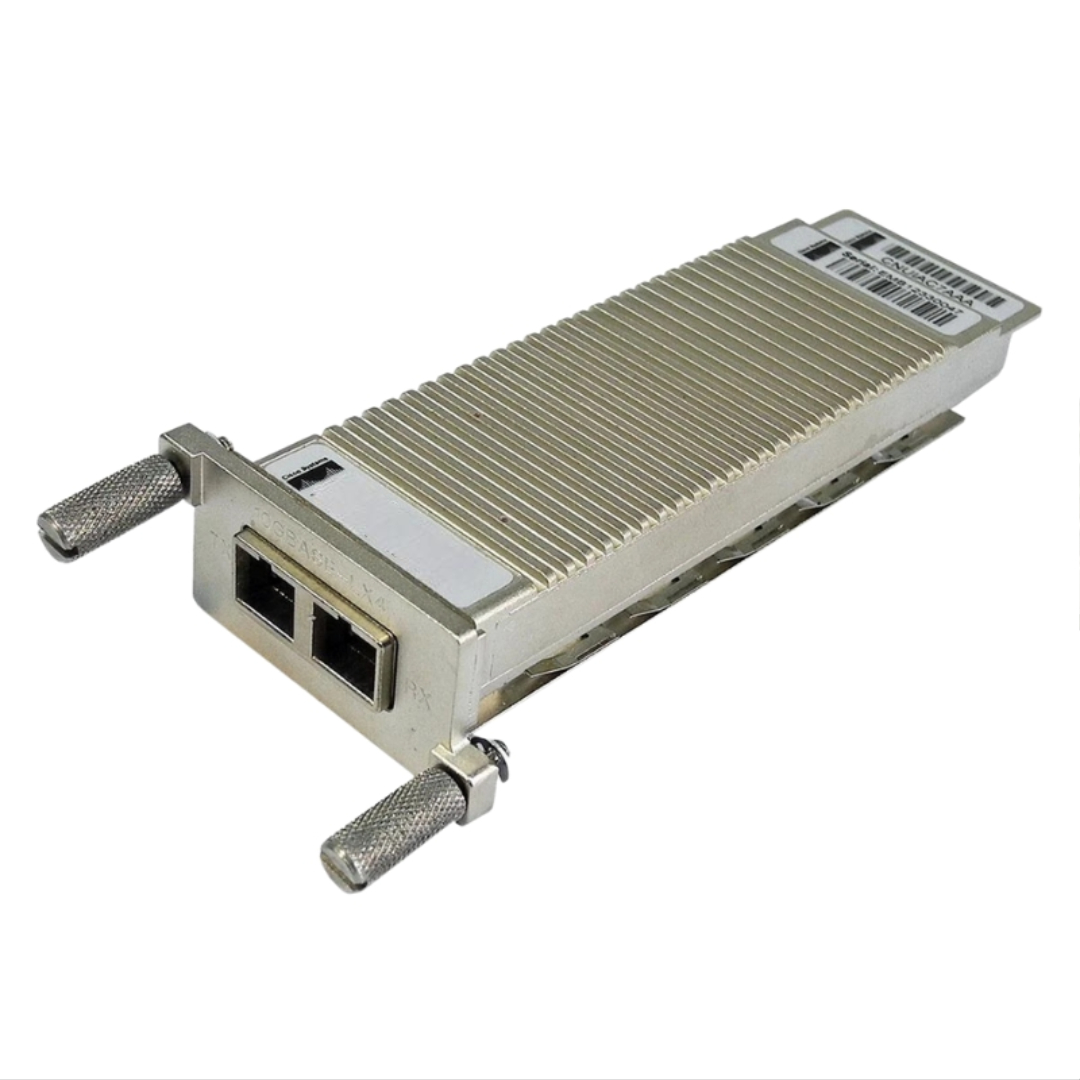


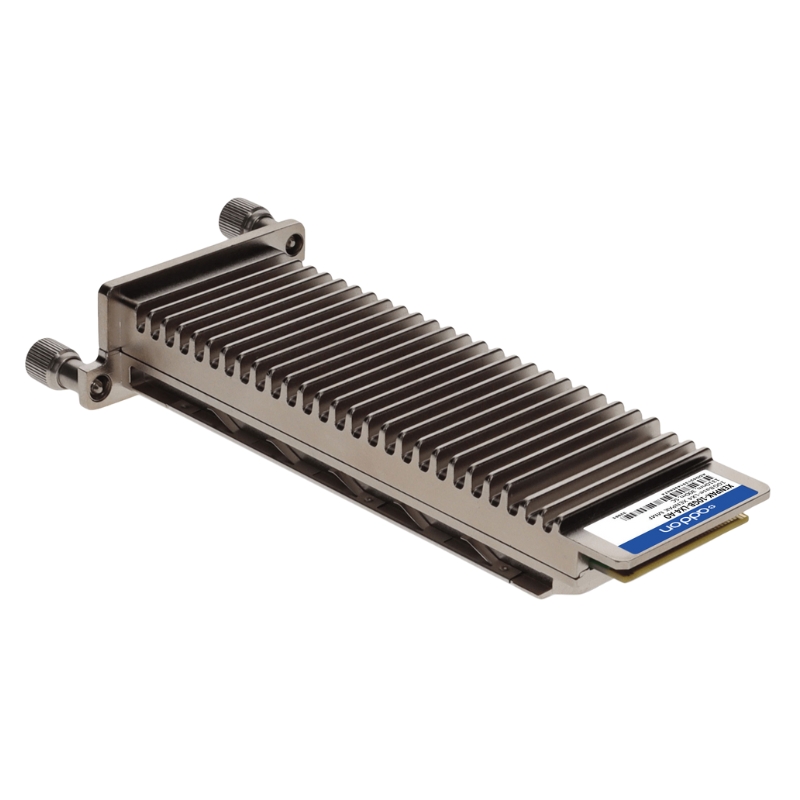
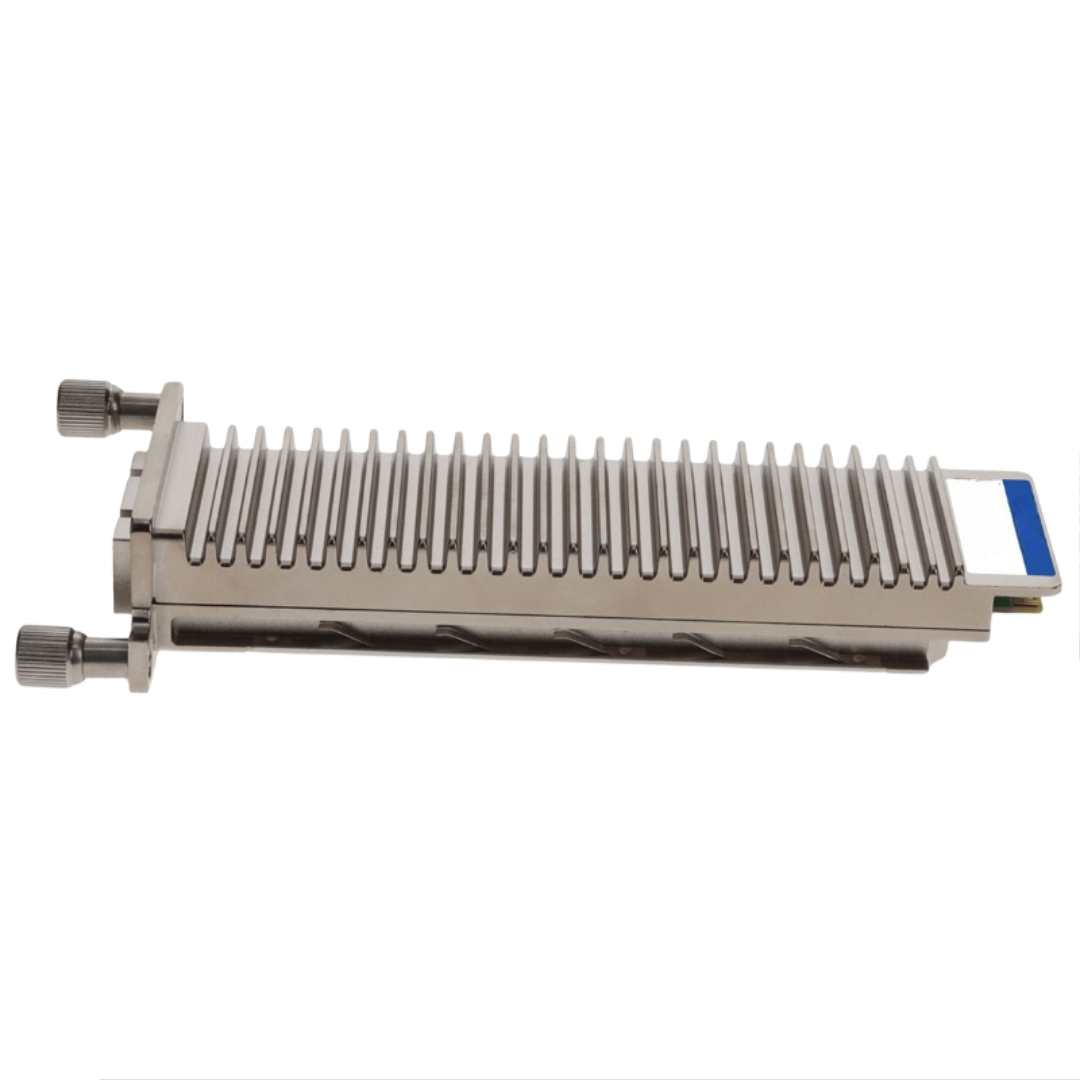
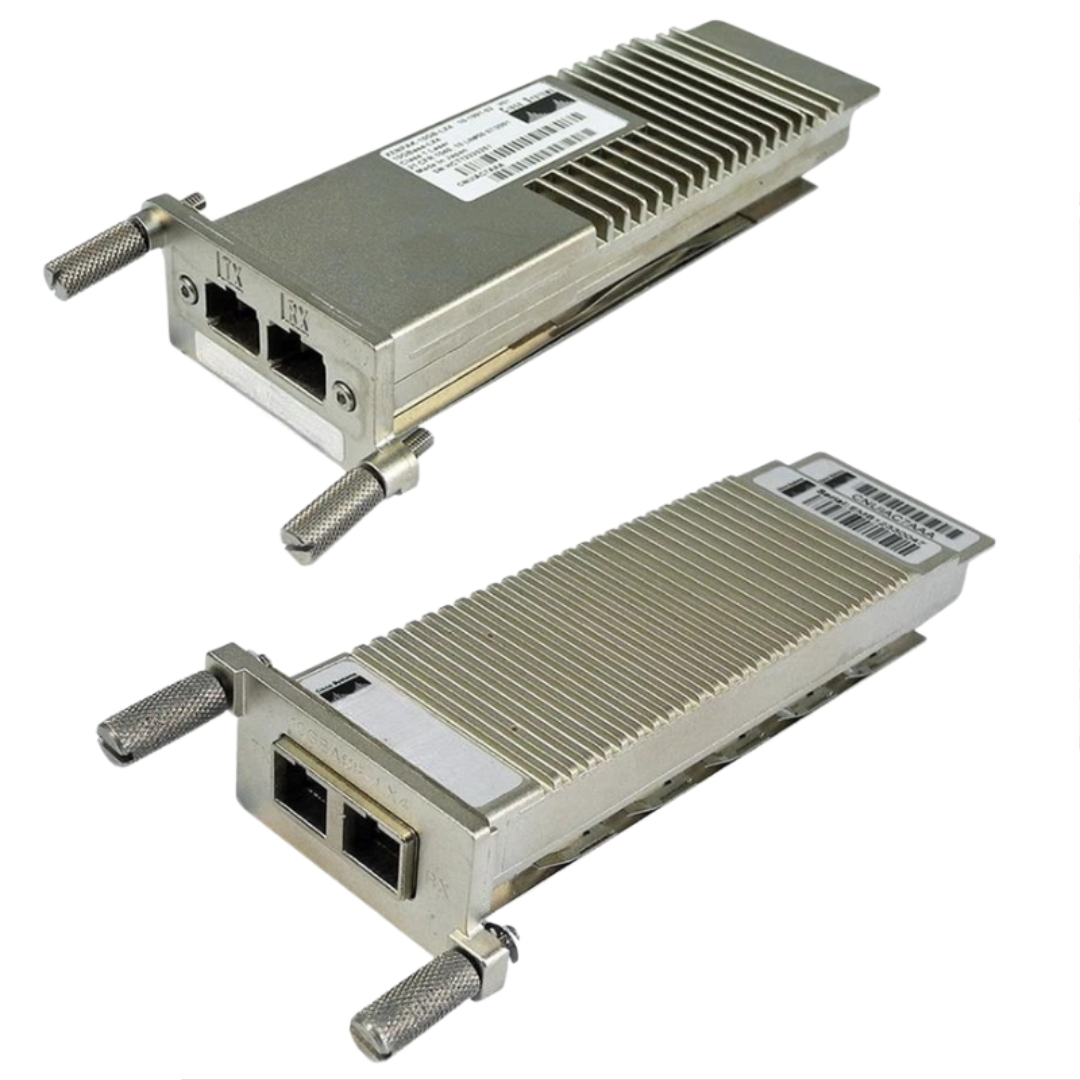
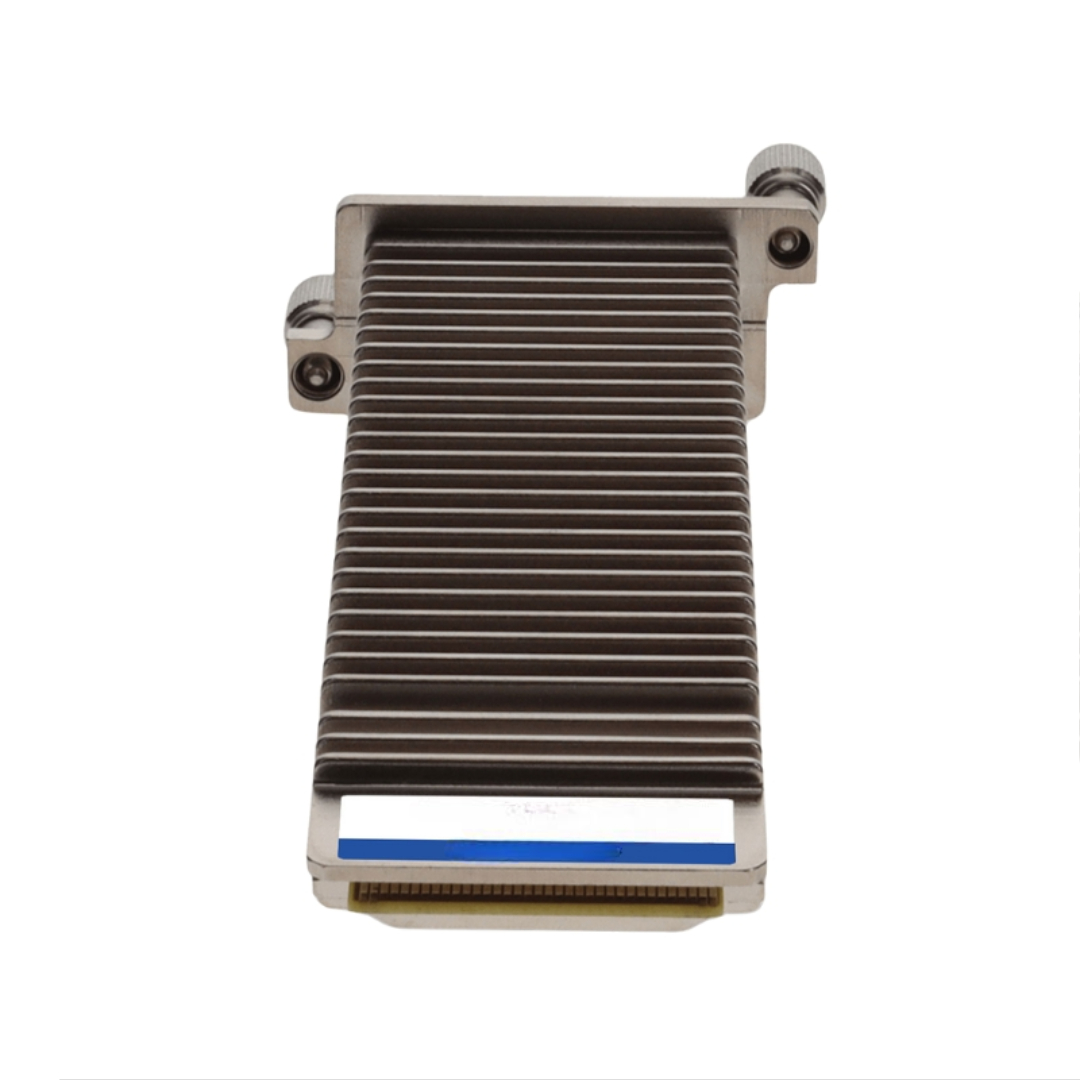
Cisco XENPAK-10GB-LX4 Multi-mode Transceiver. Factory-Sealed New in Original Box (FSB) with 1 year replacement warranty
| SKU/MPN | Warranty | Price | Condition | You save |
|---|---|---|---|---|
| XENPAK-10GB-LX4 | 1 Year Warranty | $60.00 | Excellent Refurbished | You save: $21.00 (26%) |
| XENPAK-10GB-LX4 | 1 Year Warranty | $640.00 | Factory-Sealed New Retail in Original Box (FSB) | You save: $224.00 (26%) |
The Cisco XENPAK-10GB-LX4 is a high-performance 10Gbps transceiver module. Designed for optical networking and data communication, this device ensures reliable multi-mode fiber connectivity with advanced compliance and efficient Ethernet transmission for enterprise-grade infrastructures.
The Cisco XENPAK-10GB-LX4 10Gbps Transceiver Module represents a high-performance optical networking component designed for enterprise and carrier-class data communication environments. Developed under the engineering ecosystem of this transceiver module is part of the XENPAK form factor family, which was widely adopted for early 10 Gigabit Ethernet (10GbE) deployments in core switching and routing infrastructures. It is optimized for long-reach optical transmission using LX4 technology, making it suitable for high-capacity backbone links in metropolitan area networks (MANs), campus interconnects, and data center aggregation layers.
In modern networking environments where bandwidth demand continues to scale due to cloud computing, virtualization, and real-time data analytics, optical transceiver modules such as the XENPAK-10GB-LX4 serve as essential building blocks. They enable high-speed data transmission over fiber optic cables with minimal latency and strong signal integrity. The LX4 variant specifically utilizes wavelength division multiplexing (WDM) techniques to divide the 10Gbps signal into multiple lanes, allowing transmission over legacy multimode or single-mode fiber depending on implementation.
The architecture of the Cisco XENPAK-10GB-LX4 module is built around optical-electrical-optical (OEO) conversion processes. Incoming electrical signals from the host device are converted into optical signals, transmitted through fiber, and then reconverted at the receiving end. This ensures high-speed communication across extended distances while maintaining signal fidelity.
The LX4 technology uses four separate wavelengths to carry a 10Gbps Ethernet signal. Each wavelength typically carries a 3.125Gbps data stream, combining to form the full 10Gbps throughput. This parallel transmission technique allows the module to maintain stable performance even in environments where single-wavelength long-range optics might face dispersion limitations. The use of multiple wavelengths also enhances resilience against chromatic dispersion, a common challenge in long-distance fiber deployments.
Advanced signal conditioning mechanisms are integrated into the module to ensure data integrity. These include clock data recovery (CDR), signal reshaping, and forward error correction (FEC) compatibility in supported network hardware. These systems ensure that jitter, attenuation, and dispersion do not compromise transmission quality across supported distances.
The Cisco XENPAK-10GB-LX4 module is recognized for its balance of performance, reliability, and interoperability in legacy and hybrid infrastructure environments. It is engineered to meet the demands of enterprise-grade Ethernet networks operating at 10 Gigabit speeds.
Supporting up to 10Gbps full-duplex communication, the module enables simultaneous upstream and downstream data flow without congestion. This makes it suitable for environments requiring consistent throughput such as virtualization clusters, storage area networks (SANs), and high-performance computing nodes.
The LX4 specification is optimized for long-distance fiber runs, typically extending up to 10 kilometers or more depending on fiber quality and network configuration. This capability makes it ideal for connecting geographically separated network segments without requiring intermediate signal regeneration.
The XENPAK form factor supports hot-swapping, allowing network administrators to replace or upgrade modules without shutting down the host system. This minimizes downtime and ensures continuous network availability in mission-critical infrastructures.
Many Cisco optical modules incorporate digital optical monitoring (DOM) functionality. This allows real-time tracking of parameters such as optical power levels, temperature, laser bias current, and supply voltage. These diagnostic capabilities enable proactive maintenance and rapid fault isolation in complex network environments.
The Cisco XENPAK-10GB-LX4 module is commonly deployed in environments where high bandwidth and long-distance connectivity are essential. Its design supports a wide range of enterprise and service provider applications.
In large-scale data centers, the module facilitates high-speed communication between aggregation switches and core routing infrastructure. Its ability to maintain stable performance over fiber distances ensures efficient load balancing and distributed computing workflows.
Educational institutions, corporate campuses, and government facilities often rely on LX4 modules to connect multiple buildings within a unified network architecture. The long-reach capability eliminates the need for multiple intermediate switching layers.
Service providers use these modules in metro Ethernet deployments to support high-bandwidth customer connections and backbone transport systems. The LX4 standard ensures compatibility with existing optical fiber infrastructure while delivering scalable performance.
Scientific research environments and computational clusters benefit from the low-latency, high-throughput characteristics of the XENPAK-10GB-LX4 module. These environments require predictable and stable network performance for distributed processing tasks.
The Cisco XENPAK-10GB-LX4 module is designed for compatibility with network devices that support the XENPAK interface standard. This includes a range of enterprise routers and switches that were widely deployed in early 10GbE infrastructure upgrades.
Integration requires a compatible XENPAK slot, typically found in older Cisco switching and routing platforms. Proper firmware and IOS support are necessary to ensure full functionality and recognition of optical parameters.
Depending on deployment configuration, the module may operate over multimode or single-mode fiber with appropriate conditioning. LX4 technology was originally designed to maximize compatibility across existing fiber infrastructures, reducing upgrade costs for enterprises transitioning to 10GbE.
The module complies with IEEE 802.3ae 10G Ethernet standards, ensuring compatibility with a wide range of Ethernet networking equipment beyond Cisco ecosystems. This enables flexible deployment across heterogeneous environments.
The module is inserted into a compatible XENPAK slot until fully seated. A locking mechanism secures the module in place to prevent accidental disconnection. Care must be taken to avoid touching optical connectors directly, as contamination can degrade signal quality.
Optical fiber connectors should be cleaned before insertion to ensure minimal signal loss. Dust caps should be removed only immediately before connection. Proper bend radius guidelines must be followed to prevent fiber damage and performance degradation.
Once installed, network administrators typically verify module detection via system CLI commands or network management software. Interface configuration may include enabling the port, setting speed parameters, and verifying optical diagnostics.
To maximize the effectiveness of the Cisco XENPAK-10GB-LX4 module, network engineers often implement optimization strategies at both the physical and logical layers of the network architecture.
Efficient traffic engineering ensures that the 10Gbps capacity is utilized effectively across critical network segments. This may involve load balancing, link aggregation, and quality of service (QoS) policies.
Minimizing hops and optimizing routing paths helps reduce latency. In high-performance environments, direct fiber links using LX4 modules significantly improve data transmission speed compared to multi-hop copper-based networks.
Regular monitoring of optical power levels and temperature conditions helps maintain stable performance. Adjustments to network topology may be required if attenuation levels exceed recommended thresholds.
Despite being part of an earlier generation of 10GbE technology, the Cisco XENPAK-10GB-LX4 module continues to play a strategic role in maintaining and extending legacy network systems. Many organizations still rely on XENPAK-based infrastructure for core routing and switching functions, particularly in environments where full hardware replacement is not immediately feasible.
Its ability to deliver reliable long-distance optical transmission ensures that it remains relevant in hybrid network architectures where older and newer technologies coexist. The combination of durability, performance stability, and interoperability reinforces its value in enterprise networking ecosystems.
As networks evolve toward higher-speed standards such as 40GbE and 100GbE, XENPAK modules continue to serve as bridging components. They support transitional architectures where incremental upgrades are preferred over complete infrastructure overhauls.
Hybrid optical networks often combine multiple generations of transceiver technology. The XENPAK-10GB-LX4 module ensures compatibility and continuity in such environments, enabling seamless data flow between legacy and modern switching platforms.


 Contact Us
 Information
 Catalog
 Solid State Drives (SSD)
 Network Switches
 Hard Disk Drives
 HBA & Controllers
 PC & Servers
 PC & Server Memory
 CPU & Processors
 Network Routers
 Power Supplies
 Tape Drives & Libraries
 Network Devices
 Computer & Network Cables