(7% discount is applied at checkout)
Cart is empty
Your go-to destination for cutting-edge server products
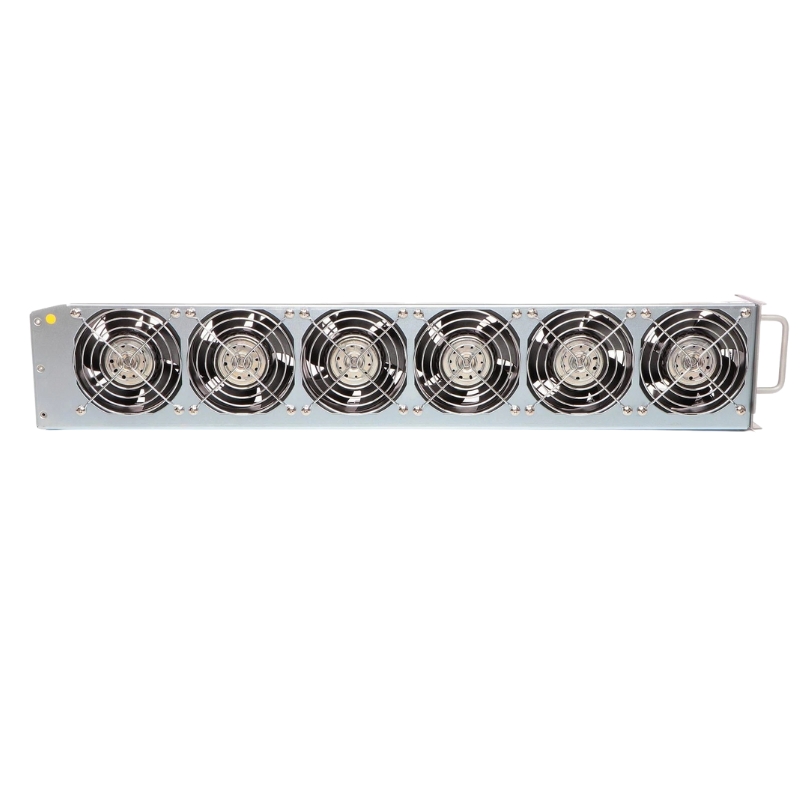


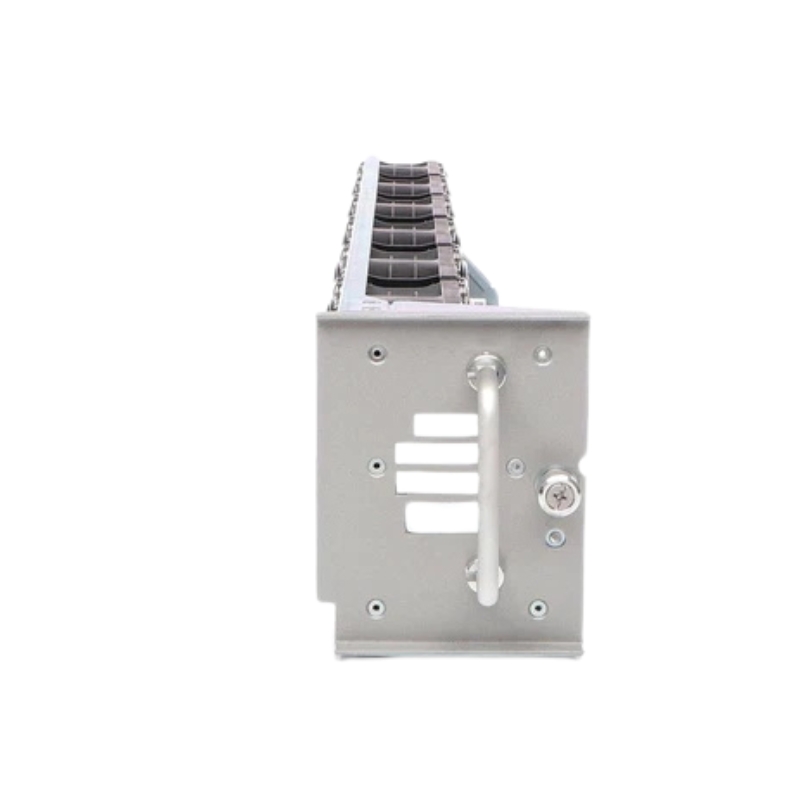
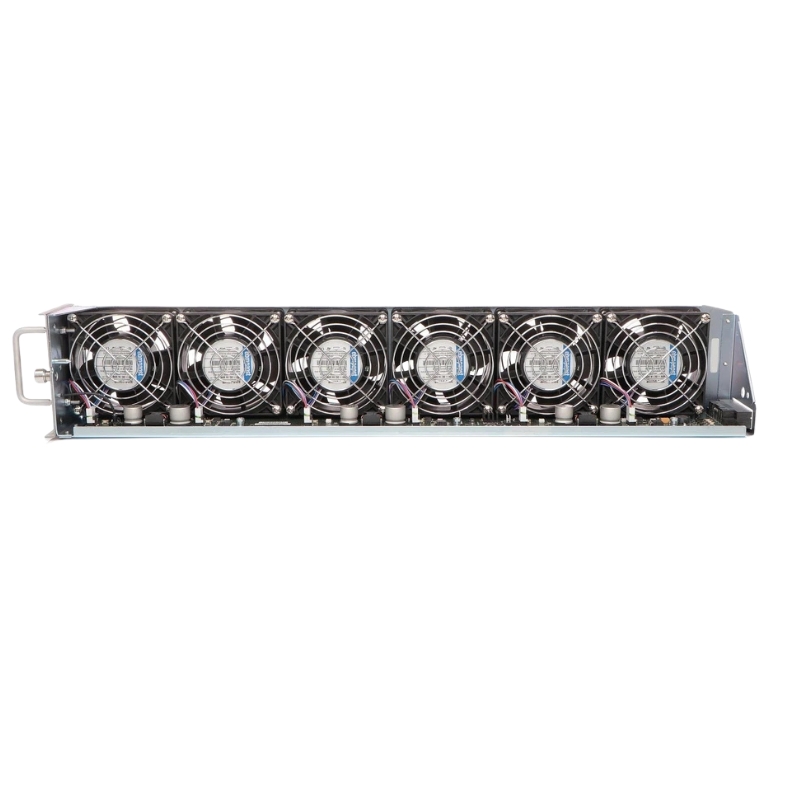
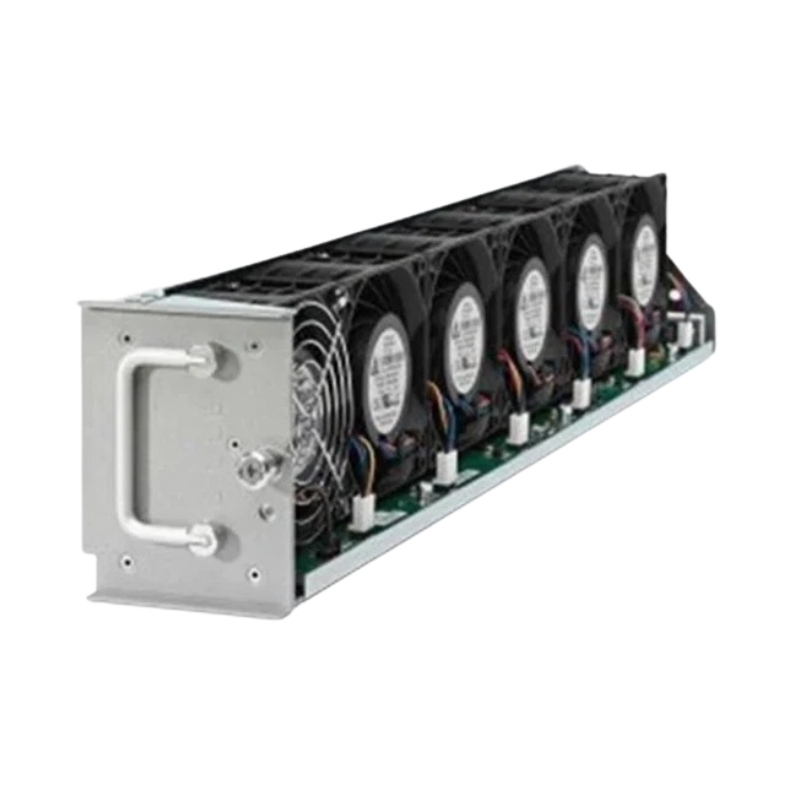
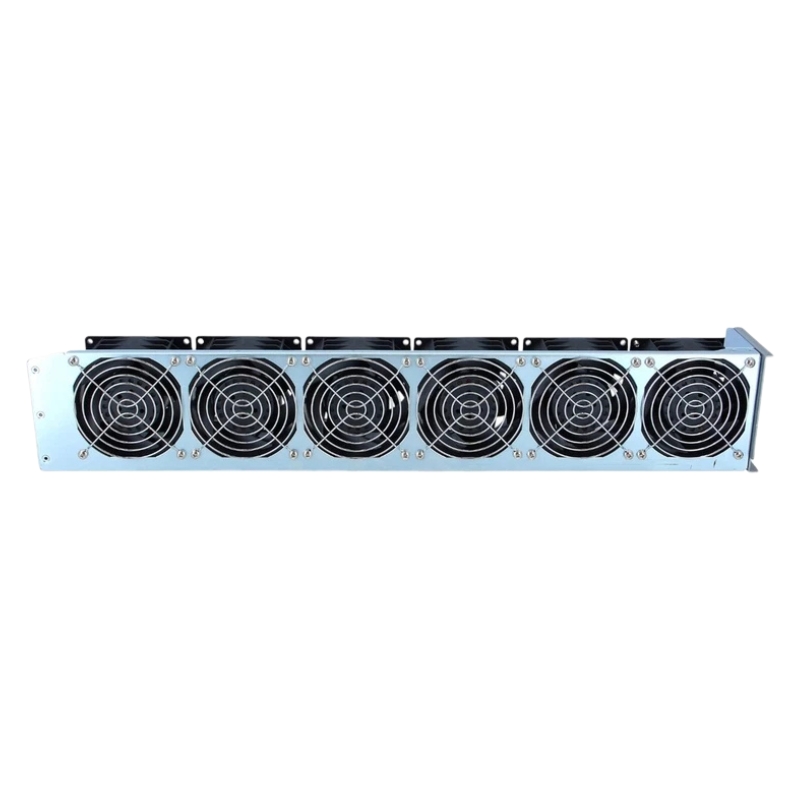
Cisco ASR-9006-FAN-V2 Fan Tray. Excellent Refurbished with 1 year replacement warranty
The Cisco ASR-9006-FAN-V2 Fan Tray is a precision-engineered cooling component designed to maintain optimal thermal performance within high-capacity networking environments. Built to support continuous airflow efficiency, this fan tray ensures stable temperature regulation for mission-critical routing infrastructure, enhancing overall system reliability and uptime in demanding enterprise and service provider deployments.
The Cisco ASR-9006-FAN-V2 Fan Tray is a critical cooling component designed for high availability routing environments where thermal stability, continuous airflow management, and hardware longevity are essential. Built specifically for integration with the Cisco ASR 9006 modular chassis, this fan tray system ensures consistent temperature regulation across densely populated networking infrastructures. In large scale service provider networks, enterprise backbone deployments, and mission critical data routing environments, effective heat dissipation directly influences system reliability and long term operational efficiency.
Modern network architectures rely on compact, high density routing platforms that generate significant thermal output due to high speed processors, line cards, power modules, and switching fabric components. The Cisco ASR-9006-FAN-V2 Fan Tray is engineered to maintain optimal airflow through the chassis, ensuring that internal components operate within safe temperature thresholds. This helps prevent performance degradation, hardware throttling, and unexpected system shutdowns caused by overheating conditions.
The Cisco ASR-9006-FAN-V2 Fan Tray provides a structured airflow design that supports consistent cooling distribution across the entire chassis. Instead of relying on passive cooling or isolated airflow zones, the system utilizes a coordinated fan arrangement that ensures even temperature control from top to bottom and front to rear depending on chassis configuration. This uniform cooling approach is essential in environments where multiple high performance modules operate simultaneously.
Thermal management is a fundamental requirement in carrier grade routing systems. As data traffic increases, processing loads on routing engines and switching components rise significantly. Without proper cooling, system stability may be compromised. The fan tray mitigates this risk by maintaining continuous air circulation, preventing heat accumulation in critical zones, and ensuring that each module receives adequate cooling support.
The design also accounts for redundancy and fault tolerance. In mission critical deployments, uninterrupted operation is required even during hardware maintenance or partial component failure. The fan tray architecture supports continuous airflow even under varying load conditions, helping maintain system uptime and operational resilience.
The Cisco ASR 9006 platform is widely deployed in service provider backbone networks where uptime is essential. The fan tray contributes directly to system stability by ensuring that all internal components remain within operational temperature limits. This reduces the likelihood of thermal shutdowns and extends the lifespan of sensitive electronic components such as processors, memory modules, and interface cards.
Carrier grade reliability requires strict adherence to environmental control standards. Network equipment must perform consistently under varying workloads, ambient temperature fluctuations, and continuous operational stress. The ASR-9006-FAN-V2 Fan Tray supports these requirements by delivering sustained airflow performance designed for long duration operations without performance degradation.
In addition, the fan tray system is engineered to integrate seamlessly with the chassis monitoring systems. This allows network administrators to observe thermal conditions in real time and respond proactively to potential cooling issues before they escalate into critical failures.
High density routing platforms such as the Cisco ASR 9006 are often deployed in data centers and telecom facilities where rack space optimization is a priority. These environments typically house multiple high performance devices in close proximity, resulting in concentrated heat generation. Effective cooling solutions are therefore essential to maintain stable operations.
The Cisco ASR-9006-FAN-V2 Fan Tray is designed to handle these demanding conditions by delivering high volume airflow through strategically placed intake and exhaust channels. This ensures that heat generated by line cards and routing engines is efficiently expelled from the chassis.
As network traffic increases due to cloud computing, video streaming, mobile data expansion, and enterprise connectivity demands, the cooling requirements of routing platforms also increase. The fan tray system adapts to these operational demands by maintaining consistent thermal regulation regardless of workload intensity.
The ASR-9006-FAN-V2 Fan Tray is built as an integrated module that fits directly into the Cisco ASR 9006 chassis architecture. Its modular design allows for straightforward installation, replacement, and maintenance without requiring extensive system downtime. This is particularly important in environments where continuous service availability is required.
The mechanical structure of the fan tray is optimized for airflow efficiency and structural durability. Materials used in construction are selected to withstand continuous operation in high temperature environments while maintaining mechanical stability over extended periods of usage. The fan assembly is arranged to maximize air movement while minimizing turbulence and noise within operational limits.
In addition, the modular nature of the fan tray allows it to be serviced independently from other chassis components. This reduces maintenance complexity and ensures that cooling system upgrades or replacements can be performed without disrupting overall network operations.
Efficient airflow management is a core design principle of the Cisco ASR-9006-FAN-V2 Fan Tray. The system is engineered to guide air through the chassis in a controlled and predictable manner. This airflow path ensures that heat generated by critical components is quickly removed and replaced with cooler ambient air.
The fan tray plays a key role in maintaining temperature equilibrium within the chassis. By continuously circulating air, it prevents localized heat buildup that could negatively affect performance. This is especially important for routing engines and high speed interface modules that require stable operating conditions to function correctly.
Heat dissipation efficiency directly impacts system performance and hardware longevity. Excess heat can lead to reduced processing efficiency, increased error rates, and accelerated component wear. The fan tray mitigates these risks by ensuring consistent thermal balance throughout the system.
In enterprise and service provider environments, redundancy is a critical design requirement. The Cisco ASR-9006-FAN-V2 Fan Tray is engineered with operational continuity in mind. Even in the event of partial fan failure or maintenance activity, the system is designed to maintain sufficient airflow to prevent overheating.
This redundancy ensures that network operations remain stable even under less than ideal conditions. Continuous airflow support reduces the risk of unexpected downtime and helps maintain service level expectations in mission critical environments.
Redundancy also supports maintenance operations. Network administrators can perform component replacements or upgrades while minimizing impact on system performance. This contributes to higher operational efficiency and reduced service interruption risks.
The Cisco ASR-9006-FAN-V2 Fan Tray is commonly deployed in data centers where high performance routing systems are required to manage large volumes of network traffic. Data centers typically operate under strict thermal and environmental control policies, making efficient cooling systems essential for infrastructure reliability.
In these environments, the fan tray ensures that the ASR 9006 chassis remains within optimal temperature ranges even under heavy processing loads. This supports consistent performance for applications such as cloud connectivity, enterprise networking, content delivery, and large scale data processing.
Data center operators benefit from improved equipment longevity, reduced maintenance requirements, and enhanced system stability when effective cooling systems are in place. The fan tray contributes significantly to these operational advantages by maintaining stable airflow conditions.
Service provider networks depend on highly reliable routing infrastructure to deliver uninterrupted connectivity services to customers. The Cisco ASR 9006 platform is often deployed at the core or edge of such networks, where performance and reliability are critical. The fan tray plays an essential role in ensuring that these systems remain operational under continuous load conditions.
Network traffic in service provider environments is highly dynamic, with fluctuating demand patterns and peak usage periods. The cooling system must therefore adapt to varying thermal loads. The ASR-9006-FAN-V2 Fan Tray is designed to maintain consistent cooling performance regardless of traffic intensity.
This ensures that service providers can deliver stable network services such as internet connectivity, enterprise VPNs, and managed network services without performance degradation due to thermal constraints.
One of the most important functions of the Cisco ASR-9006-FAN-V2 Fan Tray is protecting internal hardware components from thermal stress. Excessive heat is one of the primary causes of hardware failure in networking equipment. By maintaining stable operating temperatures, the fan tray extends the lifespan of critical system components.
Components such as routing engines, switching fabrics, memory modules, and interface cards all rely on stable thermal conditions to function efficiently. The fan tray ensures that these components are continuously cooled, reducing wear and preventing premature failure.
Long term hardware protection contributes to reduced operational costs, fewer maintenance interventions, and improved return on infrastructure investment. This makes the fan tray an essential component in long term network planning strategies.
The Cisco ASR-9006-FAN-V2 Fan Tray integrates with system monitoring frameworks that provide real time feedback on temperature conditions and airflow performance. This allows network administrators to track cooling efficiency and respond proactively to potential issues.
Monitoring integration enhances visibility into system health and supports predictive maintenance strategies. By analyzing thermal data trends, administrators can identify early indicators of cooling system degradation and take corrective action before performance is impacted.
This level of operational insight is essential in environments where network uptime is critical and downtime must be minimized at all costs.
As network infrastructures evolve to support higher bandwidth requirements and more complex service delivery models, cooling systems must also scale accordingly. The Cisco ASR-9006-FAN-V2 Fan Tray supports scalable deployment strategies by providing reliable cooling capacity for expanding workloads.
Whether deployed in existing infrastructures or integrated into new network expansions, the fan tray ensures that thermal management remains consistent across different operational scales. This scalability supports long term infrastructure planning and reduces the need for frequent cooling system redesigns.


 Contact Us
 Information
 Catalog
 Solid State Drives (SSD)
 Network Switches
 Hard Disk Drives
 HBA & Controllers
 PC & Servers
 PC & Server Memory
 CPU & Processors
 Network Routers
 Power Supplies
 Tape Drives & Libraries
 Network Devices
 Computer & Network Cables