(7% discount is applied at checkout)
Cart is empty
Your go-to destination for cutting-edge server products
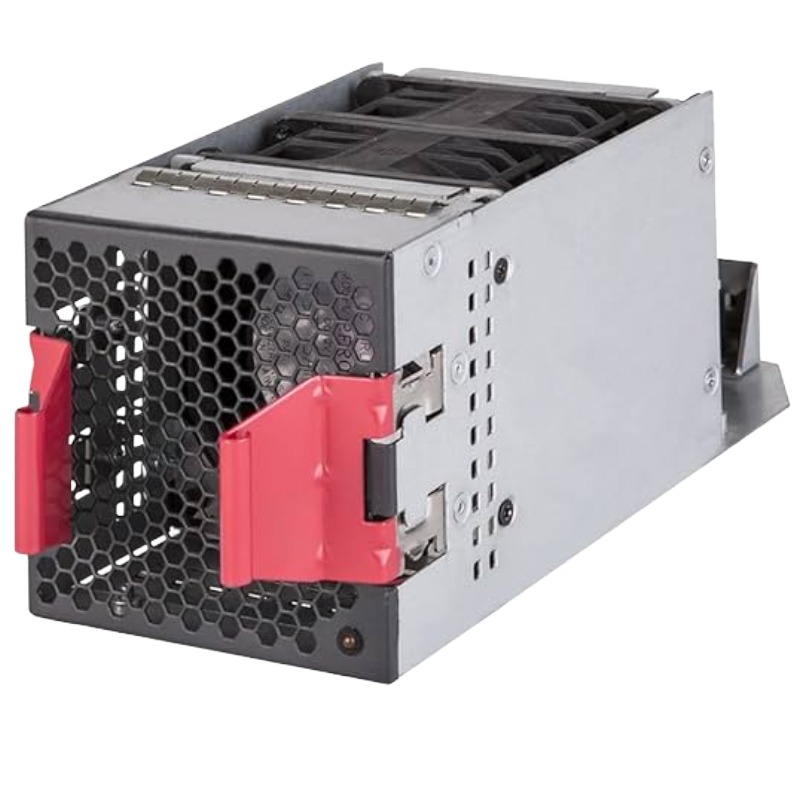


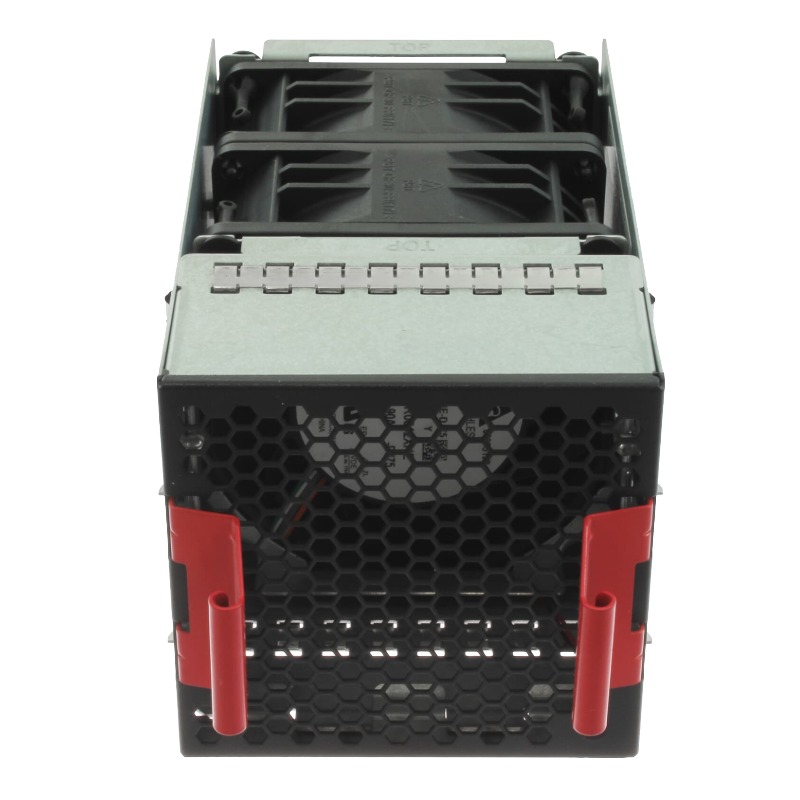
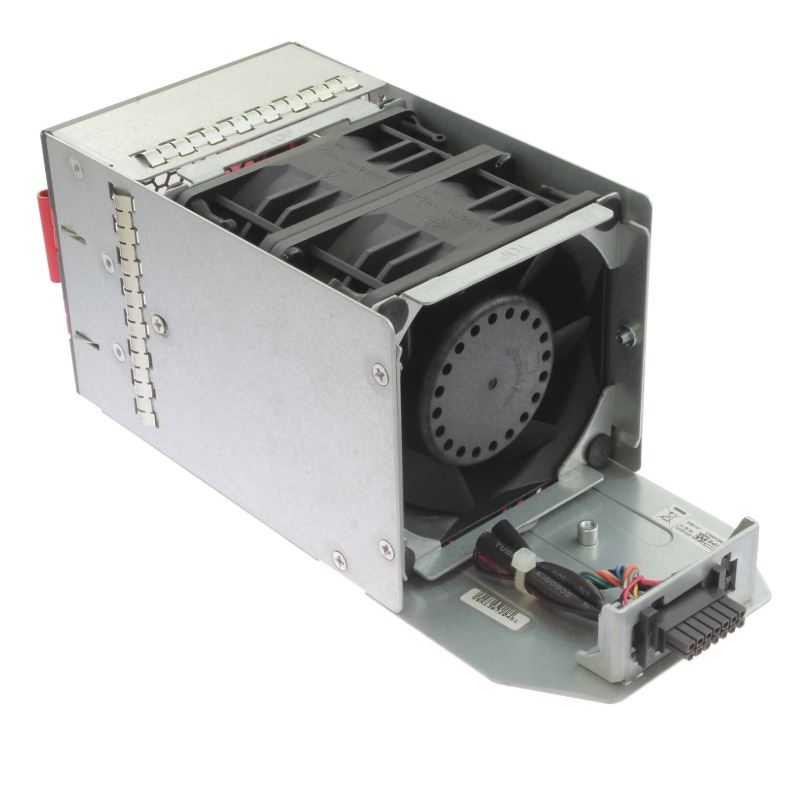
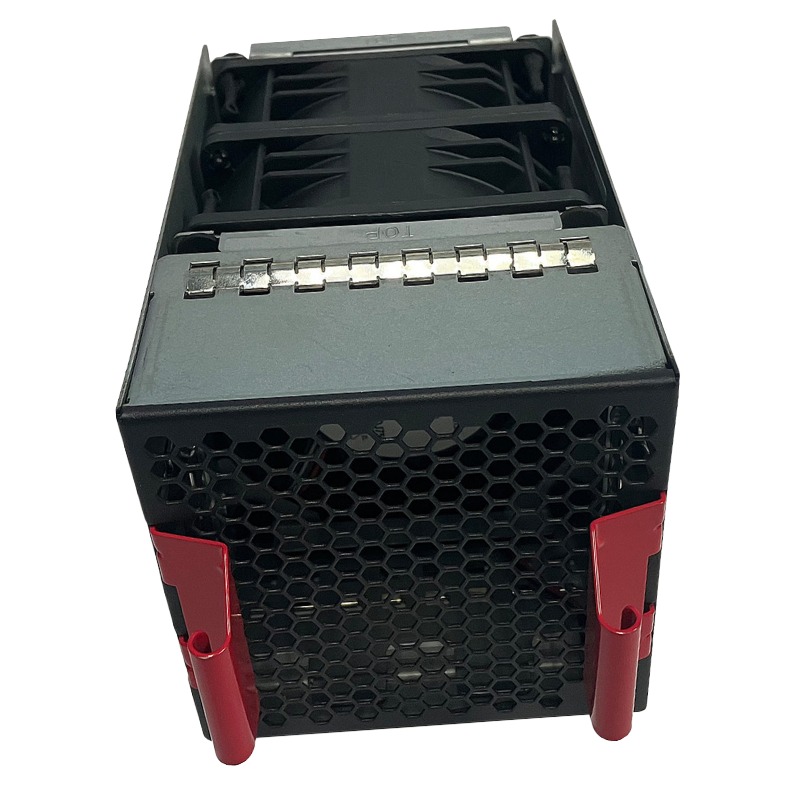
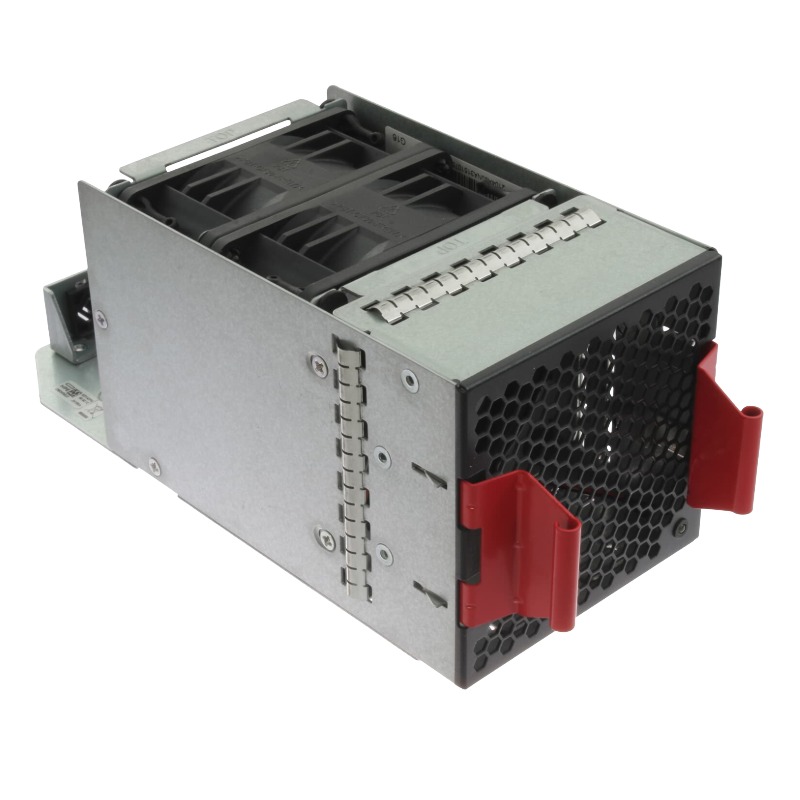
HPE JH186A 5930-4Slot Front (Port Side) to Back (Power Side) Airflow Fan Tray. Excellent Refurbished with 1-Year Replacement Warranty
The HPE JH186A Fan Tray is engineered to deliver efficient thermal management for compatible HPE networking switches. Designed with a front (port side) to back (power side) airflow direction, this component ensures optimal heat dissipation and stable system performance in demanding data center environments.
The HPE JH186A 5930-4Slot Front (Port Side) to Back (Power Side) Airflow Fan Tray is a critical thermal management component engineered for HPE 5930 series networking switches. Designed specifically for high-performance enterprise and data center environments, this fan tray supports optimized front-to-back airflow direction, ensuring consistent cooling for densely populated switch deployments. As modern network infrastructures demand higher bandwidth, lower latency, and increased port density, thermal regulation becomes a core requirement for maintaining system stability and long-term hardware reliability.
This fan tray is an integral part of the chassis-based switching architecture where airflow direction consistency plays a key role in preventing thermal hotspots. The design aligns with standard data center cooling strategies that utilize cold aisle to hot aisle airflow separation, ensuring compatibility with industry-standard rack cooling systems.
The HPE JH186A fan tray is engineered for front-to-back airflow, which is the most widely adopted cooling pattern in enterprise data centers. Air is drawn from the port side of the switch chassis, where cooler intake air is typically present, and exhausted through the power supply side. This directional flow ensures that heat generated by high-speed switching ASICs, transceivers, and internal routing fabrics is efficiently expelled without recirculation.
The controlled airflow path reduces thermal turbulence within the chassis. This is particularly important for high-density 10 Gigabit and multi-port switching environments where heat concentration can significantly impact performance stability.
The fan tray is designed with precision-optimized blade geometry that enhances static pressure while maintaining balanced airflow distribution. This ensures that air reaches all internal components evenly, including line cards and backplane modules.
Within the chassis, airflow is segmented into thermal zones that correspond to critical hardware components. These zones include the switching ASIC region, transceiver modules, and power regulation components. The fan tray ensures each zone receives adequate cooling based on thermal load distribution.
Modern data center architecture depends on predictable airflow patterns. The HPE JH186A fan tray aligns with cold aisle intake configurations, allowing cold air to be drawn from the front of the rack while hot air is expelled to the rear. This ensures seamless integration into standardized rack designs without requiring custom airflow adjustments.
The fan tray assembly is constructed using industrial-grade materials designed to withstand continuous high-speed operation. The structural framework supports multiple high-efficiency fans that operate in coordinated synchronization to maintain stable airflow even under variable load conditions.
Each fan module within the tray is mounted to minimize vibration and acoustic noise, ensuring that the system remains suitable for enterprise environments where multiple switches operate in close proximity.
Redundancy is a key feature of the fan tray system. In the event of a single fan failure, remaining fans automatically compensate by increasing operational speed to maintain adequate cooling. This redundancy is essential for maintaining uptime in mission-critical network environments.
The fan tray integrates adaptive speed control mechanisms that dynamically adjust airflow based on internal temperature sensors. When system load increases, fan speed scales accordingly to prevent overheating while optimizing energy consumption during low-demand periods.
The housing materials used in the fan tray are engineered for high thermal resistance and long-term durability. These materials prevent deformation under sustained heat exposure, ensuring consistent alignment and airflow integrity over extended operational lifespans.
The HPE JH186A fan tray is specifically designed for the HPE 5930 series chassis-based switches. These switches are widely used in enterprise campus networks, cloud infrastructure environments, and high-performance data centers requiring high-throughput switching capabilities.
Proper installation ensures seamless integration with the chassis backplane and power distribution system. The fan tray interfaces directly with the system’s thermal monitoring framework, allowing real-time performance tracking and automated fan adjustments.
The 5930 series supports high port density configurations, including multi-gigabit and 10GBase-T deployments. As port density increases, thermal output rises proportionally. The fan tray is designed to scale cooling performance in accordance with active port utilization.
High-speed transceivers generate significant localized heat. The airflow pattern of the fan tray ensures consistent cooling across QSFP+ and SFP+ modules installed in adjacent slots, preventing thermal throttling and maintaining link stability.
In enterprise environments, the HPE 5930 switch equipped with the JH186A fan tray is commonly deployed as a core switching device. The fan tray ensures continuous cooling under high traffic conditions, especially during peak operational loads such as data replication, virtualization traffic, and cloud service access.
At the aggregation layer, switches handle traffic from multiple access switches. The fan tray supports sustained throughput by maintaining stable internal temperatures, reducing the risk of packet loss due to thermal-induced hardware degradation.
In multi-tenant data centers, predictable thermal performance is essential. The fan tray enables consistent cooling regardless of tenant load variation, ensuring that no single workload disrupts system stability.
Clustered network architectures require synchronized performance across multiple switches. The fan tray contributes to hardware uniformity by maintaining consistent thermal conditions across all nodes in a cluster.
The fan tray works in conjunction with embedded thermal sensors located throughout the chassis. These sensors continuously monitor temperature fluctuations and relay data to the system management controller.
Real-time telemetry allows the system to adjust fan speeds instantly when temperature thresholds are approached. This proactive cooling mechanism prevents overheating before it impacts system performance.
By analyzing fan speed patterns and temperature trends, the system can detect early signs of airflow obstruction or fan degradation, allowing for preventative maintenance before failure occurs.
Energy efficiency is a key consideration in modern data center design. The fan tray minimizes power consumption by adjusting fan speeds dynamically rather than operating at constant maximum output. This reduces overall operational costs while maintaining cooling efficiency.
Enterprise environments require low acoustic interference. The fan tray incorporates aerodynamic blade designs that reduce turbulence-induced noise while maintaining optimal airflow volume.
The balance between cooling efficiency and acoustic output is carefully engineered to ensure that performance is not compromised in favor of silence, while still maintaining acceptable noise levels for data center operation.
Internal mounting systems reduce vibration transfer to the chassis, minimizing resonance and preventing cumulative noise amplification in multi-device rack configurations.
Thermal stability directly influences switch fabric performance. By maintaining optimal internal temperatures, the fan tray ensures consistent packet forwarding rates and prevents thermal throttling of switching ASICs.
In environments where sustained high throughput is required, such as virtualization clusters and cloud infrastructure backbones, the fan tray plays a vital role in maintaining consistent hardware performance under continuous load.
By preventing overheating, the fan tray indirectly supports low-latency packet processing, which is essential for real-time applications such as financial trading systems and distributed computing workloads.


 Contact Us
 Information
 Catalog
 Solid State Drives (SSD)
 Network Switches
 Hard Disk Drives
 HBA & Controllers
 PC & Servers
 PC & Server Memory
 CPU & Processors
 Network Routers
 Power Supplies
 Tape Drives & Libraries
 Network Devices
 Computer & Network Cables