(7% discount is applied at checkout)
Cart is empty
Your go-to destination for cutting-edge server products
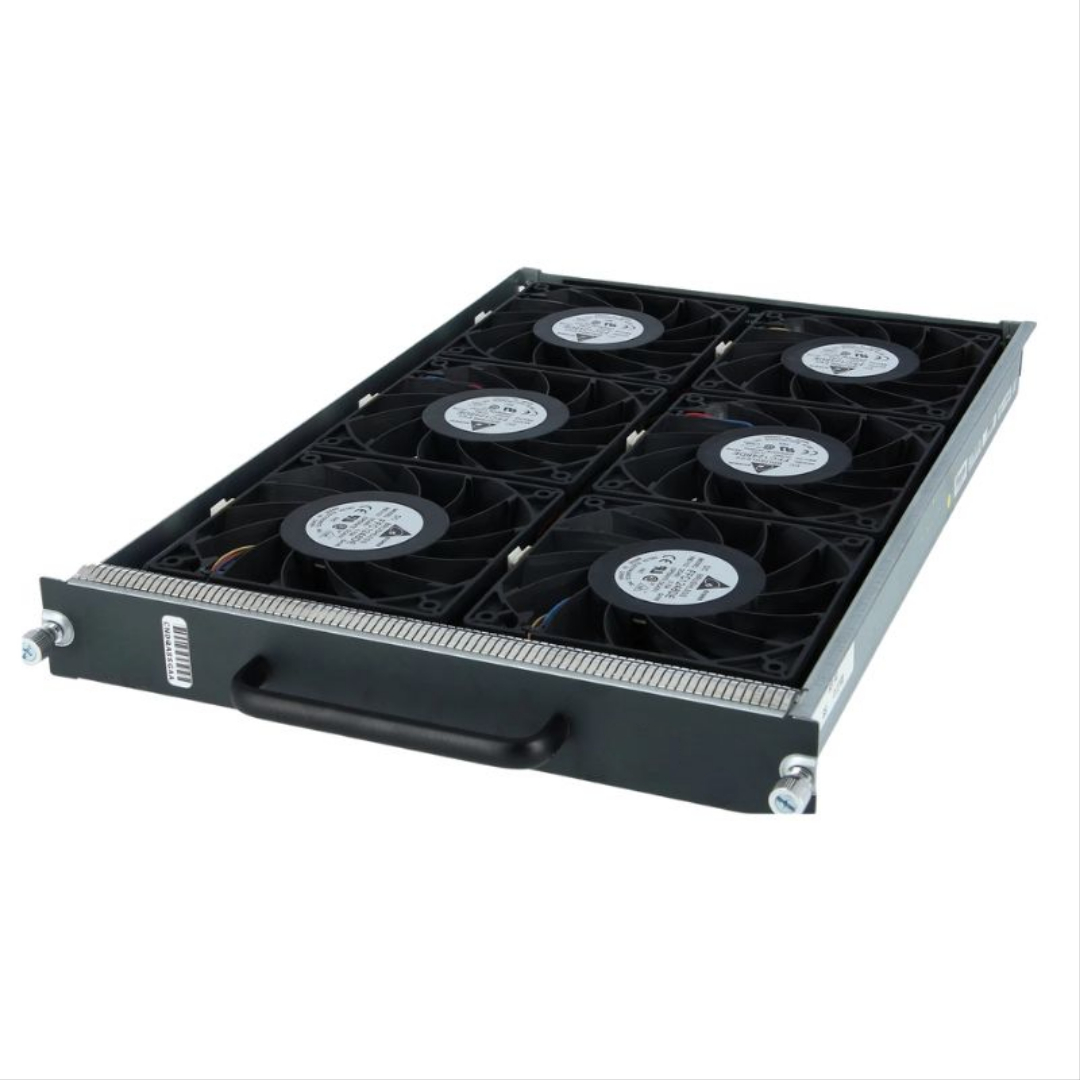


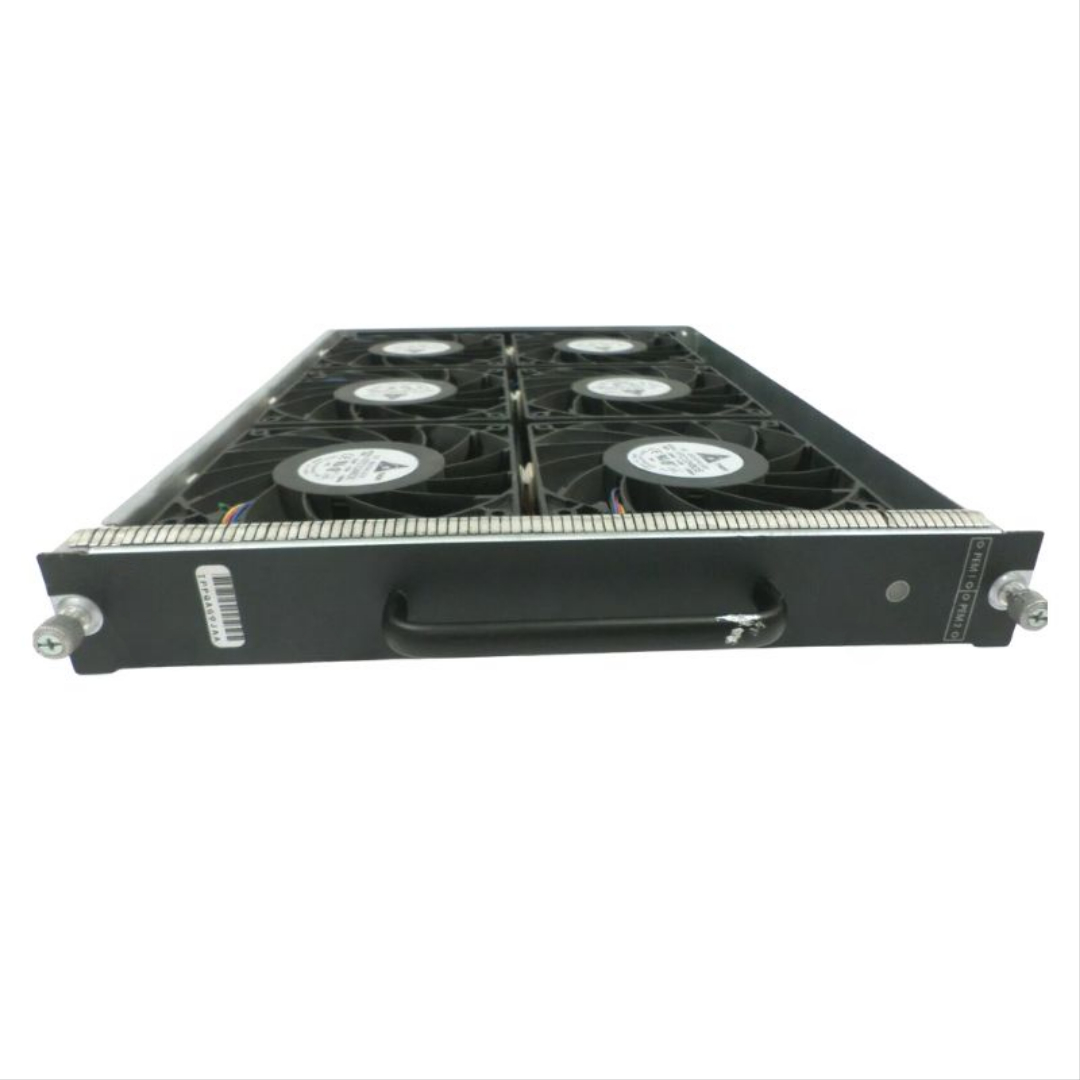
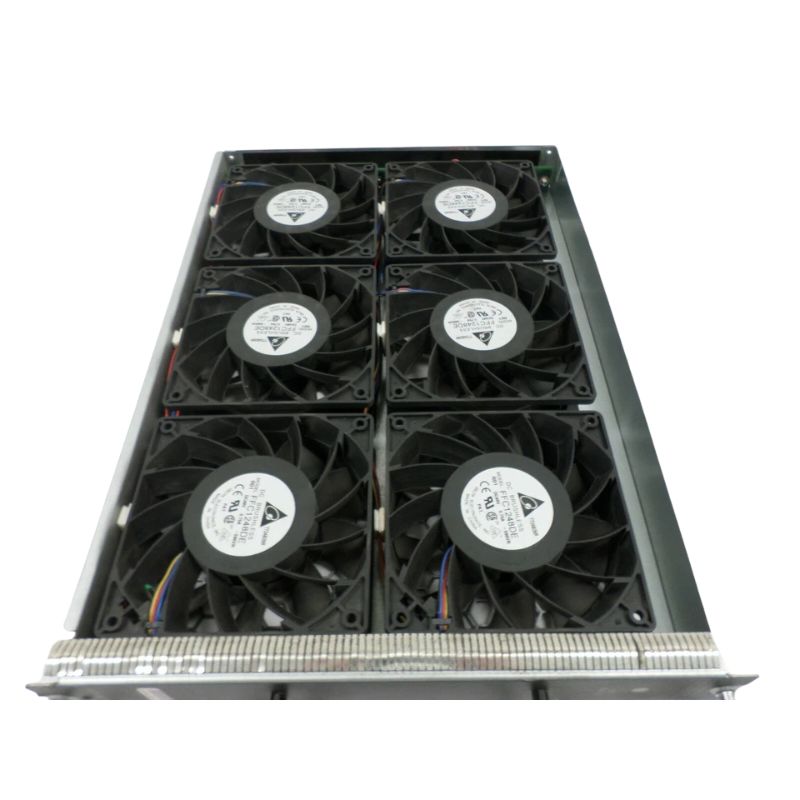
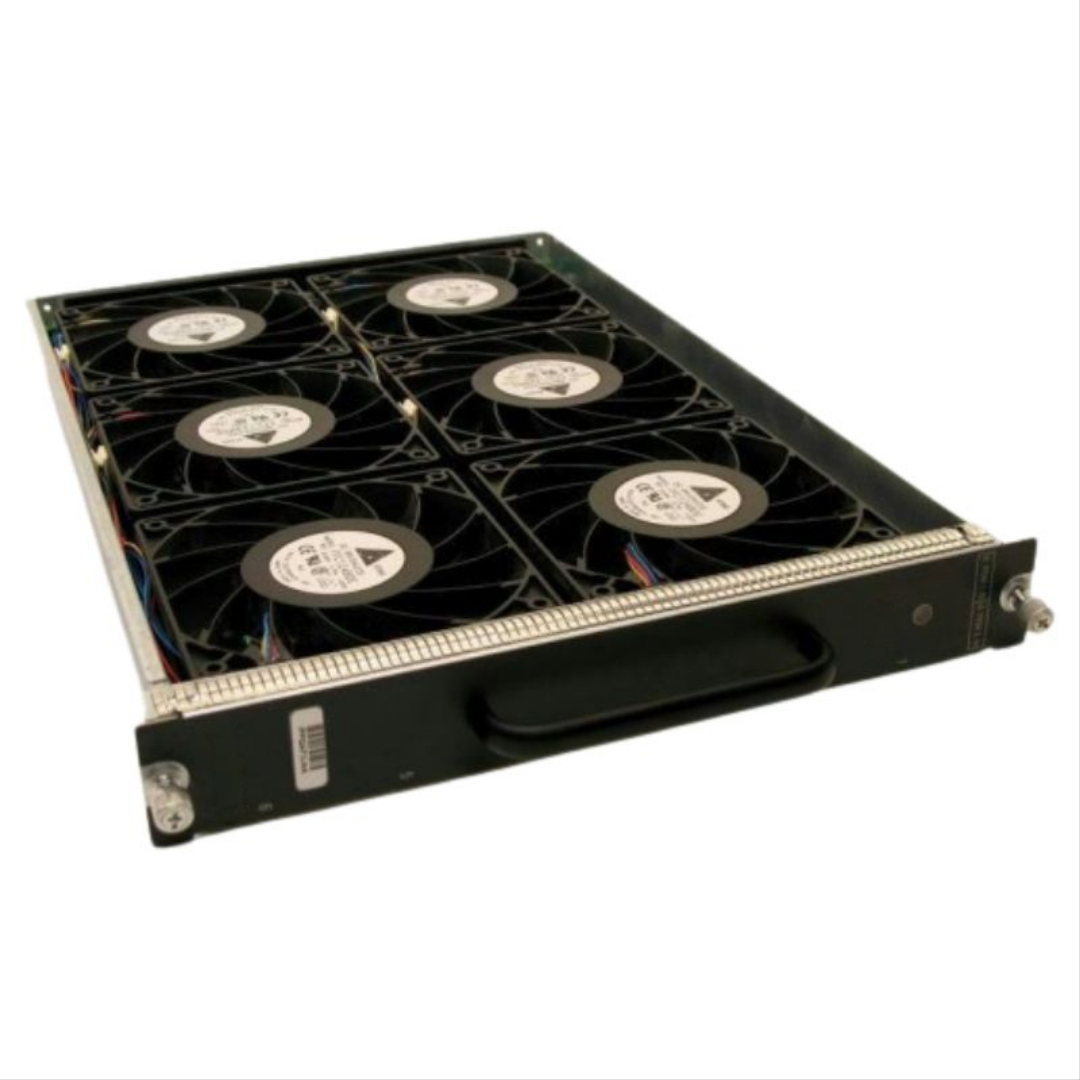
Cisco FAN-MOD-3SHS 7600 Series High-Speed Fan Tray for 7603-S Router. Excellent Refurbished with 1 year replacement warranty
The Cisco FAN-MOD-3SHS is a high-performance fan tray designed specifically for the Cisco 7600 Series, including the 7603-S router chassis. It delivers advanced cooling efficiency to maintain optimal operating temperatures in demanding network environments.
The Cisco FAN-MOD-3SHS 7600 Series High-Speed Fan Tray for 7603-S Router represents a critical thermal management component designed for high-performance modular routing environments built around the Cisco 7600 Series architecture from
Within the Cisco 7600 Series platform, thermal regulation is achieved through modular fan tray assemblies that are engineered to deliver consistent airflow across densely packed line cards, route processors, and switching fabrics. The FAN-MOD-3SHS high-speed variant is specifically engineered for environments where elevated heat output is generated due to high traffic loads, dense port utilization, and continuous packet processing operations. In such environments, passive cooling is insufficient, making active forced-air cooling essential to maintaining hardware integrity.
Carrier-class routers such as the Cisco 7603-S are designed to support large-scale internet backbone operations, metro aggregation, and enterprise WAN connectivity. These environments require uninterrupted uptime and predictable performance. The fan tray category, particularly high-speed models, ensures that heat dissipation keeps pace with processing demands, reducing the risk of thermal throttling, hardware failure, and system instability. The FAN-MOD-3SHS enhances airflow velocity to ensure heat is rapidly expelled from chassis components.
The mechanical structure of the FAN-MOD-3SHS is designed with precision airflow channels that align with the internal chassis layout of the Cisco 7603-S router. Air intake and exhaust paths are carefully engineered to create uniform cooling pressure across all heat-generating components. The design ensures minimal airflow turbulence while maximizing heat extraction efficiency. The high-speed configuration increases fan rotation rates to deliver stronger air circulation, which is critical in high-density deployment scenarios.
Industrial-grade materials are used in the construction of the fan tray housing and internal blade assemblies. These materials are selected for their resistance to heat deformation, vibration tolerance, and long-term mechanical wear. In environments such as telecom central offices or enterprise data centers, equipment is often subjected to continuous 24/7 operation. The durability of the FAN-MOD-3SHS ensures that it maintains consistent performance over extended operational lifecycles without degradation in cooling efficiency.
Integration of the fan tray into the Cisco 7603-S router chassis is seamless due to the modular design philosophy employed by
The FAN-MOD-3SHS is specifically designed for compatibility with the Cisco 7603-S router chassis, ensuring optimized airflow alignment and electrical connectivity. This compatibility is critical because mismatched cooling modules can lead to inefficient heat dissipation and potential system warnings or shutdowns. The high-speed variant is particularly suited for configurations involving high-power line cards and densely populated interface modules.
As organizations scale their network infrastructure, router density and traffic throughput increase significantly. The fan tray category becomes an enabling factor in this scaling process. The FAN-MOD-3SHS supports expanded routing capabilities by ensuring that thermal constraints do not limit hardware utilization. This makes it a foundational component in scalable enterprise and service provider architectures.
Thermal management in high-performance routers is governed by the principles of heat transfer, airflow velocity, and pressure differentials. The FAN-MOD-3SHS enhances convective heat transfer by increasing air movement across heat sinks and integrated circuits. As heat is generated by processors and switching fabrics, the fan tray ensures rapid removal of warm air from the chassis, replacing it with cooler ambient air to maintain thermal equilibrium.
The Cisco 7603-S chassis utilizes a front-to-back airflow design, which aligns with standard data center cooling infrastructure. The FAN-MOD-3SHS supports this architecture by generating high-pressure airflow that moves air efficiently from intake vents at the front of the chassis through internal components and out through rear exhaust vents. This directional airflow reduces heat recirculation and improves cooling predictability.
High-speed fan operation increases static pressure within the chassis, ensuring that air reaches densely packed components even in restricted airflow conditions. This is particularly important in fully populated router configurations where physical space constraints can limit natural airflow. The FAN-MOD-3SHS compensates for these limitations by maintaining consistent air velocity across all internal zones.
The fan tray is designed for hot-swappable replacement, allowing network administrators to replace or upgrade the cooling module without fully powering down the system. This design is essential in environments requiring high availability, where downtime must be minimized. The modular nature of the FAN-MOD-3SHS ensures operational continuity during maintenance procedures.
Once installed, the Cisco 7603-S router automatically detects the fan tray module and integrates it into the system’s environmental monitoring framework. This allows administrators to receive real-time alerts regarding fan performance, rotational speed anomalies, or potential thermal issues. The tight integration with system firmware enhances visibility and control over hardware health.
In enterprise data centers, the FAN-MOD-3SHS is commonly deployed in aggregation and core routing layers where traffic density is high and uptime requirements are stringent. The cooling efficiency of the fan tray ensures that routing hardware maintains peak performance even under sustained heavy workloads such as cloud computing traffic, virtualization workloads, and large-scale data replication.
Large enterprise campus networks often deploy Cisco 7600 Series routers at aggregation points where multiple branch networks converge. The fan tray category ensures that these aggregation points remain stable under fluctuating traffic loads, supporting applications such as unified communications, enterprise resource planning systems, and cloud-based application delivery.
The FAN-MOD-3SHS is integrated into Cisco’s broader system health monitoring framework, enabling predictive maintenance strategies. Administrators can track fan speed trends, temperature fluctuations, and system alerts to anticipate potential failures before they impact network performance. This proactive approach reduces unplanned downtime and improves operational efficiency.
The FAN-MOD-3SHS contributes to overall system energy efficiency by adjusting fan speed based on thermal load. During periods of reduced network traffic, fan speed is lowered to conserve energy, while during peak usage, the system automatically increases cooling output. This dynamic adjustment helps balance performance with energy consumption requirements.
In large-scale data centers, cooling systems represent a significant portion of total energy consumption. Efficient fan tray systems such as the FAN-MOD-3SHS help reduce the cooling burden on external HVAC systems by managing heat directly at the hardware level, contributing to more sustainable infrastructure operations.
High-speed fan tray systems are often designed with redundancy principles in mind. In the event of partial fan failure, the remaining operational fans can temporarily compensate to maintain airflow until replacement is performed. This ensures that system uptime is preserved even under partial hardware degradation conditions.
As organizations undergo digital transformation, network infrastructure must support increasing volumes of data traffic, cloud integration, and real-time application delivery. The FAN-MOD-3SHS plays a foundational role in ensuring that routing hardware can sustain these demands without thermal limitations.


 Contact Us
 Information
 Catalog
 Solid State Drives (SSD)
 Network Switches
 Hard Disk Drives
 HBA & Controllers
 PC & Servers
 PC & Server Memory
 CPU & Processors
 Network Routers
 Power Supplies
 Tape Drives & Libraries
 Network Devices
 Computer & Network Cables