(7% discount is applied at checkout)
Cart is empty
Your go-to destination for cutting-edge server products
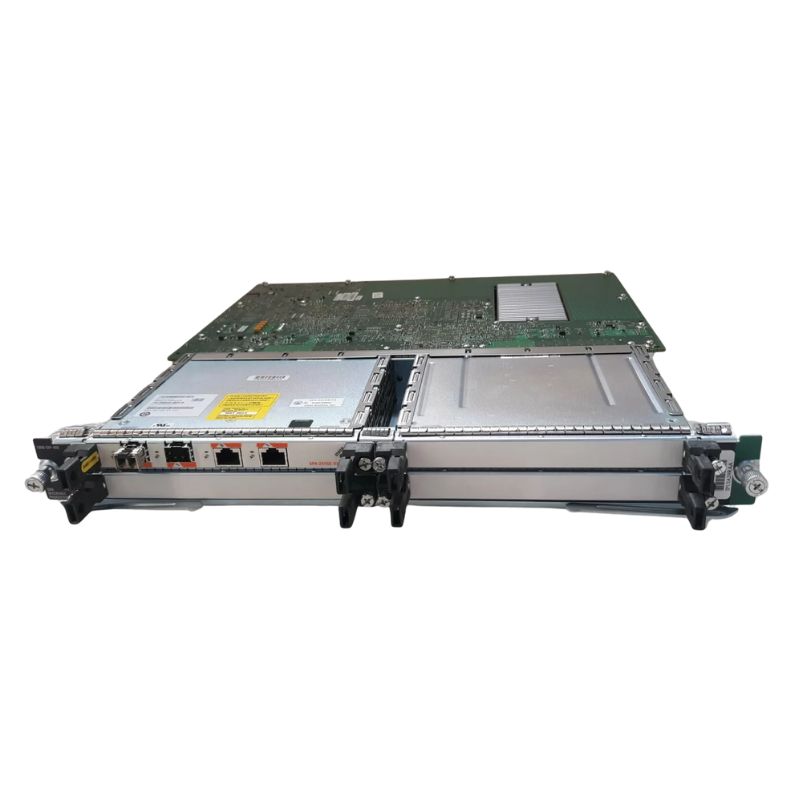


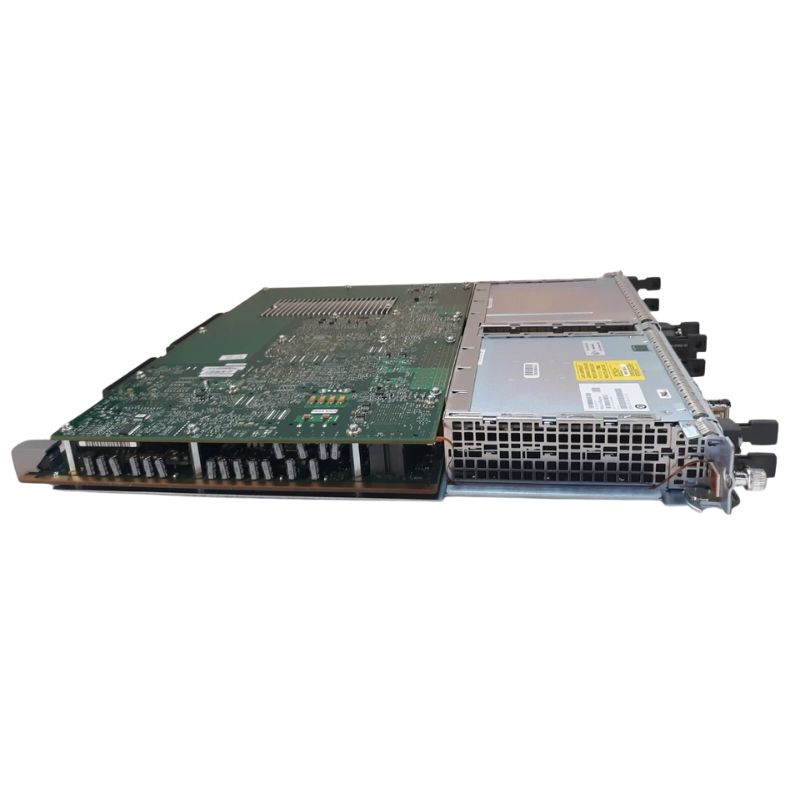
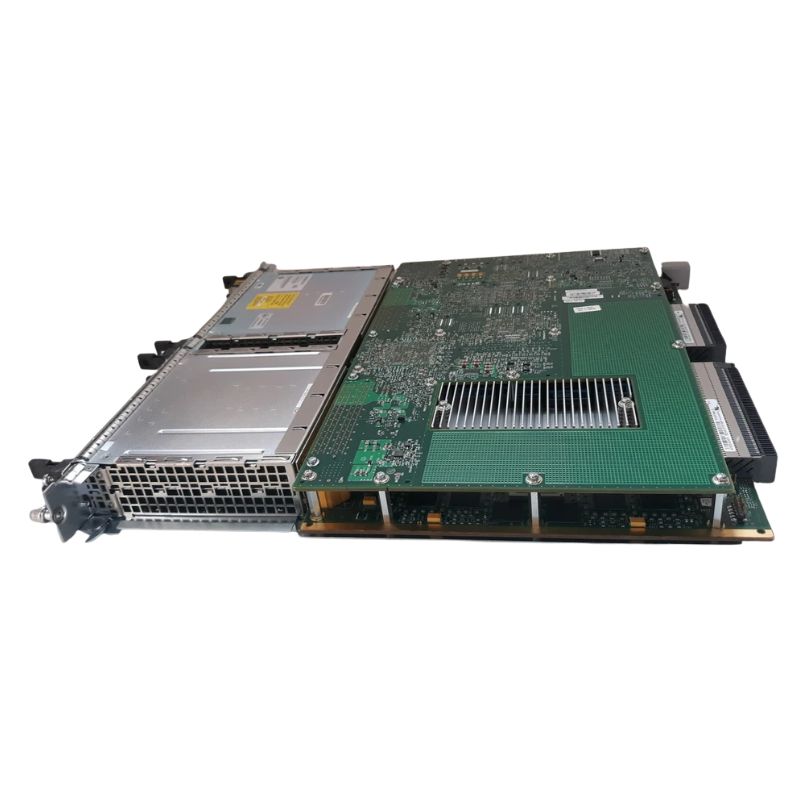
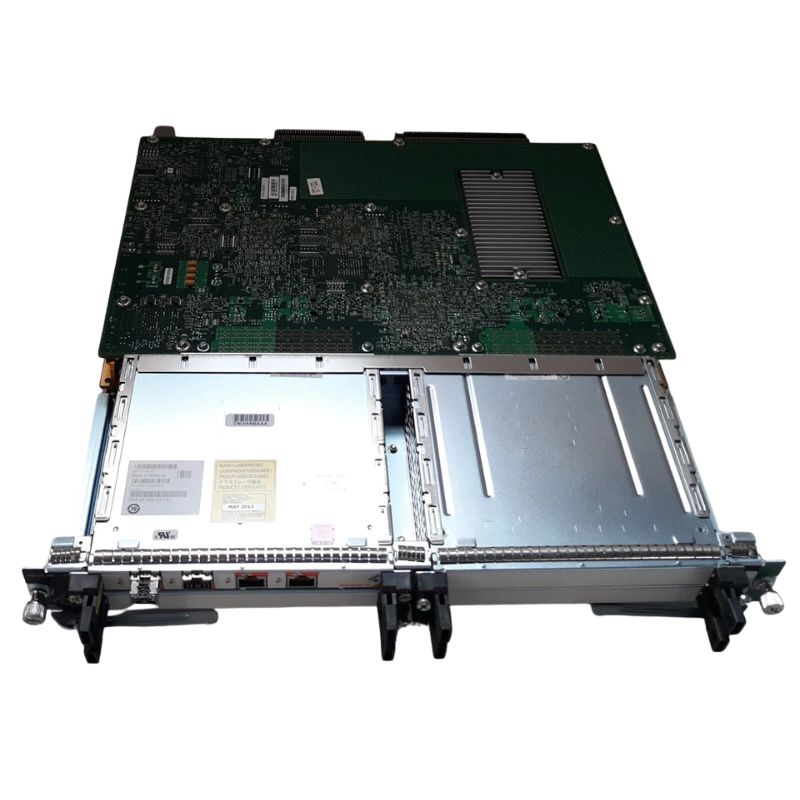
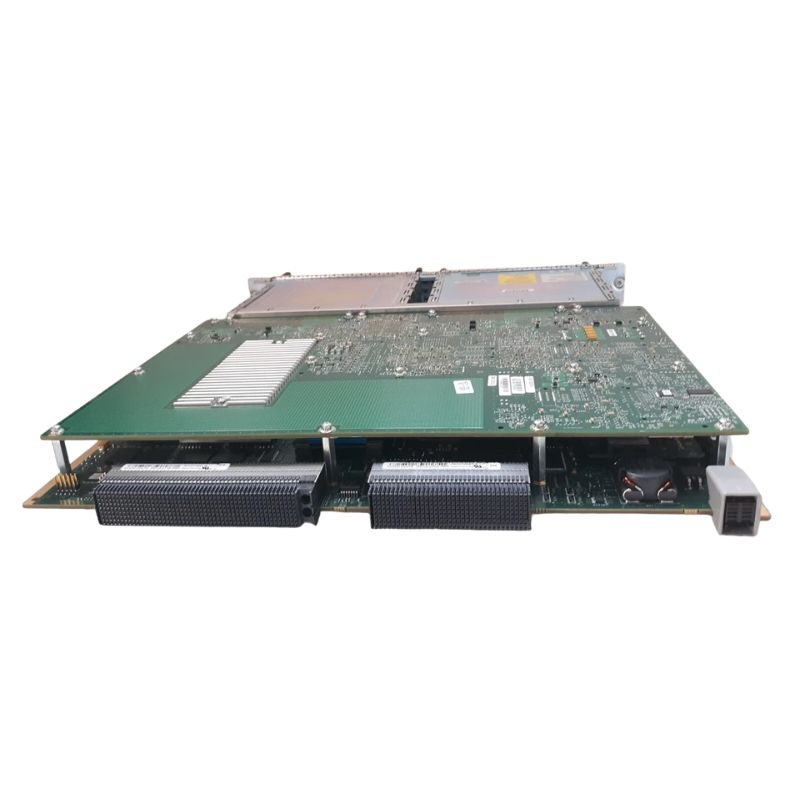
Cisco 7600-SIP-400 7600 Series SPA Fabric Module Interface Processor. Excellent Refurbished with 1 year replacement warranty
The Cisco 7600-SIP-400 SPA Fabric Module Interface Processor is a powerful and modular networking solution designed to enhance scalability, performance, and flexibility in Cisco 7600 Series routers. It supports multiple Shared Port Adapters (SPAs) and delivers high forwarding capacity for enterprise and service provider environments.
The Cisco 7600-SIP-400 7600 Series SPA Fabric Module Interface Processor is a high-performance modular networking component engineered for deployment within the Cisco 7600 Series routers. It functions as a critical Service Interface Processor (SIP) designed to support Shared Port Adapter (SPA) modules, enabling advanced scalability, high-throughput data processing, and flexible network service integration. This interface processor plays a vital role in carrier-grade routing infrastructures, enterprise backbone networks, and service provider edge environments where performance, redundancy, and modular adaptability are essential.
As part of the Cisco 7600 architecture, the SIP-400 is built to leverage the distributed forwarding capabilities of the system, ensuring optimized traffic handling across multiple interfaces. It enables organizations to deploy a wide range of services while maintaining consistent performance levels across varying workloads and network conditions.
The Cisco 7600-SIP-400 is designed as a modular component that integrates seamlessly into the Cisco 7600 Series chassis. Its architecture is built to support high-density interface expansion through SPA modules, allowing network operators to customize their routing platform according to evolving infrastructure demands. The modularity ensures that service providers can scale bandwidth and interface diversity without replacing the entire routing system.
At the core of the SIP-400 design is its fabric-enabled communication structure, which facilitates high-speed data transfer between interface modules and the central switching fabric of the router. This architecture reduces bottlenecks and ensures that data packets are processed efficiently even under heavy traffic loads. The fabric-based design enhances throughput and supports advanced routing features such as load balancing and traffic prioritization.
The distributed processing capability embedded in the SIP-400 ensures that network traffic is not solely dependent on the central route processor. Instead, processing tasks are distributed across multiple components, enabling faster decision-making and reducing latency across network operations. This design is particularly beneficial for service providers managing large-scale data transmission environments.
The high-speed interconnect system within the SIP-400 provides robust communication between SPAs and the router’s switching fabric. This system ensures that data transfer remains stable and efficient, even in high-demand scenarios such as data center aggregation or enterprise WAN connectivity.
The Cisco 7600-SIP-400 supports multiple SPA modules, allowing network administrators to deploy various interface types within a single chassis. This flexibility enables the integration of Ethernet, optical, and specialized network interfaces, making the platform adaptable for diverse networking environments.
Bandwidth optimization is a core feature of the SIP-400. It is engineered to handle large volumes of network traffic efficiently, ensuring that data packets are transmitted with minimal delay. The architecture supports high-speed data pipelines that are essential for modern enterprise and service provider networks.
The Cisco 7600-SIP-400 is built with scalability in mind, allowing organizations to expand their network capacity as requirements grow. Additional SPA modules can be integrated without disrupting existing services, ensuring seamless scalability across network infrastructures.
Incremental expansion allows network administrators to add new interface modules based on demand rather than replacing entire systems. This reduces capital expenditure while maximizing operational efficiency and long-term infrastructure sustainability.
Service flexibility is a defining characteristic of the SIP-400 architecture. It supports multiple network services simultaneously, enabling organizations to run data, voice, and video traffic across a unified platform without compromising performance.
The Cisco 7600-SIP-400 is engineered with robust hardware components that are designed for long-term operational stability. Its construction ensures resistance to environmental stress, continuous operation workloads, and high-density traffic conditions.
Power efficiency is an essential aspect of the SIP-400 design. It is optimized to reduce energy consumption while maintaining high processing capability, making it suitable for large-scale deployments where energy efficiency is a key operational consideration.
The thermal management system integrated into the SIP-400 ensures that heat generated during high-performance operations is effectively dissipated. This maintains hardware stability and extends the operational lifespan of the module.
Each component within the SIP-400 is selected for durability and long-term reliability. This ensures consistent performance in demanding enterprise and carrier environments where uptime is critical.
The Cisco 7600-SIP-400 is widely used in service provider backbone networks where high throughput and scalability are essential. It enables providers to manage large-scale data transmission across geographically distributed networks.
In enterprise WAN deployments, the SIP-400 supports secure and efficient connectivity between multiple branch locations. It ensures reliable communication across distributed organizational networks.
The module is also used in data center environments where it facilitates aggregation of high-speed traffic from multiple servers and network segments. This enhances overall data center performance and connectivity efficiency.
The SIP-400 supports cloud connectivity requirements by enabling high-speed links between on-premise infrastructure and cloud platforms. This ensures seamless integration of hybrid cloud architectures.
Multiservice deployment capabilities allow organizations to run multiple types of network traffic across a single infrastructure, improving efficiency and reducing operational complexity.
The Cisco 7600-SIP-400 is optimized for high-speed packet processing, ensuring that data flows through the system with minimal latency. This is essential for applications requiring real-time data transmission.
Load balancing capabilities ensure that network traffic is evenly distributed across available resources. This prevents congestion and maintains consistent performance across all active interfaces.
Adaptive traffic control mechanisms allow the SIP-400 to dynamically adjust to changing network conditions, ensuring optimal performance under varying loads.
Latency reduction is achieved through optimized routing paths and efficient hardware processing, ensuring fast response times across all network operations.
The Cisco 7600-SIP-400 represents a scalable infrastructure investment that supports long-term network growth. Its modular design allows organizations to adapt to changing technological demands without significant infrastructure replacement.
As enterprises undergo digital transformation, the SIP-400 provides the necessary backbone for supporting increased data traffic, cloud integration, and advanced application deployment.
The module plays a key role in network modernization by enabling the transition from legacy systems to high-performance, software-driven network architectures.
Operational efficiency is improved through centralized management, reduced hardware complexity, and enhanced traffic handling capabilities.


 Contact Us
 Information
 Catalog
 Solid State Drives (SSD)
 Network Switches
 Hard Disk Drives
 HBA & Controllers
 PC & Servers
 PC & Server Memory
 CPU & Processors
 Network Routers
 Power Supplies
 Tape Drives & Libraries
 Network Devices
 Computer & Network Cables