(7% discount is applied at checkout)
Cart is empty
Your go-to destination for cutting-edge server products
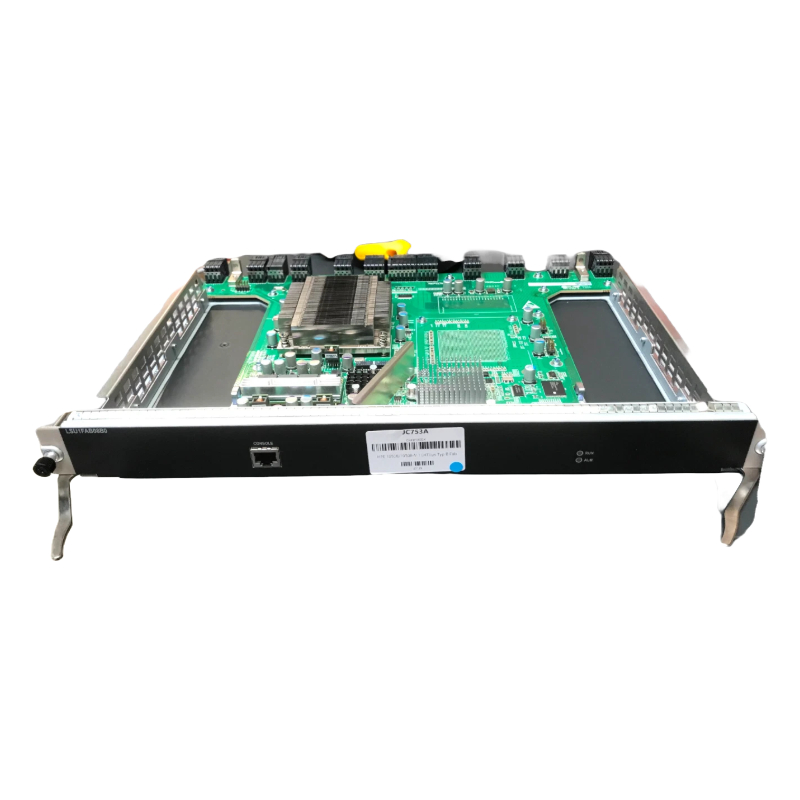


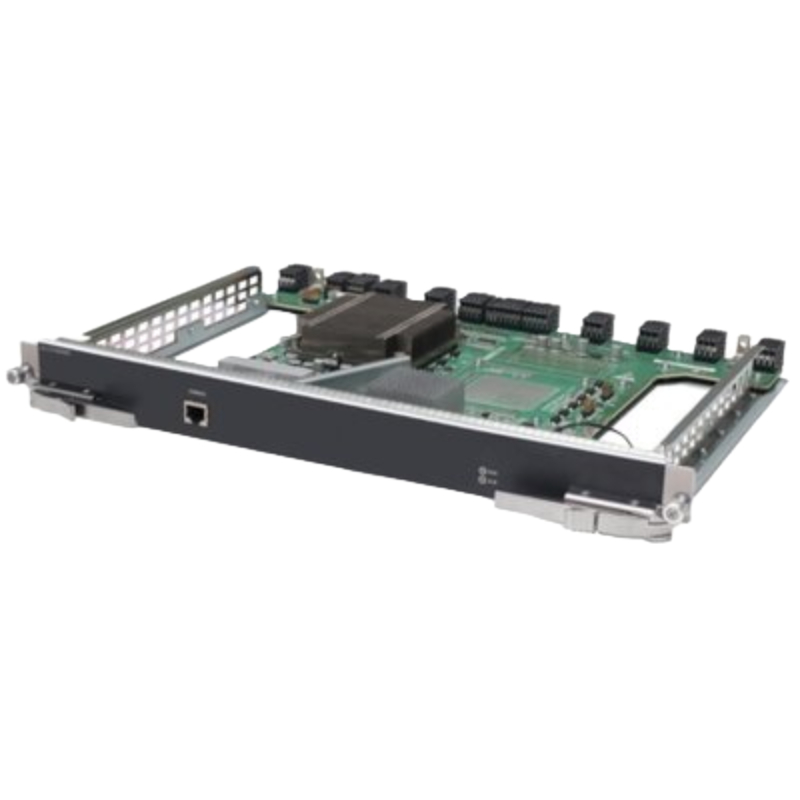
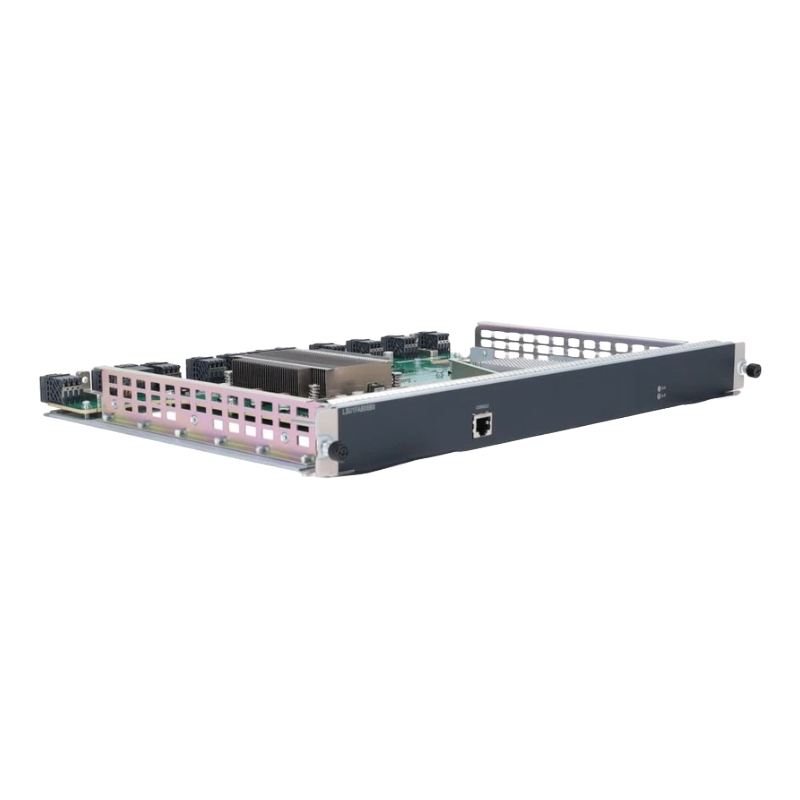
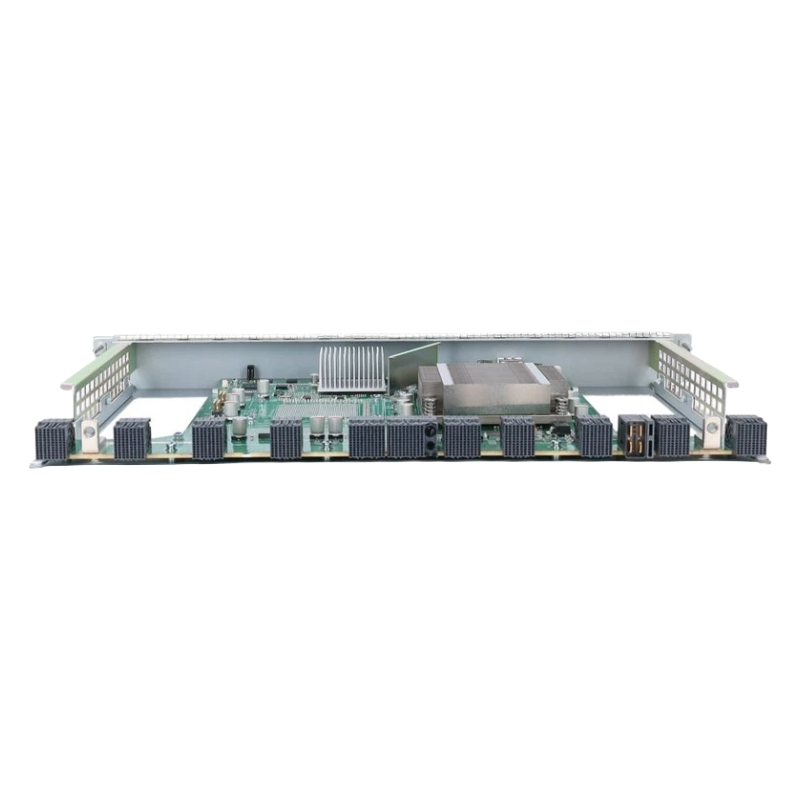
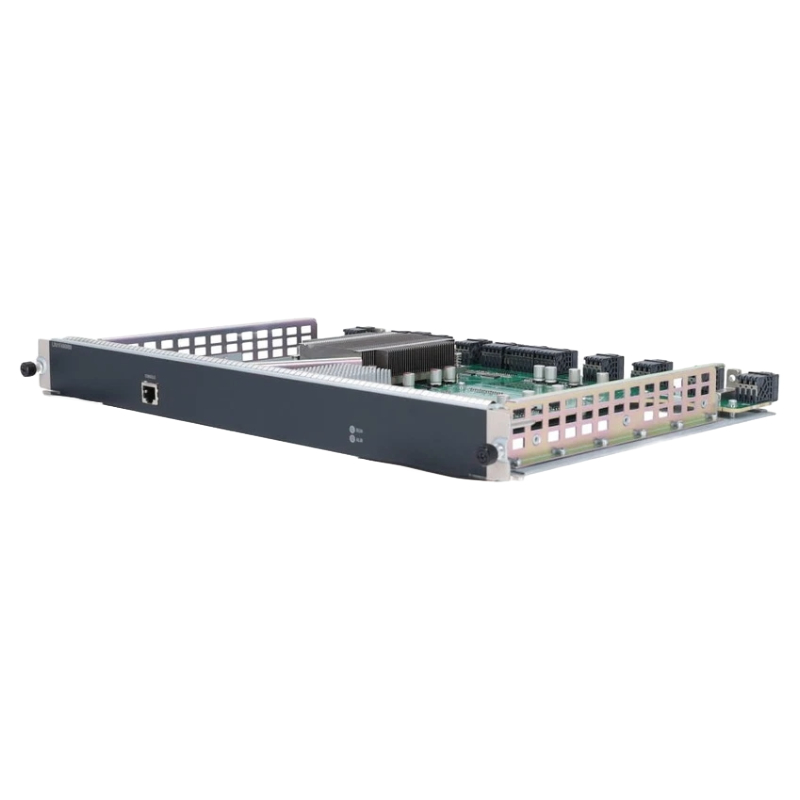
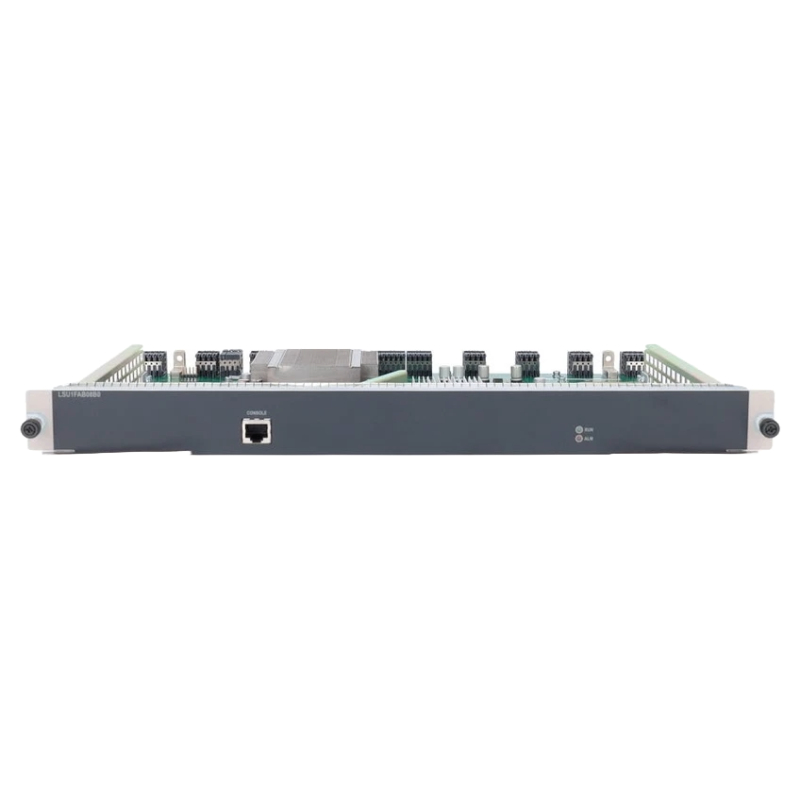
HPE JC753A 10508/10508-V 1.04TBPS Type B Fabric Module Network Switches. Excellent Refurbished with 1 year replacement warranty
The HPE JC753A 10508/10508-V 1.04Tbps Type B Fabric Module is a high-capacity network switching solution designed to deliver exceptional performance, scalability, and reliability for enterprise-grade data centers.
The HPE JC753A 10508/10508-V 1.04Tbps Type B Fabric Module Network Switches represent a high-performance switching fabric component engineered for large-scale enterprise core switching environments. Designed as part of the HPE high-end modular chassis ecosystem, this fabric module plays a critical role in enabling ultra-high-speed packet switching across distributed line cards within the HPE 10500 series switching platforms. With an aggregate switching capacity of up to 1.04 terabits per second, this Type B fabric module is optimized for demanding data center cores, service provider backbones, and mission-critical enterprise networks where deterministic throughput and ultra-low latency are essential.
The JC753A fabric module is not a standalone switching device but a foundational element of a distributed switching architecture. It provides the high-speed interconnect backbone that allows multiple line cards and switching modules to communicate efficiently within the chassis. This design enables scalable, modular growth while maintaining a non-blocking architecture, ensuring that network performance remains consistent even under extreme traffic loads.
The HPE JC753A Type B Fabric Module is built on a distributed switching architecture where traffic forwarding decisions are executed across multiple fabric planes. This architecture allows the system to scale horizontally within the chassis, ensuring that each line card can access the full bandwidth of the fabric without bottlenecks.
Each fabric module operates as part of a synchronized switching grid, enabling parallel data transfer paths between ingress and egress ports. This parallelism is fundamental to achieving the aggregate 1.04Tbps throughput, ensuring that the system can handle high-density traffic environments without congestion.
The Type B designation refers to an enhanced fabric architecture optimized for higher throughput efficiency, improved packet scheduling, and better load balancing across internal switching planes. This architecture is designed to reduce fabric contention and ensure predictable latency across all communication paths.
The optimization layer dynamically distributes traffic flows based on real-time utilization metrics, ensuring that no single fabric path becomes a performance bottleneck. This contributes to consistent system-wide performance even during peak utilization periods.
The JC753A module connects directly to the chassis backplane through high-speed serial interconnects that support multi-gigabit signaling. These interconnects are engineered for minimal signal degradation and maximum transmission efficiency across the switching fabric.
The backplane system ensures that all installed line cards and interface modules can communicate through a unified high-speed switching matrix, reducing latency and improving overall system responsiveness.
The defining characteristic of the JC753A module is its 1.04 terabits per second aggregate switching capacity. This throughput enables the chassis to support extremely high volumes of concurrent data flows, making it suitable for modern cloud-scale infrastructure and large enterprise data centers.
This level of capacity ensures that even under full system load, the fabric can maintain non-blocking performance across all active ports and modules.
The fabric module is designed to minimize latency across all switching operations. By utilizing high-speed ASIC-based forwarding logic and optimized packet traversal paths, the system ensures rapid data movement between ingress and egress points.
Low-latency performance is essential in environments such as financial trading systems, real-time analytics platforms, and large-scale virtualization clusters where microsecond-level delays can impact application performance.
The JC753A fabric module supports a fully non-blocking architecture under ideal configuration conditions. This means that all ports within the chassis can communicate simultaneously at full line rate without encountering internal congestion.
Non-blocking performance is achieved through a combination of high-capacity fabric planes, intelligent traffic distribution, and advanced buffering mechanisms that ensure smooth data flow even during traffic spikes.
The JC753A module is designed for seamless integration into the HPE 10500 series chassis, where multiple fabric modules can be installed to increase total system capacity. This modular approach allows organizations to scale their network infrastructure incrementally.
As traffic demands increase, additional fabric modules can be added to distribute load more efficiently and enhance system redundancy.
When multiple fabric modules are installed, they operate in synchronized mode, sharing traffic load dynamically across available paths. This synchronization ensures balanced utilization of all fabric resources and prevents localized congestion.
The system continuously monitors fabric health and load distribution to optimize performance across all installed modules.
The fabric module is fully interoperable with various line cards within the HPE 10500 chassis ecosystem. This interoperability ensures consistent communication between different types of interface modules, regardless of their port density or speed capabilities.
This flexibility allows organizations to deploy mixed configurations tailored to specific workload requirements.
The JC753A fabric module employs advanced traffic balancing algorithms that distribute data flows evenly across available fabric paths. These algorithms take into account real-time utilization metrics, ensuring optimal performance at all times.
Dynamic balancing helps prevent congestion hotspots and improves overall system efficiency in high-traffic environments.
Traffic within the fabric is managed using flow-based routing techniques that ensure packets belonging to the same session follow consistent paths. This improves packet ordering and reduces jitter in latency-sensitive applications.
Flow-based routing is particularly important for applications such as voice over IP, video conferencing, and distributed database synchronization.
The fabric module incorporates high-speed buffering systems that temporarily store packets during congestion events. These buffers are intelligently managed to prioritize critical traffic and maintain fairness across all flows.
Efficient buffer management ensures that transient traffic spikes do not result in packet loss or degraded performance.
The JC753A module is part of a redundant fabric plane architecture that ensures continuous operation even in the event of partial hardware failure. Multiple fabric planes operate in parallel, providing failover capabilities without service disruption.This redundancy is critical for mission-critical environments where downtime is not acceptable.
The JC753A fabric module is designed to be hot-swappable, allowing replacement or upgrades without powering down the chassis. This ensures continuous network availability during maintenance operations.
Hot-swappability is essential in enterprise and service provider environments where downtime can have significant operational and financial impacts.
In modern data centers, the JC753A fabric module serves as the backbone of core switching infrastructure. It enables high-speed communication between server clusters, storage arrays, and virtualization platforms.
Its high throughput and low latency make it ideal for cloud computing environments and large-scale distributed systems.
Service providers deploy the JC753A module in carrier-grade backbone networks where massive traffic aggregation and forwarding are required. The module ensures reliable performance under extreme load conditions.
Its scalability and redundancy features make it suitable for national and international backbone infrastructures.
High-performance computing environments rely on the JC753A fabric module to interconnect compute nodes with minimal latency. This supports workloads such as scientific simulations, artificial intelligence training, and big data analytics.
The fabric module is managed through a centralized control system within the chassis, allowing administrators to monitor performance and configure parameters across all fabric planes.
Centralized management simplifies operational workflows and ensures consistent configuration across the switching fabric.
Advanced telemetry systems collect real-time data on fabric utilization, packet flows, and latency metrics. This data is used to optimize performance and identify potential bottlenecks.


 Contact Us
 Information
 Catalog
 Solid State Drives (SSD)
 Network Switches
 Hard Disk Drives
 HBA & Controllers
 PC & Servers
 PC & Server Memory
 CPU & Processors
 Network Routers
 Power Supplies
 Tape Drives & Libraries
 Network Devices
 Computer & Network Cables