(7% discount is applied at checkout)
Cart is empty
Your go-to destination for cutting-edge server products
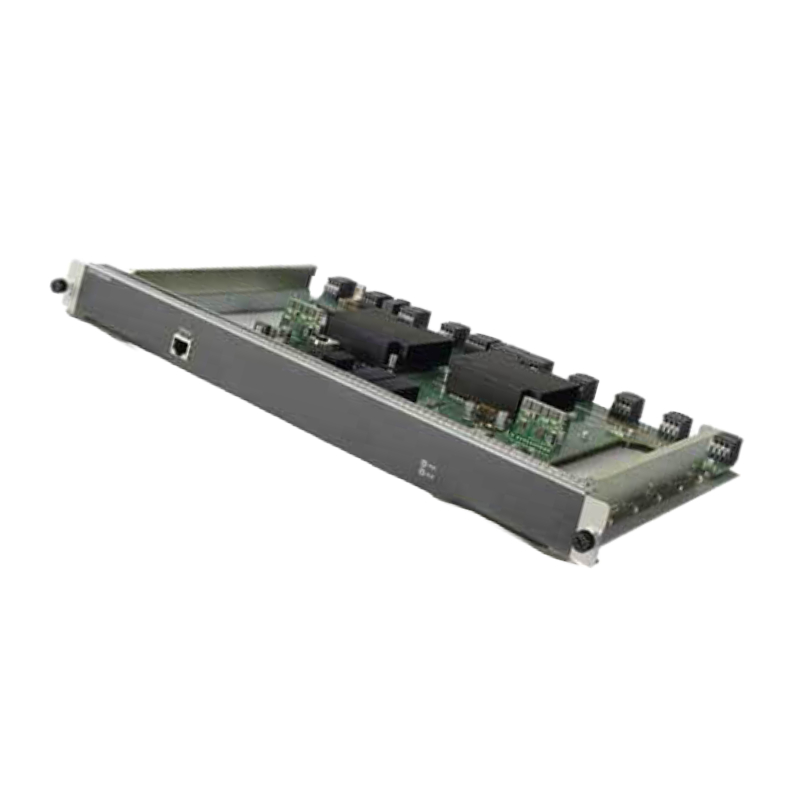


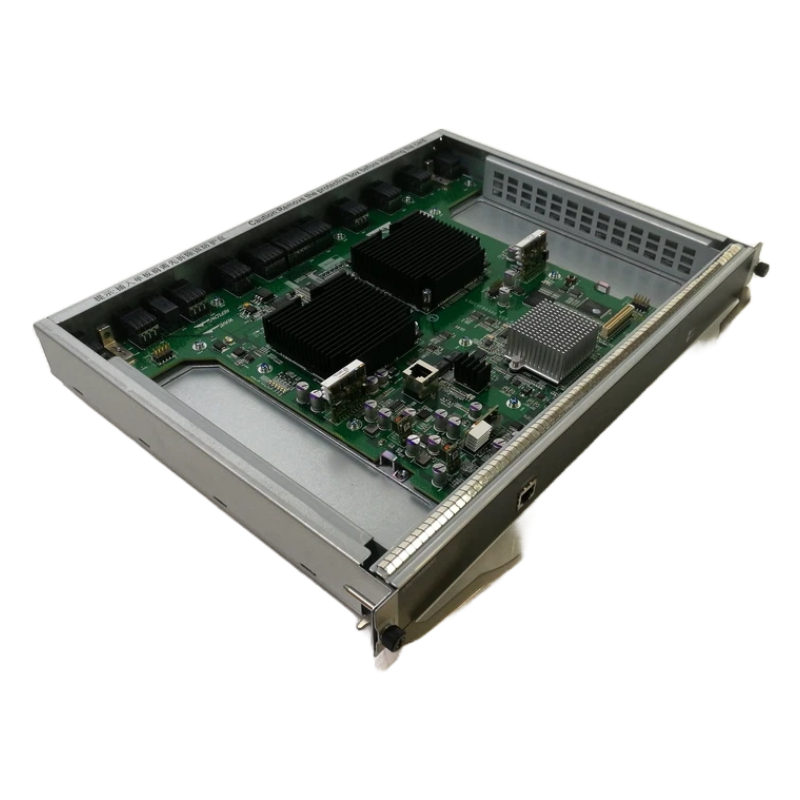
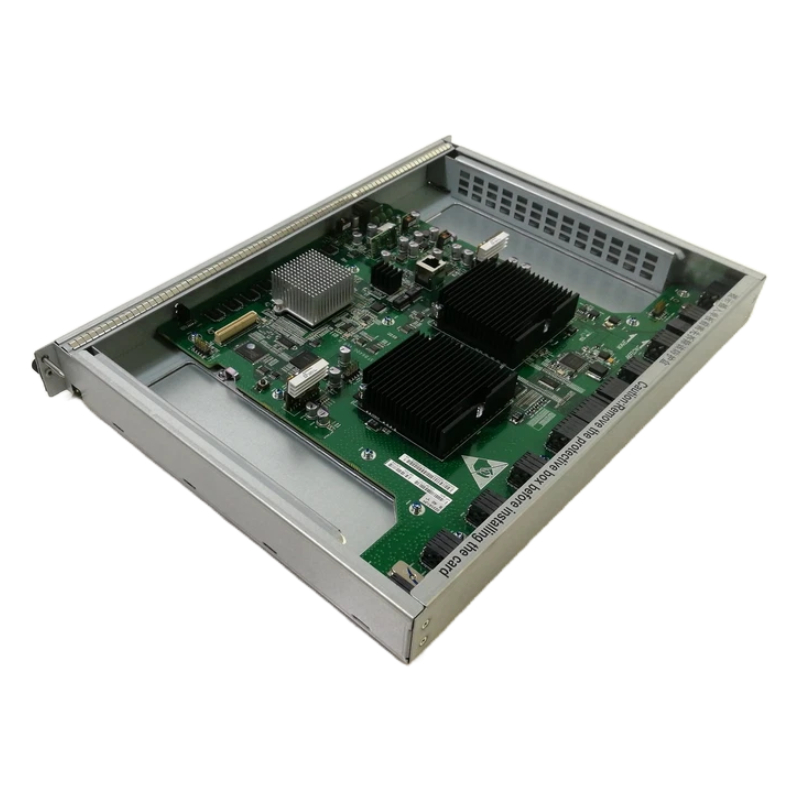
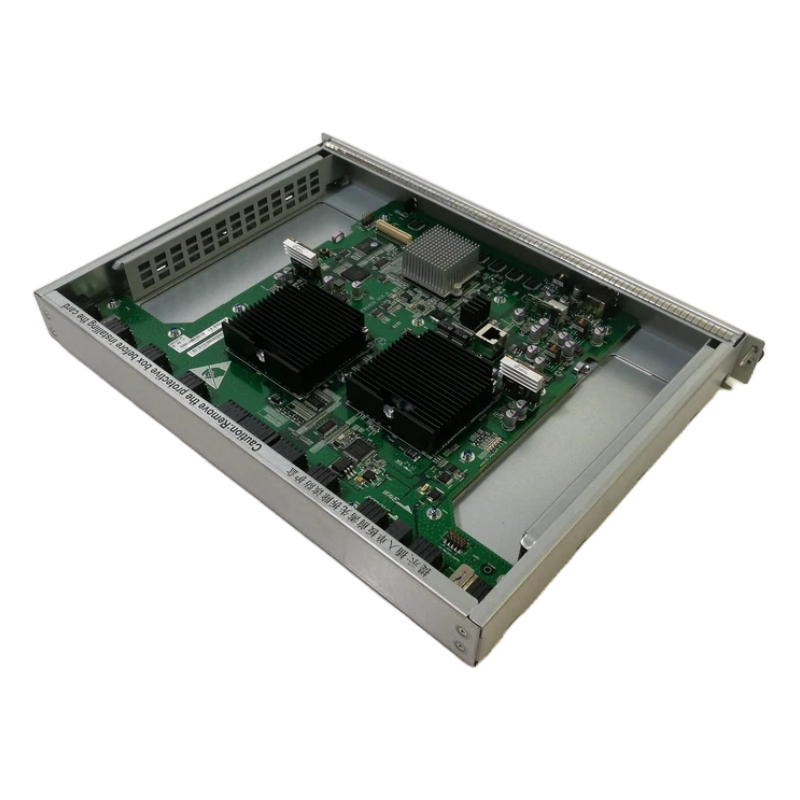
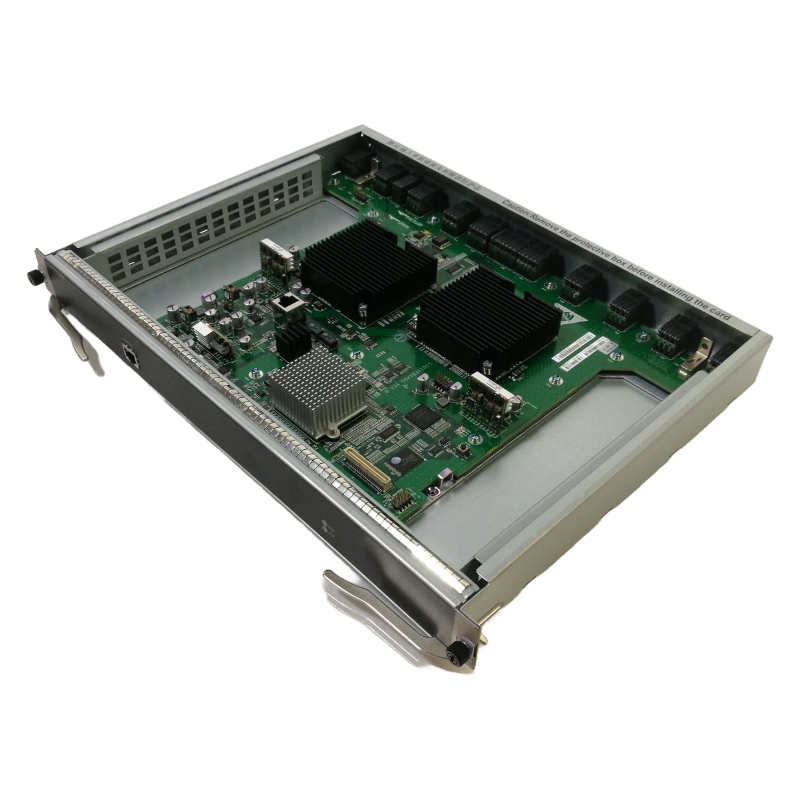
HPE JC616A 10504 400GBPS Type A Fabric Module Network Switches. Excellent Refurbished with 1 year replacement warranty
The HPE JC616A fabric module is a performance-driven internal switching component designed to deliver ultra-fast data handling within enterprise-grade network infrastructures. It enhances system-level throughput by enabling efficient interconnectivity across advanced switching platforms.
The HPE JC616A 10504 400Gbps Type A Fabric Module Network Switches category represents a specialized class of high-capacity switching fabric components designed for deployment within modular chassis-based core networking systems. This fabric module is engineered to support the internal switching backbone of the HPE 10500 series switching platform, providing ultra-high-speed interconnection between line cards, management modules, and system forwarding engines. With an aggregate fabric capacity of 400Gbps per Type A module architecture, it is designed to enable deterministic, low-latency packet movement across the entire chassis, ensuring that distributed switching resources operate as a unified high-performance system.
Fabric modules serve as the central data transport mechanism within large chassis-based switches. In the case of the HPE JC616A, the module is responsible for establishing high-speed internal communication channels between distributed interface modules installed in the chassis. Unlike external network ports that connect devices across a network, fabric modules operate internally to ensure that traffic entering one line card can be rapidly forwarded to another without bottlenecks. This architecture is essential in high-performance environments where east-west traffic dominates, such as cloud data centers and large-scale enterprise aggregation layers.
The distributed switching fabric design employed in the HPE 10504 system allows each line card to contribute to overall system forwarding capacity while relying on the fabric module for interconnectivity. This separation of forwarding logic and switching interconnect enables scalable growth, where additional line cards can be added without redesigning the system architecture. The fabric module ensures that all installed modules operate cohesively, sharing a unified switching matrix that eliminates single points of congestion.
The 400Gbps throughput capacity of the Type A fabric module is engineered to support extremely high levels of concurrent packet transfers within the chassis. This bandwidth is distributed across multiple internal channels, enabling simultaneous communication between multiple interface modules. The architecture is optimized for non-blocking performance, ensuring that internal traffic does not suffer from oversubscription even under full system load conditions. This is critical in environments where multiple high-speed interfaces operate simultaneously at or near line rate.
The HPE 10504 switch chassis is designed as a modular, high-density switching platform capable of supporting large-scale enterprise and service provider deployments. Within this chassis, the JC616A fabric module functions as the central interconnect layer, linking all installed line cards and control modules. The chassis architecture is built to support redundancy at multiple levels, including power, management, and fabric interconnect, ensuring continuous operation even under component failure scenarios.
The backplane of the HPE 10504 chassis is engineered to support high-speed serialized communication between modules. The fabric module connects directly to this backplane, enabling it to act as the primary switching highway for all data traversing the system. This design minimizes physical cable complexity while maximizing internal throughput efficiency. The backplane architecture also ensures signal integrity through controlled impedance pathways and advanced clock distribution systems.
Scalability is a defining characteristic of the HPE 10504 platform. The fabric module plays a central role in enabling this scalability by providing a consistent high-speed interconnect fabric regardless of system size. As additional line cards are inserted into the chassis, the fabric dynamically accommodates increased traffic demands without requiring architectural changes. This allows organizations to scale their switching infrastructure incrementally while maintaining consistent performance characteristics.
The non-blocking nature of the 400Gbps Type A fabric module ensures that any port within the chassis can communicate with any other port without encountering internal congestion. This deterministic behavior is essential for mission-critical workloads where packet loss or unpredictable latency cannot be tolerated. The switching fabric is engineered to guarantee consistent forwarding performance regardless of traffic distribution patterns.
Packet scheduling within the fabric module is handled through hardware-based arbitration systems that determine optimal forwarding paths for each data flow. These scheduling mechanisms ensure that high-priority traffic is processed with minimal delay while maintaining fairness across all active flows. The result is a balanced internal traffic environment where performance remains stable under heavy utilization conditions.
Latency reduction is a core engineering objective of the JC616A fabric module. By utilizing high-speed serialized links and direct memory access pathways between line cards, the module minimizes the number of processing hops required for internal packet forwarding. This design significantly reduces microsecond-level delays that can accumulate in less optimized switching architectures.
The fabric module architecture supports redundant deployment configurations within the chassis, ensuring continuous operation even in the event of module failure. Multiple fabric modules can operate in parallel, distributing load and providing failover capabilities. If one module experiences degradation or failure, traffic is automatically rerouted through remaining active fabric paths without interrupting system operation.
In modern data center environments, the HPE JC616A fabric module is deployed at the core switching layer, where it supports massive east-west traffic flows between compute, storage, and virtualization clusters. The high bandwidth capacity ensures that large-scale distributed applications can communicate efficiently without network bottlenecks. This is particularly important in environments that rely heavily on distributed microservices architectures.
Virtualized infrastructure environments benefit significantly from the high-speed interconnect capabilities of the fabric module. Virtual machine migration, distributed storage replication, and container orchestration traffic all depend on predictable internal switching performance. The fabric module ensures that virtualization workloads maintain consistent network performance even under dynamic resource allocation scenarios.
Cloud orchestration platforms rely on underlying network fabrics to dynamically allocate and manage resources. The JC616A module provides the necessary internal bandwidth and switching intelligence to support automated provisioning systems. This allows cloud environments to scale compute and storage resources without introducing network bottlenecks.
Quality of Service mechanisms integrated into the switching fabric allow prioritization of critical traffic flows. The fabric module enforces these policies at a hardware level, ensuring that latency-sensitive applications such as voice, video, and financial transactions receive preferential treatment. This hardware-level enforcement ensures consistency across all switching scenarios.
Traffic classification within the fabric module is performed using high-speed inspection engines capable of identifying packet attributes in real time. Once classified, packets are assigned to appropriate forwarding queues that determine their priority within the switching fabric. This ensures that mission-critical data is transmitted with minimal delay.
The 400Gbps fabric capacity is distributed across multiple internal channels that balance traffic loads dynamically. This prevents congestion on any single pathway and ensures that all line cards receive equitable access to switching resources. Load distribution algorithms continuously monitor traffic conditions and adjust routing decisions accordingly.
The fabric module incorporates advanced diagnostic systems that continuously monitor performance metrics such as throughput utilization, error rates, and synchronization accuracy. These monitoring systems provide real-time visibility into fabric health and allow network operators to proactively address potential issues before they impact system performance.
Thermal stability is a critical factor in maintaining fabric module performance. The HPE 10504 chassis is designed with advanced airflow systems that ensure consistent cooling across all installed modules. The fabric module itself is engineered to operate within defined thermal thresholds, ensuring long-term reliability under sustained high-load conditions.
Installation of the JC616A fabric module is performed at the chassis level, where it is inserted into designated fabric slots. Once installed, the system automatically integrates the module into the existing switching fabric. This plug-in architecture minimizes deployment complexity and reduces system downtime during upgrades or expansions.
System configuration is handled through centralized management interfaces that provide administrators with control over fabric behavior, traffic policies, and system diagnostics. These interfaces allow fine-grained control over switching behavior while maintaining system stability and performance consistency.
The fabric module incorporates hardware-based error detection and correction mechanisms that ensure data integrity across all internal transfers. These mechanisms verify packet accuracy at each stage of internal transmission, reducing the risk of corruption or loss.
The JC616A fabric module is designed with energy efficiency in mind, optimizing power consumption relative to throughput performance. This reduces operational costs in large-scale deployments where multiple chassis systems operate simultaneously.
Sustainability considerations are integrated into the design of the fabric module through efficient thermal design, reduced power consumption, and extended hardware lifecycle optimization. These factors contribute to lower total cost of ownership in enterprise and carrier deployments.


 Contact Us
 Information
 Catalog
 Solid State Drives (SSD)
 Network Switches
 Hard Disk Drives
 HBA & Controllers
 PC & Servers
 PC & Server Memory
 CPU & Processors
 Network Routers
 Power Supplies
 Tape Drives & Libraries
 Network Devices
 Computer & Network Cables