(7% discount is applied at checkout)
Cart is empty
Your go-to destination for cutting-edge server products
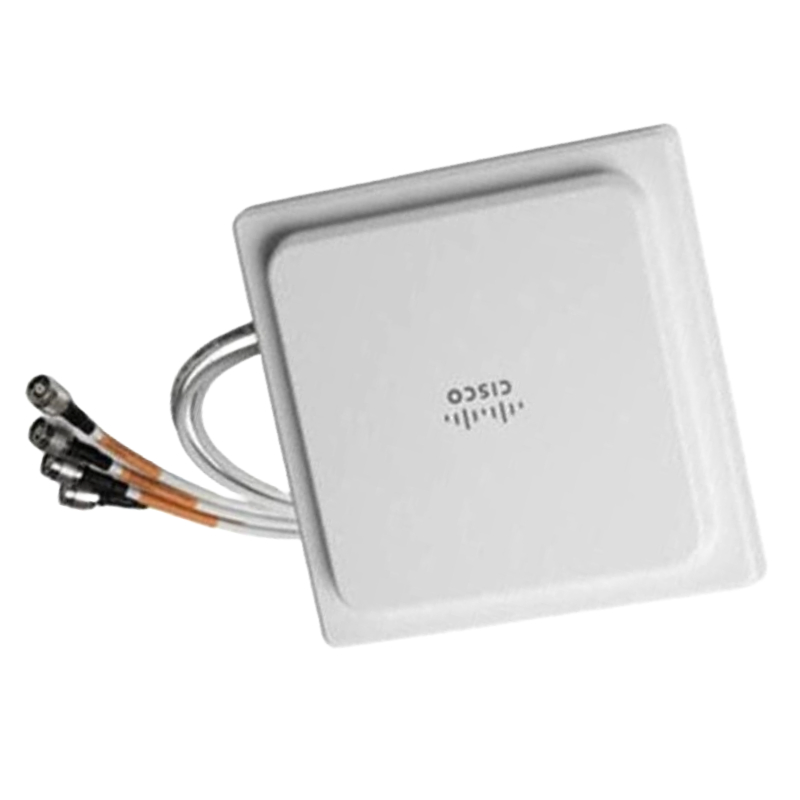


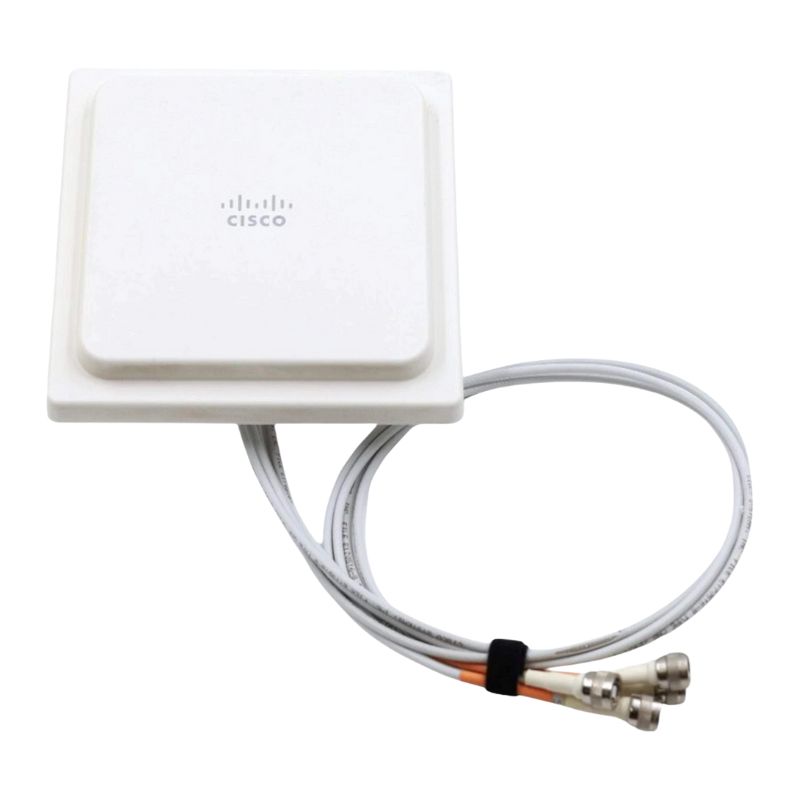
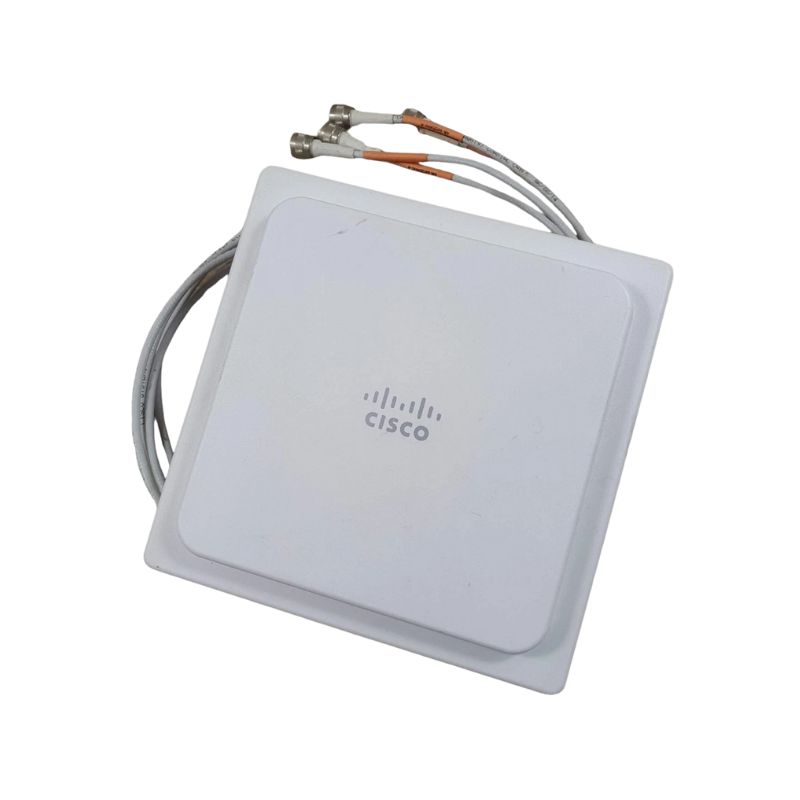
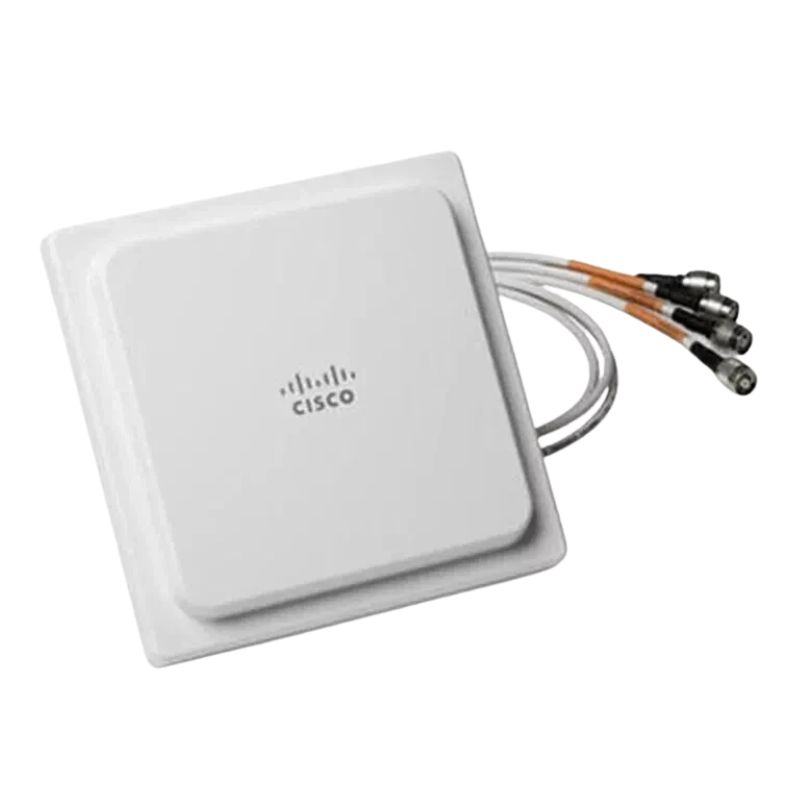
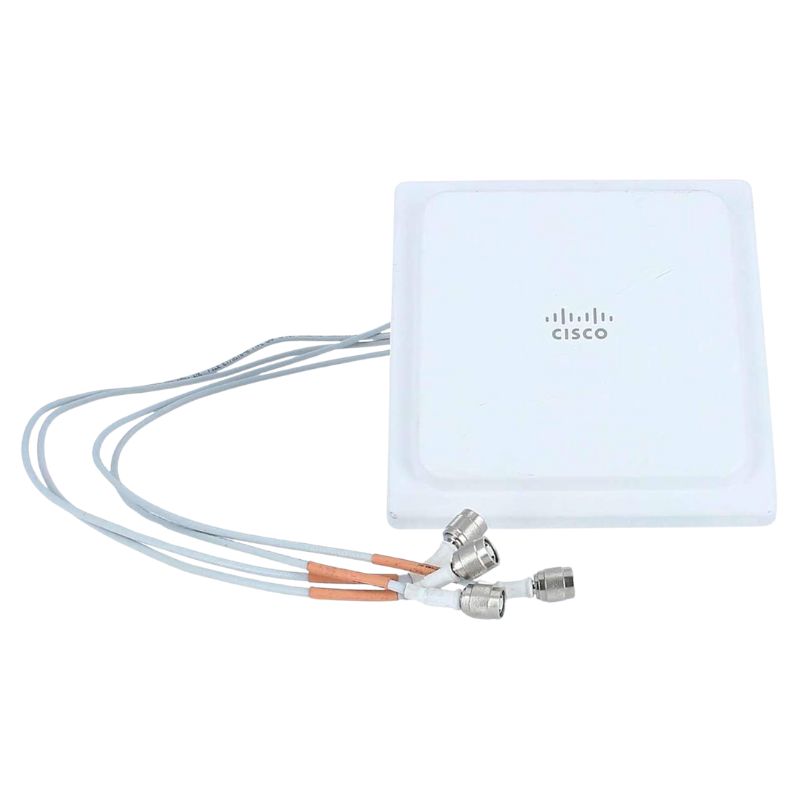
Cisco AIR-ANT2566D4M-R= Aironet Dual Band Antenna Directional Wi-Fi Patch. Excellent Refurbished with 1 year replacement warranty
| SKU/MPN | Warranty | Price | Condition | You save |
|---|---|---|---|---|
| AIR-ANT2566D4M-R= | 1 Year Warranty | $470.00 | Factory-Sealed New in Original Box (FSB) | You save: $164.50 (26%) |
| AIR-ANT2566D4M-R= | 1 Year Warranty | $190.00 | Excellent Refurbished | You save: $66.50 (26%) |
The Cisco AIR-ANT2566D4M-R= Aironet Dual Band Antenna Directional Wi-Fi Patch is a specialized wireless networking antenna designed to enhance the performance, coverage, and reliability of enterprise-grade Wi-Fi deployments. This directional patch antenna belongs to the Cisco Aironet antenna family and is engineered for organizations that require controlled wireless signal distribution, improved connectivity, and optimized radio frequency performance across demanding network environments. Unlike standard omnidirectional antennas that distribute wireless signals in every direction, a directional Wi-Fi patch antenna focuses energy toward a specific coverage area, making it highly suitable for targeted wireless applications.
The Cisco AIR-ANT2566D4M-R= supports dual-band wireless communication, allowing compatible Cisco access points to operate across both the 2.4 GHz and 5 GHz frequency ranges. Dual-band capability is an important feature in modern wireless infrastructure because it enables networks to balance coverage requirements, device compatibility, and performance demands. The 2.4 GHz band is widely recognized for providing extended range and better penetration through obstacles, while the 5 GHz band is commonly used for higher-speed communication with reduced interference from many legacy devices.
This directional antenna solution is designed for businesses, educational institutions, healthcare facilities, warehouses, industrial spaces, and other professional environments where wireless performance must be carefully managed. By directing radio frequency energy toward specific areas, the antenna helps network administrators create focused coverage zones, extend wireless reach between locations, and reduce unnecessary signal spread into areas where connectivity is not required.
A directional Wi-Fi patch antenna works by concentrating wireless transmission and reception patterns into a defined direction. The design typically uses a flat panel structure that directs radio frequency energy outward from the antenna surface. This approach creates stronger signal strength in the intended direction compared with broadcasting equally in all directions.
The Cisco AIR-ANT2566D4M-R= Aironet Dual Band Antenna Directional Wi-Fi Patch is particularly valuable in environments where wireless coverage needs to be carefully planned. In large facilities, an omnidirectional antenna may send signals into unnecessary spaces, causing inefficient coverage patterns and increasing the possibility of interference. A directional patch antenna allows IT teams to place wireless coverage exactly where users and devices need it.
Directional antennas are often selected for point-to-point links, corridor coverage, high-density areas, and locations where physical layouts create challenges for traditional wireless deployment methods. The focused signal pattern helps improve communication quality by delivering stronger wireless energy toward the target area.
The dual-band functionality of the Cisco AIR-ANT2566D4M-R= provides flexibility for modern wireless networks. Supporting both 2.4 GHz and 5 GHz frequencies enables compatibility with a wide range of wireless devices, including laptops, smartphones, tablets, scanners, industrial equipment, and Internet of Things devices.
Wireless environments continue to become more complex as the number of connected devices increases. Dual-band antennas allow network infrastructure to distribute connections more effectively. The 5 GHz frequency range often provides higher throughput and more available channels, making it beneficial for applications that require fast data transfer, video communication, cloud access, and real-time collaboration.
The 2.4 GHz frequency range remains useful because many devices still rely on it, and its longer wavelength characteristics can provide better performance in situations involving distance or physical barriers. Combining both frequency ranges in a single antenna design helps organizations maintain a balanced and adaptable wireless network.
The Cisco AIR-ANT2566D4M-R= is part of the Cisco Aironet antenna ecosystem, which is built to complement professional wireless access point solutions. Cisco Aironet antennas are developed with enterprise networking requirements in mind, including predictable performance, installation flexibility, and compatibility with Cisco wireless equipment.
Enterprise wireless networks depend on more than just access points. Antenna selection plays an essential role in determining coverage shape, signal quality, and overall network efficiency. The correct antenna helps transform an access point into a wireless solution that matches the physical environment and business requirements.
Network designers consider antenna characteristics such as radiation pattern, gain, polarization, mounting options, and frequency support when planning wireless deployments. The Cisco AIR-ANT2566D4M-R= offers a directional solution for projects where focused coverage is more valuable than broad signal distribution.
The Cisco AIR-ANT2566D4M-R= Aironet Dual Band Antenna Directional Wi-Fi Patch is commonly associated with structured wireless deployments where coverage planning is important. It can be used in office environments requiring focused coverage between rooms or floors, warehouses needing connectivity along specific aisles, and public facilities where wireless access must be distributed efficiently.
In educational environments, directional antennas can support classrooms, lecture halls, and specialized areas by helping administrators manage wireless coverage zones. In healthcare facilities, reliable wireless connectivity is critical for communication systems, mobile devices, and operational technologies. Directional antenna solutions can assist with maintaining stable connections in carefully planned areas.
Industrial and commercial environments also benefit from directional antenna technology. Manufacturing floors, storage facilities, and logistics centers often contain equipment and structures that affect wireless signals. A directional antenna provides a method for directing wireless coverage around obstacles and toward important operating areas.
One of the primary characteristics of the Cisco AIR-ANT2566D4M-R= is its directional coverage capability. Instead of spreading wireless signals evenly in every direction, this antenna creates a more concentrated transmission area. This design improves wireless planning by allowing administrators to target specific spaces.
Focused coverage can help improve user experience by providing stronger connections where devices are actively used. It can also help reduce unnecessary signal overlap between nearby access points, which is an important consideration in dense wireless deployments.
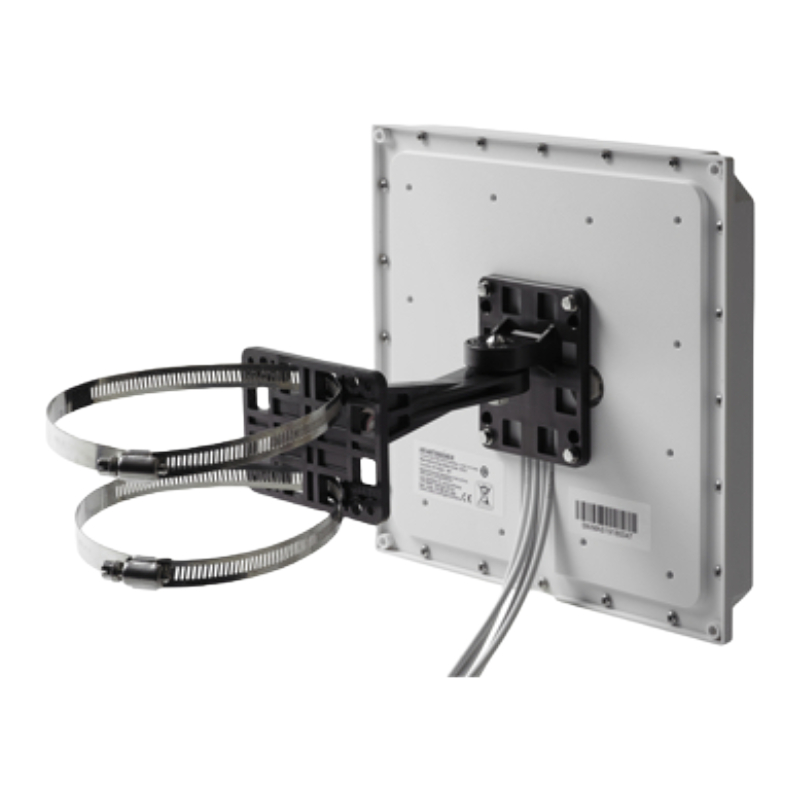
Directional patch antennas are often chosen because they provide flexible placement options. Their flat panel design allows them to be installed on walls or other suitable surfaces where focused wireless coverage is needed. Proper positioning helps ensure that the antenna provides coverage in the intended direction.
During installation, network professionals evaluate building layouts, user locations, interference sources, and wireless requirements. The antenna orientation and mounting position can significantly affect the final coverage result. Careful planning helps organizations maximize the benefits of directional antenna technology.
Modern offices rely heavily on wireless connectivity for employee devices, communication platforms, cloud applications, and collaboration tools. A directional Wi-Fi patch antenna can support office network designs where specific areas require enhanced wireless service.
Large office spaces often contain meeting rooms, open work areas, private offices, and shared facilities. Each area may have different wireless demands. Directional antennas allow network teams to create targeted coverage patterns instead of relying only on general wireless broadcasting.
Warehouses and industrial facilities present unique wireless challenges because of large spaces, metal structures, machinery, and changing layouts. The Cisco AIR-ANT2566D4M-R= can help support wireless communication by focusing signal coverage toward operational areas.
Inventory systems, handheld scanners, automated equipment, and mobile workstations frequently depend on reliable wireless connections. Directional antenna deployment can help maintain communication quality in locations where signal distribution needs careful control.
Selecting the correct antenna is an important part of wireless network design. Different environments require different coverage strategies. A directional antenna like the Cisco AIR-ANT2566D4M-R= is suitable when focused signal delivery is more important than wide-area broadcasting.
Network engineers analyze coverage requirements before choosing antenna types. Factors such as building materials, device density, access point locations, and application requirements all influence antenna decisions.
The radiation pattern of an antenna determines how wireless energy is distributed. Directional patch antennas generally provide stronger coverage in front of the antenna while limiting coverage behind and to the sides. This makes them useful for creating controlled wireless zones.
Understanding coverage patterns helps prevent wireless design issues such as weak signal areas, excessive overlap, and interference. Proper antenna selection contributes to a more reliable wireless infrastructure.


 Contact Us
 Information
 Catalog
 Solid State Drives (SSD)
 Network Switches
 Hard Disk Drives
 HBA & Controllers
 PC & Servers
 PC & Server Memory
 CPU & Processors
 Network Routers
 Power Supplies
 Tape Drives & Libraries
 Network Devices
 Computer & Network Cables