(7% discount is applied at checkout)
Cart is empty
Your go-to destination for cutting-edge server products
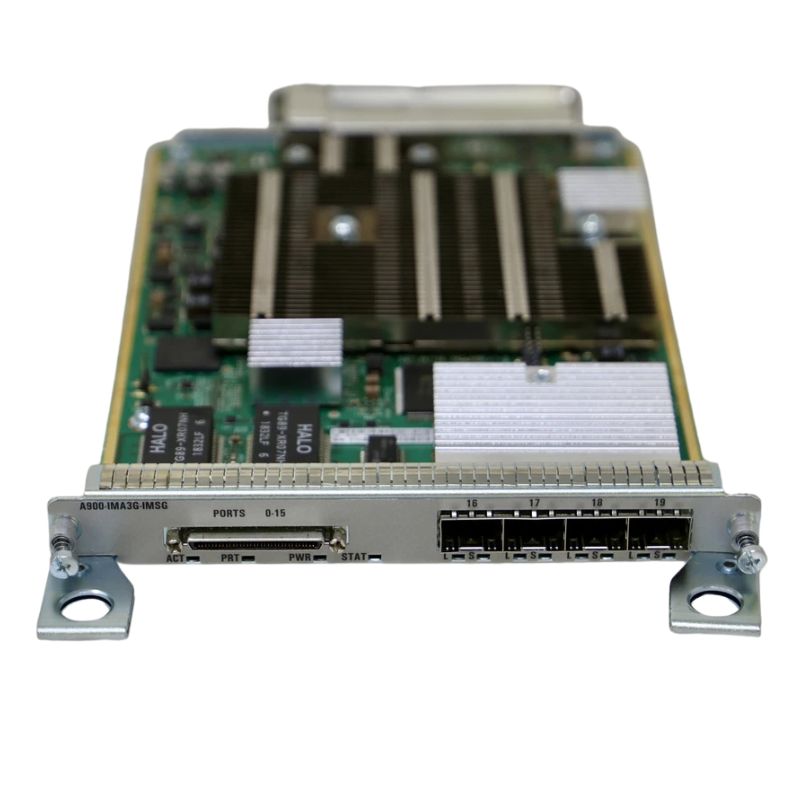


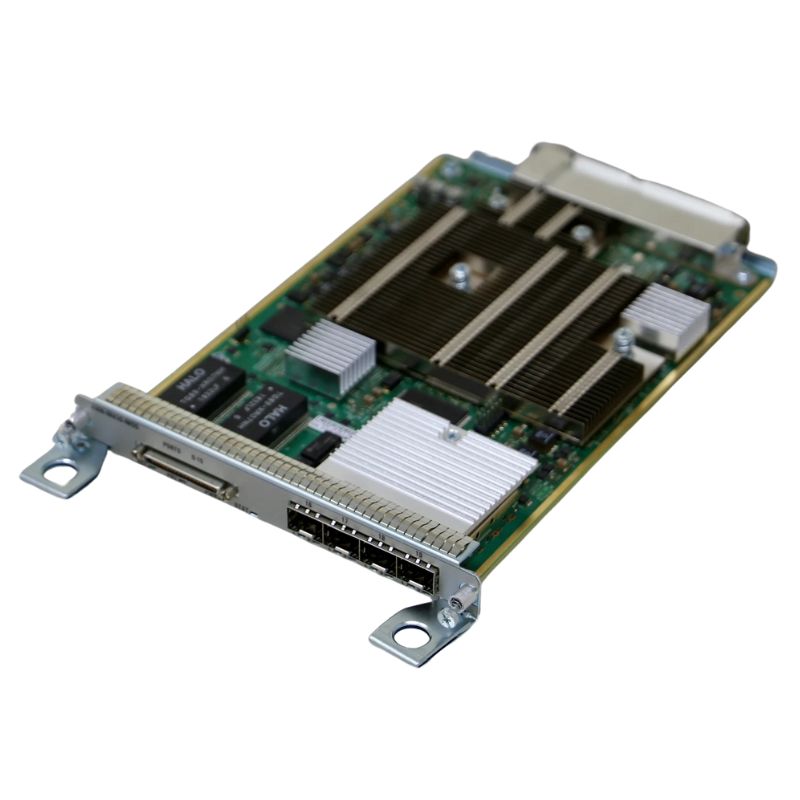
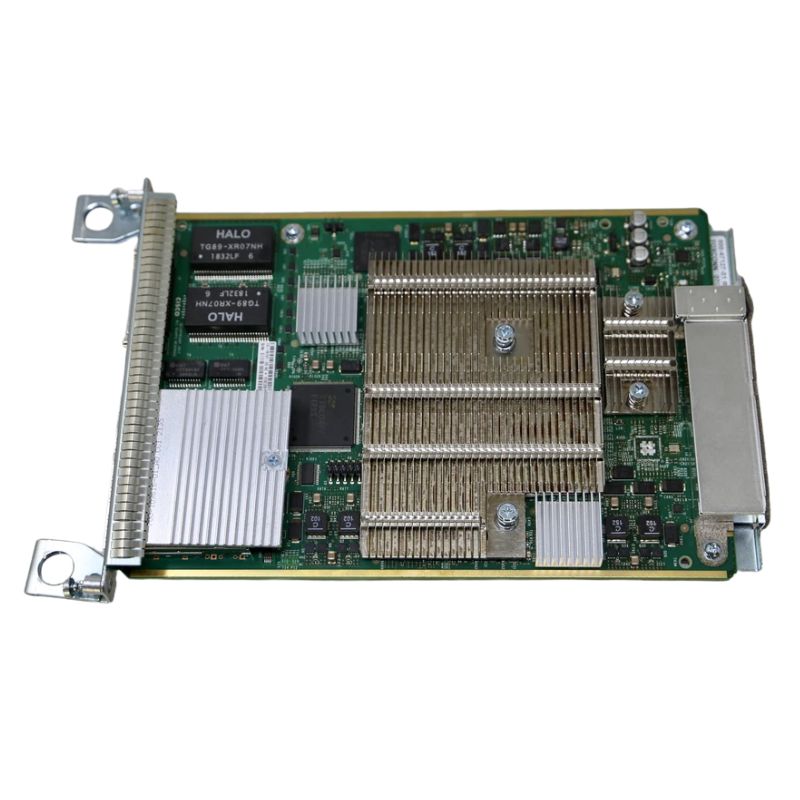
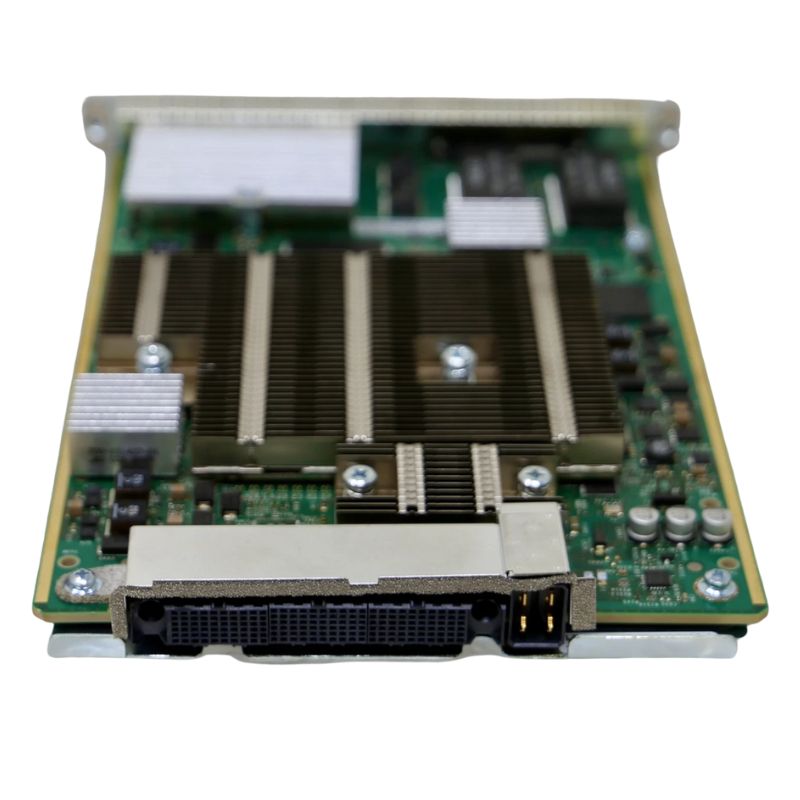
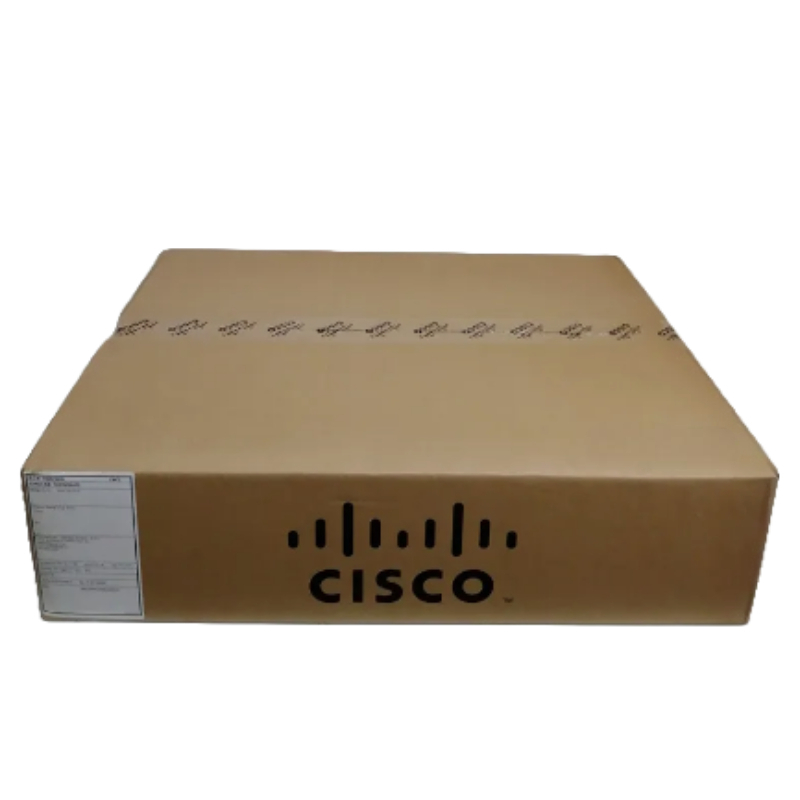
Cisco A900-IMA3G-IMSG ASR 900 Combo 3G Multirate iMSG and CEM Interface Module. Excellent Refurbished with 1 year replacement warranty
| SKU/MPN | Warranty | Price | Condition | You save |
|---|---|---|---|---|
| A900-IMA3G-IMSG | 1 Year Warranty | $3,450.00 | Factory-Sealed New in Original Box (FSB) | You save: $1,207.50 (26%) |
| A900-IMA3G-IMSG | 1 Year Warranty | $1,705.00 | Excellent Refurbished | You save: $596.75 (26%) |
The Cisco A900-IMA3G-IMSG is a high-performance plug-in interface expansion module designed for the ASR 900 Series routers. It integrates advanced multirate capabilities, combining 3G intelligent messaging (iMSG) with Circuit Emulation (CEM) support to enhance network flexibility, scalability, and transport efficiency. This module is engineered to deliver reliable carrier-grade connectivity, making it suitable for enterprise and service provider backbone infrastructures requiring mixed legacy and modern transport technologies.
The Cisco ASR 900 Series is designed as a carrier grade aggregation platform optimized for mobile backhaul, metro ethernet transport, and integrated service delivery in modern telecom environments. The architecture supports modular expansion, allowing service providers to deploy specialized interface modules that extend functionality without redesigning the entire system. Within this ecosystem, the Cisco A900-IMA3G-IMSG ASR 900 Combo 3G Multirate iMSG and CEM Interface Module plays a critical role in bridging legacy time division multiplexing traffic with next generation packet based transport networks. It is engineered to support high density traffic aggregation while maintaining deterministic performance for real time services.
The ASR 900 platform is widely used in mobile operator networks where convergence of voice, video, and data services is required. It supports synchronization sensitive applications and ensures seamless migration from older circuit based systems to modern packet switched architectures. The modular nature of the chassis allows integration of advanced interface modules such as the iMSG and CEM capable card, which provides service providers with flexibility in designing transport strategies.
The Cisco A900-IMA3G-IMSG interface module is engineered to support multirate 3G traffic processing combined with intelligent media services gateway functionality. It is optimized for environments where mobile network operators require efficient handling of circuit emulation and packet conversion. The module supports both legacy voice transport and modern packetized traffic, making it essential for hybrid network deployments.
One of the defining characteristics of this module is its ability to process circuit emulation services efficiently. Circuit Emulation Mode allows traditional TDM based signals to be encapsulated into packet streams without compromising timing accuracy. This capability ensures that older network elements can continue to operate while being integrated into IP based transport systems. The module also supports high capacity aggregation, allowing multiple traffic streams to be processed simultaneously.
The 3G multirate support within the Cisco A900-IMA3G-IMSG module enables dynamic handling of varying bandwidth requirements associated with mobile network traffic. In 3G networks, traffic patterns fluctuate depending on user demand, service type, and network conditions. This module is designed to adapt to these variations while maintaining consistent service delivery.
Multirate processing ensures that different types of traffic such as voice calls, video sessions, and data transfers can be managed efficiently. The module allocates resources dynamically based on traffic priority and bandwidth availability. This enhances overall network performance and reduces congestion in high demand scenarios. It also contributes to improved user experience by minimizing latency and packet loss.
Circuit Emulation Service functionality is a core feature of the Cisco A900-IMA3G-IMSG module. It allows traditional TDM based traffic to be transported over packet switched networks without losing synchronization integrity. This is particularly important for legacy telecommunication systems that still rely on time sensitive communication channels.
The module supports encapsulation techniques that convert TDM streams into packet formats suitable for Ethernet transport. This ensures compatibility between old and new infrastructure. Service providers benefit from reduced operational costs as they can gradually migrate to packet based systems without replacing existing TDM equipment entirely. The seamless integration of circuit emulation also helps maintain service continuity during network transitions.
The integrated media services gateway functionality within the module enhances its ability to handle multimedia traffic efficiently. It supports processing of voice, video, and data streams with optimized routing and forwarding capabilities. This ensures that different service types are delivered with appropriate quality levels based on their requirements.
The media services processing engine is designed to handle high throughput environments commonly found in mobile operator networks. It provides intelligent traffic management features that prioritize latency sensitive services such as voice calls while ensuring bulk data transfers do not impact real time communication. This balance is essential for maintaining network efficiency in modern converged infrastructures.
The Cisco A900-IMA3G-IMSG module features a highly integrated hardware architecture designed for performance and scalability. The interface design supports multiple traffic types and ensures efficient data handling between the module and the ASR 900 chassis. The physical layout is optimized for heat dissipation and high density deployment scenarios.
Internally, the module incorporates specialized processing units that handle packet conversion, traffic scheduling, and synchronization management. These components work together to ensure that data flows smoothly between network layers. The interface connectors are designed to support robust connectivity in carrier grade environments, minimizing downtime and physical layer disruptions.
Carrier Ethernet integration allows the module to function seamlessly within modern metro and backbone networks. It supports standardized Ethernet transport mechanisms that enable efficient data transmission across long distances. This integration ensures compatibility with a wide range of network infrastructures.
Service delivery capabilities include support for multiple virtual circuits and traffic segmentation. This allows service providers to offer differentiated services to customers based on bandwidth and quality requirements. The module ensures consistent performance across all service tiers, making it suitable for commercial telecom deployments.
Scalability is a key advantage of the Cisco A900-IMA3G-IMSG module. It is designed to support expanding network requirements without compromising performance. Service providers can scale their infrastructure by adding additional modules within the ASR 900 chassis as demand increases.
This scalability makes it suitable for both small and large network deployments. It allows operators to gradually expand capacity based on traffic growth, reducing upfront investment costs. The modular design ensures that upgrades can be performed with minimal disruption to existing services.
The module plays an important role in network convergence strategies where legacy TDM systems are transitioned to modern IP based infrastructures. It enables simultaneous support for both technologies, allowing operators to maintain service continuity while upgrading their networks.
Migration processes are simplified through circuit emulation capabilities and multirate traffic handling. This reduces the complexity associated with replacing legacy systems and ensures a smoother transition path for service providers.
The Cisco A900-IMA3G-IMSG module is widely deployed in hybrid telecom networks that combine legacy and modern technologies. It supports smooth interoperability between different network generations.
Use cases include mobile network backhaul, enterprise connectivity, and service provider transport networks. Its ability to handle diverse traffic types makes it suitable for complex network environments.


 Contact Us
 Information
 Catalog
 Solid State Drives (SSD)
 Network Switches
 Hard Disk Drives
 HBA & Controllers
 PC & Servers
 PC & Server Memory
 CPU & Processors
 Network Routers
 Power Supplies
 Tape Drives & Libraries
 Network Devices
 Computer & Network Cables