(7% discount is applied at checkout)
Cart is empty
Your go-to destination for cutting-edge server products
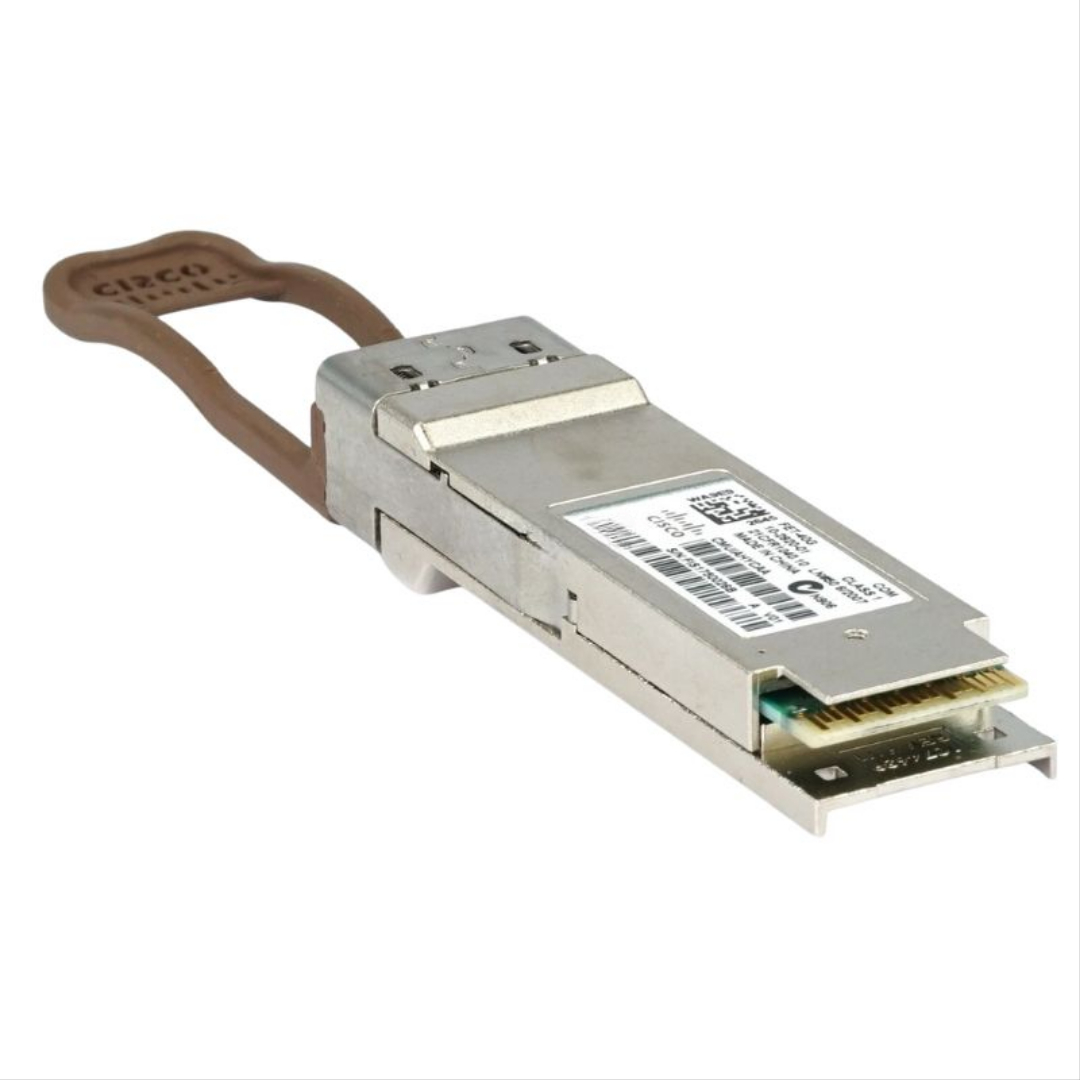


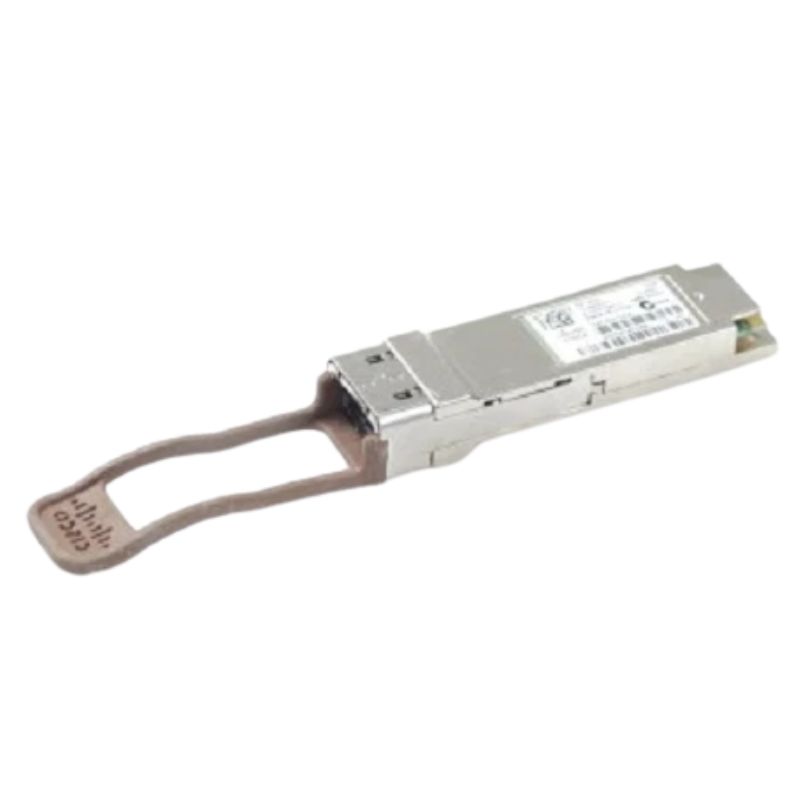
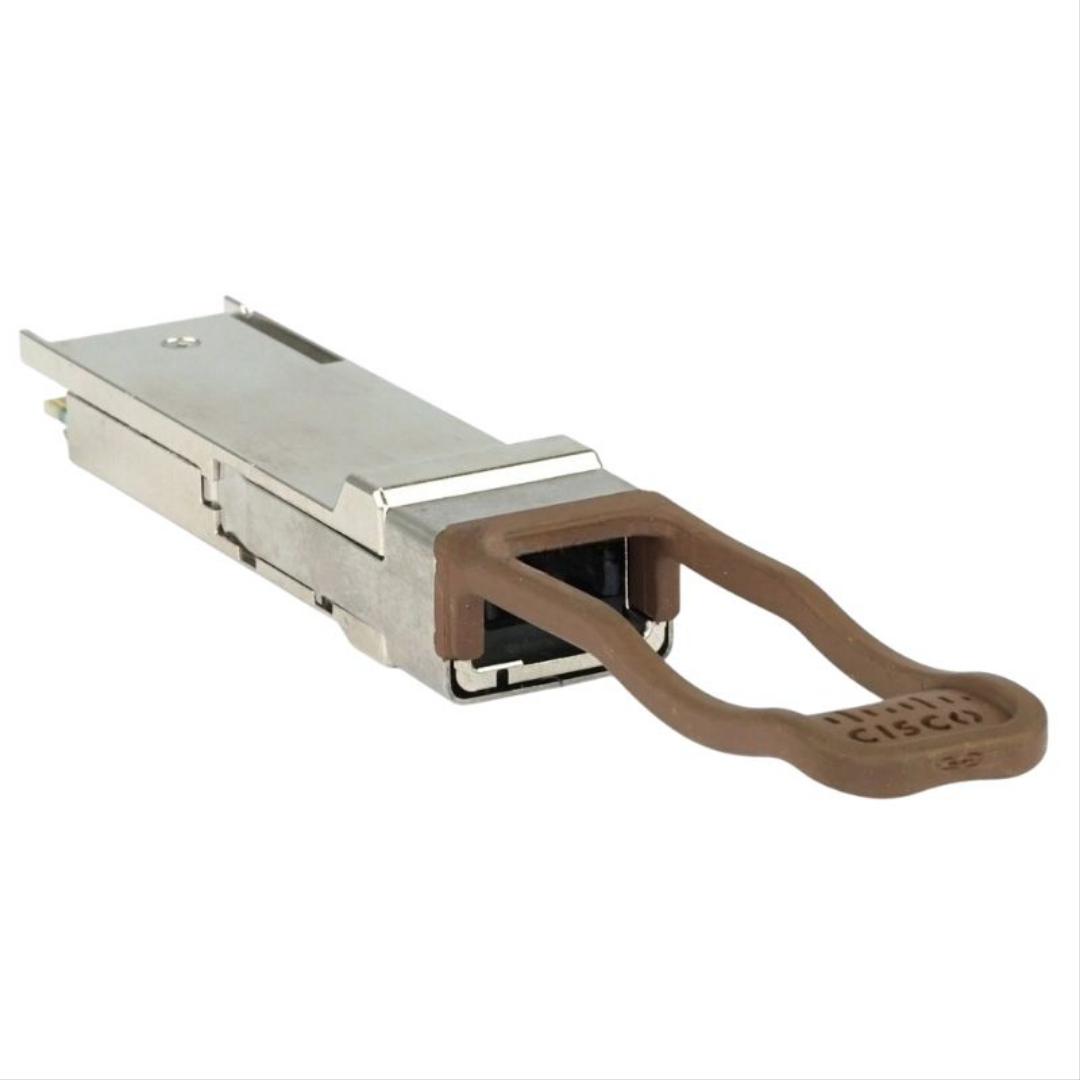
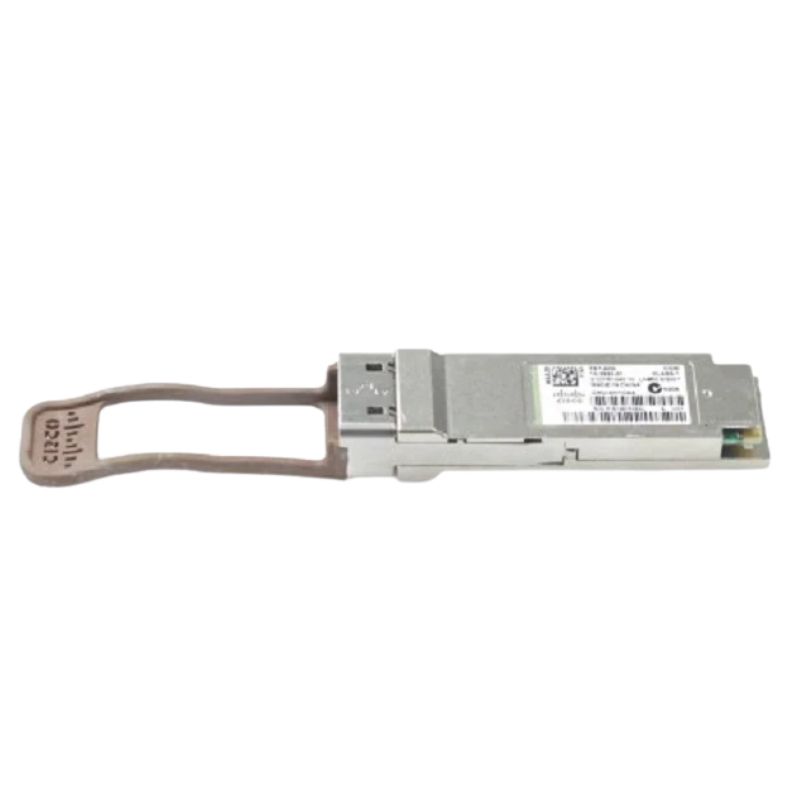
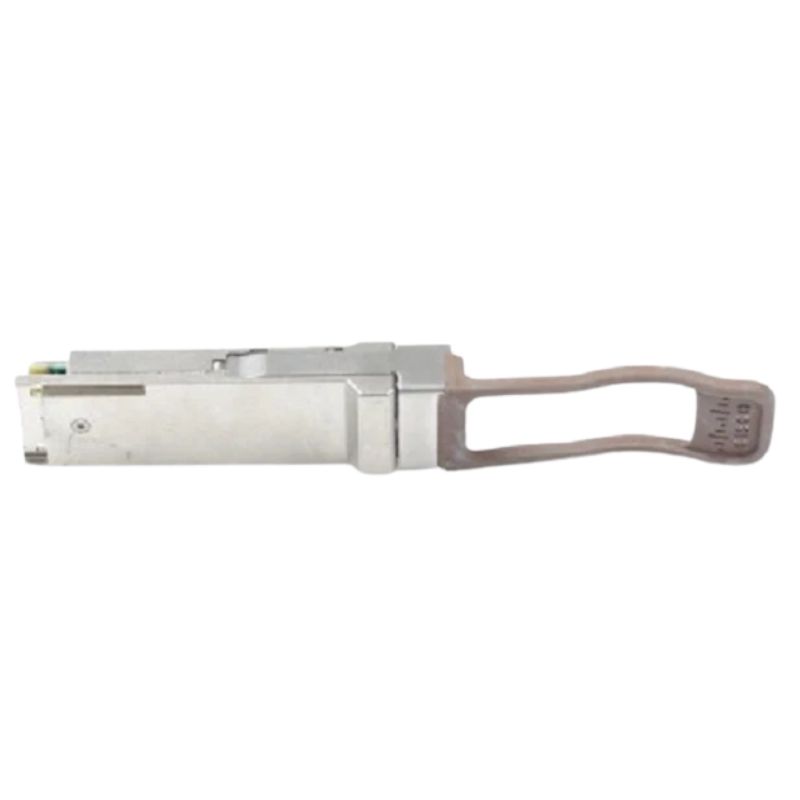
Cisco FET-40G Fabric Extender Transceiver Module 40GBase-SR4. Excellent Refurbished with 1 year replacement warranty
| SKU/MPN | Warranty | Price | Condition | You save |
|---|---|---|---|---|
| FET-40G | 1 Year Warranty | $195.00 | Factory-Sealed New in Original Box (FSB) | You save: $68.25 (26%) |
| FET-40G | 1 Year Warranty | $55.00 | Excellent Refurbished | You save: $19.25 (26%) |
The Cisco FET-40G is a high-performance 40-Gigabit Ethernet fabric extender transceiver module designed to deliver reliable,
high-speed wired network connectivity for modern data center environments. Manufactured by
The Cisco FET-40G 40-Gigabit Fabric Extender Transceiver Module represents a critical component in high-density, high-performance data center environments where scalability, bandwidth efficiency, and low-latency communication are essential. Designed to support Fabric Extender (FEX) architectures, the module enables streamlined connectivity between parent switches and remote line cards, effectively extending the switching fabric closer to end devices such as servers, storage arrays, and virtualization hosts. In modern enterprise networks where traffic volumes continue to increase due to cloud computing, virtualization, and distributed applications, the Cisco FET-40G module plays a foundational role in maintaining consistent and predictable network performance.
At its core, the module is engineered to support 40 Gigabit Ethernet links, delivering high-throughput connectivity that minimizes bottlenecks in aggregation layers. By acting as a fabric interconnect component, it allows data centers to scale horizontally while preserving centralized management and simplified operational control. This approach reduces complexity in network design and enhances efficiency by consolidating switching intelligence at the core or aggregation layer while extending physical connectivity outward.
The Fabric Extender architecture, which the Cisco FET-40G module is designed to support, is a transformational approach to network design that decouples physical port density from logical switching capabilities. Instead of deploying fully independent switches at each access layer, Fabric Extenders act as remote line cards that are managed by a parent switch, often a Cisco Nexus series device. This architecture reduces the operational overhead associated with managing multiple switching devices and provides a unified control plane for simplified configuration and monitoring.
Within this architecture, the Cisco FET-40G module functions as a high-speed uplink interface that connects Fabric Extenders back to the parent switch. This connection ensures that all traffic from downstream devices is efficiently transported across the fabric with minimal latency and high reliability. The result is a streamlined network topology that supports large-scale deployments while maintaining operational consistency across all connected endpoints.
The Cisco FET-40G module is built around advanced optical transceiver technology capable of converting high-speed electrical signals into optical signals for transmission over fiber optic cabling. This conversion process is essential for achieving 40 Gigabit per second throughput over distances that exceed the limitations of copper-based interconnects. The module integrates precision laser components and photodetectors designed to maintain signal integrity even in high-noise environments typical of dense data center deployments.
Signal processing within the module is optimized for minimal distortion and jitter reduction, ensuring that data integrity is preserved during high-speed transmission. This is particularly important in Fabric Extender environments where multiple aggregated traffic streams must be handled simultaneously without degradation in performance.
The Cisco FET-40G module typically utilizes the QSFP+ interface standard, which is specifically designed to support 40 Gigabit Ethernet transmission. QSFP+ interfaces consolidate four high-speed lanes into a single compact form factor, allowing for efficient use of physical space on networking hardware while delivering substantial bandwidth capabilities. Each lane operates at approximately 10 Gigabits per second, combining to form a unified 40 Gigabit channel.
This multi-lane architecture ensures redundancy and performance stability, as traffic can be distributed across multiple channels while maintaining synchronized transmission timing. The QSFP+ interface also supports hot-swappable functionality, enabling network administrators to replace or upgrade modules without disrupting active network operations.
Maintaining signal integrity at 40 Gigabit speeds requires sophisticated lane management and error correction techniques. The Cisco FET-40G module incorporates advanced equalization and clock recovery mechanisms that compensate for signal attenuation and dispersion across fiber links. These technologies ensure that data packets arrive accurately and in sequence, even across extended distances.
Lane alignment is a critical aspect of the module’s operation, as misalignment can lead to packet loss or reduced throughput. The internal architecture of the module continuously monitors lane synchronization, adjusting transmission parameters dynamically to maintain optimal performance across all operating conditions.
The Cisco FET-40G module is designed to integrate seamlessly with Cisco Nexus switches that support Fabric Extender technology. In this configuration, the module serves as a high-speed uplink between the Fabric Extender and its parent switch, enabling centralized control and management of multiple downstream devices.
This integration allows organizations to scale their network infrastructure without increasing operational complexity. All connected Fabric Extenders appear as a single logical switch, simplifying configuration tasks and reducing the potential for configuration drift across large environments. The result is a more efficient and manageable network architecture that aligns with modern data center operational requirements.
One of the defining features of the Cisco FET-40G module is its ability to support sustained 40 Gigabit per second throughput. This level of performance is essential for environments that handle large volumes of east-west traffic, such as virtualization clusters, cloud computing platforms, and distributed storage systems. The module ensures that bandwidth-intensive applications can operate without interruption or performance degradation.
The high throughput capacity also enables efficient consolidation of multiple lower-speed links into a single high-speed uplink, reducing cabling complexity and improving overall network efficiency. This consolidation is particularly valuable in data centers where space and power constraints are significant considerations.
Low latency is a critical requirement in modern networking environments, particularly for applications such as financial trading platforms, real-time analytics systems, and high-performance computing clusters. The Cisco FET-40G module is engineered to minimize latency through optimized signal processing pathways and efficient packet forwarding mechanisms.
By reducing the number of intermediate processing steps required for data transmission, the module ensures that packets are delivered with minimal delay. This is especially important in Fabric Extender architectures, where centralized switching must not introduce performance bottlenecks.
In addition to performance, the Cisco FET-40G module is designed with energy efficiency in mind. Data centers increasingly prioritize power efficiency as a key metric for operational sustainability, and high-speed transceivers must balance performance with thermal constraints. The module incorporates low-power optical components and efficient signal processing circuits to reduce overall energy consumption.
Thermal management is achieved through optimized heat dissipation design, ensuring that the module operates within safe temperature ranges even under sustained high-load conditions. This contributes to improved hardware longevity and reduced cooling requirements at the system level.
In enterprise data centers, the Cisco FET-40G module is commonly deployed as part of a centralized switching architecture where Fabric Extenders extend access-layer connectivity back to a core Nexus switch. This allows organizations to maintain a simplified network topology while supporting a large number of endpoints.
The module enables seamless scaling of network infrastructure, allowing enterprises to add new servers or storage systems without redesigning the underlying network architecture. This flexibility is particularly valuable in dynamic environments where workload demands change frequently.
Cloud infrastructure environments rely heavily on high-bandwidth, low-latency connectivity between compute nodes and storage systems. The Cisco FET-40G module supports these requirements by providing a reliable 40 Gigabit interconnect that ensures consistent performance across virtualized workloads.
Virtual machine migration, distributed storage replication, and containerized application deployment all benefit from the high-speed connectivity provided by the module. As cloud environments continue to scale, the importance of efficient fabric extension becomes increasingly significant.
High-performance computing clusters require extremely fast inter-node communication to support complex computational workloads such as simulations, modeling, and data analysis. The Cisco FET-40G module supports these environments by delivering predictable and stable network performance across interconnected compute nodes.
In such deployments, even minor network latency can significantly impact overall system performance. The module’s ability to maintain consistent throughput and low latency makes it suitable for research institutions and scientific computing environments where precision and speed are critical.
The hot-swappable nature of the Cisco FET-40G module allows administrators to install or replace the module without powering down network equipment. This capability is essential in mission-critical environments where downtime must be minimized. It ensures continuous network availability even during maintenance or hardware upgrades.
This design feature also supports flexible deployment strategies, allowing network administrators to scale bandwidth capacity dynamically based on evolving traffic demands.
The module supports various fiber optic cabling standards depending on deployment requirements, including both short-range and long-range optical transmission media. Proper cable selection is essential to ensure optimal performance, as different fiber types influence signal attenuation, reach, and overall transmission quality.
In high-density data center environments, structured cabling design plays a key role in maintaining organized and efficient connectivity between Fabric Extenders and parent switches.
Transmission distance is influenced by both the optical characteristics of the module and the type of fiber used. The Cisco FET-40G module is designed to maintain signal integrity across a range of distances, making it suitable for both intra-rack and inter-rack connectivity scenarios.
Proper deployment planning ensures that signal degradation is minimized and performance remains consistent across all connected devices.
Network reliability is a key design consideration in Fabric Extender architectures. The Cisco FET-40G module supports redundancy mechanisms that ensure continuous connectivity even in the event of link failure. By leveraging multiple uplink paths, the system can reroute traffic dynamically to maintain service availability.
This redundancy is essential in environments where uninterrupted network access is critical for business operations.
In high-density server environments, the Cisco FET-40G module plays a vital role in aggregating traffic from multiple endpoints and forwarding it efficiently to the core network. This reduces congestion at the access layer and ensures balanced traffic distribution across the network fabric.
In HPC environments, the module supports tightly coupled compute clusters where rapid data exchange between nodes is required. Its high bandwidth and low latency characteristics make it suitable for computational workloads that demand synchronized processing across multiple nodes.
One of the most significant advantages of the Cisco FET-40G module is its ability to support scalable network growth. Organizations can expand their infrastructure by adding additional Fabric Extenders without increasing operational complexity at the core switching layer.


 Contact Us
 Information
 Catalog
 Solid State Drives (SSD)
 Network Switches
 Hard Disk Drives
 HBA & Controllers
 PC & Servers
 PC & Server Memory
 CPU & Processors
 Network Routers
 Power Supplies
 Tape Drives & Libraries
 Network Devices
 Computer & Network Cables