(7% discount is applied at checkout)
Cart is empty
Your go-to destination for cutting-edge server products
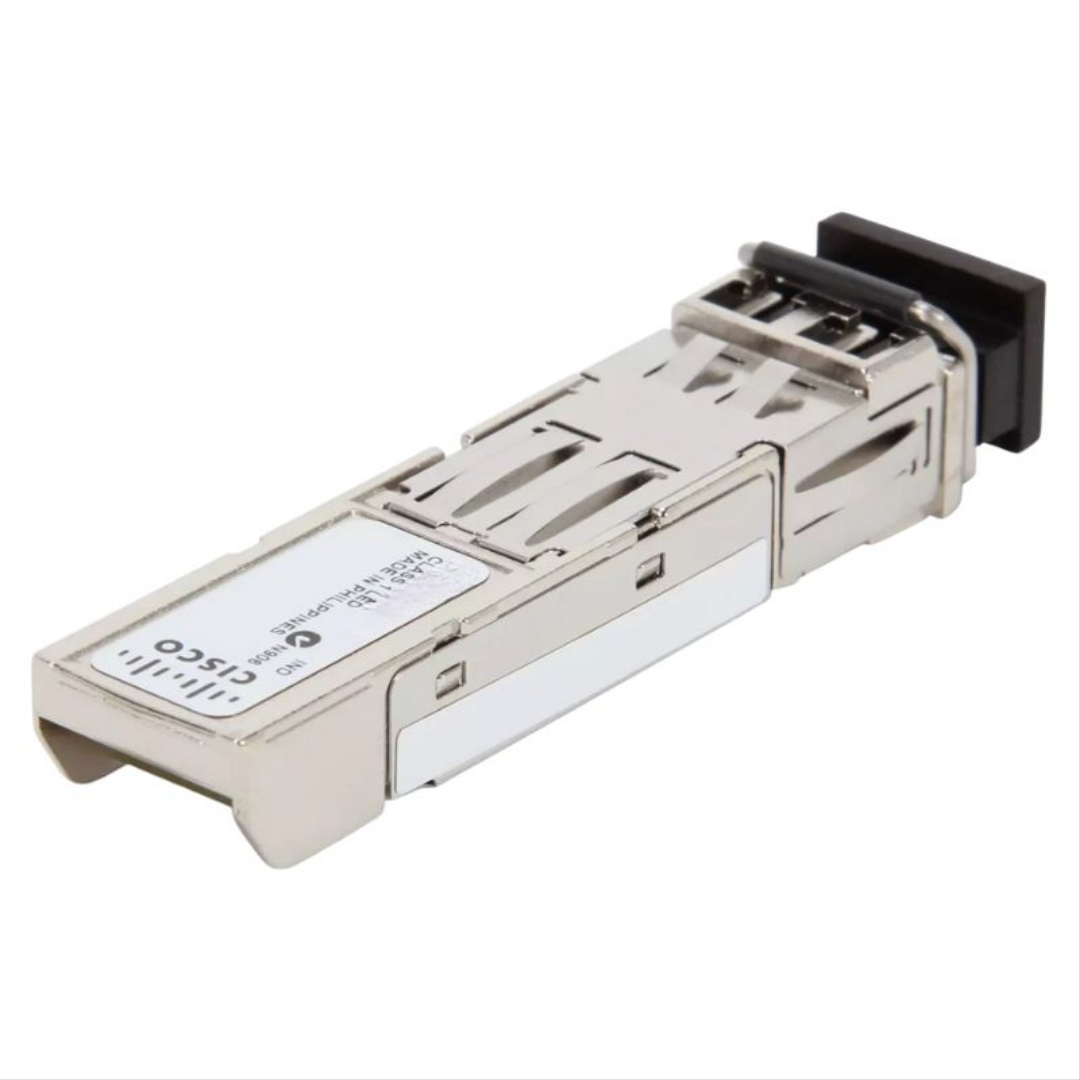


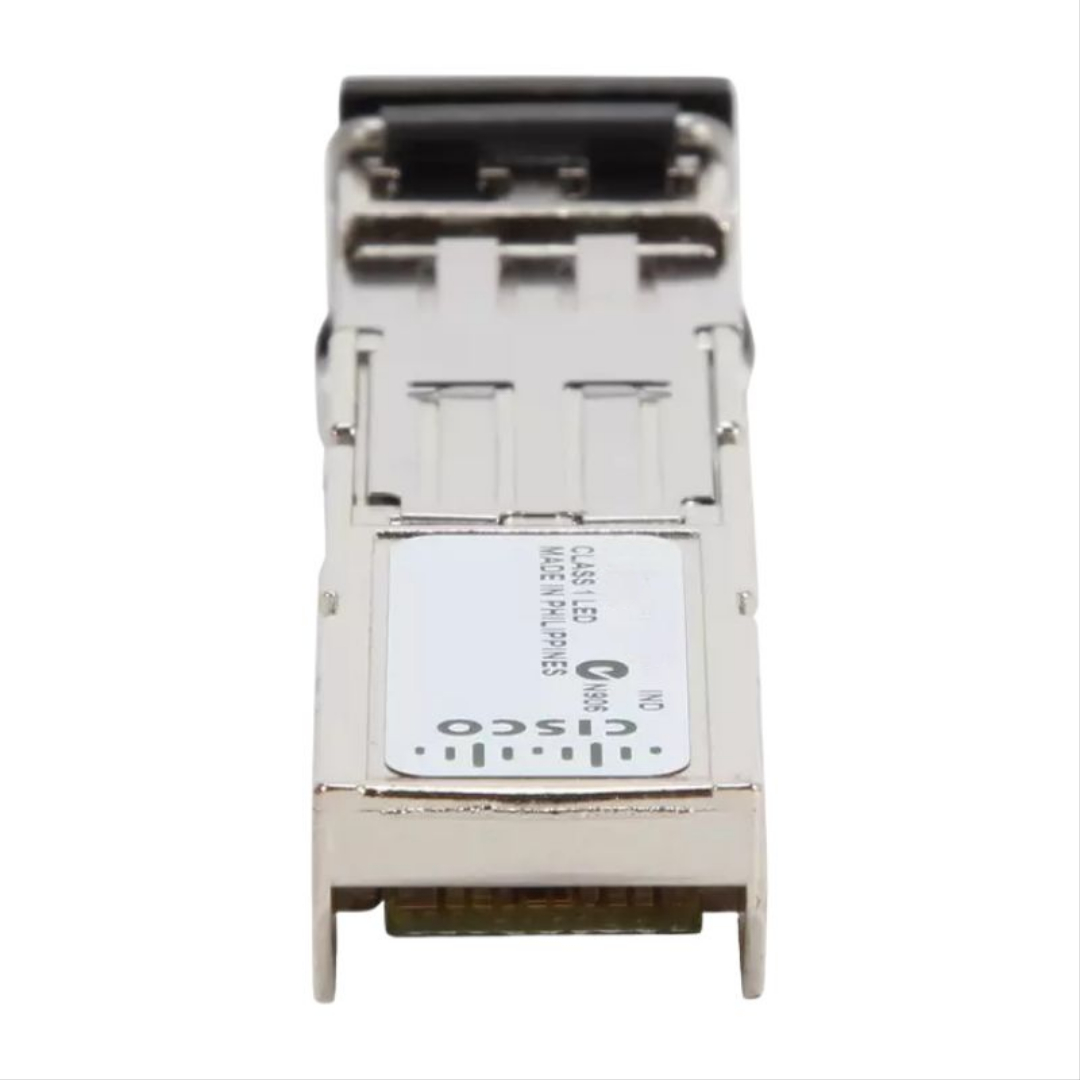
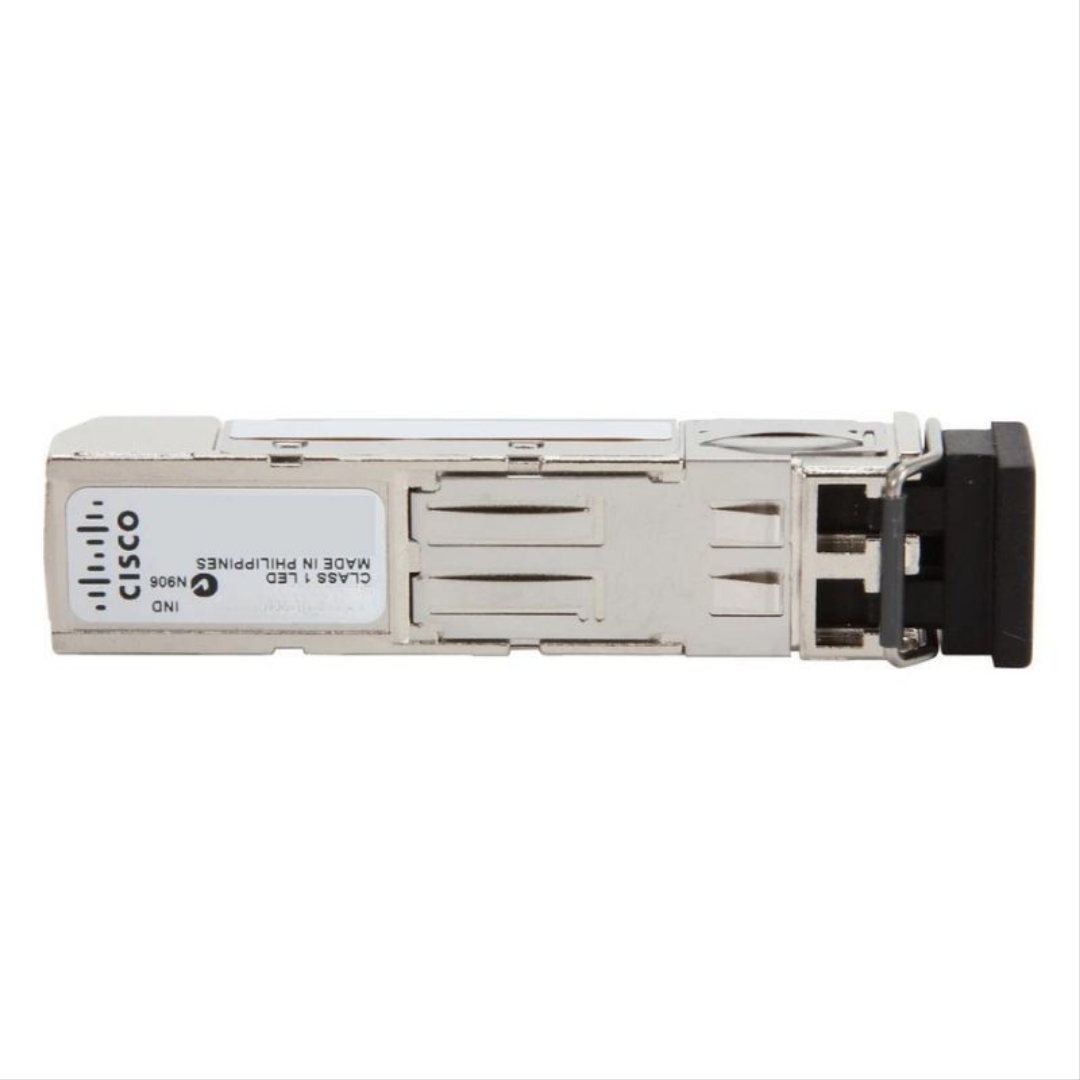
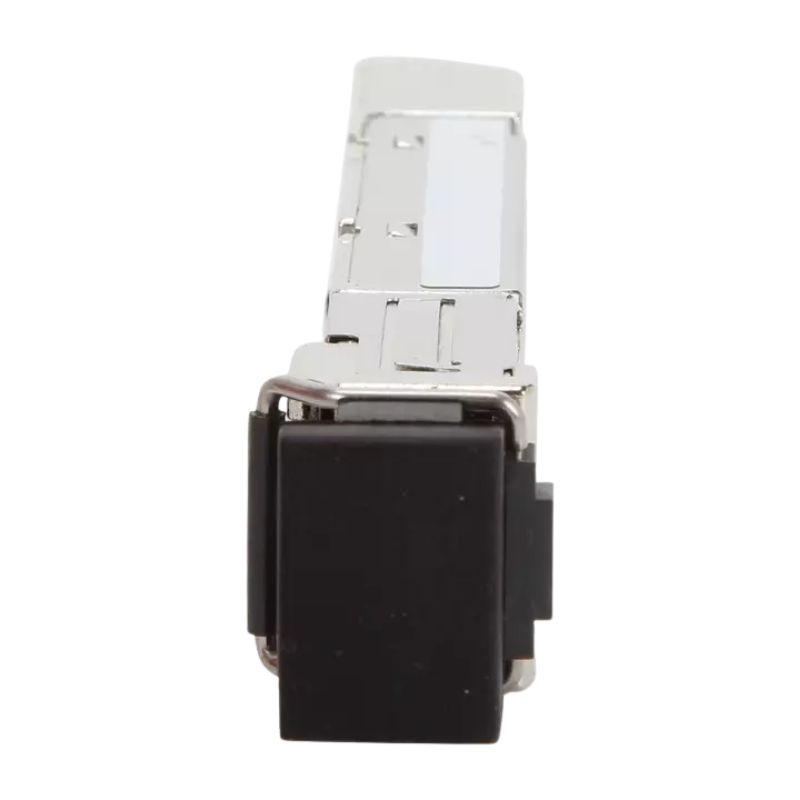
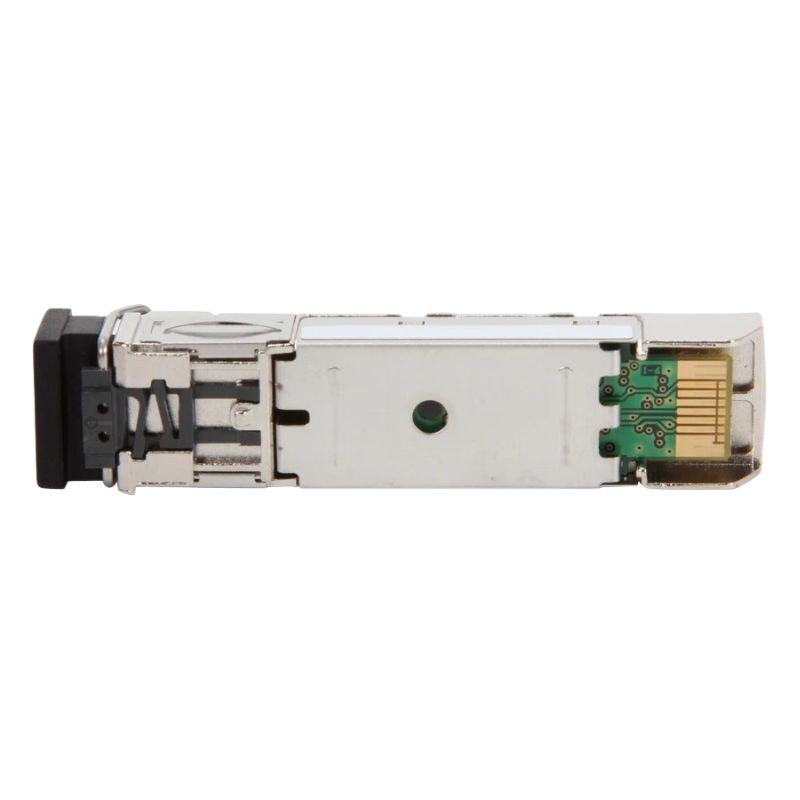
Cisco GLC-FE-100LX 100MBPS Single Mode Transceiver Module. Excellent Refurbished with 1 year replacement warranty
| SKU/MPN | Warranty | Price | Condition | You save |
|---|---|---|---|---|
| GLC-FE-100LX | 1 Year Warranty | $142.00 | Excellent Refurbished | You save: $49.70 (26%) |
| GLC-FE-100LX | 1 Year Warranty | $229.00 | Factory-Sealed New Retail in Original Box (FSB) | You save: $80.15 (26%) |
The Cisco GLC-FE-100LX transceiver module is built for Fast Ethernet fiber connectivity in business, enterprise, and industrial-style networking environments where dependable 100Mbps optical communication is still required. Designed as a hot-swappable Small Form-Factor Pluggable module, this model enables smooth deployment and replacement without shutting down the connected device, making it a practical solution for network administrators who need uptime, service continuity, and easier maintenance. It is engineered for 100Base-LX communication over single-mode optical fiber and uses a 1310 nm wavelength to support long-distance data transmission across structured network infrastructures.
The Cisco GLC-FE-100LX 100MBPS Single Mode Transceiver Module belongs to the Cisco Fast Ethernet optical transceiver family developed for reliable fiber connectivity across enterprise, campus, industrial, branch, and service-oriented network environments. This module is designed for 100BASE-LX10 Fast Ethernet transmission over single-mode fiber, delivering dependable optical connectivity where copper cabling is not practical and where longer reach, lower interference, and cleaner signal transport are required. Built for deployment in compatible Cisco switching and routing platforms, the Cisco GLC-FE-100LX provides a compact pluggable form factor that helps network administrators extend Fast Ethernet services over fiber links while preserving flexibility in port utilization, infrastructure planning, and lifecycle management.
In a network architecture where stable connectivity, consistent signal performance, and structured optical deployment matter, the Cisco GLC-FE-100LX occupies an important position. It is widely associated with installations that require 100 Mbps Fast Ethernet transmission over standard single-mode fiber with an optical reach commonly used for inter-building links, access-layer uplinks, industrial control areas, campus extension, and specialized legacy or transitional networking environments. Cisco designed the GLC-FE-100LX as a Small Form-Factor Pluggable transceiver for optical Fast Ethernet use cases, allowing network teams to deploy fiber-based Fast Ethernet links without relying on fixed optical interfaces. This pluggable approach improves modularity, simplifies replacement, and supports operational continuity in installations where different fiber distances or optical types may be needed across a broader network estate.
The module is generally recognized as a 100BASE-LX10 optical transceiver using a 1310 nm wavelength over single-mode fiber and supporting link spans up to 10 kilometers in suitable conditions on standard G.652 single-mode fiber. This makes it especially useful in organizations that still maintain Fast Ethernet segments for industrial systems, legacy network devices, specialized automation equipment, branch access infrastructure, or long-lived campus switching environments where 100 Mbps connectivity remains appropriate for the application. The Cisco GLC-FE-100LX also fits situations where older devices, supervisory systems, or environmental control networks do not require Gigabit bandwidth but still demand dependable fiber transport and Cisco-grade compatibility across the installed platform.
Although higher-speed Ethernet standards dominate modern core and aggregation networks, Fast Ethernet optics continue to serve a valuable role in many production environments. A large number of industrial, utility, transport, surveillance, control, and access systems still rely on 100 Mbps Ethernet because the attached devices, traffic patterns, and application requirements do not justify migration to higher-speed interfaces. In these environments, the Cisco GLC-FE-100LX becomes more than a legacy transceiver; it acts as a practical optical building block for extending the useful life of network assets while preserving operational stability.
Fast Ethernet over single-mode fiber is especially useful when the network link must cross a larger physical area than copper can support. Manufacturing plants, utility substations, hospitals, university campuses, municipal facilities, logistics centers, transportation depots, and warehouse clusters often include buildings or zones that sit far apart. Copper Ethernet is constrained by distance and is more susceptible to electromagnetic interference in electrically noisy environments. Single-mode fiber, by contrast, supports longer distances, offers strong resistance to electromagnetic disruption, and allows clean optical transmission between locations. In such designs, the Cisco GLC-FE-100LX provides a compact means of adding long-reach Fast Ethernet connectivity to compatible Cisco equipment.
The category surrounding Cisco Fast Ethernet single-mode transceivers is therefore not only about speed specifications. It is also about network design strategy, lifecycle extension, compatibility with installed systems, and dependable transport in environments where the application value of the network matters more than raw bandwidth growth. For many organizations, a stable 100 Mbps optical link can be fully sufficient for industrial telemetry, building automation, IP-based monitoring, control signaling, remote console infrastructure, point-of-sale backhaul, legacy application servers, or security device uplinks. The Cisco GLC-FE-100LX category serves those operational realities.
The Small Form-Factor Pluggable architecture remains one of the most important design elements of the Cisco GLC-FE-100LX. Rather than forcing a network platform to use permanently fixed optics, the SFP approach allows a compatible Cisco switch or router to accept interchangeable optical modules depending on link type, distance, and fiber media requirements. This gives network teams greater flexibility when standardizing infrastructure or handling a mixed environment with different optical demands across multiple sites.
Pluggable transceiver design improves operational efficiency in several ways. It allows a single switch model to support multiple uplink scenarios through different transceiver selections. It makes replacement easier if an optical module fails or if a link is redesigned. It supports spare inventory planning because administrators can stock transceivers as field-replaceable items rather than replacing an entire interface module or platform. It also helps preserve investment in switching hardware because the optical personality of the port can be adjusted as deployment needs evolve.
In the case of the Cisco GLC-FE-100LX, this pluggable model is especially beneficial in Fast Ethernet environments that remain operationally important but are not always uniform. One site may require multimode fiber for short links, another may require single-mode fiber for building-to-building runs, and another may need a bidirectional optical option for limited fiber pathways. The SFP-based Cisco ecosystem makes it possible to align each port with the correct optical module while keeping the underlying platform consistent. For organizations managing broad Cisco installations across multiple facilities, this modularity supports easier standardization and more predictable maintenance practices.
The defining characteristic of the Cisco GLC-FE-100LX is its use of single-mode fiber rather than multimode fiber. Single-mode fiber is engineered for long-distance optical transport with lower attenuation and reduced modal dispersion compared with multimode cabling. This makes it the preferred medium for links that extend beyond the practical limits of multimode Fast Ethernet optics or beyond the distance boundaries of copper Ethernet. For Cisco customers operating facilities with separated buildings, outdoor enclosures, plant floors, utility control rooms, remote security posts, or infrastructure cabinets, single-mode fiber provides the physical reach needed to keep critical systems connected.
Single-mode fiber also contributes to stronger long-term infrastructure planning. Many organizations install single-mode cabling because it supports not only current applications but also future migration paths. Even when the active transceiver in use is a 100 Mbps module such as the Cisco GLC-FE-100LX, the underlying fiber plant may later support higher-speed optics if the access devices or switching layers are upgraded. This means the transceiver can serve an immediate operational requirement while the cabling plant remains relevant for future redesign. In that sense, the Cisco GLC-FE-100LX can be part of a phased modernization strategy in which legacy Fast Ethernet devices continue operating today while the physical optical foundation is maintained for tomorrow’s bandwidth requirements.
Another key advantage of single-mode fiber is its resilience in electrically noisy settings. Industrial networks often operate near motors, power systems, heavy machinery, and high-voltage equipment. Fiber avoids the susceptibility to electromagnetic interference that can affect copper links in harsh conditions. For organizations connecting industrial controllers, environmental monitoring systems, remote access switches, or utility automation devices, the Cisco GLC-FE-100LX supports the use of optical media where electrical interference tolerance is a major design priority.
The Cisco GLC-FE-100LX is associated with 100BASE-LX10 Fast Ethernet optical transmission. In practical deployment terms, this means the transceiver is intended for 100 Mbps operation over single-mode fiber using a 1310 nm optical wavelength and a typical maximum reach of up to 10 kilometers under supported conditions. The module uses duplex fiber connectivity and is intended for environments where Fast Ethernet optical uplinks or interconnections must remain stable across longer physical spans.
Within the broader Cisco Fast Ethernet SFP portfolio, the GLC-FE-100LX is differentiated from short-range multimode Fast Ethernet optics by its single-mode orientation and longer optical reach. It is also distinct from bidirectional single-fiber modules that transmit and receive on different wavelengths over one strand. The Cisco GLC-FE-100LX instead fits the familiar dual-fiber single-mode optical design model that many network teams prefer for straightforward deployment, standard patching, and clear troubleshooting workflows.
In a real-world network, the practical behavior of a 100BASE-LX10 transceiver depends on cabling quality, connector cleanliness, patch panel integrity, splice loss, and adherence to supported optical budgets. Good installation practice matters. Fiber inspection, cleaning discipline, correct patch cord type, and compatible port configuration all contribute to dependable link establishment. While the Cisco GLC-FE-100LX is designed for robust optical communication, transceiver performance in the field is always strongest when supported by disciplined fiber management and correct installation standards.
Campus networks remain one of the most practical use cases for the Cisco GLC-FE-100LX category. Many organizations operate multiple buildings within a shared campus footprint, including administrative offices, laboratories, classrooms, clinics, warehouses, security posts, and utility rooms. Some of these locations do not require Gigabit uplinks for every access-layer function, especially when the connected devices are limited in throughput demand. A 100 Mbps single-mode optical uplink can still be entirely appropriate for low-bandwidth service areas, legacy equipment clusters, or remote operational spaces.
In a campus environment, the Cisco GLC-FE-100LX can be used to connect a remote access switch to a central switching room over existing single-mode fiber. It can support surveillance or access control infrastructure housed in a separate building. It can serve specialized research or instrumentation networks where the attached equipment operates on Fast Ethernet only. It can also help preserve continuity in older campus wings where the switching architecture is being upgraded gradually rather than replaced all at once.
Because single-mode fiber supports longer reach, the Cisco GLC-FE-100LX is well suited to outdoor campus links that cross roads, courtyards, parking areas, or utility corridors. In these situations, the combination of optical isolation, interference resistance, and practical distance support makes the module a useful tool for extending network services without introducing copper distance limitations or signal quality concerns.
The Cisco GLC-FE-100LX category also fits branch and remote-facility use cases where a 100 Mbps optical link is adequate for the traffic profile. Smaller branch buildings, outposts, temporary offices, service counters, gatehouses, substations, and storage compounds may need secure and dependable connectivity but may not generate traffic levels that justify higher-speed optics. If the site already uses compatible Cisco switching infrastructure and single-mode fiber is available, the Cisco GLC-FE-100LX can provide a practical uplink option.
Remote facility networking often prioritizes simplicity, reliability, and maintainability. A single-mode Fast Ethernet transceiver with Cisco compatibility can be easier to support than more complex alternatives when the connected applications are modest in bandwidth consumption. Examples include badge systems, environmental monitoring devices, time-and-attendance equipment, voice gateways, point-of-sale backhaul, local file synchronization, or remote administrative access. In each of these scenarios, the value of the transceiver lies not in maximum throughput but in dependable fiber connectivity, consistent Cisco platform behavior, and straightforward integration into existing network management processes.
One of the most overlooked advantages of the Cisco GLC-FE-100LX category is the role of fiber in creating electrically isolated communications pathways. Copper Ethernet links can create challenges in environments with electrical noise, grounding differences, surge risk, or long outdoor runs between buildings. Fiber removes the conductive path and allows optical transmission that is inherently immune to electromagnetic interference. This can improve stability in areas with heavy industrial equipment, radio systems, power distribution infrastructure, or harsh environmental conditions.
For hospitals, manufacturing sites, utility operators, transportation agencies, and municipal campuses, this isolation benefit can be just as important as link distance. When network reliability is tied to the operation of security systems, process monitoring, environmental controls, or critical communications, optical infrastructure helps reduce exposure to electrical disturbances. The Cisco GLC-FE-100LX allows organizations to bring that optical advantage into Fast Ethernet deployments while maintaining alignment with Cisco networking hardware.
Designing around the Cisco GLC-FE-100LX involves more than selecting a transceiver and inserting it into a port. Successful deployment requires attention to the entire optical path and the role of the link within the wider network architecture. Administrators typically consider the distance between endpoints, the type and quality of installed single-mode fiber, connector compatibility, patching topology, environmental conditions, and the performance needs of the application traversing the link.
When planning a Fast Ethernet optical segment, it is also important to verify whether the Cisco device port is dedicated to Fast Ethernet SFP operation or whether it is a dual-rate port that supports both Fast Ethernet and Gigabit optical modules under specific conditions. Platform compatibility documentation remains essential. In addition, designers often review whether the network segment is expected to remain at 100 Mbps long term or whether it represents a transitional stage before migration to higher-speed optics. This affects spare strategy, port planning, and long-term investment decisions.
Physical layer management is equally important. Fiber patch panels should be clearly labeled, connector end faces should be kept clean, bend radius standards should be respected, and cable routing should minimize avoidable stress. Because optical faults can sometimes be subtle, disciplined installation and documentation practices significantly reduce troubleshooting time later in the lifecycle of the link.
One of the most important reasons organizations choose a Cisco transceiver rather than a generic alternative is compatibility confidence. The Cisco GLC-FE-100LX is part of a Cisco optical ecosystem intended for use with compatible Cisco platforms that support Fast Ethernet SFP operation. In many enterprise and industrial environments, avoiding compatibility uncertainty is critical because the optical module is being deployed in a production network where downtime can affect operations, safety, service delivery, or compliance requirements.
Cisco-compatible optics are often selected because network teams want predictable behavior in Cisco switches and routers, including stable port recognition, consistent operational status reporting, and alignment with Cisco hardware validation practices. This is especially relevant in mixed-generation networks where some devices may remain in service for long periods. A transceiver category page built around the Cisco GLC-FE-100LX should therefore emphasize not only the optical distance and form factor but also the broader value of Cisco ecosystem alignment. Organizations frequently standardize on original Cisco optics or Cisco-qualified hardware when maintaining campus access networks, industrial Ethernet segments, branch switching layers, and service modules that depend on predictable hardware behavior.
The Cisco GLC-FE-100LX is commonly associated with Cisco Fast Ethernet and dual-rate Fast Ethernet or Gigabit-capable ports on selected Cisco devices that support this class of optical transceiver. In planning deployments, administrators typically verify compatibility against the target switch or router platform, the software release in use, and the optical requirements of the specific link. This process helps ensure that the transceiver is matched to the correct Cisco hardware environment and that the operational benefits of a supported optical design are fully realized.


 Contact Us
 Information
 Catalog
 Solid State Drives (SSD)
 Network Switches
 Hard Disk Drives
 HBA & Controllers
 PC & Servers
 PC & Server Memory
 CPU & Processors
 Network Routers
 Power Supplies
 Tape Drives & Libraries
 Network Devices
 Computer & Network Cables