(7% discount is applied at checkout)
Cart is empty
Your go-to destination for cutting-edge server products
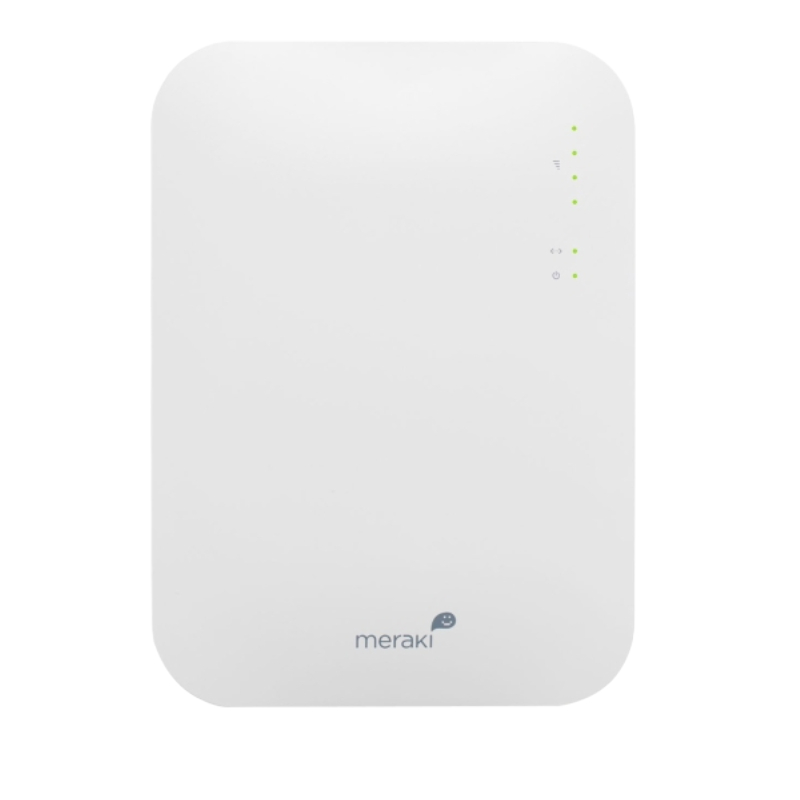


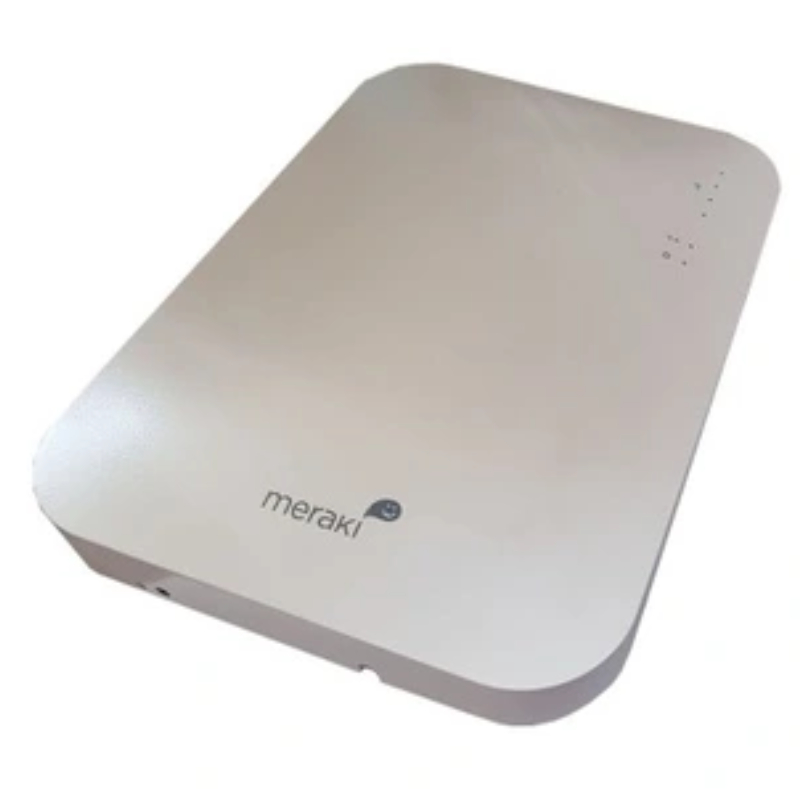
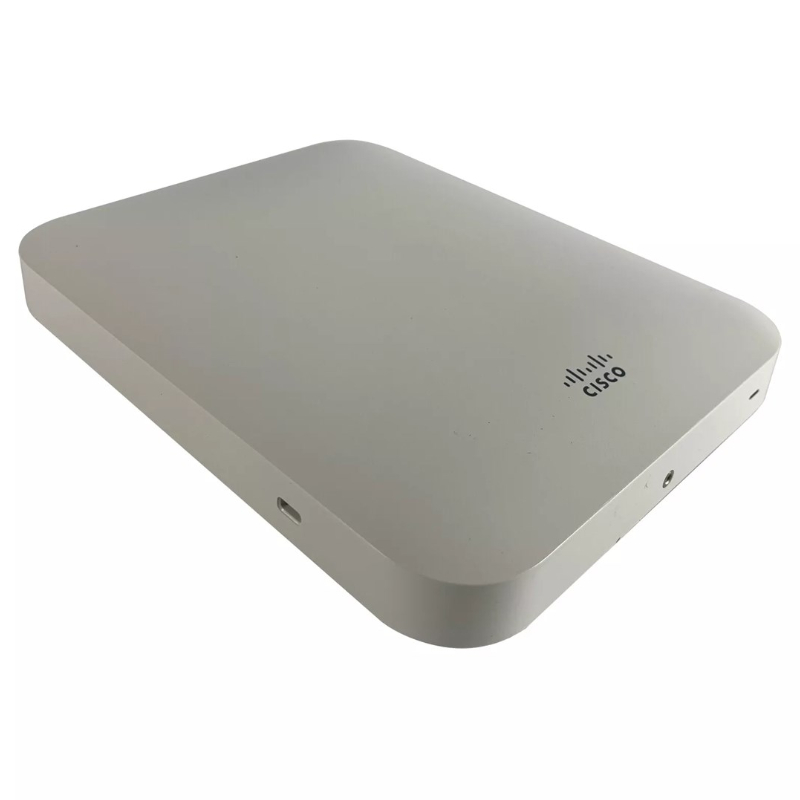
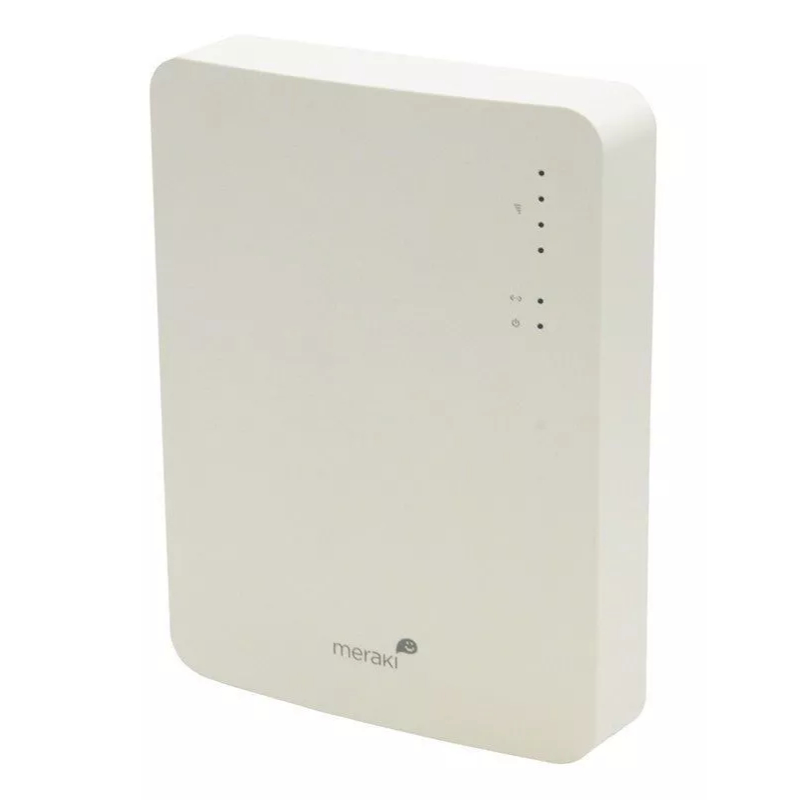
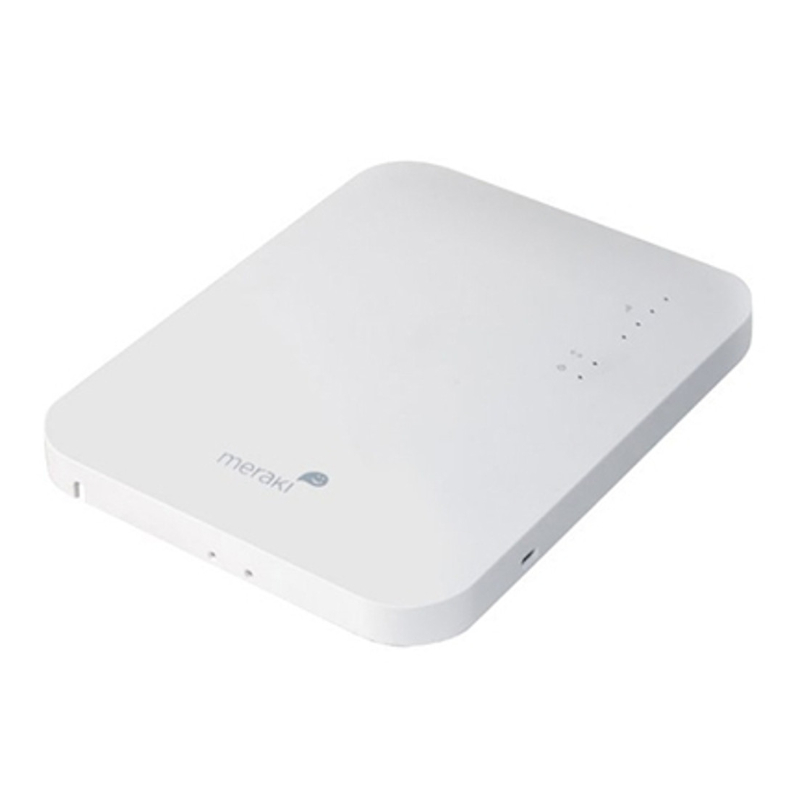
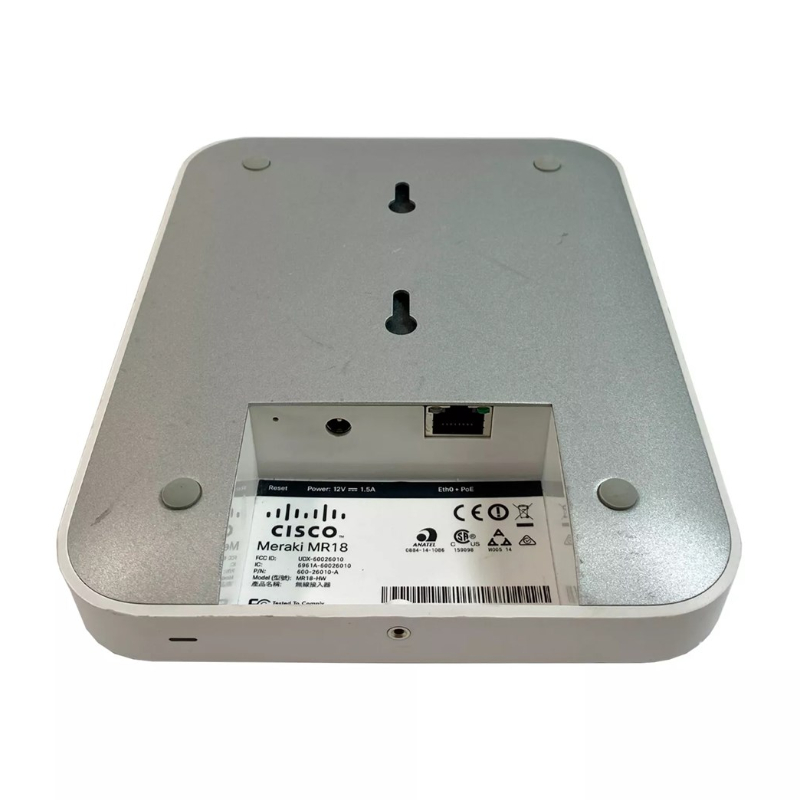
Cisco MR18-HW Meraki MR18 Wireless Access Point. Excellent Refurbished with 1 year replacement warranty
| SKU/MPN | Warranty | Price | Condition | You save |
|---|---|---|---|---|
| MR18-HW | 1 Year Warranty | $140.00 | Factory-Sealed New in Original Box (FSB) | You save: $49.00 (26%) |
| MR18-HW | 1 Year Warranty | $55.00 | Excellent Refurbished | You save: $19.25 (26%) |
The Cisco MR18-HW from Meraki portfolio is a compact and efficient wireless access point designed for modern enterprise networking environments. Built to deliver stable dual-band connectivity, it ensures seamless wireless coverage for small to medium-scale deployments while maintaining cloud-managed simplicity and reliability.
The Cisco MR18-HW Meraki MR18 Wireless Access Point category represents a class of cloud-managed networking hardware designed for scalable, secure, and high-performance wireless connectivity in enterprise and distributed environments. Built under the Cisco Meraki ecosystem, the MR18 series is positioned to support modern Wi-Fi demands in offices, educational institutions, retail environments, and branch networks that require centralized management, intelligent RF optimization, and simplified deployment. This category encompasses not only the physical access point hardware but also the broader cloud-driven management capabilities that define next-generation wireless infrastructure.
As part of a cloud-managed wireless architecture, the MR18-HW series integrates advanced radio technologies, automated configuration, and real-time monitoring to streamline IT operations. It reduces the complexity of traditional wireless deployments by eliminating the need for on-premises controllers, replacing them with intuitive cloud-based dashboards that offer deep visibility into network performance, user behavior, and security posture.
The Cisco MR18-HW access point is built on a dual-radio architecture that supports simultaneous operation across multiple frequency bands. This design ensures that devices can connect efficiently in both congested and low-interference environments. The separation of radio functions allows one band to serve legacy devices while the other supports higher throughput connections, improving overall network efficiency.
The 2.4 GHz radio in MR18-HW deployments is optimized for extended coverage and compatibility with older wireless devices. It is particularly effective in environments where signal penetration through walls and obstacles is required. Despite being more susceptible to interference, Cisco’s RF optimization algorithms help maintain stable connections in dense deployments.
The 5 GHz radio provides higher throughput and reduced congestion, making it suitable for bandwidth-intensive applications such as video conferencing, cloud computing, and large file transfers. The MR18-HW category leverages adaptive channel selection and dynamic frequency adjustments to maintain optimal performance in changing network conditions.
One of the defining characteristics of the MR18-HW category is its integration with Cisco Meraki’s cloud management platform. This architecture removes the need for traditional hardware controllers and replaces them with a centralized cloud dashboard that can be accessed from anywhere. This approach significantly reduces deployment complexity while enhancing scalability.
Zero-touch provisioning allows administrators to deploy MR18-HW devices without manual configuration at the installation site. Once connected to the internet, the device automatically retrieves its configuration from the cloud, enabling rapid scaling across multiple locations.
In corporate office settings, MR18-HW access points are deployed to ensure seamless connectivity for employees, guests, and IoT devices. The category supports high-density environments where multiple users simultaneously access cloud applications, internal systems, and communication tools.
Enterprise deployments benefit from intelligent load balancing and band steering capabilities, ensuring that devices are distributed efficiently across available radios. This reduces congestion and enhances user experience during peak usage periods.
Schools, colleges, and universities leverage MR18-HW systems to support digital learning environments. With increasing reliance on online learning platforms, video lectures, and collaborative tools, stable wireless infrastructure is essential.
The MR18-HW category is capable of handling dense client environments where dozens of devices may connect simultaneously within a single classroom or lecture hall. Adaptive power control ensures consistent coverage across large academic spaces.
Retail stores and hospitality venues such as hotels and restaurants utilize MR18-HW access points to provide guest Wi-Fi services and internal operational connectivity. These environments require secure segmentation between guest traffic and business-critical systems.
The architecture supports isolated guest networks that prevent unauthorized access to internal systems. This ensures both security compliance and customer satisfaction through reliable internet access.
Security is a foundational component of the MR18-HW category. The system supports modern encryption standards and authentication mechanisms designed to protect sensitive data transmitted over wireless networks.
The access points support WPA2 encryption along with enterprise-grade authentication methods such as RADIUS integration. This ensures that only authorized users can access network resources, reducing the risk of unauthorized intrusion.
Through cloud intelligence, the system can detect anomalies such as rogue access points, suspicious traffic patterns, and unauthorized device connections. Alerts are generated in real time, allowing IT administrators to respond quickly.
MR18-HW deployments support advanced network segmentation capabilities that allow administrators to define granular access policies. These policies ensure that different user groups operate within controlled environments.
Role-based access ensures that users receive network permissions based on their identity, department, or device type. This minimizes security risks while maintaining operational flexibility.
The MR18-HW category incorporates intelligent RF management systems that automatically adjust transmission power and channel selection based on environmental conditions. This ensures stable performance even in high-interference environments.
By continuously scanning the wireless environment, the system identifies congested channels and dynamically switches to cleaner frequencies. This reduces packet loss and improves throughput.
Efficient distribution of connected clients across available access points is critical in maintaining performance. MR18-HW systems use load balancing algorithms to prevent overutilization of a single device.
Organizations operating across multiple locations can manage all MR18-HW access points through a single cloud dashboard. This centralized approach simplifies scaling and reduces administrative overhead.
Networks can be organized into logical groups based on geography, department, or function, allowing administrators to apply policies consistently across large deployments.
The MR18-HW category is designed to integrate seamlessly with existing wired and wireless infrastructures. This ensures compatibility with routers, switches, and security appliances.
Backward compatibility ensures that organizations can upgrade gradually without replacing entire network infrastructures, reducing capital expenditure.
All MR18-HW devices are managed through a unified cloud dashboard that allows administrators to configure settings, monitor performance, and deploy updates remotely.
Configuration templates allow IT teams to standardize network settings across multiple deployments, ensuring consistency and reducing configuration errors.
Automatic firmware updates ensure that MR18-HW devices remain secure and up to date with the latest features and security patches.
Administrators can define maintenance schedules to minimize disruptions during critical business operations.
The MR18-HW category is engineered to minimize energy usage while maintaining high performance. This contributes to reduced operational costs and improved sustainability.
Efficient thermal design ensures stable operation even in environments with limited cooling infrastructure, extending device lifespan and reliability.
The compact design of MR18-HW access points enables flexible installation in ceilings, walls, and open spaces without disrupting interior aesthetics.
As organizations migrate to cloud-based applications, MR18-HW access points provide the necessary bandwidth and stability to support SaaS platforms, collaboration tools, and remote workflows.
The category supports growing Internet of Things deployments, including smart sensors, surveillance systems, and automation devices, ensuring unified network management.
With increasing remote and hybrid work models, MR18-HW systems help extend secure corporate networks to distributed users while maintaining centralized control.
Quality of Service mechanisms ensure that critical applications such as voice and video communications receive priority over less time-sensitive traffic.
Dynamic bandwidth allocation ensures fair distribution of network resources across all connected clients.
MR18-HW systems can extend network coverage using mesh technology, reducing the need for extensive cabling in large environments.


 Contact Us
 Information
 Catalog
 Solid State Drives (SSD)
 Network Switches
 Hard Disk Drives
 HBA & Controllers
 PC & Servers
 PC & Server Memory
 CPU & Processors
 Network Routers
 Power Supplies
 Tape Drives & Libraries
 Network Devices
 Computer & Network Cables