(7% discount is applied at checkout)
Cart is empty
Your go-to destination for cutting-edge server products
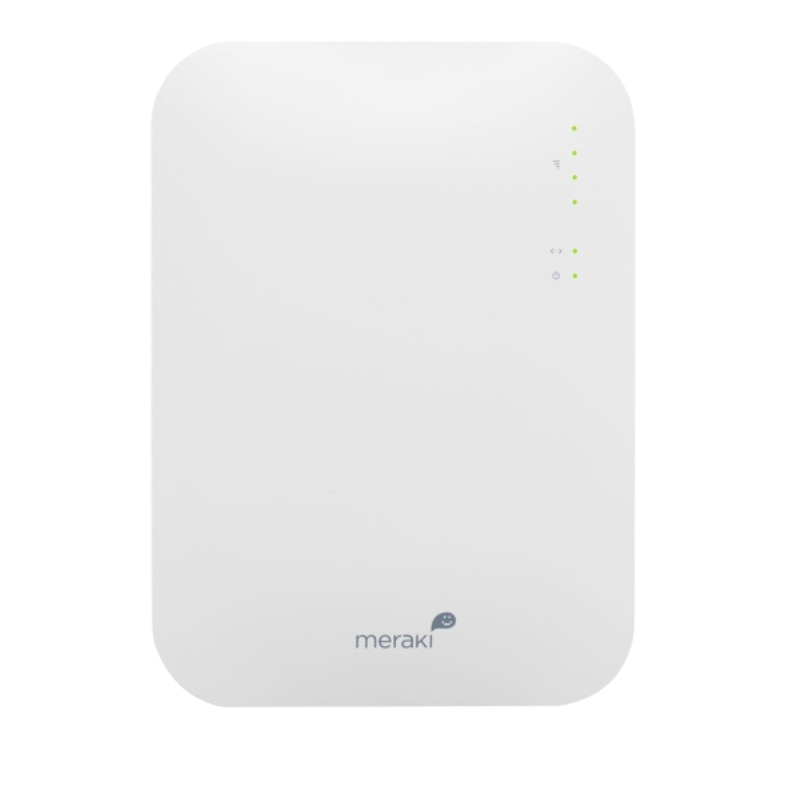


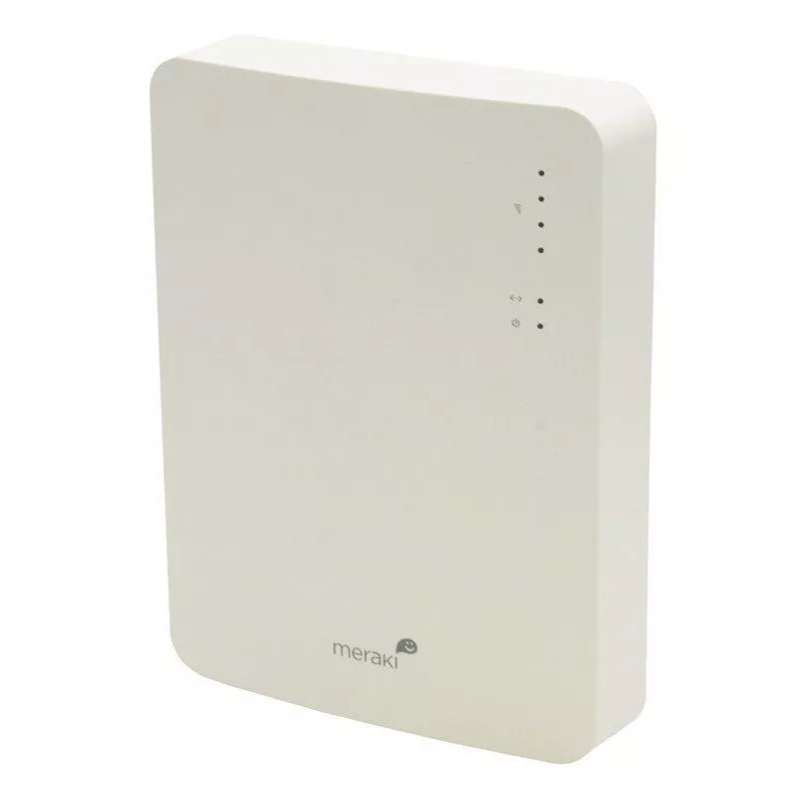
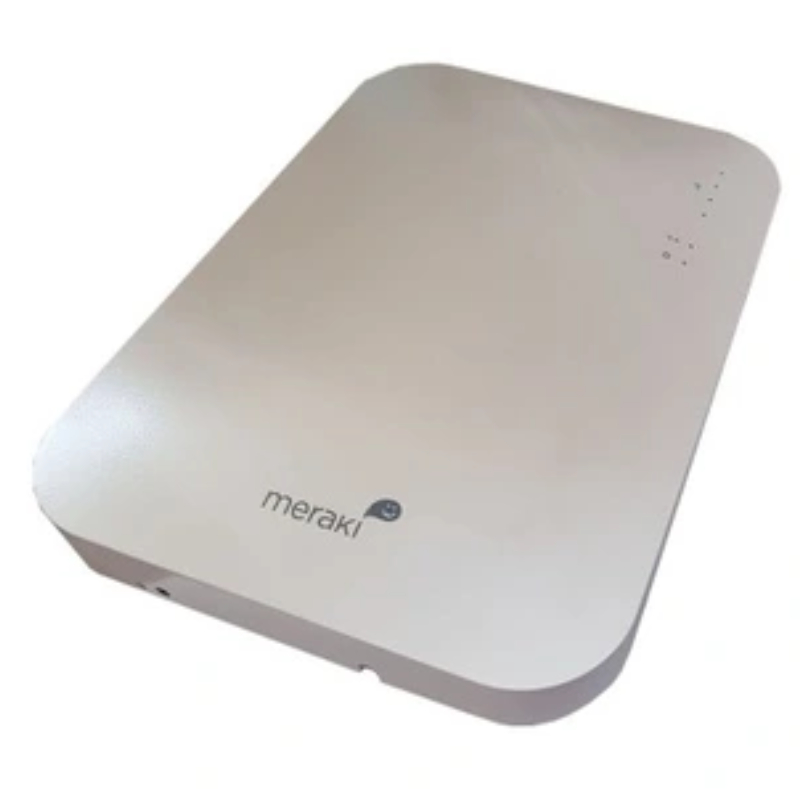
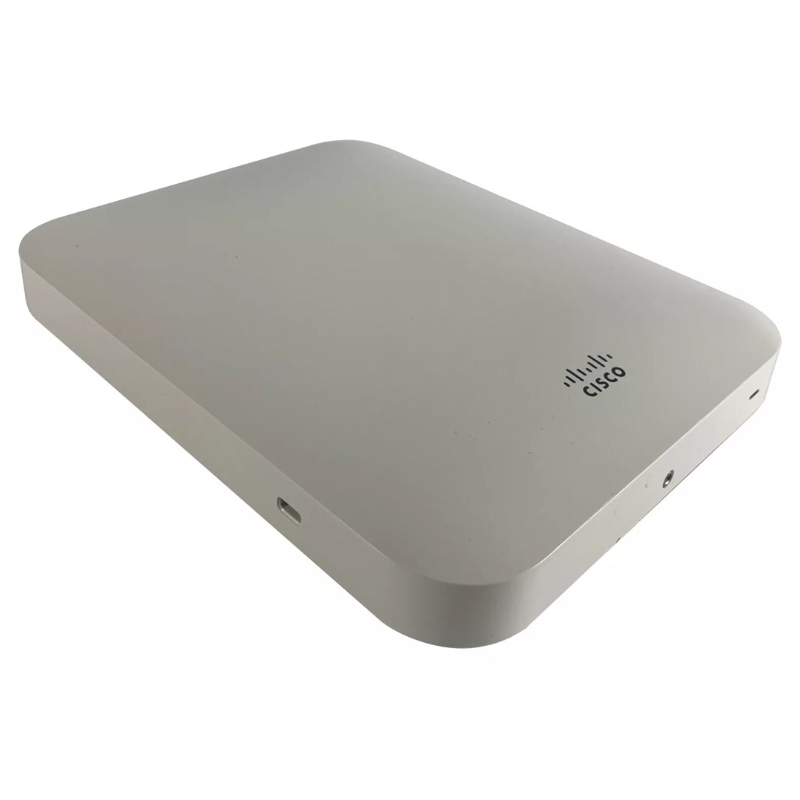
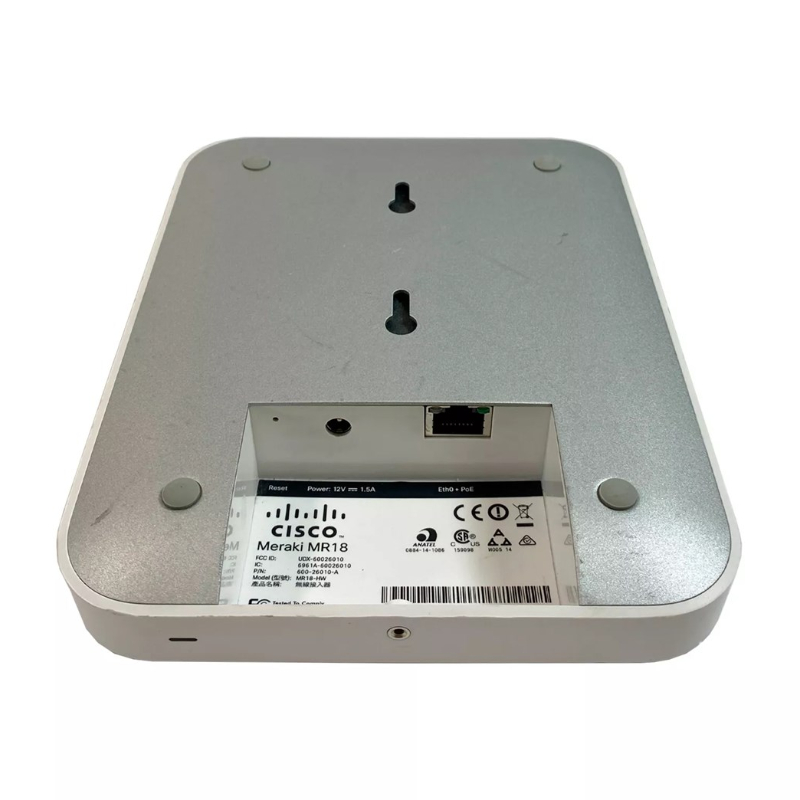
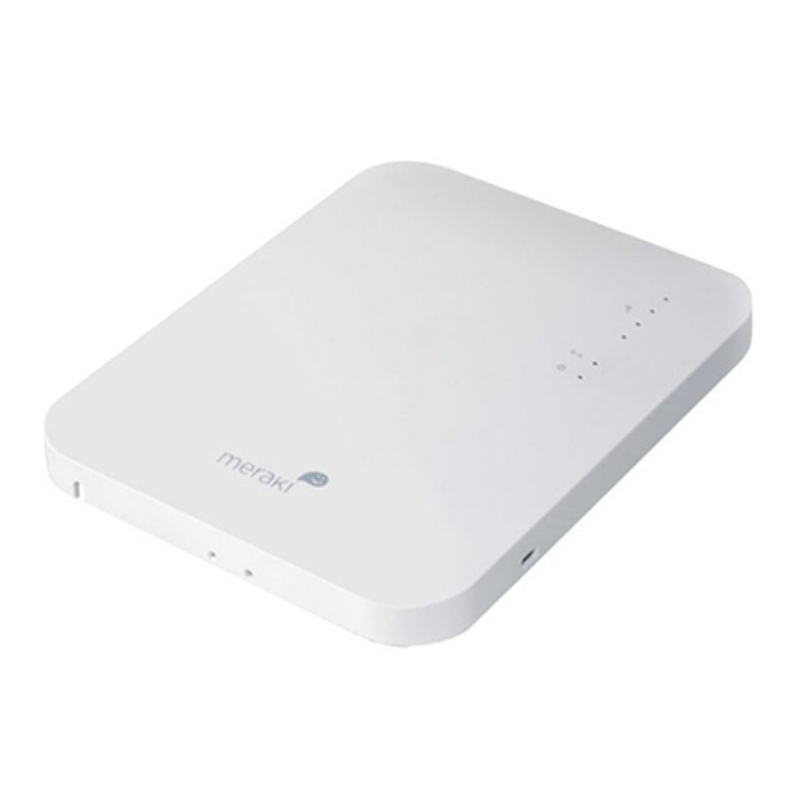
Cisco MR18-HW Meraki MR18 Wireless Access Point. Factory-Sealed New in Original Box (FSB) with 1 year replacement warranty
| SKU/MPN | Warranty | Price | Condition | You save |
|---|---|---|---|---|
| MR18-HW | 1 Year Warranty | $140.00 | Factory-Sealed New in Original Box (FSB) | You save: $49.00 (26%) |
| MR18-HW | 1 Year Warranty | $55.00 | Excellent Refurbished | You save: $19.25 (26%) |
The Cisco MR18-HW Meraki MR18 Wireless Access Point is a cloud-managed enterprise networking device designed to deliver reliable, scalable, and high-performance wireless connectivity. this access point is engineered for modern business environments that require seamless dual-band Wi-Fi coverage, simplified management, and efficient power delivery through PoE technology.
The Cisco MR18-HW Meraki MR18 Wireless Access Point represents a compact yet powerful cloud-managed Wi-Fi solution engineered for high-efficiency wireless networking environments. Designed within the broader ecosystem of cloud-first networking infrastructure, this access point is part of the advanced wireless portfolio under its Meraki line, a division widely recognized for simplifying enterprise-grade network management through centralized cloud control, real-time analytics, and scalable deployment models.
As organizations increasingly migrate toward distributed networks, hybrid workplaces, and digital-first infrastructures, devices like the MR18-HW play a pivotal role in ensuring seamless connectivity. Built for performance, stability, and ease of deployment, this access point is optimized for small to medium-density environments that require consistent wireless coverage, secure authentication, and adaptive bandwidth allocation.
At the core of the MR18-HW design is its integration with the cloud-managed platform. This architecture eliminates the need for complex on-premises controllers by enabling administrators to manage entire wireless infrastructures from a centralized cloud dashboard. This approach allows real-time configuration updates, firmware upgrades, and performance monitoring without requiring physical access to the device.
The cloud-managed architecture also enhances scalability, making it easier for enterprises to expand their wireless networks across multiple locations. Whether deployed in branch offices, educational institutions, retail environments, or hospitality settings, the MR18-HW ensures uniform network behavior through centralized policy enforcement.
The Cisco MR18-HW is designed with a compact form factor that enables flexible installation on ceilings, walls, or enterprise-grade mounting systems. Its hardware architecture emphasizes energy efficiency while maintaining high throughput for wireless data transmission. The internal components are optimized to balance performance and heat dissipation, ensuring consistent operation in continuous-use environments.
Its minimalist design supports discreet deployment in environments where aesthetics matter, such as hotels, conference rooms, and corporate offices. Despite its small footprint, it incorporates enterprise-level radio capabilities that support modern Wi-Fi demands.
The MR18-HW utilizes dual-radio technology, enabling simultaneous operation across multiple frequency bands. This ensures optimized load distribution between 2.4 GHz and 5 GHz spectrums, reducing congestion and improving overall network performance. Devices connected to the access point benefit from dynamic band steering, which intelligently assigns clients to the most appropriate frequency based on signal strength and network load.
This intelligent distribution of wireless traffic enhances user experience in environments with mixed device ecosystems, including smartphones, laptops, IoT sensors, and enterprise endpoints.
One of the key strengths of the MR18-HW lies in its ability to optimize throughput dynamically. The system continuously analyzes traffic patterns and adjusts bandwidth allocation to prioritize latency-sensitive applications such as voice communication, video conferencing, and cloud-based collaboration tools.
This adaptive intelligence ensures that mission-critical applications maintain stability even in high-density environments where multiple users are competing for network resources.
Radio frequency optimization is a core component of the MR18-HW architecture. The device automatically adjusts transmission power levels and channel selection to minimize interference from neighboring networks. This self-healing capability ensures stable connectivity even in RF-dense environments such as office complexes and shared commercial spaces.
The access point continuously scans the wireless environment, detecting congestion and adjusting parameters to maintain optimal performance. This eliminates the need for manual RF tuning in most deployment scenarios.
Security is a foundational element of the MR18-HW design. The device supports advanced encryption protocols to ensure that all wireless communications remain protected from unauthorized interception. These encryption standards are aligned with enterprise security policies and compliance requirements, making the access point suitable for regulated industries.
The MR18-HW enables granular access control mechanisms that allow administrators to define user-level permissions. This ensures that different user groups, such as employees, guests, and contractors, are assigned appropriate levels of network access. Identity-based policies help reduce security risks while maintaining operational flexibility.
Built-in security features include application-aware firewall controls and network segmentation capabilities. These tools allow administrators to isolate traffic between different departments or user groups, minimizing the risk of lateral movement in the event of a security breach.
The segmentation capabilities are particularly valuable in multi-tenant environments such as coworking spaces, educational campuses, and healthcare facilities.
In corporate environments, the MR18-HW serves as a reliable connectivity backbone for employees, supporting daily operations such as cloud computing, collaboration platforms, and secure file sharing. Its centralized management reduces IT overhead while ensuring consistent network performance across departments.
Retail environments benefit from the MR18-HW’s ability to deliver stable guest Wi-Fi services while maintaining separation from internal business systems. This dual-network capability ensures that customer engagement tools and internal operations remain secure and independent.
Educational institutions rely heavily on scalable wireless infrastructure to support digital learning platforms. The MR18-HW provides reliable connectivity for classrooms, libraries, and administrative buildings, enabling seamless access to online resources and collaboration tools.
Hotels and hospitality venues utilize the MR18-HW to deliver high-quality guest internet services. The access point’s ability to handle multiple concurrent connections makes it suitable for environments where user density fluctuates throughout the day.
The MR18-HW includes advanced traffic classification features that identify and prioritize critical applications. This ensures that essential services such as voice over IP, video conferencing, and cloud applications receive priority over less time-sensitive traffic.
By optimizing packet routing and reducing network congestion, the access point minimizes latency for high-priority applications. This is particularly important in environments where real-time communication is essential.
The system ensures equitable bandwidth distribution among users, preventing individual devices from monopolizing network resources. This fairness mechanism contributes to a balanced and predictable network experience.


 Contact Us
 Information
 Catalog
 Solid State Drives (SSD)
 Network Switches
 Hard Disk Drives
 HBA & Controllers
 PC & Servers
 PC & Server Memory
 CPU & Processors
 Network Routers
 Power Supplies
 Tape Drives & Libraries
 Network Devices
 Computer & Network Cables