(7% discount is applied at checkout)
Cart is empty
Your go-to destination for cutting-edge server products
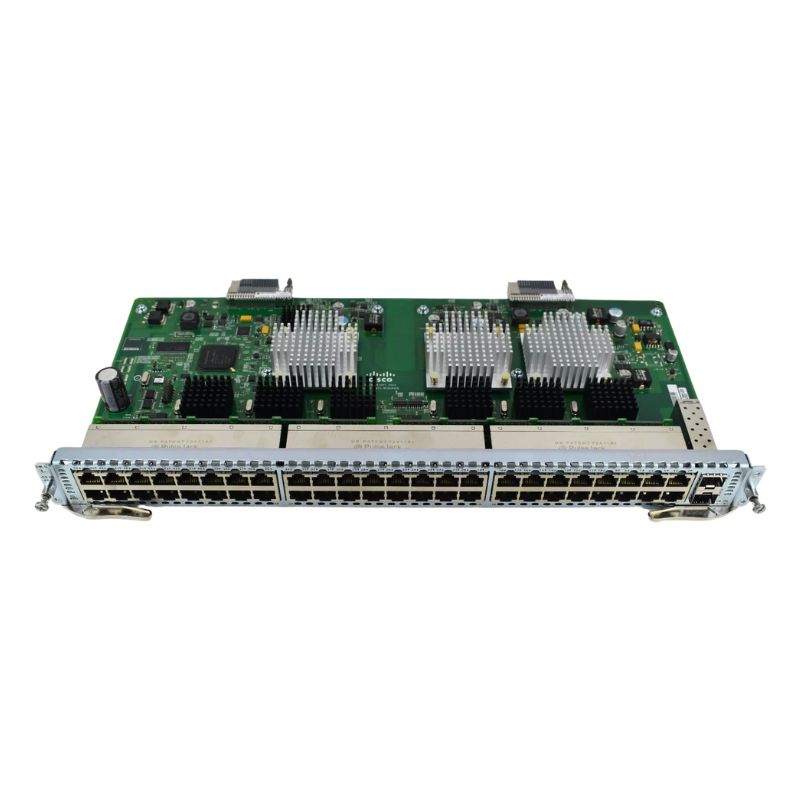


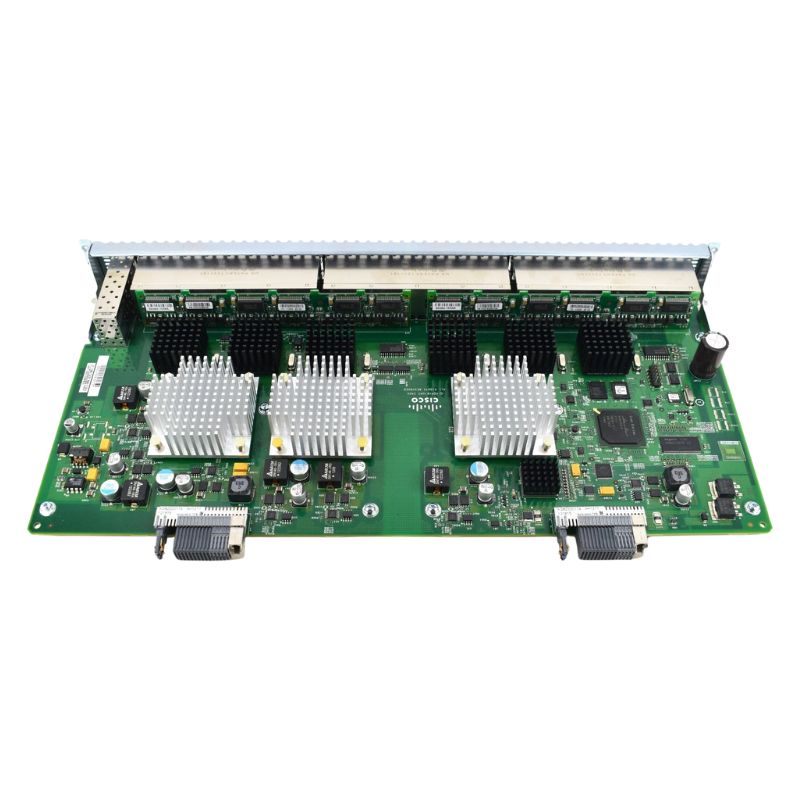
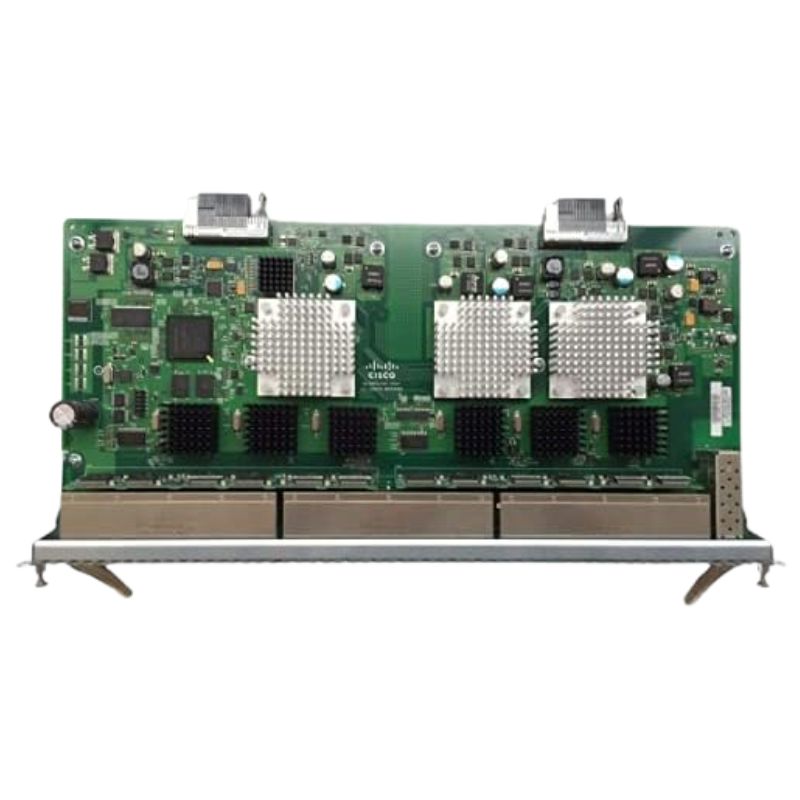
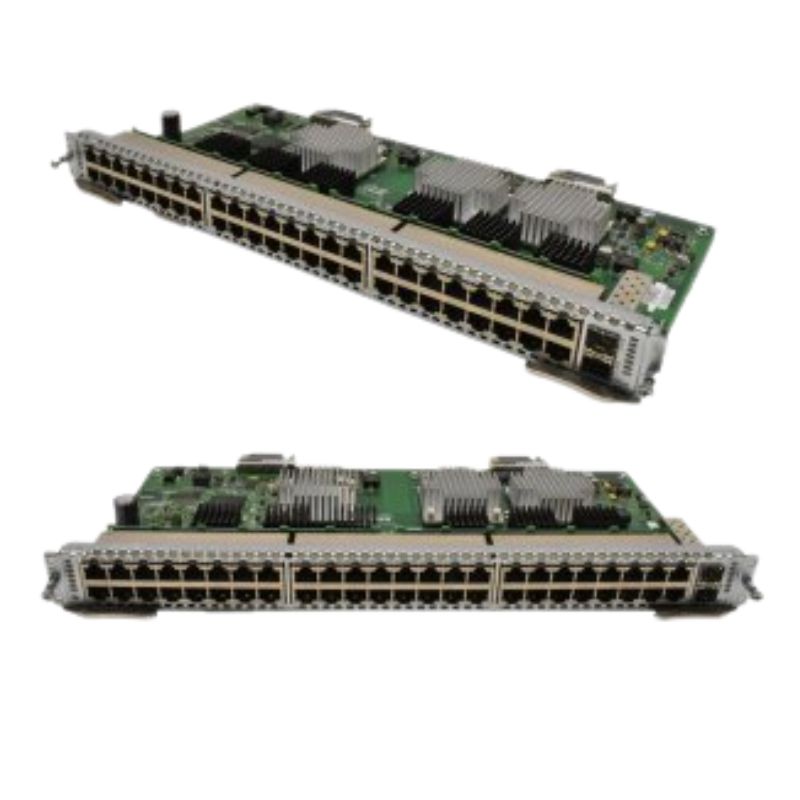
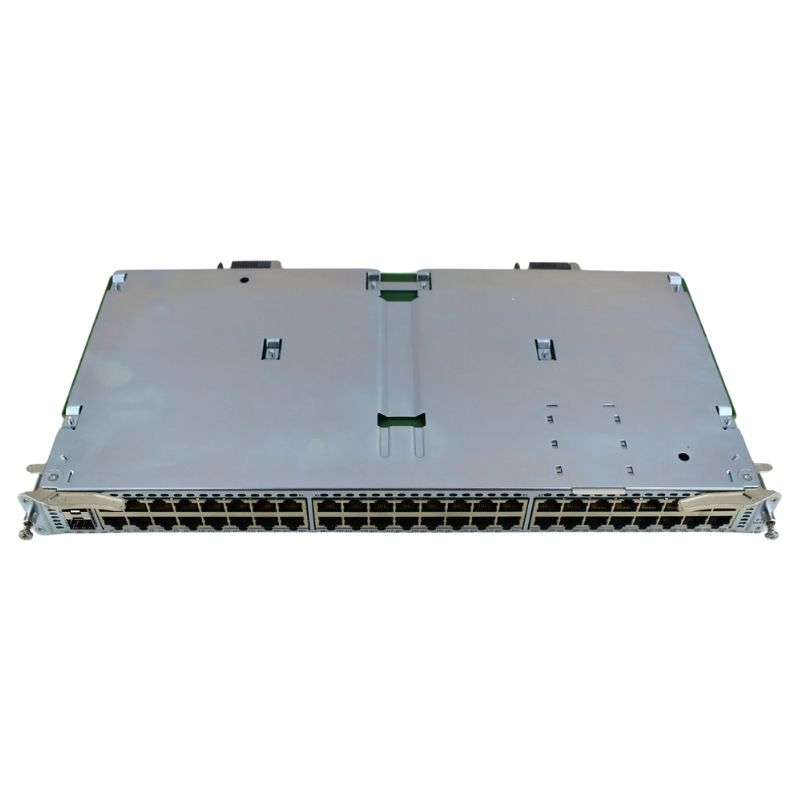
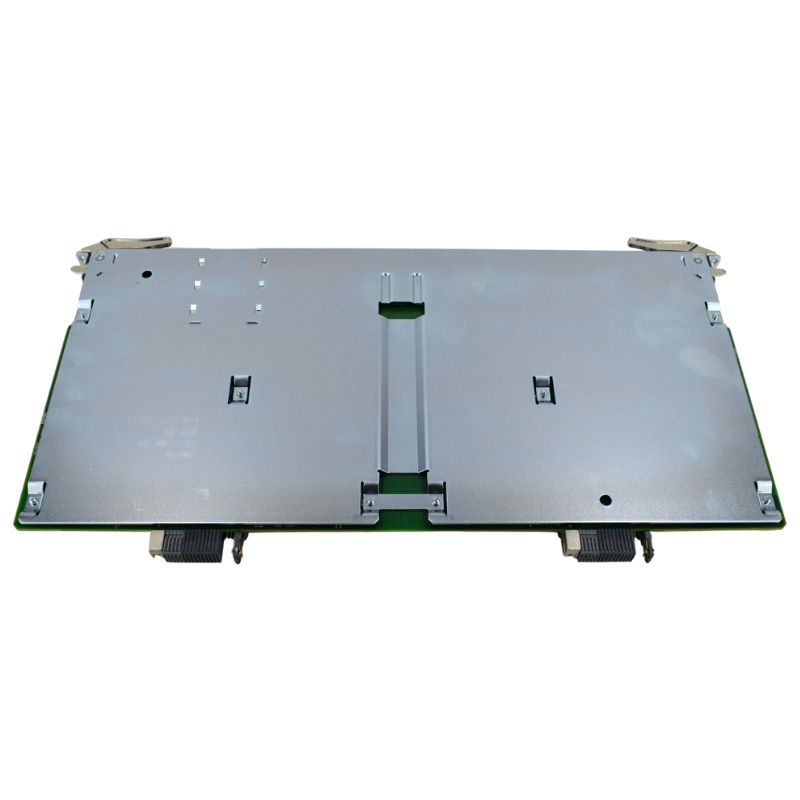
Cisco SM-D-ES3G-48-P 48-Port Managed Switch Plug-in Module. Excellent Refurbished with 1 year replacement warranty
The Cisco SM-D-ES3G-48-P is a high-density 48-port managed switch service module designed to enhance enterprise network scalability, connectivity, and performance. Built for integration with Cisco Integrated Services Routers, this advanced plug-in module delivers reliable Gigabit Ethernet switching, Power over Ethernet (PoE) support, and flexible uplink expansion, making it an ideal solution for growing business networks and branch office deployments.
The Cisco SM-D-ES3G-48-P 48-Port Managed Switch Plug-in Module is designed as a high-density Ethernet switching expansion component intended for modular Cisco networking platforms. Developed within the enterprise-class ecosystem of this plug-in module enhances switching capacity while maintaining scalability, operational efficiency, and centralized management. It is widely integrated into modular chassis environments where organizations require flexible port expansion without replacing entire switching infrastructures.
This module provides 48 fully managed Ethernet ports, supporting enterprise-grade traffic segmentation, VLAN configuration, and advanced Layer 2 switching features. It is engineered for environments such as data centers, enterprise campus networks, service provider aggregation layers, and large-scale virtualization infrastructures. Its plug-in design allows seamless integration into compatible Cisco switch systems, enabling administrators to scale network capacity without disrupting existing architecture.
The SM-D-ES3G-48-P reflects Cisco’s modular networking philosophy, where infrastructure expansion is achieved through interchangeable service modules rather than complete hardware replacement. This approach reduces operational downtime, simplifies lifecycle management, and extends the usability of existing chassis investments. The module integrates directly into supported Cisco switch frames, leveraging backplane connectivity for high-speed data transfer and centralized control.
Its architecture supports distributed switching intelligence, allowing traffic to be processed efficiently within the module itself while still maintaining centralized policy enforcement through the main switching system. This hybrid processing approach enhances performance and reduces bottlenecks in high-throughput network environments.
The Cisco SM-D-ES3G-48-P module operates primarily at Layer 2 of the OSI model, providing robust Ethernet switching capabilities for enterprise-grade deployments. It supports MAC address learning, aging, and filtering, ensuring efficient forwarding of data packets across connected endpoints. The module is optimized for environments requiring high port density and predictable traffic behavior.
Virtual LAN (VLAN) support is a core feature of the module, enabling network administrators to segment traffic logically without requiring physical separation. VLAN configurations allow organizations to isolate departments, applications, or security zones within a single physical infrastructure. This enhances both security and performance by reducing broadcast domain size and limiting unnecessary traffic propagation.
To maintain network stability, the module supports Spanning Tree Protocol (STP) and its enhanced variants. These mechanisms prevent switching loops, which can cause broadcast storms and degrade network performance. By dynamically identifying redundant paths and blocking potential loops, the module ensures continuous and stable network operation even in complex topologies.
The defining feature of the SM-D-ES3G-48-P module is its 48-port Ethernet configuration, which enables significant expansion of network connectivity within a single modular slot. Each port is engineered for consistent throughput and low latency, making it suitable for connecting end-user devices, servers, wireless access points, and networked appliances.
The module leverages a high-speed backplane interface to connect with the host chassis, ensuring rapid data exchange between modules and central switching logic. This internal fabric minimizes latency and supports simultaneous data streams without congestion. The architecture is designed to handle enterprise traffic loads, including burst-heavy workloads common in virtualized environments.
The Cisco SM-D-ES3G-48-P module is widely deployed in enterprise data centers where high-density switching and deterministic performance are required. It is equally effective in campus network deployments, where it supports aggregation of multiple access-layer switches and endpoints into a centralized switching system.
Modern virtualized environments rely heavily on flexible and scalable switching infrastructure. This module supports such environments by providing sufficient port density for hypervisors, storage nodes, and virtual machine clusters. Its ability to handle high traffic volumes makes it suitable for private cloud and hybrid cloud architectures.
In access-layer deployments, the module functions as a consolidation point for endpoint connectivity. It simplifies cabling infrastructure and reduces the number of discrete switches required across office floors or distributed campuses. This consolidation improves manageability and reduces operational complexity.
The SM-D-ES3G-48-P is engineered to deliver low-latency switching performance across all ports. This is essential in environments where time-sensitive applications such as VoIP, video conferencing, and real-time analytics are deployed. The internal switching architecture ensures that packet forwarding occurs with minimal delay.
Quality of Service features allow prioritization of critical network traffic over less sensitive data streams. Administrators can define traffic classes to ensure that mission-critical applications receive guaranteed bandwidth and reduced latency. This is particularly important in converged network environments where voice, video, and data share the same infrastructure.
The module incorporates congestion management mechanisms that dynamically allocate bandwidth based on traffic demand. When network congestion occurs, priority-based queuing ensures that high-priority packets are transmitted first, maintaining performance consistency for essential services.
Security is a critical component of the Cisco SM-D-ES3G-48-P module. It includes multiple Layer 2 security mechanisms designed to prevent unauthorized access and protect network integrity. These features ensure that only validated devices can communicate within the network environment.
Port security capabilities allow administrators to restrict access based on MAC addresses, preventing unauthorized devices from connecting to the network. This feature is commonly used in enterprise environments to enforce endpoint compliance and reduce the risk of rogue device infiltration.
The module includes storm control mechanisms to prevent excessive broadcast, multicast, or unknown unicast traffic from overwhelming the network. By limiting traffic storms, it maintains network stability and prevents performance degradation in high-density deployments.
The module is particularly well-suited for large enterprise organizations requiring dense port expansion without increasing physical infrastructure footprint. It enables centralized network expansion while maintaining consistent operational control.
Service providers utilize such modules to aggregate customer connections and manage traffic efficiently across distributed networks. The high port density and managed capabilities make it suitable for carrier-grade environments.
Educational institutions and government agencies benefit from the scalability and manageability of the module. It supports large numbers of endpoints while maintaining strict security and performance standards required in regulated environments.


 Contact Us
 Information
 Catalog
 Solid State Drives (SSD)
 Network Switches
 Hard Disk Drives
 HBA & Controllers
 PC & Servers
 PC & Server Memory
 CPU & Processors
 Network Routers
 Power Supplies
 Tape Drives & Libraries
 Network Devices
 Computer & Network Cables