(7% discount is applied at checkout)
Cart is empty
Your go-to destination for cutting-edge server products
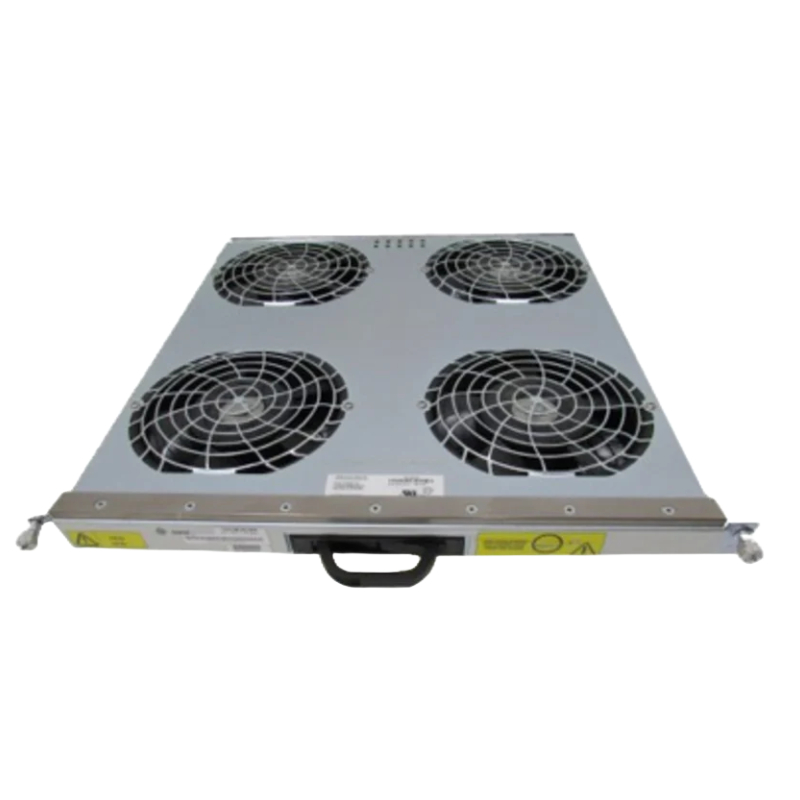


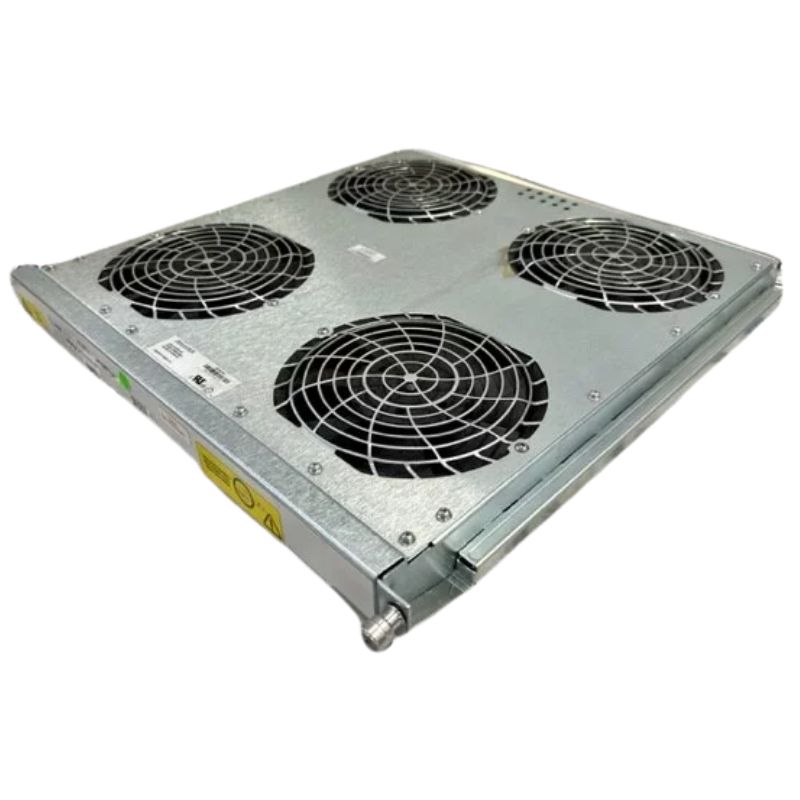
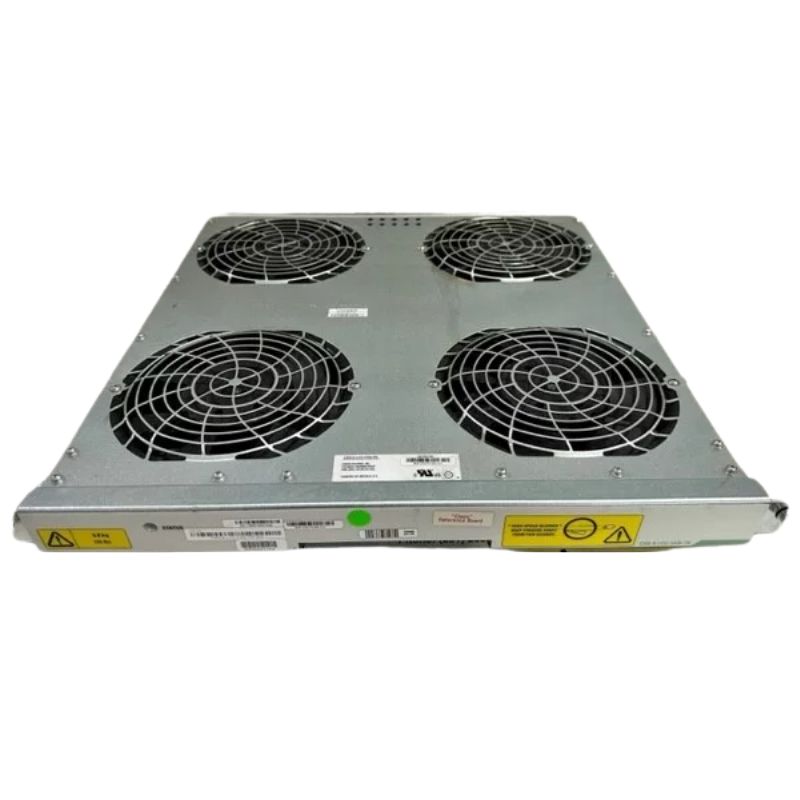
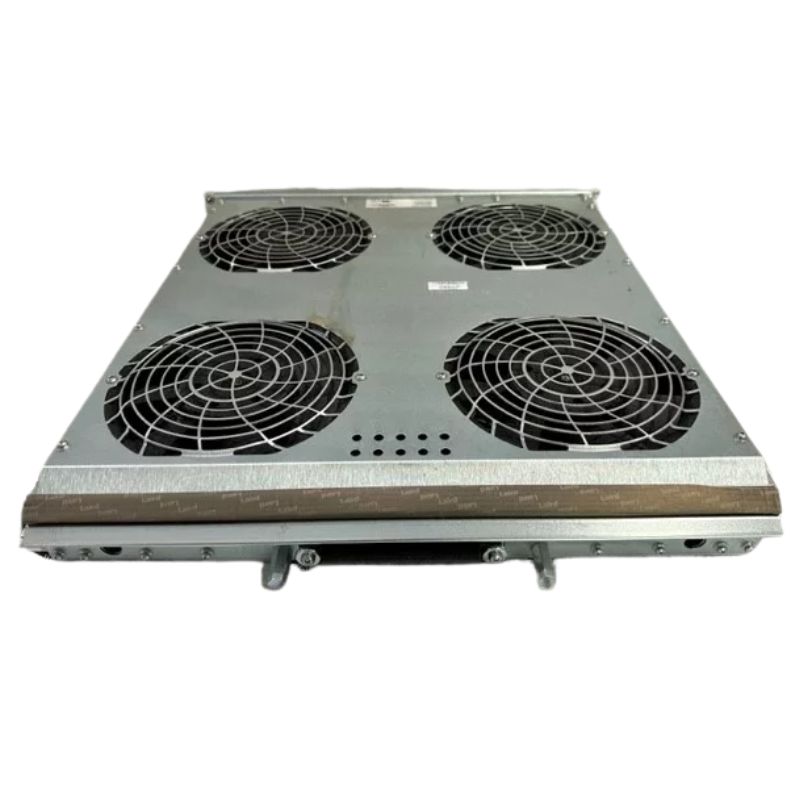
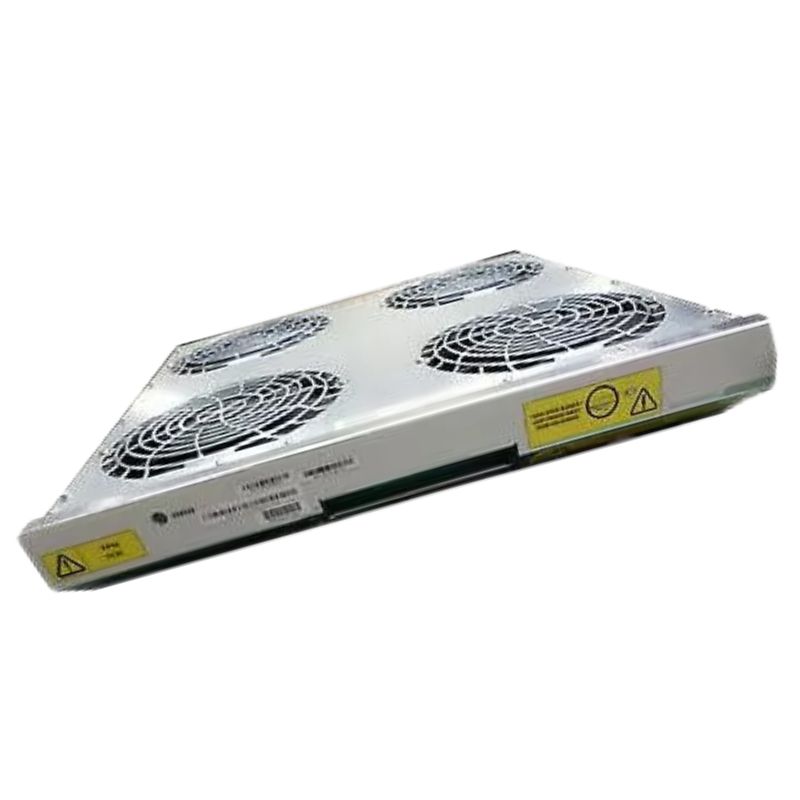
Cisco CRS-4-FAN-TR Fan Tray. Excellent Refurbished with 1 year replacement warranty
The Cisco CRS-4-FAN-TR Fan Tray is a critical networking hardware cooling component designed to maintain optimal thermal performance within Cisco Carrier Routing System (CRS) chassis environments. Engineered for enterprise-grade reliability, this fan tray ensures consistent airflow, efficient heat dissipation, and stable operation of high-density networking equipment in mission-critical data center infrastructures.
The Cisco CRS-4-FAN-TR Fan Tray is a critical thermal management component engineered for high-performance carrier routing platforms within the Cisco Carrier Routing System (CRS) family. Developed this fan tray is designed to ensure continuous airflow stability, optimal heat dissipation, and operational reliability for large-scale service provider networks, enterprise backbone infrastructures, and mission-critical data routing environments. It plays a fundamental role in maintaining system integrity by regulating internal chassis temperature under sustained high-load conditions typical of core routing deployments.
As modern internet traffic continues to scale exponentially due to cloud computing, streaming services, mobile connectivity, and enterprise digital transformation, core routing platforms must maintain uninterrupted performance. The Cisco CRS-4-FAN-TR Fan Tray supports this requirement by providing engineered cooling redundancy and high-efficiency airflow management, ensuring that routing modules, line cards, and power subsystems remain within safe operational thermal thresholds.
Carrier-class routers operate under extreme processing loads, often handling terabits of data per second. These systems contain multiple high-power ASICs, forwarding engines, optical interfaces, and control modules that generate significant thermal output. Without efficient cooling systems such as the Cisco CRS-4-FAN-TR Fan Tray, internal components would rapidly exceed temperature limits, resulting in degraded performance or system shutdowns.
The fan tray is integrated into the chassis architecture to maintain a consistent airflow pattern across all hardware components. This ensures uniform heat distribution and prevents localized thermal hotspots that can compromise hardware longevity and reliability.
The Cisco CRS platform is designed for scalability and redundancy, and the fan tray system is a core element of this architecture. The CRS-4-FAN-TR is engineered to fit seamlessly into compatible chassis slots, working in conjunction with other cooling modules to maintain balanced airflow throughout the system enclosure.
Within the CRS ecosystem, airflow direction, fan speed modulation, and redundancy mechanisms are coordinated through system-level intelligence. This ensures that even in the event of partial fan failure, cooling efficiency remains sufficient to sustain operations without service disruption.
The Cisco CRS-4-FAN-TR incorporates high-performance fan assemblies designed for maximum airflow output with minimal acoustic footprint. These fans are optimized for continuous operation in high-temperature environments typical of data centers and carrier network facilities.
Each fan module within the tray is strategically positioned to create uniform air pressure across the chassis. This design minimizes turbulence while maximizing heat extraction efficiency from densely packed routing components.
The airflow architecture within the fan tray ensures that cooling is distributed evenly across line cards, fabric modules, and power supplies. This prevents thermal imbalance and contributes to consistent system performance across all operational workloads.
Redundancy is a fundamental requirement in carrier-grade systems. The Cisco CRS-4-FAN-TR Fan Tray is designed with fault tolerance capabilities that allow continued operation even if individual fan elements degrade or fail. This redundancy ensures uninterrupted cooling performance and supports service-level agreements in mission-critical environments.
The system continuously monitors fan performance, adjusting operational parameters to compensate for variations in airflow output. This dynamic response mechanism enhances system resilience and reduces the risk of overheating.
The Cisco CRS chassis is engineered with carefully designed airflow channels that guide cool air through intake zones and expel heated air through exhaust pathways. The CRS-4-FAN-TR plays a central role in driving this airflow pattern, ensuring that thermal energy is efficiently removed from the system interior.
This structured airflow design supports predictable cooling behavior, which is essential for maintaining hardware stability in high-density routing environments.
Modern CRS systems support multiple high-performance line cards capable of processing massive routing tables and forwarding operations. These modules generate significant heat under load, requiring precise cooling delivery.
The fan tray ensures that each module receives adequate cooling airflow regardless of its position within the chassis, supporting balanced thermal conditions across the entire system.
Application-Specific Integrated Circuits (ASICs) within CRS systems are highly sensitive to temperature fluctuations. The CRS-4-FAN-TR helps maintain stable ASIC operating temperatures, preserving packet forwarding performance and reducing the likelihood of thermal throttling.
Service provider networks require continuous uptime and high availability. The Cisco CRS-4-FAN-TR Fan Tray is engineered for 24/7 operation in environments where downtime is not acceptable. Its durable construction and optimized airflow system support uninterrupted network services.
Internet backbone infrastructure, metro aggregation systems, and enterprise interconnect networks rely on stable thermal conditions to maintain routing efficiency and packet processing accuracy.
Carrier routers often aggregate traffic from multiple upstream and downstream sources. This aggregation process results in sustained high processing loads, which increase thermal output. The fan tray ensures that heat generated by continuous traffic flows is efficiently dissipated.
The Cisco CRS-4-FAN-TR is specifically designed for compatibility with Cisco CRS chassis systems. Its form factor and electrical interface are engineered for direct integration, allowing rapid installation and replacement without complex configuration procedures.
This seamless integration reduces maintenance overhead and ensures that system upgrades or replacements can be performed efficiently.
Carrier-class environments require hardware components that can be serviced without disrupting system operations. The CRS-4-FAN-TR supports hot-swapping functionality, allowing technicians to replace or service the fan tray while the system remains operational.
This capability is essential for maintaining continuous network availability and reducing maintenance-related downtime.
Hot-swappable design enables rapid component replacement, ensuring that cooling performance is restored quickly in the event of hardware degradation or failure.
The CRS-4-FAN-TR is widely deployed in backbone routing environments where large volumes of data traverse global networks. These environments require extremely stable thermal conditions to maintain routing efficiency and system reliability.
The fan tray contributes to infrastructure optimization by ensuring that hardware components operate within optimal temperature ranges, improving long-term system performance.
In large data centers, core routing systems handle inter-rack and inter-cluster communication. These systems depend on continuous cooling performance to support high-speed packet forwarding and low-latency routing operations.
The Cisco CRS-4-FAN-TR is constructed using industrial-grade materials designed for long-term operational durability. This ensures reliable performance even in demanding environmental conditions such as high ambient temperatures and continuous operational cycles.
Its mechanical and electrical design supports extended lifecycle performance, reducing the need for frequent replacements and lowering operational costs.
By maintaining consistent cooling performance over time, the CRS-4-FAN-TR reduces the risk of unexpected thermal failures and enhances overall system reliability.
The fan tray is engineered to deliver efficient cooling performance while minimizing power consumption. This contributes to overall energy efficiency within large-scale data center deployments.
Energy-efficient cooling systems play a crucial role in reducing operational costs and supporting sustainable infrastructure initiatives.
Modern network operators increasingly focus on reducing environmental impact. The Cisco CRS-4-FAN-TR supports these initiatives by improving airflow efficiency and reducing unnecessary energy expenditure associated with cooling systems.


 Contact Us
 Information
 Catalog
 Solid State Drives (SSD)
 Network Switches
 Hard Disk Drives
 HBA & Controllers
 PC & Servers
 PC & Server Memory
 CPU & Processors
 Network Routers
 Power Supplies
 Tape Drives & Libraries
 Network Devices
 Computer & Network Cables