(7% discount is applied at checkout)
Cart is empty
Your go-to destination for cutting-edge server products
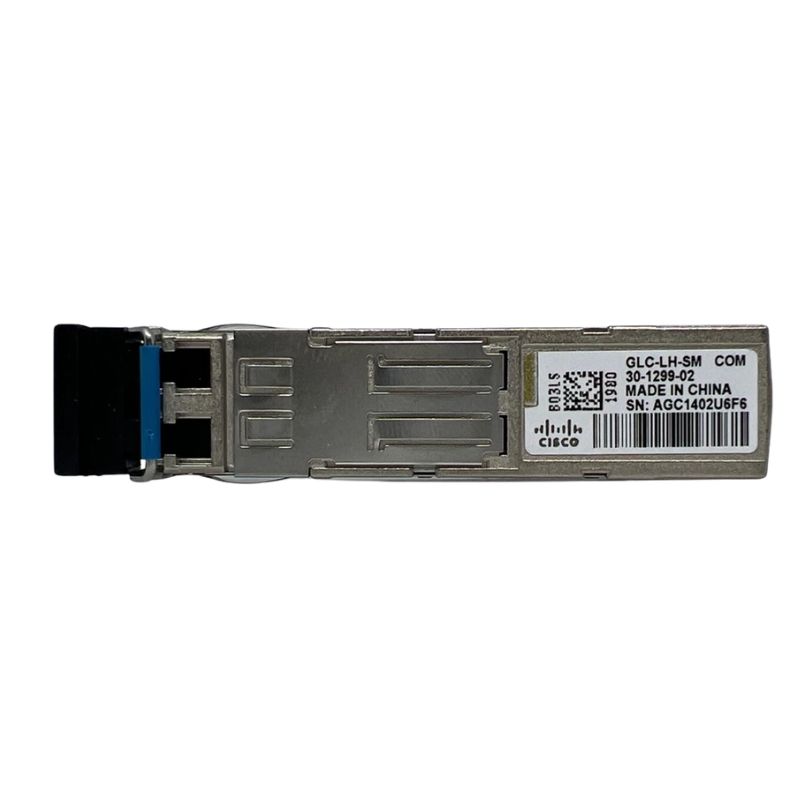


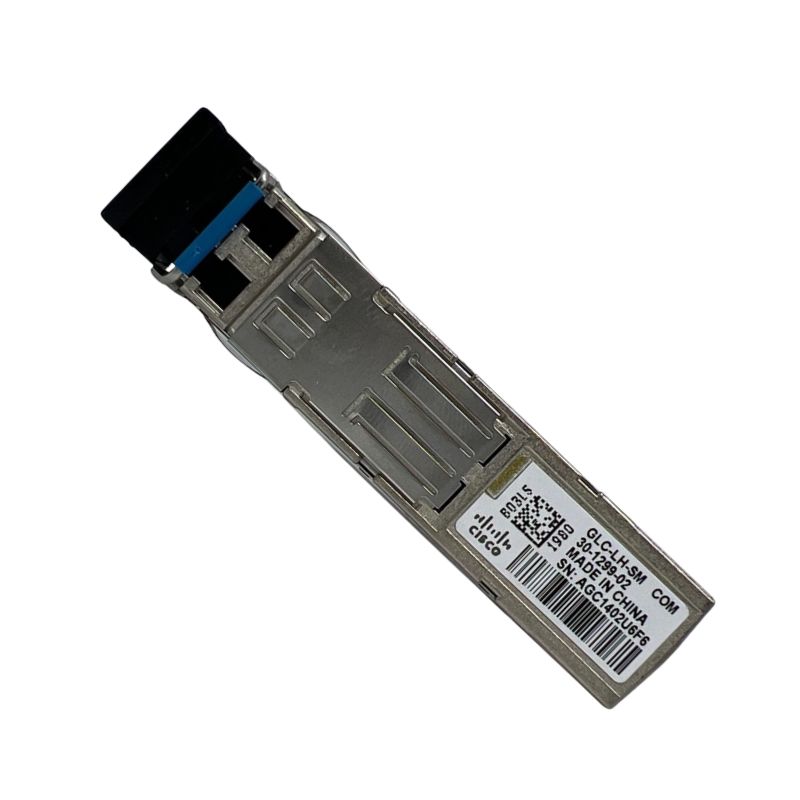
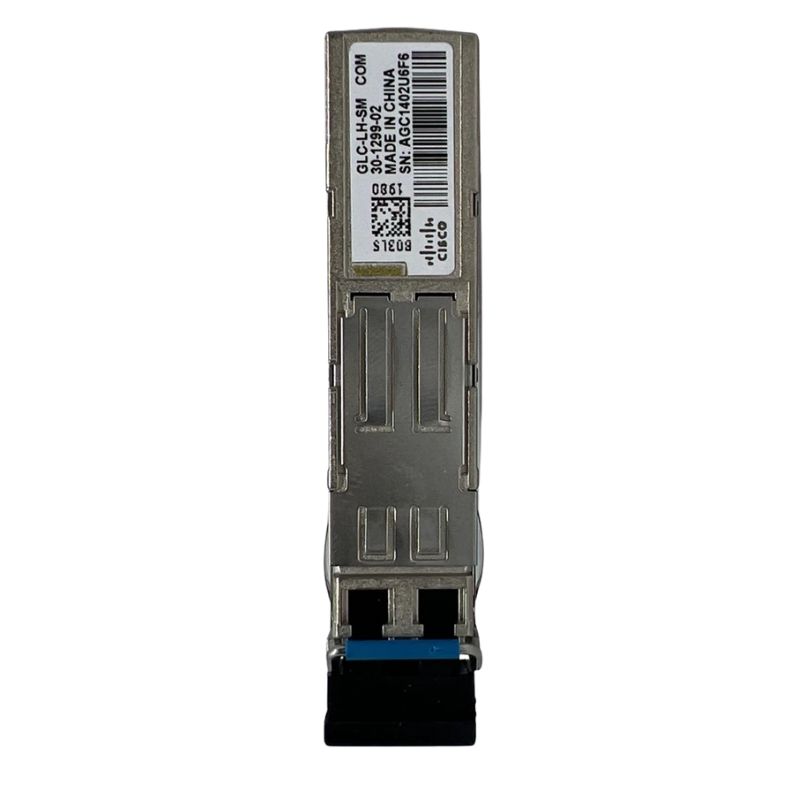
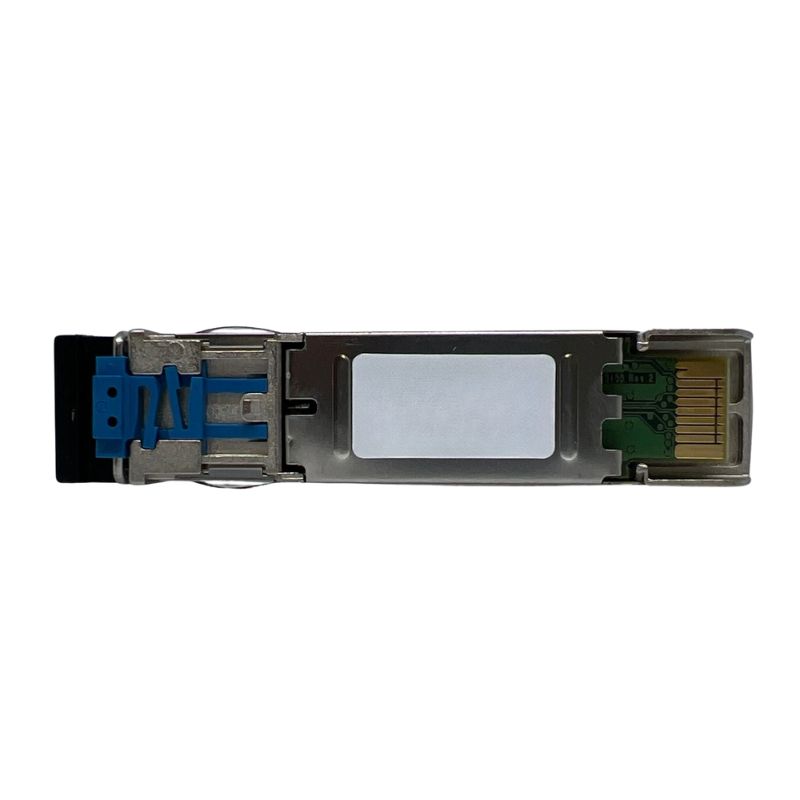
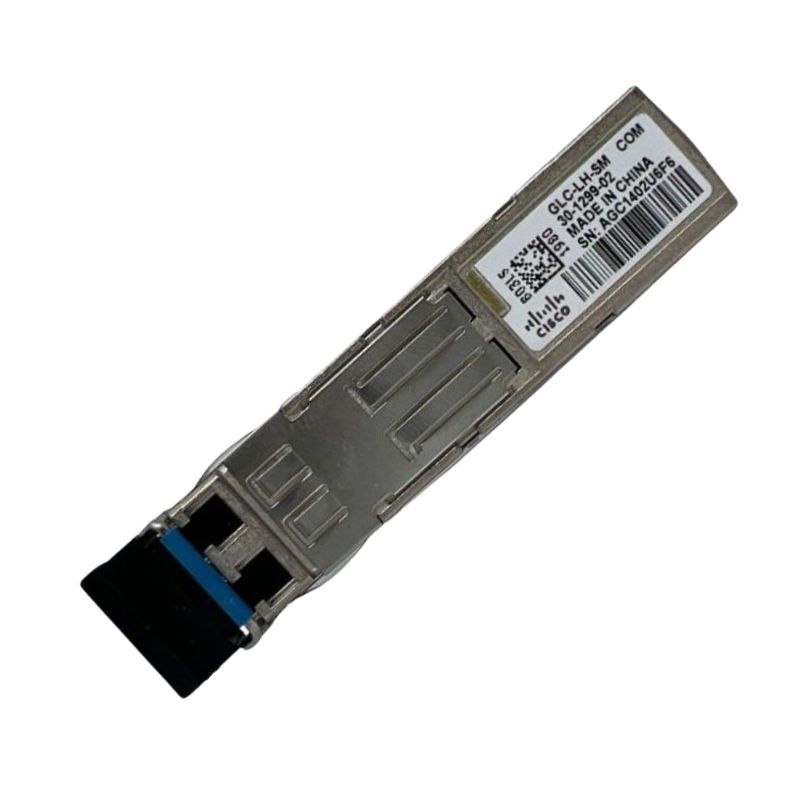
Cisco 30-1299-02 1000BASE-LX/LH SFP(Mini-GBIC) Transceiver Module. Excellent Refurbished with 1 year Replacement Warranty
| SKU/MPN | Warranty | Price | Condition | You save |
|---|---|---|---|---|
| 30-1299-02 | 1 Year Warranty | $50.00 | Excellent Refurbished | You save: $17.50 (26%) |
| 30-1299-02 | 1 Year Warranty | $138.00 | Factory-Sealed New Retail in Original Box (FSB) | You save: $48.30 (26%) |
The Cisco 30-1299-02 1000BASE-LX/LH SFP (Mini-GBIC) Transceiver Module is engineered to deliver dependable Gigabit Ethernet connectivity across fiber-optic infrastructures. Designed for compatibility with numerous Cisco networking platforms, this hot-swappable optical module provides efficient long-distance data transmission while maintaining excellent signal integrity and network stability.
The Cisco 30-1299-02 1000BASE-LX/LH SFP (Mini-GBIC) Transceiver Module is designed to provide reliable Gigabit Ethernet connectivity across fiber optic infrastructures. As a compact Small Form-Factor Pluggable transceiver, this module enables network administrators to deploy high-speed optical connections while maintaining flexibility and scalability throughout enterprise environments. Organizations that require dependable data transmission between switches, routers, aggregation devices, and network distribution layers often rely on this optical transceiver to achieve consistent performance over extended distances.
Built to support 1000BASE-LX/LH standards, the module operates using a long-wavelength laser and is optimized for transmission across both single-mode and multimode fiber cabling. Its versatile design allows network engineers to integrate the transceiver into a wide range of Cisco networking platforms without requiring extensive hardware modifications. The hot-swappable architecture further enhances deployment efficiency by allowing installation or replacement without interrupting normal network operations.
The Cisco 30-1299-02 module delivers Gigabit Ethernet performance that supports modern business communication requirements. Organizations handling large volumes of data traffic benefit from the ability to transfer information at speeds up to 1 Gbps while maintaining signal integrity across fiber links. This capability is particularly valuable in data centers, enterprise campuses, educational institutions, healthcare facilities, and service provider environments where stable network connectivity is critical.
The transceiver utilizes industry-standard Gigabit Ethernet technology to ensure compatibility with established optical networking infrastructures. Its implementation helps organizations extend network reach beyond the limitations associated with traditional copper-based connectivity while preserving high throughput and low latency performance.
The 1000BASE-LX/LH specification incorporates long-wavelength laser technology operating near the 1310 nm optical window. This wavelength selection enables efficient signal propagation over extended distances while minimizing attenuation. As a result, network architects can design larger and more geographically distributed infrastructures without compromising communication quality.
Long-wavelength transmission technology also contributes to improved network stability by reducing susceptibility to electromagnetic interference. Unlike copper media, fiber optic communication remains unaffected by electrical noise, making it suitable for industrial environments, manufacturing facilities, and mission-critical installations where data integrity is essential.
One of the distinguishing characteristics of the Cisco 30-1299-02 transceiver is its ability to support both single-mode and multimode fiber deployments. This flexibility simplifies network planning and allows organizations to maximize the value of existing cabling investments. Enterprises undergoing infrastructure upgrades can integrate the module into mixed fiber environments while maintaining operational continuity.
The ability to function across different fiber architectures helps organizations avoid unnecessary replacement costs and enables seamless transitions as network requirements evolve. Whether deployed within a campus backbone or between buildings, the module provides a practical solution for expanding network reach.
The Small Form-Factor Pluggable design provides a compact and space-efficient solution for high-density networking environments. Compared with larger optical interfaces, the Mini-GBIC form factor allows networking equipment manufacturers to accommodate more ports within the same physical chassis. This advantage is especially beneficial in data centers where rack space optimization remains a priority.
By reducing the physical footprint of optical interfaces, the Cisco 30-1299-02 module supports scalable infrastructure growth while preserving valuable equipment space. Organizations can deploy higher port densities without significantly increasing rack utilization.
Hot-swappable capability is a critical feature for maintaining operational efficiency in enterprise networks. Administrators can insert or remove the Cisco 30-1299-02 transceiver while the host device remains powered on. This functionality minimizes downtime during maintenance procedures and simplifies network upgrades.
In environments where uninterrupted connectivity is essential, hot-swappable technology enables technicians to address hardware issues quickly without disrupting business operations. The resulting reduction in service interruptions contributes to improved network availability and enhanced user experiences.
The module is engineered for straightforward installation within compatible SFP slots. Network professionals can deploy the transceiver rapidly without specialized tools or complex configuration procedures. This ease of implementation accelerates project timelines and reduces labor requirements during infrastructure expansions.
The standardized design further ensures consistent installation processes across a variety of Cisco networking platforms, supporting efficient deployment strategies for organizations of all sizes.
The Cisco 30-1299-02 transceiver is commonly utilized with numerous Cisco switch families that support SFP-based uplink or access connectivity. Its compatibility allows organizations to establish reliable fiber connections between core, distribution, and access-layer switches while maintaining consistent network performance.
Switch-to-switch fiber connectivity is particularly important in large enterprise environments where network segmentation, redundancy, and bandwidth optimization play significant roles in operational efficiency. The module facilitates these objectives through dependable Gigabit Ethernet communication.
Routers equipped with compatible SFP interfaces can leverage the Cisco 30-1299-02 transceiver to extend WAN, MAN, and LAN connectivity over fiber optic links. The module supports high-quality data transmission between routing platforms and remote network segments, helping organizations maintain secure and efficient communication channels.
Fiber-based router connectivity is often preferred in scenarios requiring enhanced distance capabilities, immunity to interference, and improved network resilience. The transceiver serves as an essential component in such deployments.
The standardized SFP architecture contributes to modular infrastructure design by allowing network administrators to select optical interfaces based on specific operational requirements. Rather than replacing entire network devices, organizations can upgrade or modify connectivity options simply by changing transceiver modules.
This modular approach reduces capital expenditures and provides greater flexibility when adapting networks to evolving technological demands.
Large corporate campuses frequently require high-speed connectivity between buildings, departments, and network distribution points. The Cisco 30-1299-02 transceiver provides an effective solution for establishing optical backbone links that support extensive data traffic while maintaining low latency and reliable performance.
Campus deployments often involve considerable transmission distances that exceed the capabilities of conventional copper cabling. Fiber optic infrastructure combined with the 1000BASE-LX/LH module enables organizations to overcome these limitations while supporting long-term scalability.
Modern data centers depend on efficient interconnection between servers, storage systems, switches, and network aggregation layers. The Cisco 30-1299-02 transceiver contributes to these environments by delivering stable Gigabit Ethernet connectivity that supports critical business applications and cloud-based services.
As data center workloads continue to expand, dependable optical communication becomes increasingly important for maintaining application responsiveness and ensuring consistent service delivery.
Universities, colleges, and research facilities often deploy extensive fiber optic networks spanning multiple buildings and campuses. The Cisco 30-1299-02 transceiver helps educational organizations establish reliable network connections capable of supporting academic applications, digital learning platforms, administrative systems, and collaborative research initiatives.
The module's compatibility and deployment flexibility make it a practical choice for institutions seeking cost-effective optical networking solutions.
Healthcare environments require secure and dependable communication systems to support patient records, medical imaging, telemedicine services, and administrative operations. Fiber optic connectivity enabled by the Cisco 30-1299-02 transceiver provides the reliability necessary for transmitting critical information throughout hospitals and healthcare campuses.
The module supports the infrastructure requirements of modern healthcare organizations while helping maintain continuous access to essential applications and services.
Single-mode fiber installations represent one of the primary use cases for the Cisco 30-1299-02 transceiver. These deployments support extended transmission distances while preserving signal quality and network performance. Organizations connecting remote facilities, branch offices, or campus buildings often utilize single-mode fiber to achieve reliable long-range communication.
The transceiver's support for single-mode environments allows network architects to design expansive infrastructures capable of accommodating future growth and increasing bandwidth requirements.
In addition to single-mode applications, the Cisco 30-1299-02 module can also support multimode fiber environments under appropriate deployment conditions. This capability provides organizations with additional flexibility when integrating optical networking solutions into existing infrastructures.
Multimode connectivity can be particularly advantageous in shorter-distance enterprise applications where organizations seek to leverage existing cabling assets while benefiting from Gigabit Ethernet performance.
Scalability remains a fundamental consideration in modern network planning. The Cisco 30-1299-02 transceiver supports scalable optical architectures by enabling organizations to expand connectivity as operational requirements evolve. Whether adding new departments, extending campus coverage, or integrating additional facilities, the module provides a foundation for sustainable network growth.
The ability to scale efficiently helps organizations avoid costly infrastructure redesigns while ensuring that network resources remain aligned with business objectives.
Reliable communication is essential for enterprise productivity and operational continuity. The Cisco 30-1299-02 transceiver is engineered to deliver stable optical transmission capable of supporting demanding business applications. Consistent signal quality helps reduce transmission errors and supports dependable network performance.
This reliability is particularly valuable in environments where interruptions can affect productivity, customer service, or mission-critical operations.
Fiber optic communication offers significant advantages over traditional copper networking when it comes to resistance against electromagnetic interference. The Cisco 30-1299-02 module leverages these advantages to support cleaner signal transmission and enhanced data integrity.
Industrial facilities, manufacturing plants, and electrically intensive environments often benefit from fiber-based networking because optical signals remain unaffected by nearby electrical equipment and power systems.
Organizations seeking high network availability can benefit from the dependable design of the Cisco 30-1299-02 transceiver. Its hot-swappable construction, robust optical performance, and compatibility with enterprise-grade networking platforms contribute to reduced downtime and improved operational resilience.
By supporting stable communication links throughout the network infrastructure, the module helps organizations maintain continuous access to critical resources and services.
The Cisco 30-1299-02 transceiver reflects enterprise-focused engineering principles that emphasize compatibility, reliability, and long-term operational value. Designed to integrate seamlessly with Cisco networking equipment, the module supports professional-grade deployments across diverse environments.
Its proven optical technology enables organizations to establish dependable fiber links that support business-critical communication and data exchange.
The module's support for multiple fiber types, compact SFP design, and broad compatibility enable flexible deployment strategies tailored to specific organizational requirements. Network administrators can implement optical connectivity solutions that align with both current needs and future expansion plans.
This flexibility contributes to more efficient resource utilization and simplifies infrastructure management throughout the network lifecycle


 Contact Us
 Information
 Catalog
 Solid State Drives (SSD)
 Network Switches
 Hard Disk Drives
 HBA & Controllers
 PC & Servers
 PC & Server Memory
 CPU & Processors
 Network Routers
 Power Supplies
 Tape Drives & Libraries
 Network Devices
 Computer & Network Cables