(7% discount is applied at checkout)
Cart is empty
Your go-to destination for cutting-edge server products
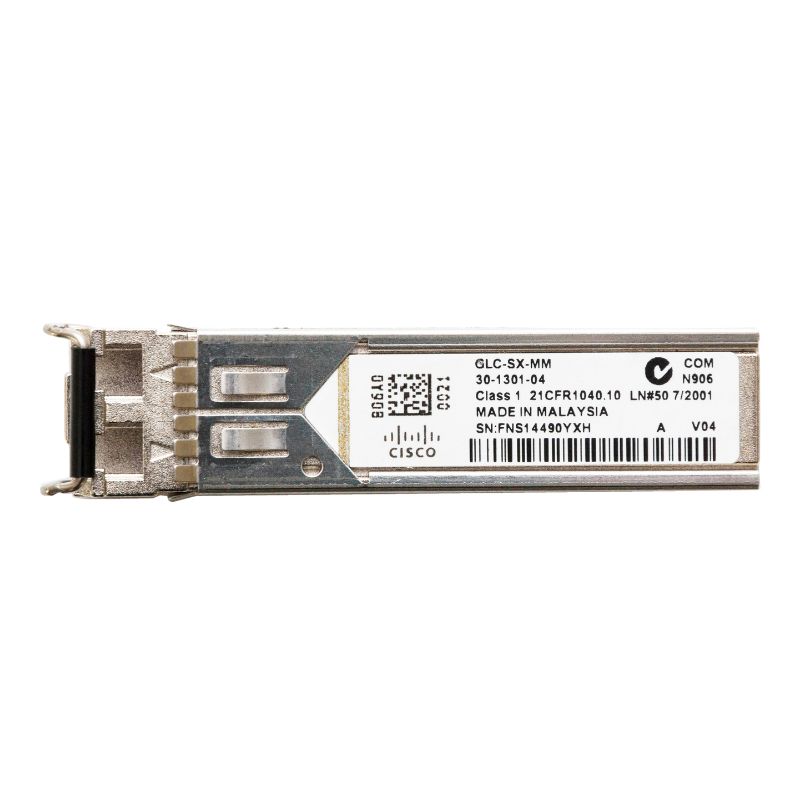


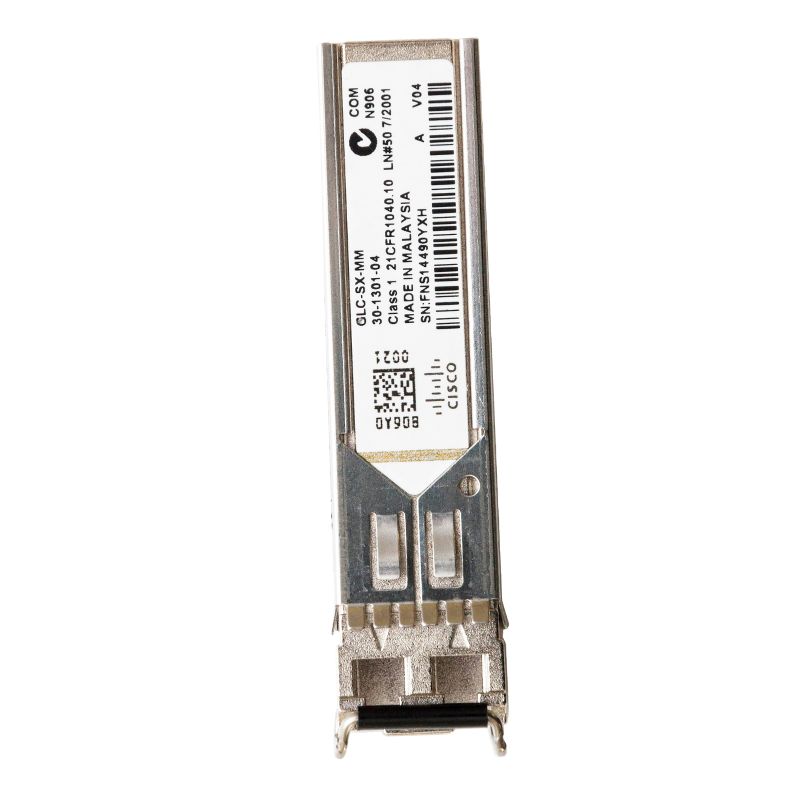
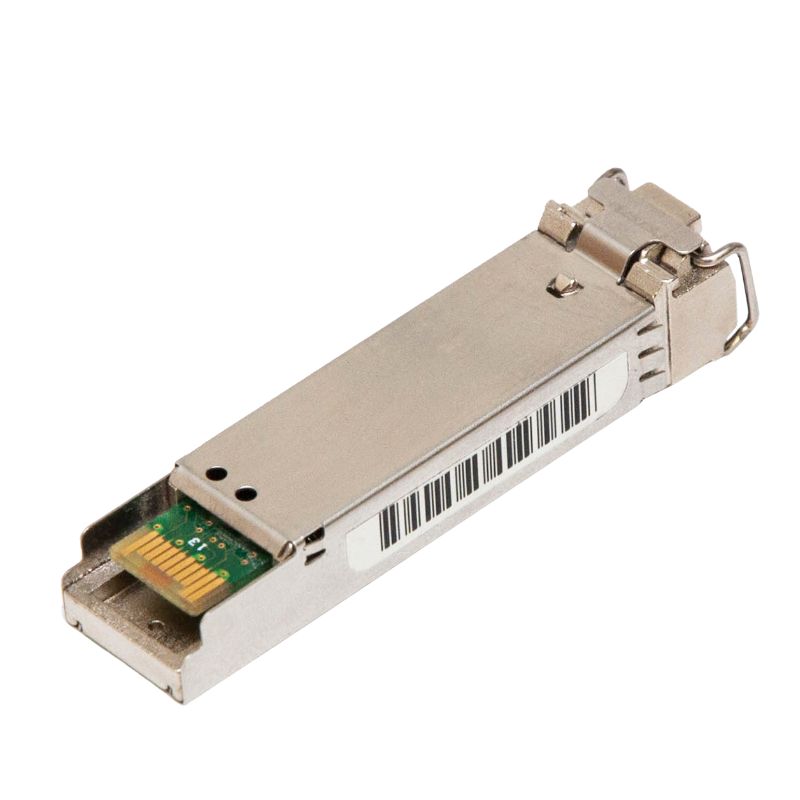
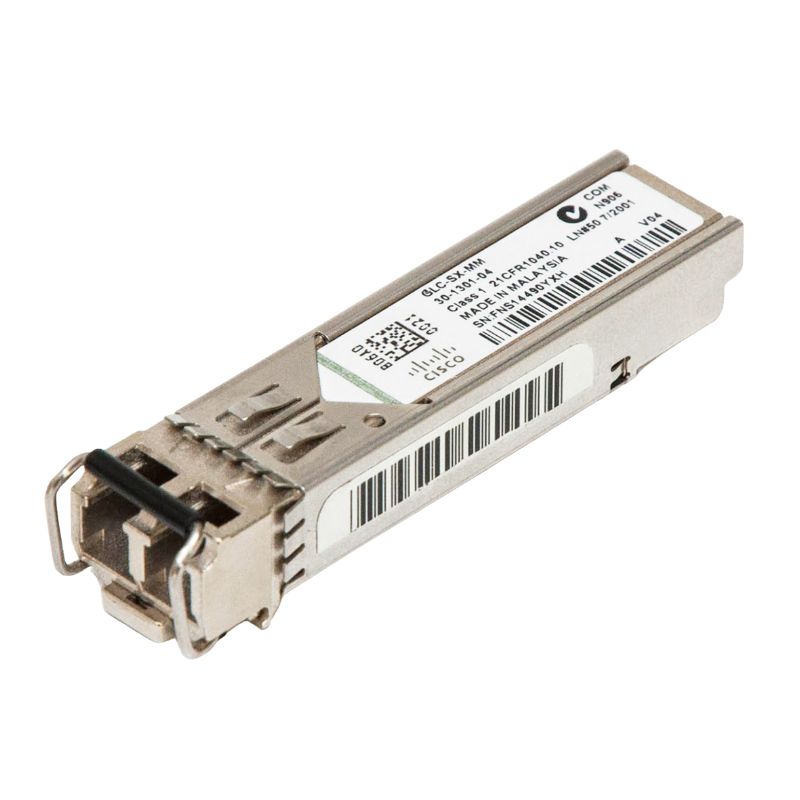
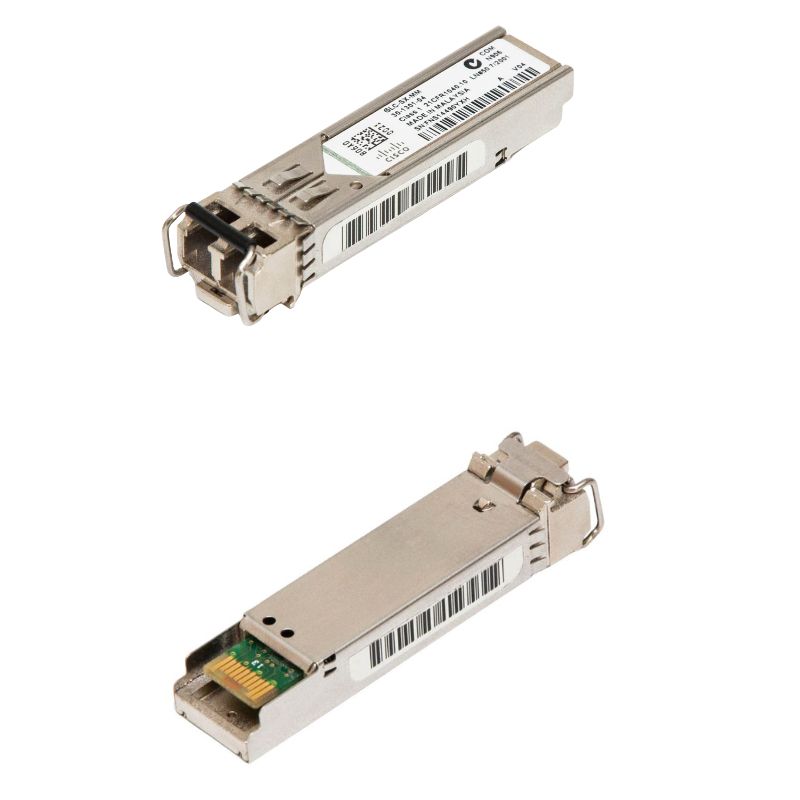
Cisco 30-1301-04 SFP (Mini-GBIC) Transceiver Module LC Multi-Mode. Excellent Refurbished with 1-Year Replacement Warranty
| SKU/MPN | Warranty | Price | Condition | You save |
|---|---|---|---|---|
| 30-1301-04 | 1 Year Warranty | $50.00 | Excellent Refurbished | You save: $17.50 (26%) |
| 30-1301-04 | 1 Year Warranty | $76.00 | Factory-Sealed New Retail in Original Box (FSB) | You save: $26.60 (26%) |
The Cisco 30-1301-04 SFP transceiver module is designed to deliver dependable Gigabit Ethernet connectivity across multi-mode fiber networks. Built for enterprise-class networking environments, this compact plug-in module supports 1000BASE-SX standards and enables efficient data transmission between switches, routers, servers, and other network infrastructure devices. Its Small Form-Factor Pluggable (SFP) architecture allows quick installation and easy upgrades without requiring major hardware changes.
Organizations that require stable and high-performance optical networking can utilize this Cisco fiber transceiver to extend network reach while maintaining exceptional signal quality. The module operates over multi-mode fiber cabling and supports LC optical connections, making it suitable for a broad range of commercial and institutional networking deployments.
The Cisco 30-1301-04 SFP (Mini-GBIC) Transceiver Module LC Multi-Mode is a compact, hot-swappable optical transceiver designed to support high-performance fiber optic networking environments. As organizations continue to expand their network infrastructures to accommodate increasing bandwidth requirements, reliable optical connectivity solutions become essential. This transceiver module is engineered to deliver dependable data transmission across multi-mode fiber networks while maintaining compatibility with a broad range of Cisco networking equipment.
Built according to Small Form-Factor Pluggable standards, the Cisco 30-1301-04 module enables network administrators to add or replace fiber connectivity without powering down switches, routers, or other network devices. The module provides flexibility for network expansion, simplifies maintenance procedures, and helps ensure uninterrupted network operations in enterprise, campus, educational, healthcare, and data center environments.
The LC connector interface offers secure optical connections while maintaining a compact footprint. This design allows network engineers to maximize port density within networking equipment, making the module particularly valuable in environments where rack space and port availability are critical considerations.
SFP technology revolutionized fiber networking by introducing modular transceiver solutions that could be installed and replaced without requiring hardware modifications. Prior to the widespread adoption of SFP modules, networking equipment often relied on fixed optical interfaces that limited deployment flexibility and increased replacement costs.
The Mini-GBIC designation refers to the compact Gigabit Interface Converter architecture that allows networking devices to support multiple media types. Organizations can deploy copper or fiber connections depending on operational requirements while utilizing the same networking hardware platform.
The Cisco 30-1301-04 SFP module exemplifies this flexible design philosophy by providing multi-mode fiber connectivity through a standardized pluggable interface. This modular approach enables network scalability and helps reduce infrastructure investment costs over time.
Modular transceiver technology provides numerous operational advantages. Network administrators can customize connectivity based on distance requirements, fiber infrastructure, and bandwidth demands. The ability to replace or upgrade transceivers independently from the host device extends equipment lifecycles and simplifies future network expansion initiatives.
Because the Cisco 30-1301-04 SFP module follows industry-standard specifications, it supports streamlined deployment procedures and facilitates efficient inventory management for organizations maintaining large networking infrastructures.
The compact physical dimensions of the Cisco 30-1301-04 transceiver module enable high-density networking deployments. Modern enterprise switches often contain numerous SFP ports, allowing organizations to establish extensive fiber connectivity while minimizing rack space consumption.
The reduced form factor contributes to improved airflow within networking equipment and supports efficient thermal management. These characteristics are especially important in densely populated data center environments where cooling efficiency directly impacts operational reliability.
One of the most significant advantages of the Cisco 30-1301-04 module is its hot-swappable capability. Network administrators can insert or remove the transceiver while the host device remains operational. This functionality minimizes service interruptions and enables maintenance activities without affecting critical network services.
Hot-swappable operation is particularly beneficial in mission-critical environments where downtime can result in productivity losses, service disruptions, or financial consequences. The module supports rapid replacement procedures that help maintain network availability.
The module utilizes an LC connector interface, which has become one of the most widely adopted connector standards in modern fiber optic networking. LC connectors provide reliable optical performance while occupying significantly less space than older connector formats.
The compact duplex LC design facilitates high-density patch panel configurations and enables efficient cable management practices. These characteristics help organizations optimize network infrastructure layouts and maintain orderly cable routing throughout telecommunications rooms and data centers.
The Cisco 30-1301-04 SFP transceiver is specifically designed for operation over multi-mode fiber cabling. Multi-mode fiber remains a popular networking medium due to its cost-effectiveness and suitability for short to medium-distance communications within buildings, campuses, and data centers.
Multi-mode fiber infrastructure supports high-speed data transmission while providing immunity to electromagnetic interference. This characteristic makes fiber optic connectivity particularly advantageous in environments containing electrical equipment, industrial machinery, or high-power systems.
The optical technology incorporated into the Cisco 30-1301-04 module enables reliable signal transmission across designated fiber distances. By utilizing optical communication rather than electrical signaling, the transceiver helps preserve signal integrity and supports consistent network performance.
Optical transmission significantly reduces susceptibility to noise and interference, resulting in improved communication reliability. Organizations can deploy fiber links with confidence, knowing that environmental electrical factors will have minimal impact on network operations.
Many organizations use multi-mode fiber to interconnect telecommunications closets, server rooms, and departmental network segments throughout office buildings and campus environments. The Cisco 30-1301-04 module supports these deployment scenarios by providing dependable optical connectivity between networking devices.
Educational institutions, healthcare facilities, manufacturing plants, and corporate campuses frequently rely on multi-mode fiber networks to support growing communication requirements. The transceiver contributes to the performance and reliability of these critical infrastructure components.
The Cisco 30-1301-04 SFP transceiver module is engineered to support network environments requiring dependable high-speed communication. As organizations increasingly rely on cloud applications, virtualization platforms, video communications, and large-scale data transfers, robust optical connectivity becomes increasingly important.
Fiber optic communication technologies provide the bandwidth capabilities necessary to accommodate modern enterprise workloads. The transceiver helps ensure that connected devices can exchange information efficiently while maintaining network responsiveness.
Reliable signal transmission is essential for maintaining network stability. The Cisco 30-1301-04 module incorporates optical components designed to support accurate data transmission while minimizing transmission errors. This emphasis on signal quality contributes to improved application performance and user experiences.
Consistent optical performance supports business-critical operations, including enterprise resource planning systems, database platforms, communication services, and cloud-based applications.
Unlike traditional copper networking technologies, fiber optic communication is immune to electromagnetic interference. This characteristic enhances reliability in challenging environments where electrical noise could otherwise compromise network performance.
The Cisco 30-1301-04 module leverages the inherent advantages of optical communication to deliver dependable connectivity in a wide variety of deployment scenarios.
The Cisco 30-1301-04 SFP transceiver module is developed to integrate seamlessly with compatible Cisco networking equipment. This compatibility ensures consistent performance, simplified deployment procedures, and efficient management within Cisco-based infrastructures.
Organizations utilizing Cisco switches and routers often prefer Cisco-compatible transceivers because they are specifically engineered to support platform requirements and operational standards. This compatibility helps reduce deployment complexity and supports long-term infrastructure stability.
Enterprise networking environments frequently include numerous interconnected devices spanning multiple locations. The Cisco 30-1301-04 module enables reliable fiber connectivity between switches, distribution layers, and core network components.
By supporting standardized optical interfaces, the module facilitates network expansion projects and infrastructure modernization initiatives. Organizations can enhance connectivity while preserving existing investments in Cisco networking equipment.
Data centers require reliable, high-density connectivity solutions capable of supporting substantial traffic volumes. The compact design of the Cisco 30-1301-04 transceiver allows administrators to maximize switch port utilization while maintaining efficient cable management practices.
Fiber-based connectivity supports low-latency communication between servers, storage systems, and network infrastructure components. These capabilities contribute to overall data center efficiency and performance.
Corporate environments often require dependable connectivity between departments, floors, and buildings. The Cisco 30-1301-04 transceiver module supports these requirements by enabling fiber-based communication links that provide reliability, scalability, and performance.
Organizations can use the module to establish backbone connections, aggregation links, and distribution-layer communications that support day-to-day business operations.
Universities, colleges, and schools depend on robust networking infrastructures to support digital learning platforms, research initiatives, administrative systems, and campus-wide internet access. Multi-mode fiber deployments frequently form the foundation of these environments.
The Cisco 30-1301-04 module contributes to educational networking strategies by enabling reliable optical communication between network segments and facilities.
Healthcare organizations require highly reliable network connectivity to support electronic medical records, imaging systems, communication platforms, and patient care technologies. Fiber optic infrastructure provides the performance and reliability necessary for these demanding applications.
The transceiver module supports healthcare networking requirements by facilitating dependable optical communication across hospital campuses and medical facilities.
Manufacturing and industrial facilities often contain equipment capable of generating significant electromagnetic interference. Fiber optic networking provides an effective solution because optical signals remain unaffected by electrical noise.
The Cisco 30-1301-04 transceiver enables organizations to extend reliable connectivity into industrial environments while maintaining communication quality and network performance.


 Contact Us
 Information
 Catalog
 Solid State Drives (SSD)
 Network Switches
 Hard Disk Drives
 HBA & Controllers
 PC & Servers
 PC & Server Memory
 CPU & Processors
 Network Routers
 Power Supplies
 Tape Drives & Libraries
 Network Devices
 Computer & Network Cables