(7% discount is applied at checkout)
Cart is empty
Your go-to destination for cutting-edge server products
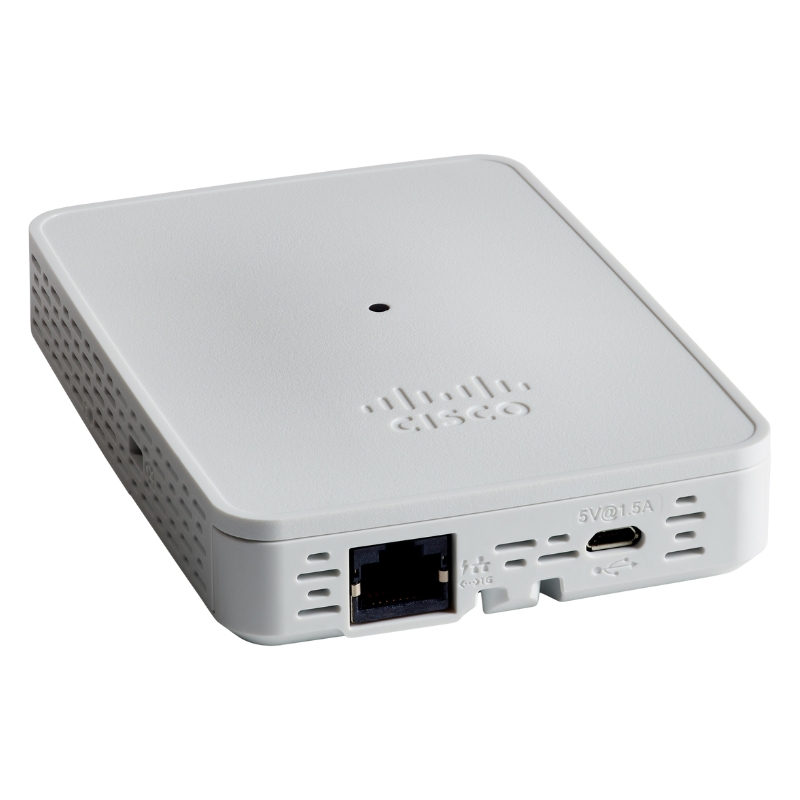


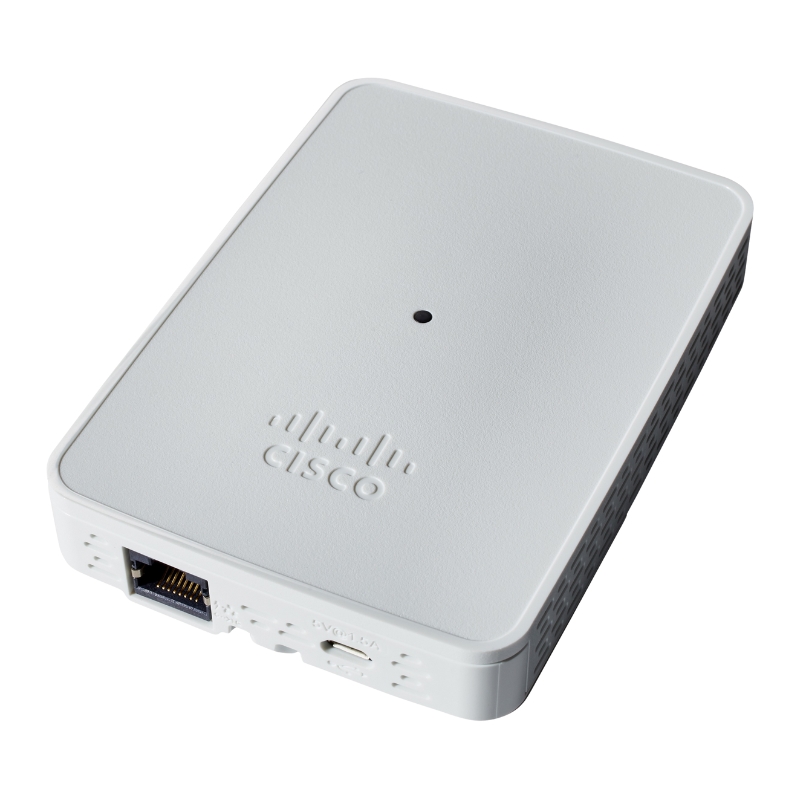
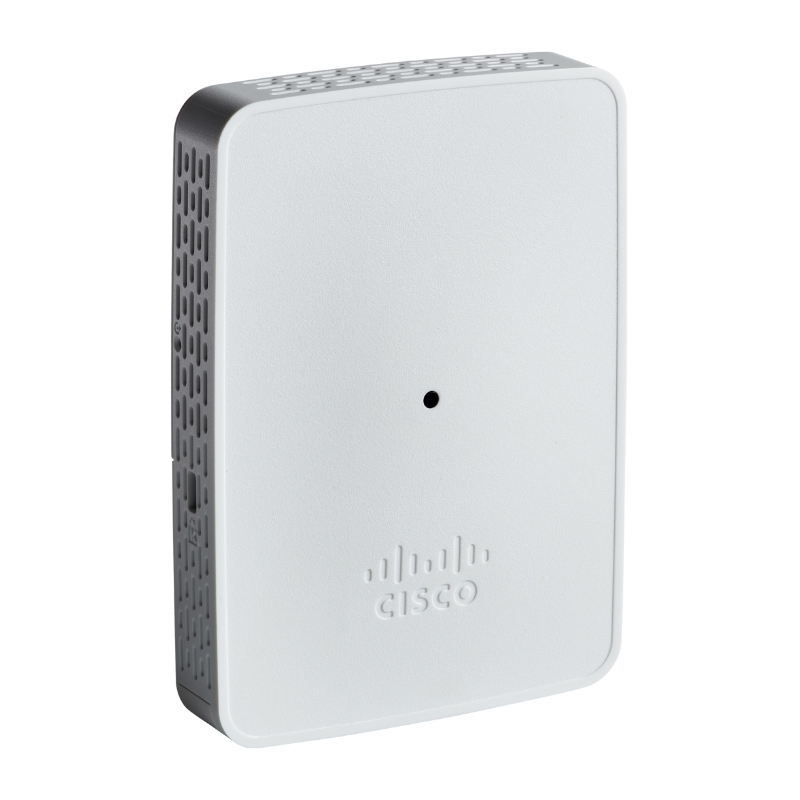
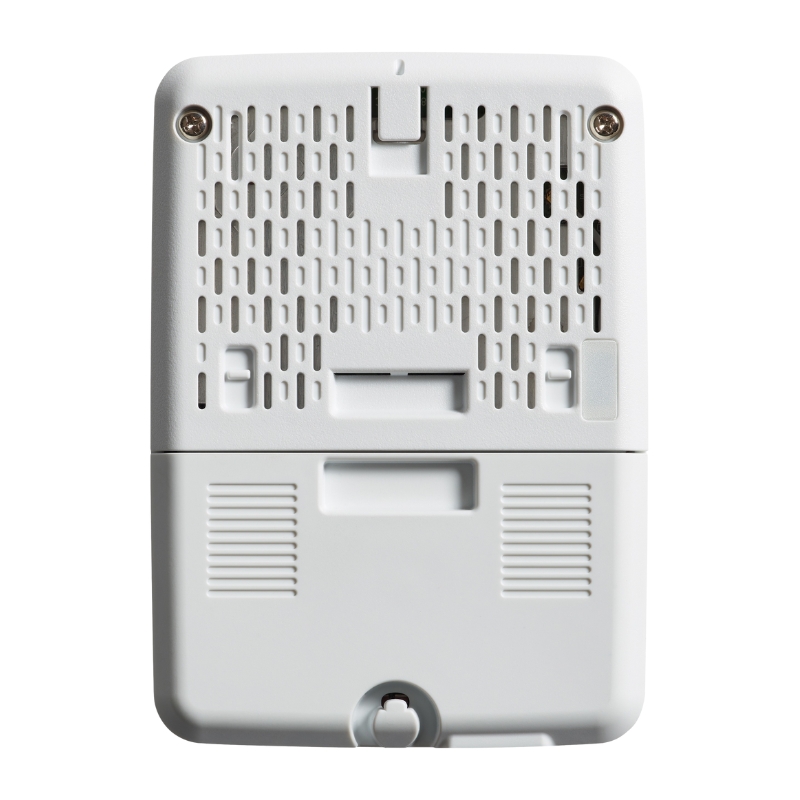
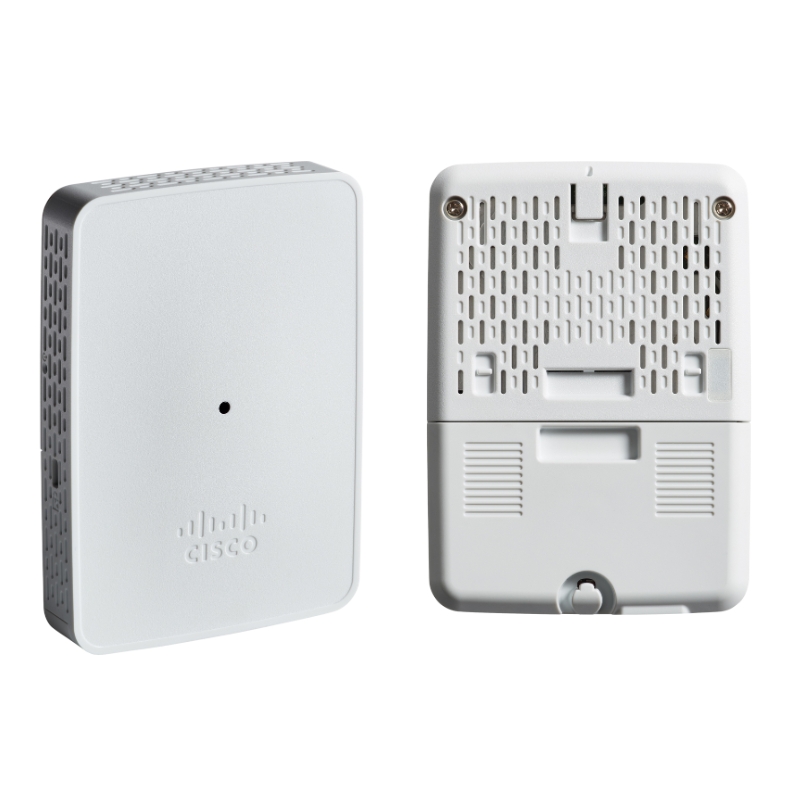
Cisco AIR-AP1800S-B-K9 Aironet Wireless Access Point Active Systems 1800S Series Sensor. New Sealed with 1 year replacement warranty
| SKU/MPN | Warranty | Price | Condition | You save |
|---|---|---|---|---|
| AIR-AP1800S-B-K9 | 1 Year Warranty | $152.00 | New Sealed in Box (NIB) | You save: $53.20 (26%) |
| AIR-AP1800S-B-K9 | 1 Year Warranty | $128.00 | Excellent Refurbished | You save: $44.80 (26%) |
The Cisco AIR-AP1800S-B-K9 Aironet Wireless Access Point from the Active Systems 1800S Series Sensor is engineered to enhance enterprise‑grade Wi‑Fi visibility, delivering dependable dual‑band connectivity and advanced monitoring capabilities. Designed for environments requiring precise RF analytics, stable throughput, and intelligent wireless optimization, it provides reliable performance with wireless speeds reaching up to 866.70 Mbit/s while supporting modern sensor‑based network assurance.
The Cisco AIR-AP1800S-B-K9 Aironet Wireless Access Point Active Systems 1800S Series Sensor represents a specialized class of enterprise-grade wireless sensing technology designed to extend visibility, intelligence, and environmental awareness across modern network infrastructures. Built within the Cisco Aironet ecosystem, this device operates as a compact yet highly capable sensor node that integrates seamlessly into large-scale wireless deployments. It is engineered to support advanced monitoring functions, spectrum analysis capabilities, and environmental data collection while maintaining compatibility with enterprise wireless architectures.
This category of wireless sensor technology is designed to operate as an extension of wireless access point ecosystems, enabling organizations to gain deeper insight into radio frequency environments, network behavior, and operational conditions. The Cisco AIR-AP1800S-B-K9 functions not only as a passive observation device but also as an active participant in intelligent network management strategies, contributing to enhanced performance optimization and security awareness.
The architectural design of the Cisco AIR-AP1800S-B-K9 is rooted in modular wireless intelligence. Unlike traditional access points that primarily focus on connectivity, this sensor model emphasizes data acquisition and environmental awareness. It is built to operate in conjunction with centralized wireless controllers and cloud-managed environments, ensuring that collected data is processed and interpreted effectively.
The internal structure of the 1800S Series Sensor is optimized for continuous monitoring of wireless spectrum activity. It is capable of detecting interference sources, analyzing signal quality variations, and identifying anomalies in RF behavior. This architecture supports proactive network optimization strategies where issues are identified before they escalate into service disruptions.
The hardware foundation of the Cisco AIR-AP1800S-B-K9 is designed for reliability and long-term deployment in enterprise environments. It incorporates integrated radio components capable of operating within standard wireless frequency bands commonly used in business and industrial networks. These components are optimized for low power consumption while maintaining high sensitivity for environmental detection.
Embedded within the system is a processing framework that enables real-time data capture and preliminary analysis. This allows the sensor to function independently in collecting wireless telemetry data while forwarding processed information to centralized network management platforms. The design ensures minimal latency in reporting network conditions and environmental changes.
One of the defining capabilities of the Cisco AIR-AP1800S-B-K9 is its ability to perform continuous wireless spectrum monitoring. This function enables the sensor to detect unauthorized transmissions, channel congestion, and signal interference that may affect network performance. The device operates across multiple channels to ensure comprehensive coverage of the wireless environment.
Spectrum intelligence features allow network administrators to gain insight into non-WiFi interference sources such as industrial equipment, microwave devices, or other RF-emitting systems. This level of visibility is essential in environments where wireless reliability is critical, including healthcare facilities, corporate campuses, and manufacturing environments.
The RF analysis capabilities embedded in this sensor category allow it to capture detailed environmental metrics. These metrics include signal strength variations, noise floor fluctuations, and channel utilization trends. By continuously collecting this information, the system builds a comprehensive view of the wireless ecosystem over time.
This continuous data collection model enables predictive analysis, where potential performance degradation can be anticipated based on historical patterns. It supports administrators in making informed decisions about channel planning, access point placement, and network expansion strategies.
The Cisco AIR-AP1800S-B-K9 is designed to integrate seamlessly into broader Cisco wireless ecosystems. It is commonly deployed alongside enterprise access points and managed through centralized controllers or cloud-based management platforms. This integration ensures that sensor data is not isolated but contributes directly to network-wide optimization processes.
Within integrated environments, the sensor plays a key role in enhancing visibility across distributed wireless infrastructures. It communicates findings related to interference, rogue device detection, and environmental changes, enabling coordinated responses from network management systems.
The sensor is compatible with Cisco wireless LAN controllers that support advanced monitoring and analytics functions. This compatibility ensures that organizations can deploy the sensor without requiring significant modifications to existing infrastructure. It aligns with centralized management strategies that prioritize scalability and operational efficiency.
In cloud-managed environments, the sensor contributes telemetry data that is aggregated and analyzed across multiple deployment sites. This allows organizations to maintain consistent performance standards across geographically distributed networks.
The Cisco AIR-AP1800S-B-K9 plays an important role in wireless security enhancement by identifying unauthorized devices and potential security threats within the RF environment. It can detect rogue access points, suspicious signal behavior, and abnormal network activity patterns that may indicate security risks.
By continuously monitoring the wireless spectrum, the sensor contributes to early detection of intrusion attempts or misconfigured devices. This proactive security posture is essential in enterprise environments where data protection and network integrity are critical priorities.
Anomaly detection functions within the sensor framework allow it to distinguish between normal and abnormal wireless behavior. This includes identifying unexpected changes in signal patterns, unusual device activity, or interference that may be associated with malicious activity.
The ability to detect these anomalies in real time provides organizations with the opportunity to respond quickly to potential threats, reducing the risk of network compromise or service disruption.
The Cisco AIR-AP1800S-B-K9 is designed for deployment across a wide range of enterprise environments. These include corporate offices, educational institutions, healthcare facilities, government buildings, and industrial campuses. Each of these environments benefits from enhanced wireless visibility and environmental awareness.
In large-scale deployments, multiple sensors may be distributed throughout a facility to provide comprehensive coverage of the wireless landscape. This distributed approach ensures that no area of the network remains unmonitored, enabling consistent performance optimization across all zones.
In smart building environments, the sensor contributes to the broader Internet of Things ecosystem by providing wireless environmental data that supports automation systems. This includes monitoring connectivity conditions that may impact smart lighting, HVAC systems, and occupancy sensors.
The integration of wireless sensing into smart infrastructure allows for improved operational efficiency and enhanced user experience within modern building designs.
The Cisco AIR-AP1800S-B-K9 supports performance optimization strategies by identifying inefficiencies within wireless networks. These inefficiencies may include channel overlap, excessive congestion, or inconsistent signal distribution. By identifying these issues, the sensor enables corrective actions that improve overall network performance.
Continuous monitoring ensures that performance data is always up to date, allowing administrators to respond dynamically to changing network conditions. This adaptive approach is essential in environments where wireless demand fluctuates frequently.
Through long-term data collection, the sensor contributes to capacity planning efforts by revealing patterns in wireless traffic behavior. This includes peak usage periods, device density trends, and bandwidth consumption patterns.
These insights allow organizations to plan infrastructure expansions more effectively, ensuring that wireless networks remain capable of supporting growing demands without degradation in performance.
The Cisco AIR-AP1800S-B-K9 provides long-term value by enabling continuous improvement of wireless network performance. Over time, accumulated data becomes increasingly valuable for trend analysis and predictive modeling.
This lifecycle approach ensures that the sensor remains relevant as network environments evolve. It contributes to ongoing optimization efforts that enhance both performance and security over extended periods.
As data accumulates, predictive models become more accurate in forecasting network behavior. This allows organizations to anticipate congestion, identify potential failures, and optimize resource allocation before issues arise.
The sensor’s role in predictive intelligence makes it a critical component in modern wireless infrastructure strategies that prioritize proactive management over reactive troubleshooting.
The Cisco AIR-AP1800S-B-K9 is designed to scale efficiently across large enterprise environments. Its distributed nature allows organizations to deploy multiple sensors across different locations while maintaining centralized visibility and control.
This scalability ensures that even complex network environments with multiple buildings or campuses can maintain consistent monitoring coverage and operational awareness.
Data collected from multiple sensors is aggregated into centralized systems where it is analyzed collectively. This provides a holistic view of network performance and environmental conditions across the entire infrastructure.
Centralized analysis enables correlation of data across different locations, improving the accuracy of insights and supporting more informed decision-making processes.


 Contact Us
 Information
 Catalog
 Solid State Drives (SSD)
 Network Switches
 Hard Disk Drives
 HBA & Controllers
 PC & Servers
 PC & Server Memory
 CPU & Processors
 Network Routers
 Power Supplies
 Tape Drives & Libraries
 Network Devices
 Computer & Network Cables