(7% discount is applied at checkout)
Cart is empty
Your go-to destination for cutting-edge server products
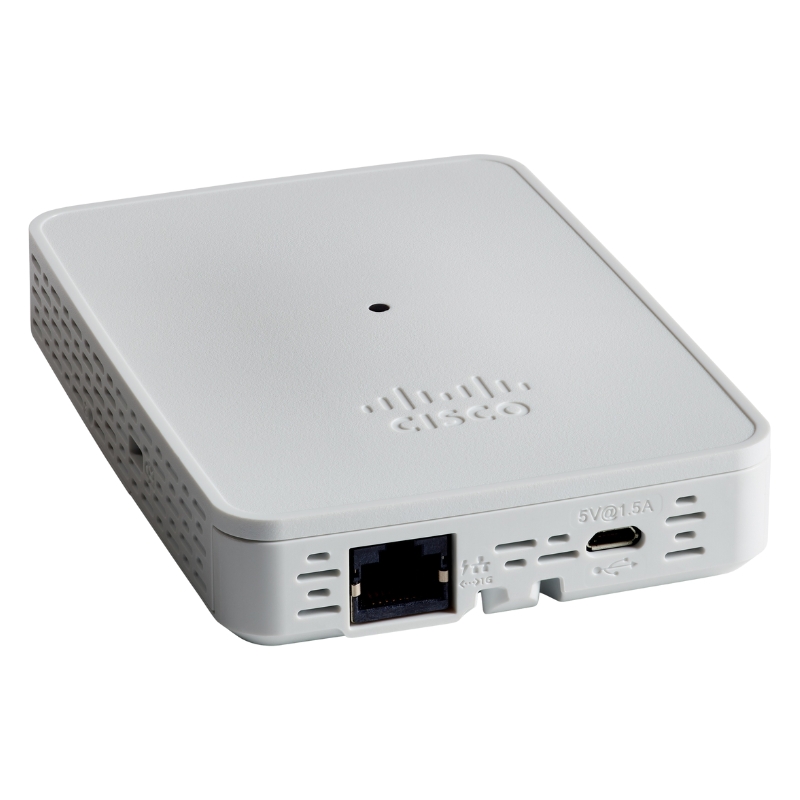


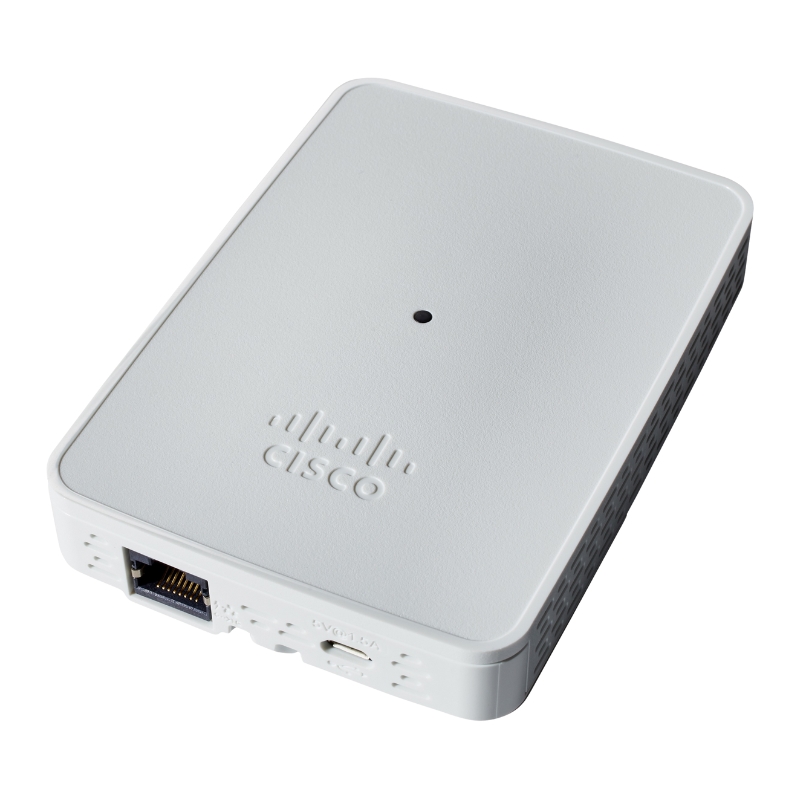
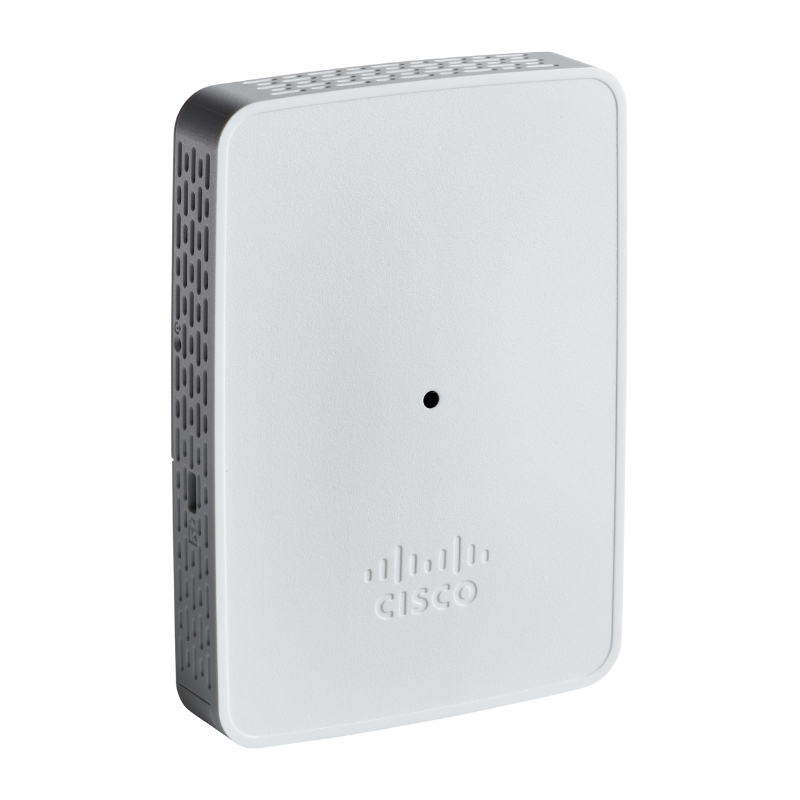
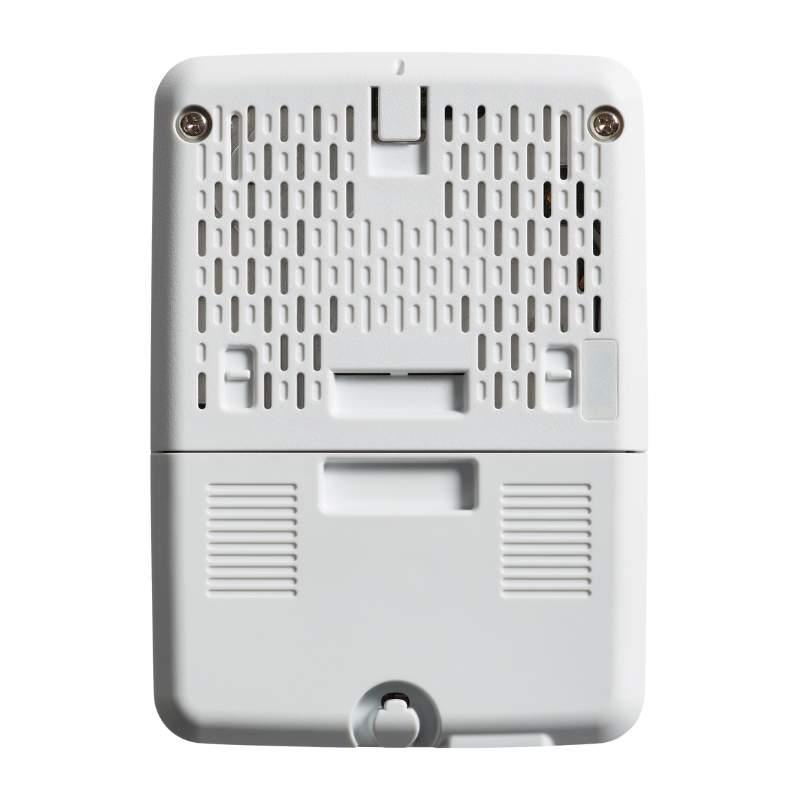
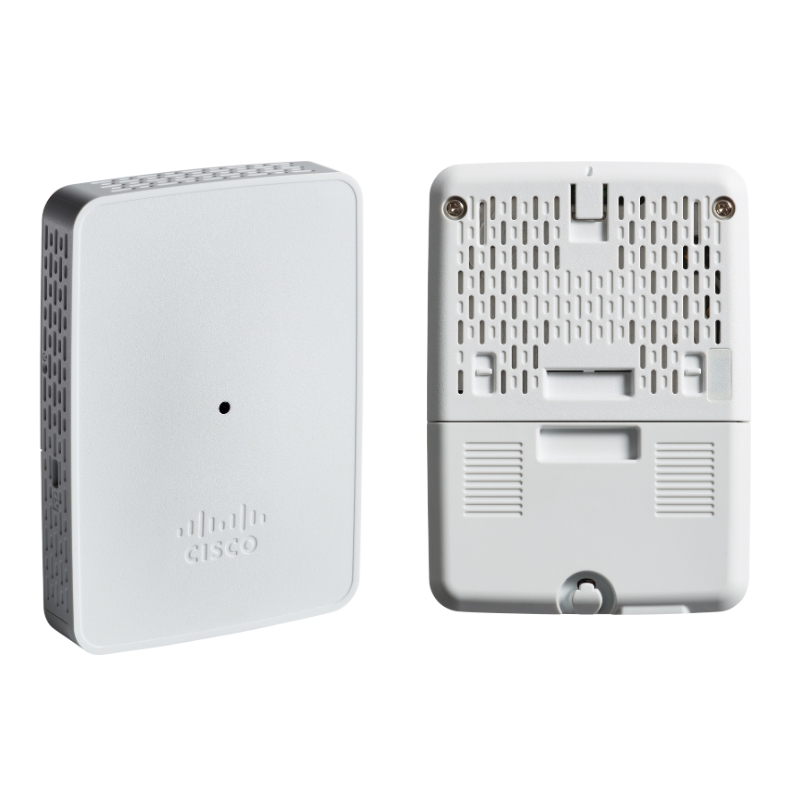
Cisco AIR-AP1800S-B-K9 Aironet Wireless Access Point Active Systems 1800S Series Sensor. Excellent Refurbished with 1 year replacement warranty
| SKU/MPN | Warranty | Price | Condition | You save |
|---|---|---|---|---|
| AIR-AP1800S-B-K9 | 1 Year Warranty | $152.00 | New Sealed in Box (NIB) | You save: $53.20 (26%) |
| AIR-AP1800S-B-K9 | 1 Year Warranty | $128.00 | Excellent Refurbished | You save: $44.80 (26%) |
The Cisco AIR-AP1800S-B-K9 Aironet Wireless Access Point from the Active Systems 1800S Series Sensor is designed to enhance enterprise Wi‑Fi visibility and performance, delivering dependable dual‑band connectivity and advanced RF analytics. Built for environments that require continuous monitoring, optimized throughput, and intelligent wireless assurance, it provides stable speeds up to 866.70 Mbit/s while supporting sensor‑driven diagnostics across modern network infrastructures.
The Cisco AIR-AP1800S-B-K9 Aironet Wireless Sensor Access Point belongs to the Cisco Aironet 1800S Series, a category of intelligent wireless sensing devices designed to enhance enterprise network visibility, wireless assurance, and continuous radio frequency monitoring. This class of sensor-based wireless hardware is built to operate as a dedicated environmental observer within modern Wi-Fi infrastructures, providing real-time insights into network performance, wireless interference conditions, and security anomalies across densely deployed wireless environments.
Unlike traditional access points that primarily focus on client connectivity and data transmission, the 1800S series sensor model is optimized for continuous monitoring and analytics-driven operations. It integrates seamlessly into enterprise wireless architectures where proactive network assurance, predictive troubleshooting, and automated wireless optimization are critical for maintaining high-performance connectivity across distributed environments such as campuses, healthcare facilities, retail infrastructures, and industrial deployments.
Wireless sensor access points such as the Cisco AIR-AP1800S-B-K9 are deployed to observe and analyze radio frequency activity across designated coverage zones. Their primary function is to provide continuous telemetry about wireless spectrum usage, client behavior patterns, interference sources, and security events without actively serving client traffic. This separation of sensing and serving roles enables organizations to achieve higher accuracy in wireless diagnostics and operational visibility.
The sensor-based architecture supports proactive network management by enabling IT teams to identify coverage gaps, detect rogue devices, and monitor spectrum utilization trends. This approach significantly improves operational efficiency by reducing the need for manual troubleshooting and reactive network maintenance practices.
The Cisco AIR-AP1800S-B-K9 is designed to integrate with centralized wireless management platforms that aggregate and interpret sensor data. These platforms transform raw RF data into actionable insights, allowing network administrators to visualize wireless health, detect anomalies, and optimize access point placement and channel allocation strategies. The sensor contributes to a larger ecosystem of automated network assurance where machine learning algorithms and telemetry-driven analytics work together to maintain consistent wireless performance.
One of the primary functions of the Cisco AIR-AP1800S-B-K9 sensor is continuous spectrum analysis. This involves monitoring the radio frequency environment for congestion, interference, and signal degradation. The sensor continuously scans multiple channels to detect overlapping frequencies, non-Wi-Fi interference sources, and fluctuating signal conditions that may impact network performance.
By operating in a dedicated sensing mode, the device provides high-resolution visibility into the RF environment. This allows enterprises to identify performance bottlenecks caused by environmental factors such as microwave interference, neighboring wireless networks, or dense device concentration areas. The data collected supports intelligent remediation strategies that improve overall wireless stability.
The sensor architecture of the 1800S series includes advanced interference detection capabilities that classify various types of RF disturbances. These may include co-channel interference, adjacent channel interference, and non-Wi-Fi interference generated by industrial equipment or consumer electronics. The classification of interference sources allows administrators to apply targeted mitigation strategies rather than generalized adjustments.
This level of intelligence is particularly valuable in enterprise environments where wireless reliability is critical for operational continuity. The ability to identify and localize interference sources helps reduce downtime and improves user experience across all connected devices.
The Cisco AIR-AP1800S-B-K9 plays an important role in wireless security by continuously scanning for unauthorized or rogue devices within the network vicinity. These devices may include unauthorized access points, misconfigured wireless routers, or malicious devices attempting to impersonate legitimate network infrastructure.
By identifying and reporting such devices, the sensor contributes to maintaining network integrity and reducing potential attack surfaces. The continuous monitoring approach ensures that security threats are detected promptly, allowing for rapid response actions.
In addition to rogue detection, the sensor provides visibility into potential intrusion attempts within the wireless spectrum. This includes suspicious probing behavior, abnormal authentication patterns, and unusual signal activity that may indicate attempts to compromise network security.
This capability enhances enterprise security posture by extending monitoring beyond traditional firewall and endpoint protection systems into the wireless domain. As wireless networks become increasingly central to enterprise operations, this layer of visibility is essential for comprehensive threat detection strategies.
The Cisco AIR-AP1800S-B-K9 is typically deployed in a distributed sensor model, where multiple units are strategically placed across a physical environment to ensure comprehensive RF coverage. This distributed approach allows for granular visibility into wireless performance across different zones, floors, or buildings within an enterprise campus.
The placement of sensors is carefully planned to align with existing wireless access point infrastructure, ensuring that monitoring coverage overlaps with client connectivity areas. This alignment allows for correlation between user experience metrics and environmental RF conditions.
Sensor data is aggregated into centralized management systems where it is processed, analyzed, and visualized. This centralized approach allows IT administrators to monitor wireless health from a unified dashboard, simplifying operational oversight and improving response times to network issues.
The orchestration layer also enables automated responses based on sensor insights. For example, dynamic channel adjustments or power modifications can be triggered based on detected interference patterns, ensuring continuous optimization of wireless performance.
The Cisco AIR-AP1800S-B-K9 collects a wide range of telemetry data from the wireless environment. This includes signal strength variations, noise levels, device density metrics, and channel utilization statistics. The continuous flow of telemetry data enables real-time and historical analysis of network performance trends.
This data is processed through analytics engines that transform raw measurements into meaningful operational insights. These insights help organizations understand usage patterns, predict capacity requirements, and plan infrastructure upgrades effectively.
By leveraging sensor-based analytics, enterprises can implement predictive optimization strategies. Instead of reacting to performance issues after they occur, administrators can anticipate potential degradation scenarios and adjust network configurations proactively.
This predictive capability improves user experience by reducing latency issues, minimizing packet loss, and ensuring consistent connectivity across high-density environments.
The sensor contributes to environmental mapping by capturing detailed RF data across physical spaces. This data is used to construct wireless coverage maps that visualize signal strength distribution and interference zones. These visual representations assist network engineers in optimizing access point placement and ensuring consistent coverage.
Through continuous monitoring, the system can detect changes in the environment that may affect coverage, such as new physical obstructions or changes in device density.
Wireless sensor data also plays a critical role in capacity planning. By analyzing device density trends and traffic patterns, organizations can determine when additional infrastructure is required to maintain performance standards. This ensures that network expansion decisions are data-driven and aligned with actual usage demands.
The Cisco AIR-AP1800S-B-K9 enhances operational efficiency by supporting automated troubleshooting workflows. When network anomalies are detected, the sensor provides detailed contextual information that helps IT teams quickly identify root causes. This reduces the time required to diagnose and resolve wireless issues.
The availability of continuous RF data eliminates much of the guesswork traditionally associated with wireless troubleshooting, enabling more precise and efficient problem resolution.
By enabling proactive detection of performance and security issues, the sensor contributes to improved service continuity. Organizations benefit from reduced downtime, fewer user complaints, and more stable wireless performance across critical operational areas.
As enterprise networks continue to expand, the role of wireless sensors becomes increasingly important. The Cisco AIR-AP1800S-B-K9 supports scalable deployment models that allow organizations to extend monitoring coverage as infrastructure grows. This ensures consistent visibility across evolving network topologies.
The sensor architecture is designed to align with modern wireless evolution trends, including higher-density deployments and advanced analytics-driven management systems. This ensures that organizations investing in sensor-based monitoring are prepared for future advancements in wireless technology and network intelligence.


 Contact Us
 Information
 Catalog
 Solid State Drives (SSD)
 Network Switches
 Hard Disk Drives
 HBA & Controllers
 PC & Servers
 PC & Server Memory
 CPU & Processors
 Network Routers
 Power Supplies
 Tape Drives & Libraries
 Network Devices
 Computer & Network Cables