(7% discount is applied at checkout)
Cart is empty
Your go-to destination for cutting-edge server products
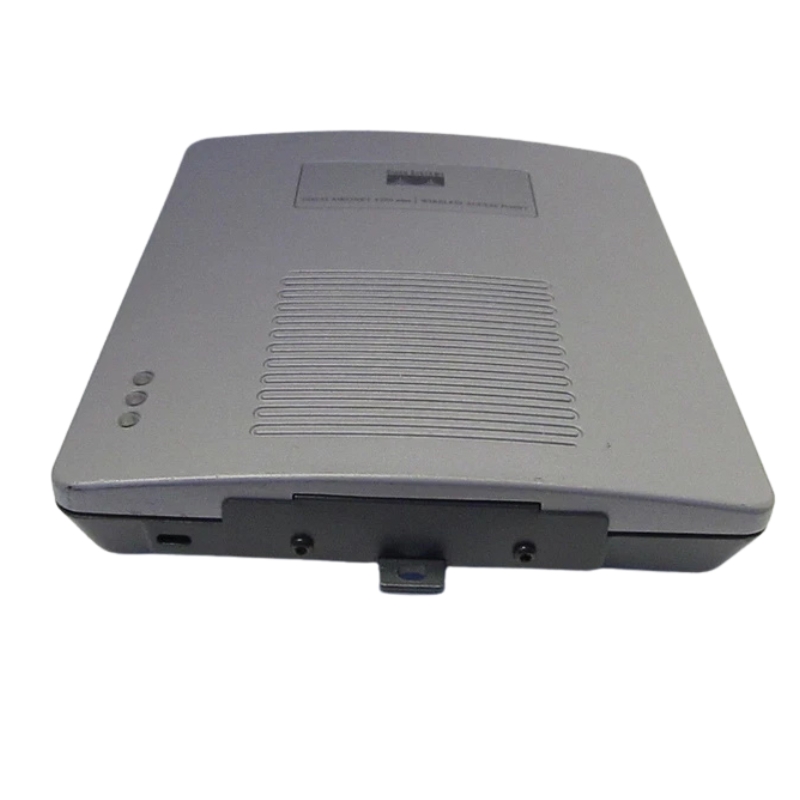


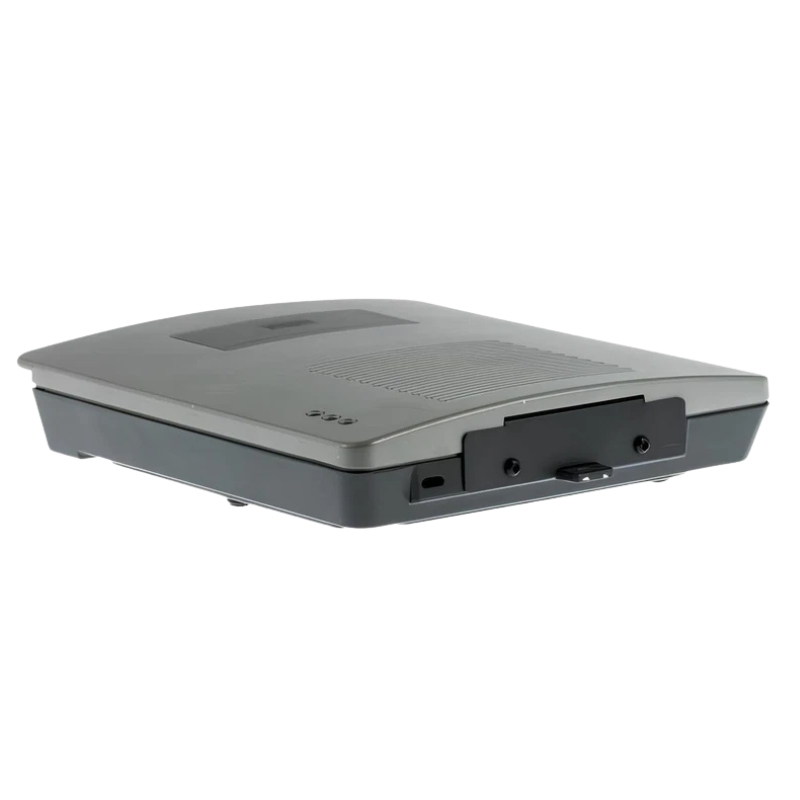
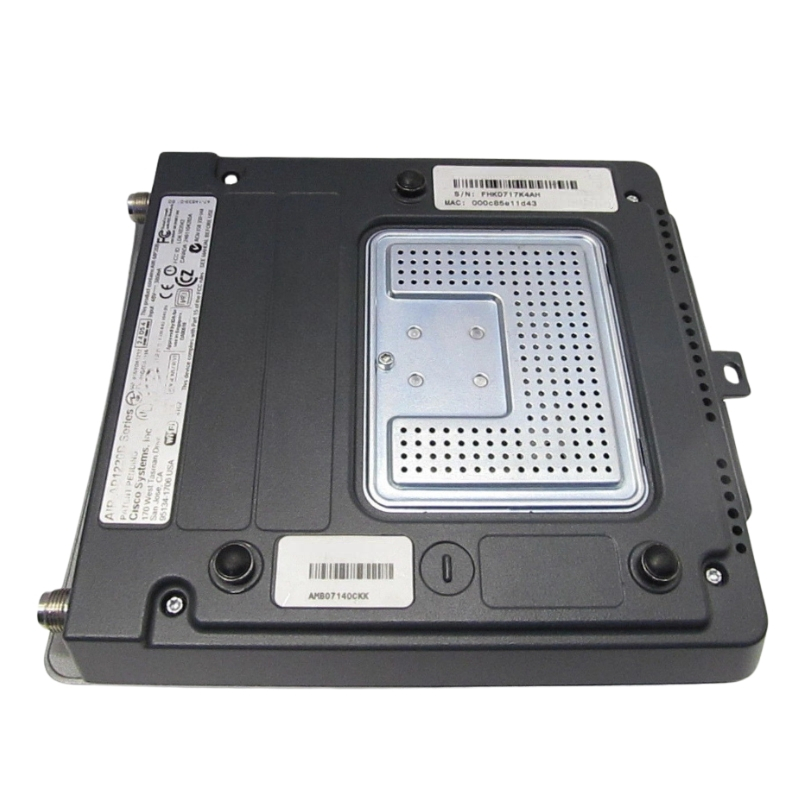
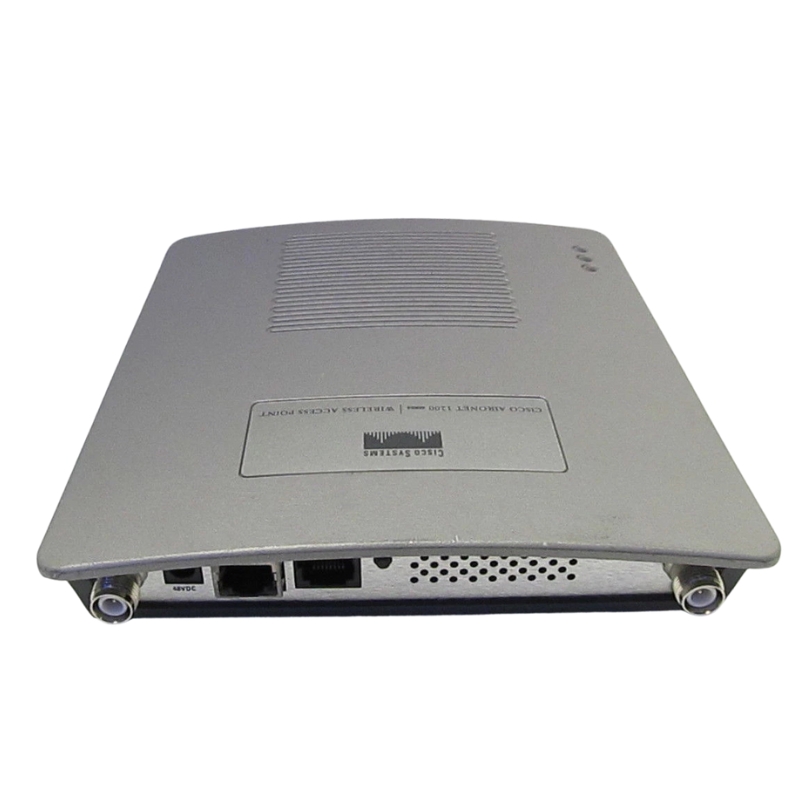
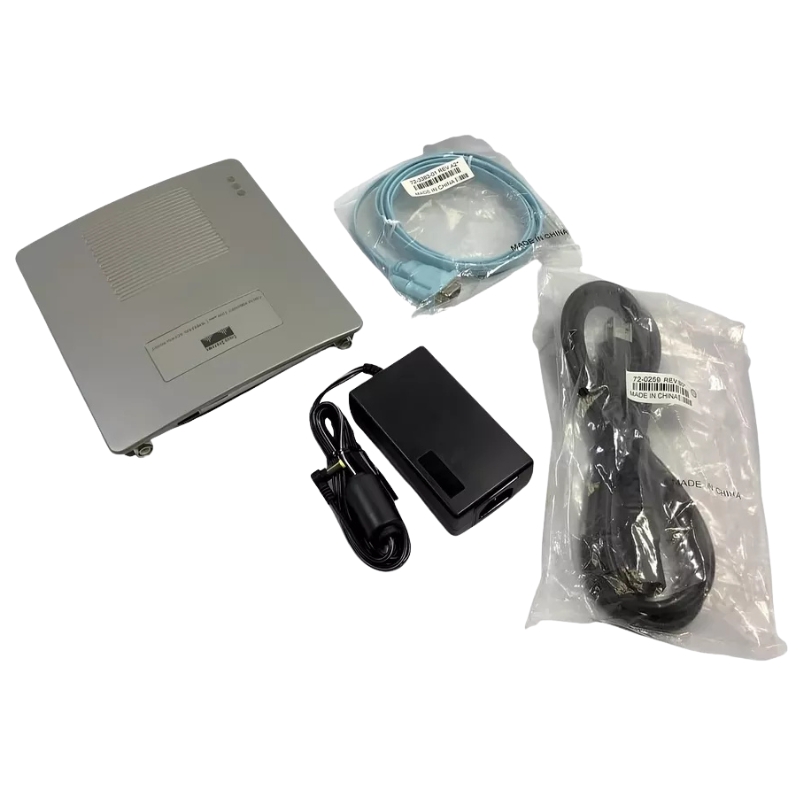
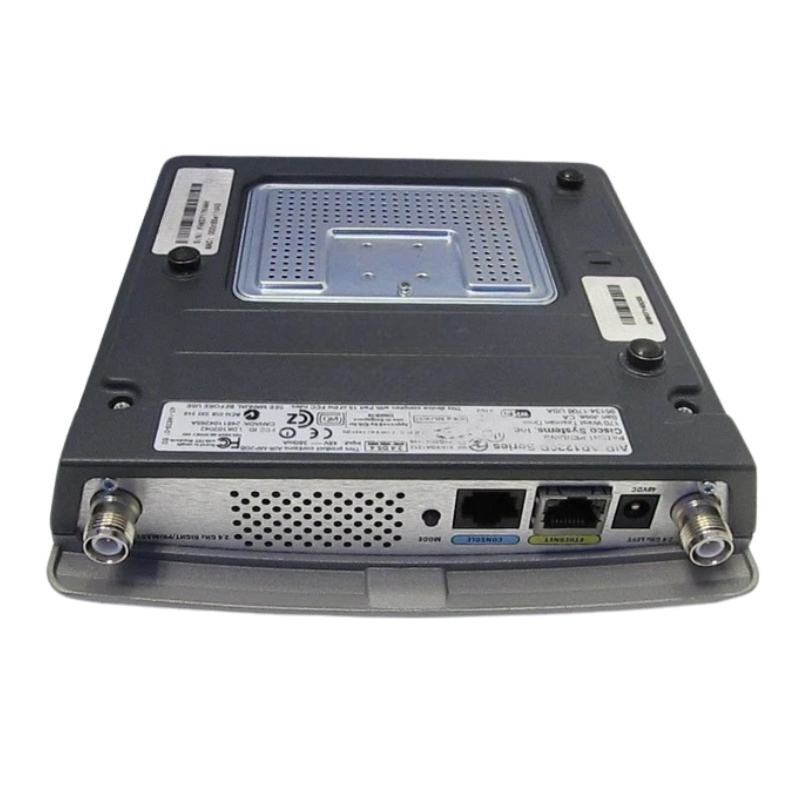
Cisco AIR-AP1232AG-A-K9 Aironet 1232AG Wireless Access Point. Factory-Sealed New in Original Box (FSB) with 1 year replacement warranty
| SKU/MPN | Warranty | Price | Condition | You save |
|---|---|---|---|---|
| AIR-AP1232AG-A-K9 | 1 Year Warranty | $110.00 | Factory-Sealed New in Original Box (FSB) | You save: $38.50 (26%) |
| AIR-AP1232AG-A-K9 | 1 Year Warranty | $75.00 | Excellent Refurbished | You save: $26.25 (26%) |
The Cisco AIR-AP1232AG-A-K9 Aironet 1232AG Wireless Access Point is engineered to deliver dependable dual‑band 802.11a/b/g connectivity, offering stable indoor and outdoor performance for enterprise, commercial, and institutional environments. Designed for secure communication, flexible deployment, and consistent throughput, it provides reliable coverage across a wide range of professional networking applications.
The Cisco AIR-AP1232AG-A-K9 Aironet 1232AG Wireless Access Point is a dual-band enterprise wireless networking device engineered to deliver stable and scalable connectivity across complex business environments. Built on a modular radio architecture, this access point supports both 2.4 GHz and 5 GHz frequency bands, enabling flexible deployment scenarios in mixed-density wireless networks. Its design reflects the requirements of early enterprise Wi-Fi infrastructures while maintaining compatibility with a wide range of wireless clients and legacy networking systems.
The internal structure of the device integrates separate radio modules that independently manage signal transmission and reception across both frequency spectrums. This separation allows for optimized traffic distribution, reducing interference while improving overall throughput. The hardware is designed to support enterprise-grade workloads, including data transfer, voice communication, and early-stage multimedia streaming applications in controlled environments.
The physical chassis of the Aironet 1232AG series is constructed for durability and long-term deployment in enterprise installations. It is typically designed for mounting on walls, ceilings, or secure network enclosures, making it adaptable for offices, campuses, warehouses, and controlled industrial zones. The enclosure is engineered to protect internal radio components from environmental interference while maintaining efficient heat dissipation during continuous operation.
Internally, the system is built around a network processing architecture that coordinates wireless frame handling, encryption tasks, and signal modulation processes. This ensures that the device can maintain consistent wireless communication even under moderate network load conditions. The hardware is optimized for reliability rather than high-density modern throughput, reflecting its role in foundational enterprise wireless infrastructure.
The dual-band system is one of the defining characteristics of this access point series. The 2.4 GHz radio provides extended coverage and compatibility with older wireless standards, while the 5 GHz radio supports higher performance communication with reduced interference. This dual operation enables network administrators to segment traffic based on device capability and application requirements.
The separation of frequency bands reduces congestion in environments where multiple wireless devices operate simultaneously. This is particularly useful in office environments where legacy laptops, handheld scanners, and early mobile devices coexist with newer wireless hardware. The access point dynamically manages channel allocation to maintain stable communication paths across both spectrums.
The antenna system in the Aironet 1232AG is designed to provide broad coverage with adjustable signal patterns depending on installation configuration. The device typically supports external antenna configurations, allowing administrators to customize coverage based on structural layout and deployment density. This flexibility enables targeted signal distribution in corridors, open office spaces, and segmented floor layouts.
Signal propagation is managed through controlled radiation patterns that help minimize interference from surrounding electronic devices. This is particularly important in dense enterprise environments where multiple access points may operate within overlapping coverage zones. Proper antenna placement ensures balanced signal distribution and reduces dead zones within the coverage area.
The Cisco AIR-AP1232AG-A-K9 supports multiple wireless communication standards, ensuring backward compatibility with legacy infrastructure while maintaining interoperability with more modern network systems. It is designed to operate within IEEE 802.11a and 802.11b/g frameworks, allowing seamless integration into mixed-generation wireless environments.
This compatibility makes it suitable for organizations transitioning from older wireless systems to more advanced infrastructure. The access point acts as a bridging component, ensuring that older devices remain functional while newer equipment benefits from improved performance characteristics of the 5 GHz band.
At the network layer, the device handles packet forwarding, authentication processes, and traffic segmentation. It communicates with wireless controllers and network switches to ensure that data is routed efficiently across the enterprise infrastructure. This coordination allows for centralized management of wireless policies and access control configurations.
The access point supports standard network encapsulation methods that allow seamless transmission of data between wireless clients and wired backbone systems. This ensures consistent communication flow across hybrid network architectures that combine wired and wireless connectivity.
Security in the Aironet 1232AG is managed through enterprise authentication protocols designed to control access to wireless networks. The system supports encryption mechanisms that protect data integrity during transmission between client devices and network endpoints. These security measures are essential for preventing unauthorized access in shared network environments.
Authentication workflows are typically integrated with centralized directory services, allowing administrators to enforce user-level access policies. This ensures that only authorized users can connect to the wireless network, maintaining operational integrity in business-critical environments.
The Cisco AIR-AP1232AG-A-K9 is commonly deployed in enterprise environments where stable wireless connectivity is required across moderate-density user groups. It is particularly effective in office buildings, educational institutions, healthcare facilities, and light industrial environments where consistent connectivity is more important than ultra-high throughput.
In office environments, the device supports everyday business applications such as email communication, document transfer, and intranet access. In educational environments, it enables wireless connectivity for classroom devices, administrative systems, and campus-wide communication networks.
In campus deployments, multiple units of the Aironet 1232AG can be strategically placed across buildings to ensure continuous wireless coverage. The device’s ability to integrate with centralized wireless management systems allows administrators to coordinate channel distribution and minimize interference between adjacent access points.
Multi-floor deployments require careful planning of signal overlap and attenuation. The access point’s adjustable antenna configurations support vertical and horizontal coverage balancing, ensuring consistent connectivity across different structural levels.
In industrial environments, the access point supports connectivity for handheld scanning devices, inventory management systems, and operational monitoring tools. The durability of the hardware allows it to function in environments with moderate environmental stress, such as temperature variation and structural interference.
Warehouse deployments benefit from the device’s ability to maintain stable connections across large open spaces. Strategic placement ensures that mobile devices used in logistics operations remain continuously connected to central inventory systems.
The configuration system of the Aironet 1232AG is designed to support centralized management through wireless controllers and network management platforms. This allows administrators to define network policies, configure radio settings, and monitor performance metrics from a unified interface.
Configuration parameters include channel selection, power adjustment, authentication settings, and client access controls. These parameters are essential for maintaining optimal network performance in environments with multiple access points operating simultaneously.
Radio frequency optimization is a key aspect of deploying this access point effectively. Proper channel planning reduces interference and ensures that each device operates within an optimized frequency range. This is particularly important in environments where multiple wireless systems coexist.
Power adjustment settings allow administrators to control signal strength based on coverage requirements. Lower power levels reduce interference in dense deployments, while higher power levels extend coverage in open environments.
The device supports traffic prioritization mechanisms that allow critical applications to receive higher transmission priority. This ensures that latency-sensitive applications such as voice communication and real-time data systems maintain stable performance even during peak network usage.
Quality management systems help regulate bandwidth distribution among connected devices. This prevents network congestion and ensures consistent performance across all active wireless sessions.
The operational performance of the Cisco AIR-AP1232AG-A-K9 is influenced by environmental conditions, client density, and network configuration. While not designed for modern high-throughput demands, it provides stable and predictable performance in controlled enterprise environments.
The dual-band architecture allows for balanced traffic distribution, reducing the likelihood of congestion in heavily used frequency ranges. This contributes to consistent connectivity for connected devices, even during simultaneous data transmission events.
Latency control is achieved through efficient packet processing and optimized routing within the access point’s internal architecture. The system prioritizes timely delivery of data packets, ensuring smooth communication between clients and network services.
Throughput performance is dependent on client distribution and environmental interference. Proper deployment planning ensures that available bandwidth is effectively utilized across all connected devices.
Physical obstructions, electromagnetic interference, and structural materials can affect signal stability. The access point is designed to mitigate these challenges through adaptive signal processing and flexible antenna configuration options.
Careful placement and network planning are essential to maximize coverage and minimize performance degradation in challenging environments.


 Contact Us
 Information
 Catalog
 Solid State Drives (SSD)
 Network Switches
 Hard Disk Drives
 HBA & Controllers
 PC & Servers
 PC & Server Memory
 CPU & Processors
 Network Routers
 Power Supplies
 Tape Drives & Libraries
 Network Devices
 Computer & Network Cables