(7% discount is applied at checkout)
Cart is empty
Your go-to destination for cutting-edge server products
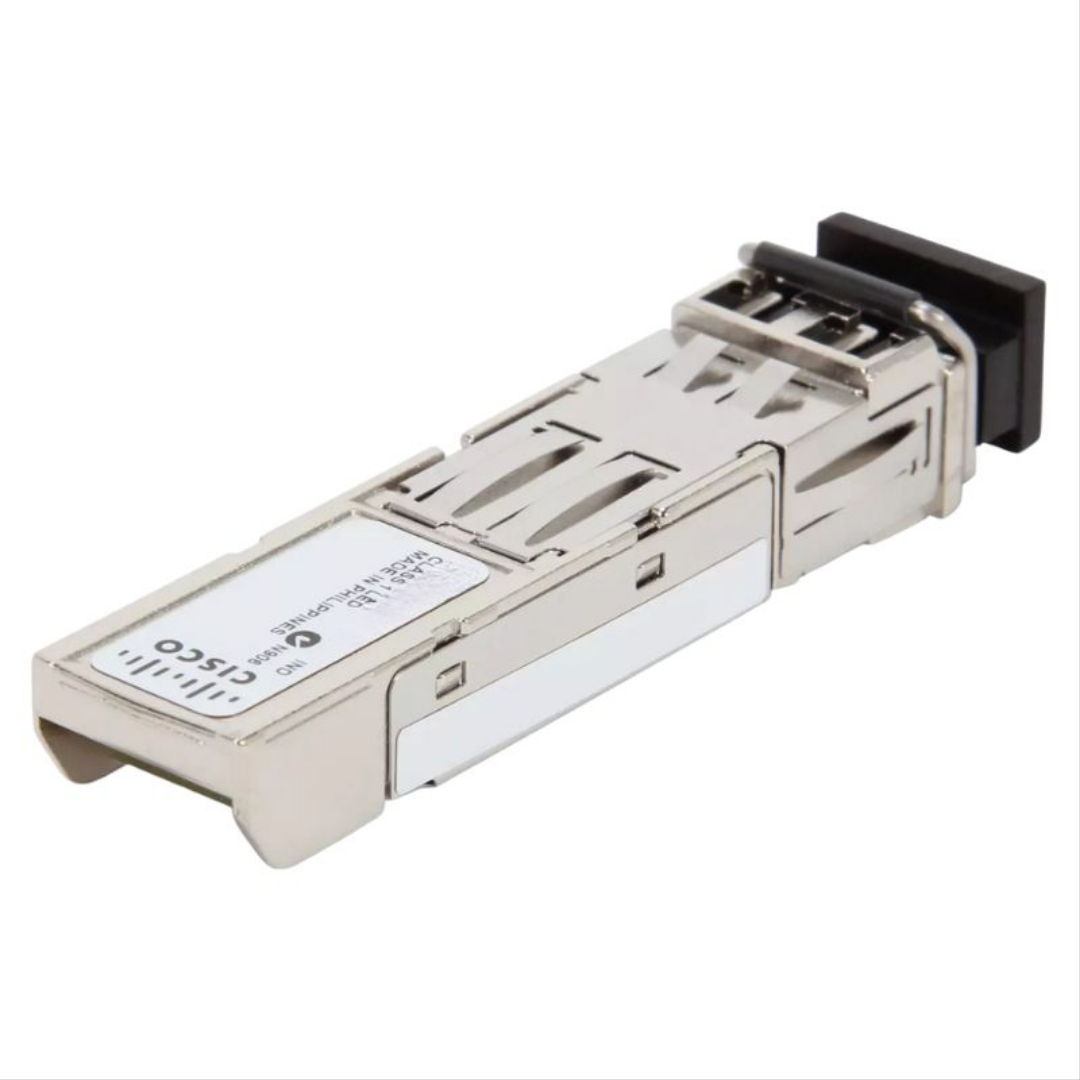


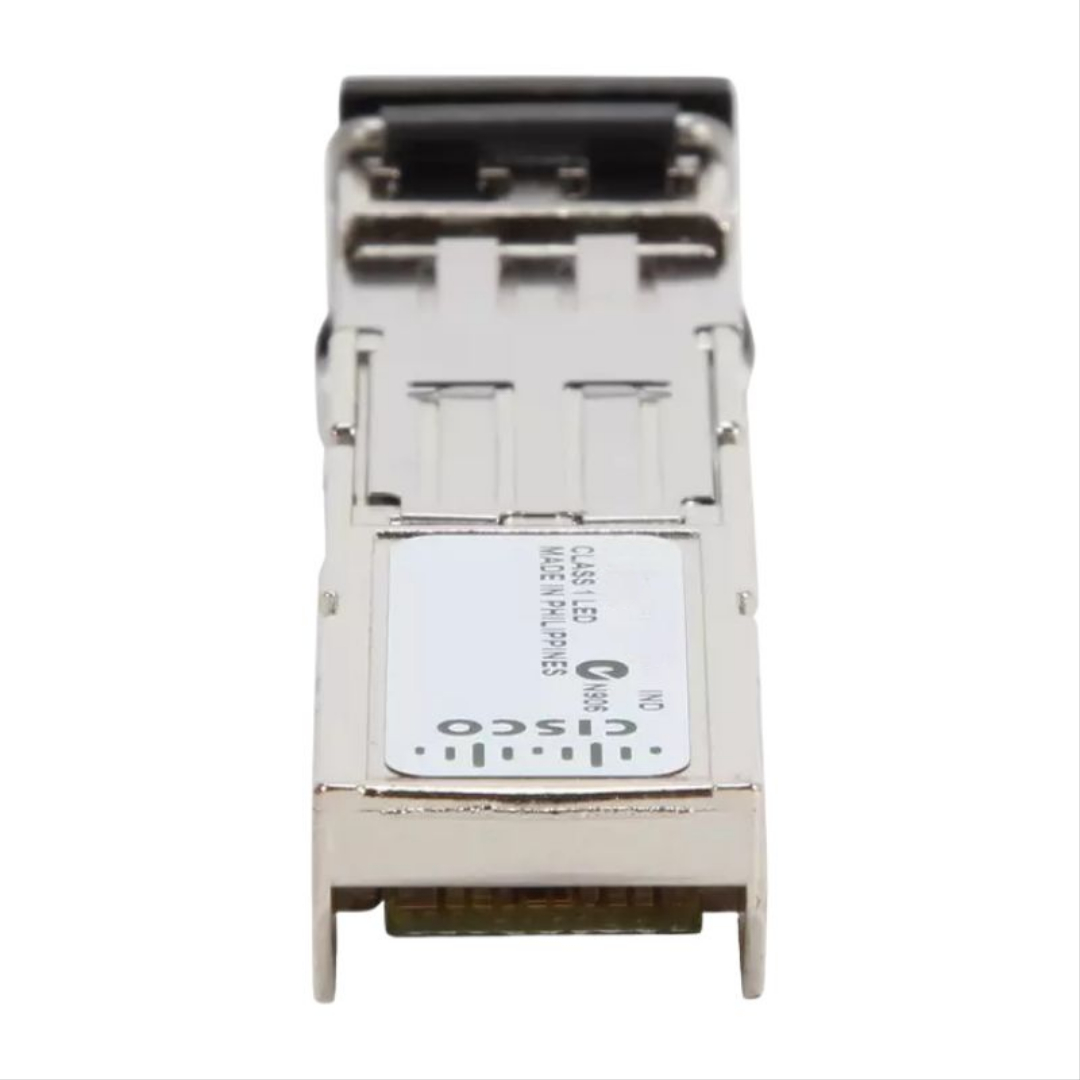
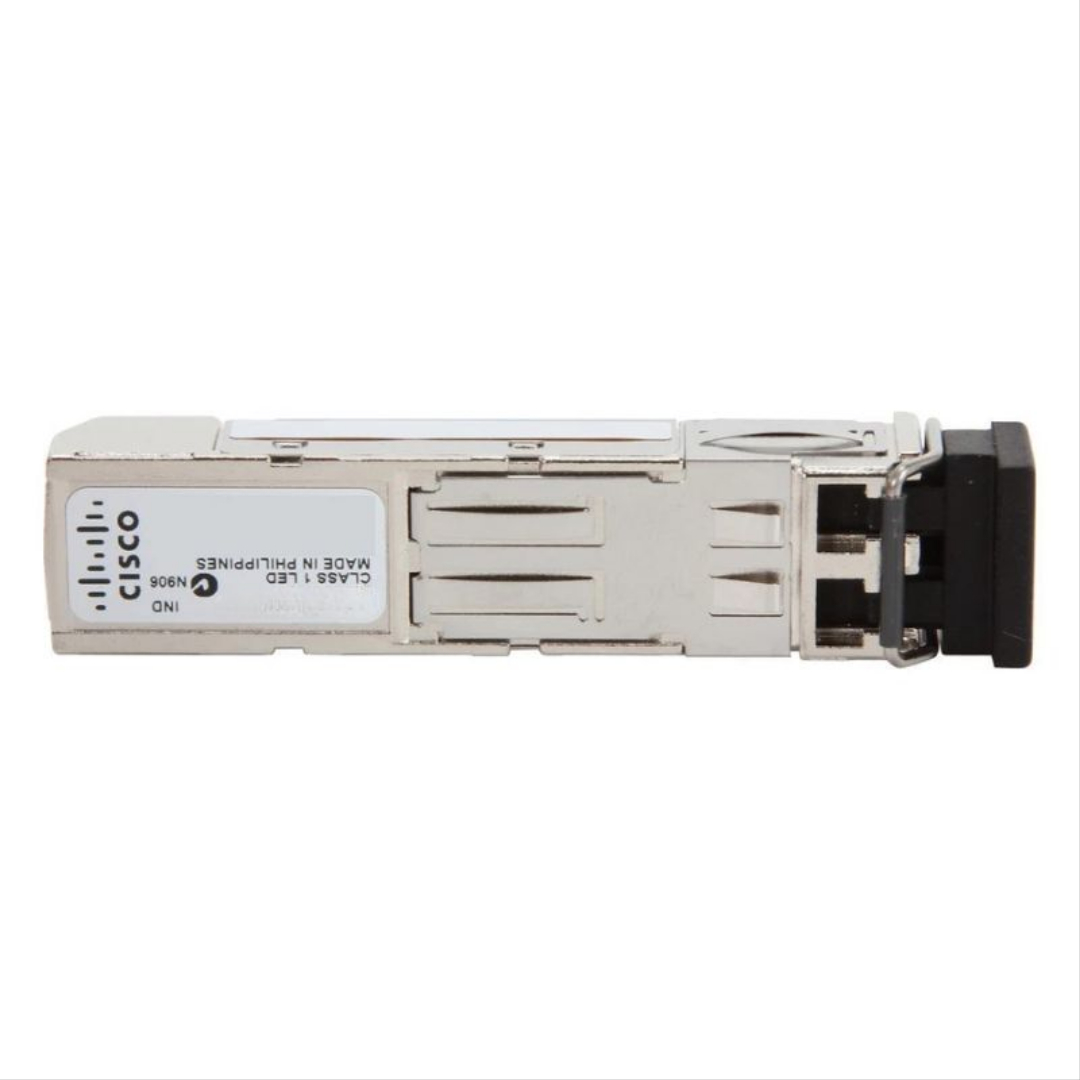
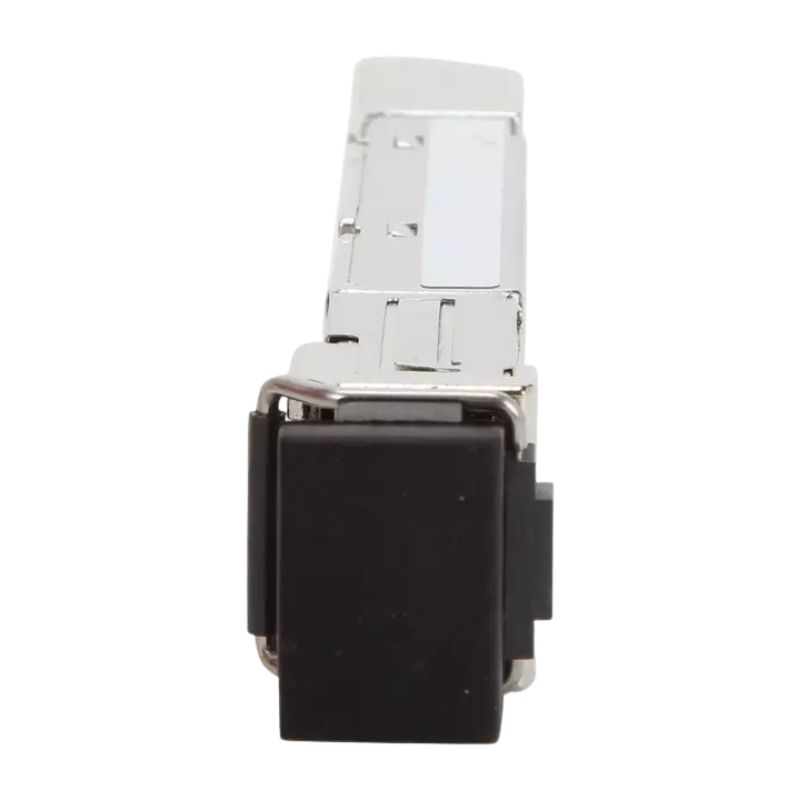
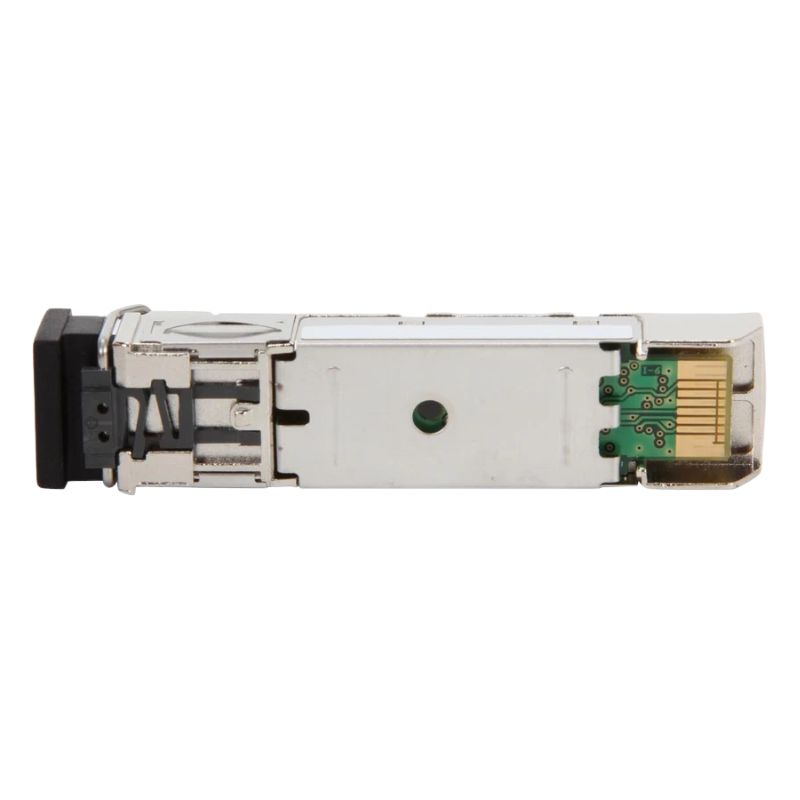
Cisco GLC-FE-100LX-RGD= Rugged SFP (mini-gbic) Transceiver Module - LC Single Mode. Factory-Sealed New in Original Box (FSB) with 1 year replacement warranty
| SKU/MPN | Warranty | Price | Condition | You save |
|---|---|---|---|---|
| GLC-FE-100LX-RGD= | 1 Year Warranty | $222.00 | Factory-Sealed New in Original Box (FSB) | You save: $77.70 (26%) |
| GLC-FE-100LX-RGD= | 1 Year Warranty | $196.00 | Excellent Refurbished | You save: $68.60 (26%) |
The Cisco GLC-FE-100LX-RGD= is a rugged SFP (Mini-GBIC) transceiver module engineered for dependable Fast Ethernet fiber connectivity in demanding environments. Built as a plug-in optical module, it supports 100BASE-LX networking over single-mode fiber and uses an LC connector interface for secure, stable links. With a 1310 nm wavelength and a maximum transmission distance of up to 6.2 miles (10 km), this Cisco transceiver is well suited for industrial Ethernet deployments, outdoor networking infrastructure, and long-distance fiber connections where durability and reliable performance are essential.
The Cisco GLC-FE-100LX-RGD= Rugged SFP transceiver module belongs to a specialized category of fiber networking components created for dependable Fast Ethernet communication in harsh and demanding environments. This model is part of Cisco’s rugged optical transceiver family and is engineered for networks that need stable 100BASE-LX optical transmission over single-mode fiber with an LC interface. As a mini-GBIC module, it delivers the flexibility of a compact pluggable optic while supporting industrial and enterprise edge deployments where temperature resilience, reliable signal integrity, and long-distance fiber connectivity are critical to daily operations.
Unlike ordinary office-network optics designed mainly for climate-controlled wiring closets and conventional campus switch rooms, the Cisco GLC-FE-100LX-RGD= addresses the needs of environments where dust, vibration, fluctuating temperatures, remote equipment placement, and continuous uptime expectations all influence hardware selection. The rugged nature of this transceiver category makes it highly relevant for industrial Ethernet, transportation systems, utility networks, outdoor aggregation points, substation communications, manufacturing floors, surveillance infrastructure, and extended enterprise access networks. It supports single-mode fiber operation using a 1310 nm optical wavelength and is associated with 100BASE-LX connectivity for Fast Ethernet links that can extend up to long fiber distances, making it useful where copper limitations make fiber the better transport medium.
This category is especially valuable because many operational networks do not need Gigabit throughput on every link, yet they still demand secure, electrically isolated, interference-resistant, long-reach connectivity between switches, routers, controllers, field devices, and aggregation systems. In these cases, a rugged Fast Ethernet SFP can be the most practical and cost-effective optical building block. The Cisco GLC-FE-100LX-RGD= serves that role by bridging the requirements of industrial durability and Cisco platform compatibility with the convenience of a hot-swappable small form-factor transceiver.
At its foundation, the Cisco GLC-FE-100LX-RGD= is a hot-swappable SFP optical transceiver designed for Fast Ethernet communication over single-mode fiber. It uses an LC optical connector and a 1310 nm wavelength, aligning with the requirements of 100BASE-LX style optical links in Cisco environments. The hot-swappable design allows network teams to insert or replace the module without powering down the host switch or router, which is a major operational advantage in facilities where maintenance windows are limited and continuous connectivity is expected.
The mini-GBIC format provides modularity. Instead of committing to a permanently fixed optical port type on a switch, organizations can populate compatible interfaces with the transceiver type that matches the site’s cabling plant, reach requirement, and application profile. This makes the category especially attractive for mixed environments where one location may need multimode optics for short internal runs while another requires single-mode optics for long outdoor spans. The GLC-FE-100LX-RGD= addresses the single-mode long-reach segment of that broader deployment strategy.
Single-mode fiber support is a major differentiator. Single-mode cabling is often chosen when distance, lower attenuation, and more predictable long-run optical performance are priorities. In industrial campuses, utility corridors, transportation systems, and remote facility interconnections, it is common to encounter fiber runs that go well beyond the practical limits of copper Ethernet. A rugged single-mode SFP enables these connections while also reducing susceptibility to electromagnetic interference, a particularly important advantage in environments with heavy machinery, power systems, motors, radio equipment, or outdoor exposure.
Fast Ethernet optics continue to occupy a meaningful place in industrial and specialized enterprise networks. Although Gigabit and multi-gigabit links dominate modern data center and core switching conversations, access-layer and machine-network environments often have different priorities. Deterministic connectivity, compatibility with existing equipment, and low-power operation can be more important than increasing throughput for devices that exchange control data, telemetry, monitoring information, or moderate video streams.
The Cisco GLC-FE-100LX-RGD= supports 100BASE-LX optical transport, which is appropriate for networks built around Fast Ethernet interfaces. This makes it relevant for older but still active switching platforms, industrial Ethernet deployments, and specialized operational technology networks where 100 Mb links remain standard. In those environments, the objective is not to overspecify the link but to deploy a stable, standards-aligned optical module that matches the capability of the host equipment and the practical needs of the application.
Fast Ethernet fiber links are often found in utility substations, industrial production lines, building automation systems, outdoor cabinet networks, security systems, and distributed control architectures. The rugged SFP category supports these deployments by combining the reach of optical networking with a form factor small enough for compact switches and routers deployed near the edge. The GLC-FE-100LX-RGD= therefore represents not a legacy compromise, but a targeted solution for operational networks where Fast Ethernet remains entirely appropriate.
The word rugged in the Cisco GLC-FE-100LX-RGD= is not a marketing detail; it is central to the value of the module category. Rugged optical transceivers are selected because real-world industrial and outdoor-adjacent deployments can expose networking equipment to environmental conditions far beyond those found in a standard office building. Temperature swings, equipment vibration, particulate exposure, and the need for round-the-clock service all influence transceiver reliability. A rugged module is chosen to help preserve link stability under these conditions.
In practical deployment terms, this rugged classification makes the transceiver well suited for industrial switching platforms located in factory cabinets, roadside communication shelters, power and water facilities, warehouse mezzanines, transportation control points, and remote access nodes. Such locations may not have consistent climate control, and they often place greater stress on electronic components than indoor enterprise data rooms. Using a rugged SFP helps align the optical module with the environmental design philosophy of industrial Ethernet switches and routers.
Environmental suitability is especially important when fiber links carry traffic that supports control systems, monitoring platforms, safety systems, or site-to-site operational communications. In these scenarios, a transceiver failure can disrupt more than general data access; it may interrupt process visibility, security camera transport, sensor communication, or remote equipment management. The rugged transceiver category exists to reduce that risk by providing optics intended for harsher operating conditions.
Industrial networks differ from traditional business LANs because they often connect physical infrastructure, field devices, automation systems, and edge control equipment rather than only user workstations and servers. That difference changes how network hardware is evaluated. Reliability under non-ideal conditions becomes just as important as protocol compatibility. A rugged SFP like the Cisco GLC-FE-100LX-RGD= supports that operational requirement by offering a pluggable optical interface that can participate in industrial Ethernet topologies without becoming the weak link in the design.
For example, a manufacturing plant may have a fiber uplink between a control room switch and a floor-level industrial switch that serves robotic equipment, programmable controllers, or inspection stations. A transportation operator may need fiber connectivity between trackside communications cabinets and a central control facility. A utility provider may require optical links between substation switches, monitoring systems, and remote telemetry nodes. In each of these cases, the network edge can experience physical conditions that justify a rugged optical component rather than a conventional office-grade optic.
Another factor is service continuity. Industrial networks often support operations that cannot tolerate casual interruptions. Planned downtime may be rare, and dispatching staff to remote cabinets or field enclosures can be costly and slow. Selecting a rugged transceiver category helps minimize avoidable failures and supports long-term network stability in locations that are difficult to access.
The Cisco GLC-FE-100LX-RGD= is designed for single-mode fiber operation, and that choice directly shapes the kinds of deployments where it delivers the greatest value. Single-mode fiber is commonly used when the link must travel farther than multimode fiber can efficiently support, when signal quality over distance is a priority, or when an organization wants to build a cabling plant suitable for large campuses, inter-building runs, or outdoor infrastructure paths. By pairing a rugged SFP with single-mode fiber, network designers gain both physical resilience and extended optical reach.
Single-mode fiber also helps reduce concerns related to electromagnetic interference and ground potential differences, both of which can affect copper links in industrial and outdoor settings. Fiber provides electrical isolation, which is a major benefit in power facilities, manufacturing plants, and transportation environments where equipment may be distributed across separate structures or exposed to noisy electrical conditions. The GLC-FE-100LX-RGD= fits naturally into these architectures because it brings single-mode optical communication to compatible Cisco Fast Ethernet ports.
In practical design terms, the long-reach nature of single-mode optics simplifies network expansion across sprawling facilities. Instead of relying on intermediate copper extenders or installing additional active equipment simply to overcome cable distance limits, administrators can use fiber backbones and rugged optical modules to connect remote switches more directly. This can streamline architecture, reduce points of failure, and improve long-term maintainability.
The Cisco GLC-FE-100LX-RGD= uses an LC connector interface, which is widely recognized across enterprise, industrial, and telecom-adjacent optical networking environments. LC connectors are compact, secure, and well suited for dense switching hardware where panel space matters. Their small footprint makes them ideal for SFP-based networking because the transceiver itself is designed around high port density and modular flexibility.
LC connectivity also supports easier standardization across mixed network environments. Organizations that already use LC-based patch panels, fiber distribution frames, and structured cabling components can integrate this transceiver into their infrastructure without requiring specialized connector conversions. That matters in large facilities where consistency in fiber termination practices simplifies installation, troubleshooting, spare inventory management, and long-term maintenance.
In industrial networks, the ability to maintain a common connector style across access, aggregation, and distribution layers can reduce complexity for technicians working in both central communications rooms and remote field enclosures. When a rugged SFP uses the same broadly adopted LC optical interface found elsewhere in the network, it becomes easier to deploy standardized patching and replacement practices across the organization.
One of the strongest reasons organizations select an original Cisco transceiver category is platform compatibility. The Cisco GLC-FE-100LX-RGD= is intended for use with Cisco networking equipment that supports compatible 100BASE-X SFP optics. In production environments, compatibility is not just about whether a link lights up; it is about whether the switch or router properly recognizes the module, whether diagnostics and interface reporting behave as expected, whether the device remains within supported deployment parameters, and whether long-term operations remain predictable.
Cisco environments often span multiple switch families, industrial Ethernet platforms, branch routers, and edge aggregation systems. A Cisco-branded rugged SFP provides confidence that the module aligns with Cisco’s design expectations for optics identification, port negotiation behavior, and hardware interoperability within approved systems. This can be especially important in operational networks where change control is strict and troubleshooting must be as straightforward as possible.
Compatibility also affects inventory strategy. Organizations that standardize on Cisco infrastructure may prefer to stock Cisco transceivers so that field replacements are simpler and support teams do not need to evaluate multiple optic vendors during an outage. The GLC-FE-100LX-RGD= belongs to a category that supports this standardization model by offering a rugged optical option for sites where ordinary enterprise optics are not the right fit.
The Cisco GLC-FE-100LX-RGD= is most valuable when deployed in environments that combine Cisco infrastructure, Fast Ethernet optical requirements, and exposure to demanding physical conditions. This makes the module suitable for a wide range of industry-specific and enterprise edge scenarios. In manufacturing, it can be used to connect industrial switches across production halls, packaging lines, testing areas, or warehouse automation zones. In utilities, it can support optical communication between substations, monitoring equipment, remote I/O systems, and centralized management nodes. In transportation, it can connect roadside cabinets, station systems, surveillance endpoints, and operations networks across longer distances than copper would allow.
In commercial facilities and campuses, the transceiver may also support secure and stable building-to-building Fast Ethernet fiber links where the installed infrastructure already uses single-mode fiber and the attached equipment does not require Gigabit bandwidth. This can include access control systems, environmental monitoring networks, security infrastructure, and specialized edge applications. For surveillance networks, a rugged optical link can be useful where cameras, recording equipment, or perimeter switches are spread across large outdoor properties and require stable fiber backhaul.
Another important use case is modernization without total replacement. Many organizations operate mixed-generation environments in which industrial devices, legacy controllers, or specialized systems still communicate over Fast Ethernet. Instead of replacing the entire endpoint ecosystem, the network team can continue using those devices while improving the physical transport layer through rugged single-mode fiber links. The Cisco GLC-FE-100LX-RGD= supports that strategy by giving older or specialized Fast Ethernet interfaces a reliable optical path that fits modern network management practices.
Manufacturing and process automation sites often have network requirements that differ significantly from office environments. Machines, sensors, human-machine interfaces, quality control systems, and plant-floor controllers may all depend on Ethernet communication, but not every device needs high-bandwidth links. What matters more is deterministic behavior, low error rates, and strong resistance to environmental stress. The Cisco GLC-FE-100LX-RGD= fits this space by enabling long-distance fiber connections between industrial switches, control cabinets, and central monitoring infrastructure.
In these environments, fiber can be routed through electrically noisy areas where copper cabling would be less desirable. Long runs between buildings, production cells, and warehouse zones are easier to support with single-mode optics. Rugged construction also aligns with the environmental realities of plant-floor networking, where heat, vibration, and dust may be unavoidable.
Power generation, transmission, water treatment, and utility distribution environments rely heavily on resilient communication networks. Switches and routers may be installed in substations, treatment plants, pumping stations, field cabinets, and remote monitoring locations. In these settings, the Cisco GLC-FE-100LX-RGD= provides a way to create optical Fast Ethernet links that are compatible with rugged network hardware and appropriate for long-distance single-mode cabling.
Fiber is especially attractive in utility networks because of its immunity to electromagnetic interference and its ability to span substantial distances without the same limitations as copper Ethernet. A rugged Cisco optic helps maintain link integrity in places where uptime supports critical public infrastructure. The transceiver category is therefore highly relevant to operational technology teams building secure and dependable communications between field assets and control centers.
Transportation systems often involve distributed communications equipment installed far from traditional office spaces. Rail stations, signaling systems, roadside traffic cabinets, tolling infrastructure, and platform communications all depend on reliable network transport. The Cisco GLC-FE-100LX-RGD= can be used in these types of deployments when the host Cisco equipment supports Fast Ethernet SFP optics and the design calls for single-mode fiber connections over longer distances.
Rugged optical modules are particularly useful in transportation because cabinets may be exposed to temperature changes and continuous operation is usually expected. Surveillance feeds, status telemetry, control communications, and passenger information systems all benefit from stable physical connectivity. Even when the data rates involved do not justify Gigabit optics, the need for ruggedness and long-reach fiber remains strong, which is exactly where this transceiver category becomes valuable.
When evaluating transceiver modules for industrial Cisco environments, organizations often compare original rugged Cisco optics with generic or non-rugged alternatives. While third-party optics may appear similar at the surface level, the rugged Cisco category is designed to address a specific combination of needs: Cisco platform compatibility, industrial environmental resilience, optical standards compliance, and predictable long-term operation within supported network architectures.
Choosing the Cisco GLC-FE-100LX-RGD= can simplify procurement and support planning for teams that already standardize on Cisco networking. It can also reduce uncertainty in environments where hardware approval lists, support contracts, and change control processes require validated component choices. In industrial settings, the added assurance of rugged design is equally important because the transceiver must continue operating under conditions that may be more stressful than those encountered by general-purpose enterprise optics.
Another advantage is lifecycle consistency. Industrial and operational technology networks often remain in service for long periods, and spare parts may need to be stocked for years. Standardizing on a Cisco rugged SFP model helps preserve a known optical baseline across the installed environment. This makes documentation, maintenance training, and spare inventory management more manageable over time.
One of the most important benefits of the Cisco GLC-FE-100LX-RGD= category is its role in reducing avoidable physical-layer issues. In many production environments, downtime is more expensive than the hardware itself. A failed link can interrupt plant visibility, camera feeds, control communication, or site-to-site connectivity. By using a transceiver designed for rugged operation and Cisco compatibility, organizations improve the likelihood that the optical layer remains stable over the long term.
Physical-layer stability matters because so many network troubleshooting efforts eventually trace back to cabling or optics. If a transceiver is not well matched to the environment, intermittent failures, temperature-related instability, or compatibility quirks can create difficult-to-diagnose problems. Selecting a rugged Cisco optic helps reduce these risks and supports a cleaner operational baseline for monitoring, troubleshooting, and incident response.


 Contact Us
 Information
 Catalog
 Solid State Drives (SSD)
 Network Switches
 Hard Disk Drives
 HBA & Controllers
 PC & Servers
 PC & Server Memory
 CPU & Processors
 Network Routers
 Power Supplies
 Tape Drives & Libraries
 Network Devices
 Computer & Network Cables