(7% discount is applied at checkout)
Cart is empty
Your go-to destination for cutting-edge server products
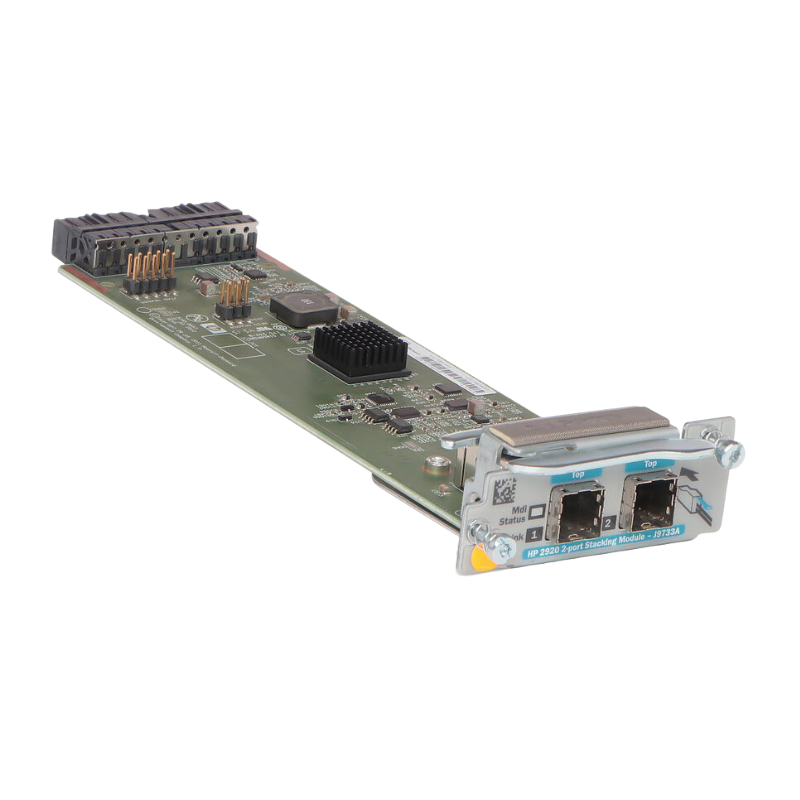


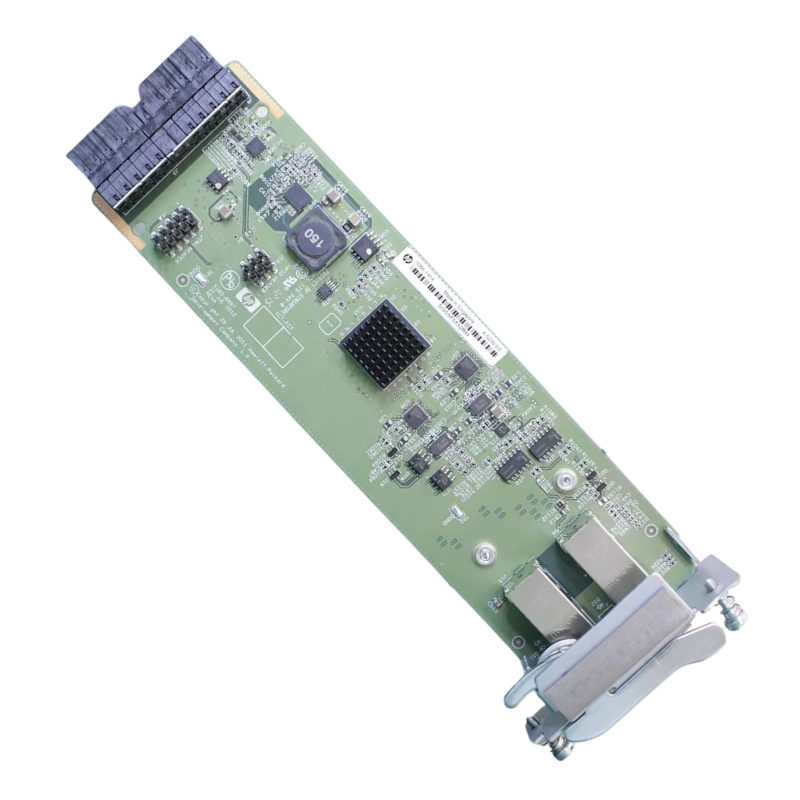
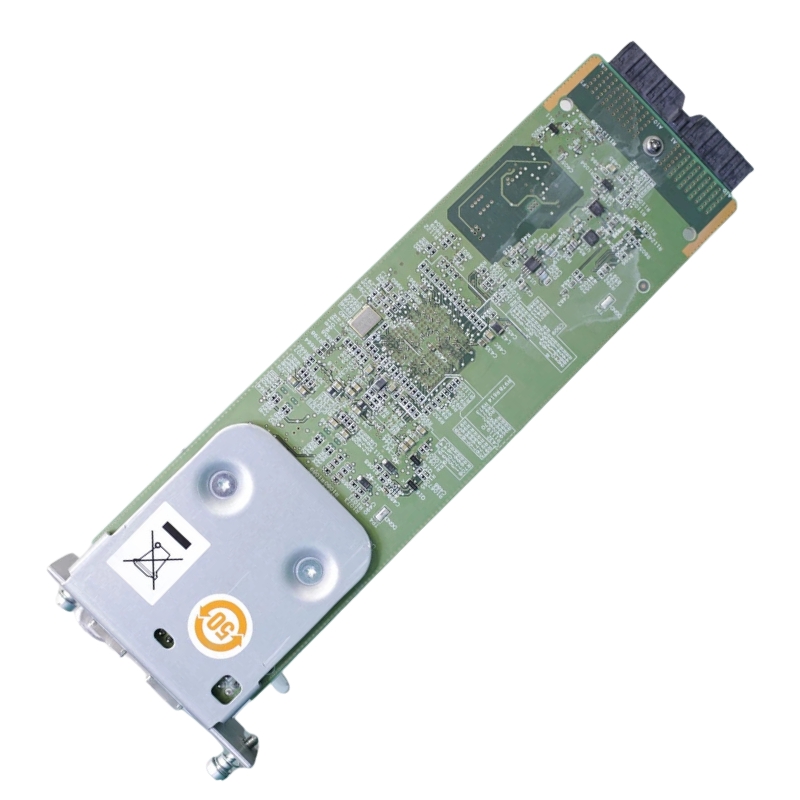
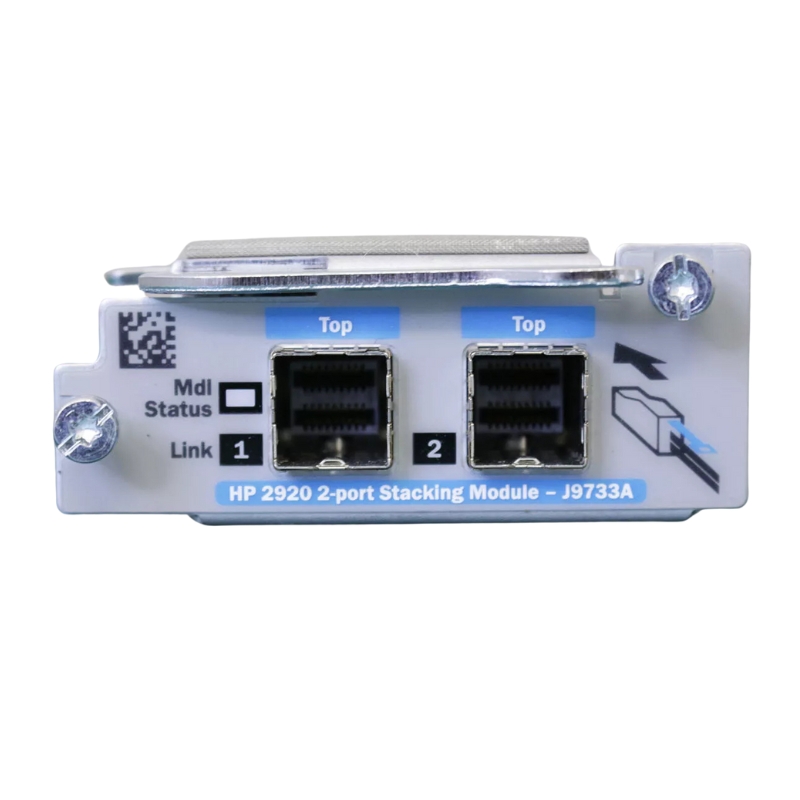
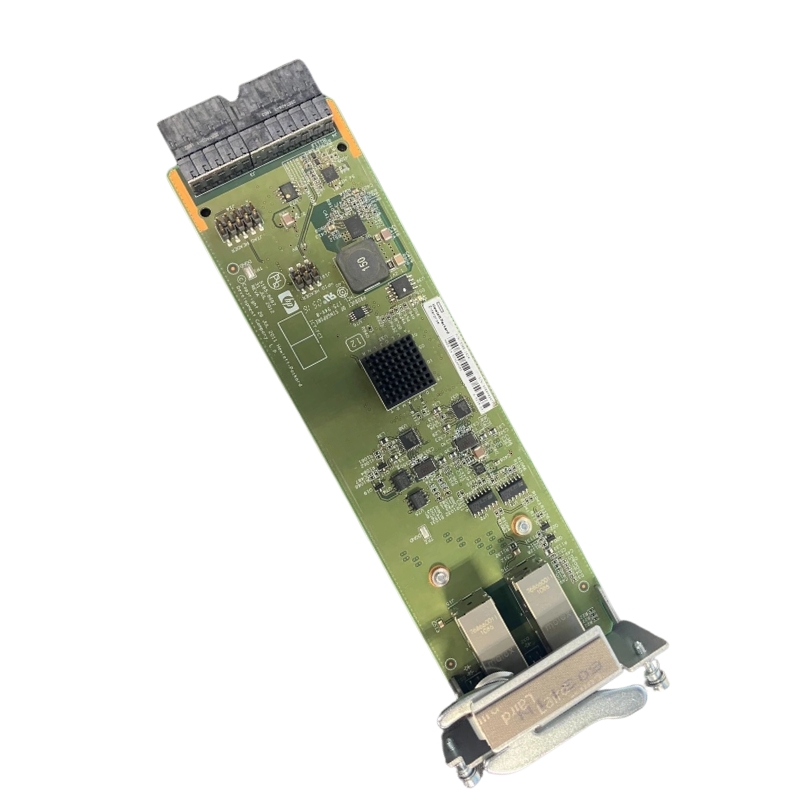
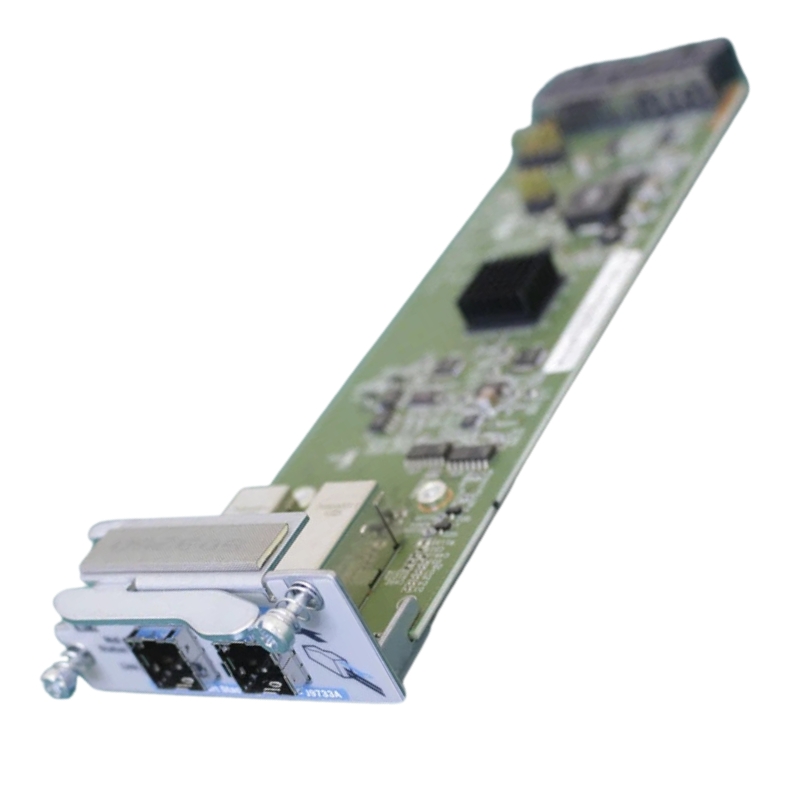
HPE J9733-61001 2920 RJ-45 Gigabit Ethernet Stacking Module with 2 Ports. Excellent Refurbished with 1 year replacement warranty
| SKU/MPN | Warranty | Price | Condition | You save |
|---|---|---|---|---|
| J9733-61001 | 1 Year Warranty | $510.00 | Factory-Sealed New in Original Box (FSB) | You save: $178.50 (26%) |
| J9733-61001 | 1 Year Warranty | $48.00 | Excellent Refurbished | You save: $16.80 (26%) |
The HPE J9733-61001 2920 RJ-45 Gigabit Ethernet Stacking Module is an enterprise-grade plug-in expansion module developed to provide reliable switch stacking capabilities for Aruba 2920 Series switches. Featuring two dedicated RJ-45 stacking ports, this module enables multiple compatible switches to operate as a single logical unit, simplifying network administration, increasing scalability, and improving overall network availability. It is an excellent solution for business networks, campus environments, and growing enterprise infrastructures.
The HPE J9733-61001 2920 RJ-45 Gigabit Ethernet Stacking Module with 2 Ports is engineered to deliver enterprise-class stacking capabilities for modular switch platforms. With dual RJ-45 Gigabit Ethernet ports, this module ensures scalable throughput, reliable integration, and seamless deployment in dense infrastructures. Its architecture supports modern workloads, delivering consistent bandwidth, optimized traffic management, and enhanced flexibility for mission-critical applications across diverse industries.
The stacking module integrates seamlessly with HPE 2920 switch series, providing flexible expansion options. This integration supports advanced traffic management, security features, and high availability. Enterprises benefit from streamlined integration, reduced deployment complexity, and future-ready scalability for evolving networking requirements across enterprise and campus environments with minimal disruption.
Reliability is a key advantage of the HPE J9733-61001. Its robust architecture ensures continuous operation even during hardware failures. Enterprises benefit from minimized downtime, consistent service availability, and enhanced resilience for mission-critical workloads requiring uninterrupted connectivity across diverse environments and global deployments with consistent performance. vanced security mechanisms to safeguard enterprise networks.
With support for RJ-45 copper-based connectivity, the HPE J9733-61001 enables versatile communication across enterprise networks. Its architecture ensures consistent bandwidth for diverse applications. Enterprises benefit from optimized traffic flow, reduced latency, and improved scalability in copper-centric environments where performance consistency is essential for mission-critical workloads and distributed infrastructures.
Quality of Service features allow administrators to prioritize critical applications such as voice and video. The HPE J9733-61001 ensures that latency-sensitive workloads receive dedicated bandwidth, reducing jitter and packet loss. Enterprises achieve improved user experiences, optimized performance, and reliable communication across diverse applications with enhanced control over traffic distribution and prioritization.
Energy-efficient design minimizes power consumption while maintaining high performance. Advanced thermal management ensures safe operating temperatures, reducing the risk of overheating. Enterprises benefit from reduced cooling requirements, improved sustainability, and extended hardware lifespan in high-density environments where efficiency and reliability are critical for long-term operations.
The HPE J9733-61001 provides scalability to meet growing enterprise demands. With dual RJ-45 ports, businesses can expand their networks without significant infrastructure changes. Enterprises achieve cost-effective scaling, ensuring that networking capabilities evolve alongside organizational growth with minimal disruption and consistent performance across diverse workloads.
Reliability is a cornerstone of the HPE J9733-61001 design. Redundant architecture and robust copper connectivity ensure continuous operation even during hardware failures. Enterprises benefit from minimized downtime, consistent service availability, and enhanced resilience for mission-critical workloads requiring uninterrupted connectivity across distributed environments and global deployments.
The HPE J9733-61001 offers deployment flexibility across diverse environments. Its compatibility with HPE modular switch platforms allows seamless integration into enterprise, campus, and branch networks. Enterprises can tailor configurations for redundancy, scalability, or performance optimization, ensuring adaptability to evolving business needs with simplified management and streamlined workflows.
High-density applications such as server farms and backbone connectivity benefit from the HPE J9733-61001’s port density and copper capabilities. Enterprises achieve simplified cabling, reduced infrastructure costs, and improved manageability in environments requiring large-scale device connectivity with consistent performance delivery and reliable throughput across critical workloads.
The HPE J9733-61001 is designed as a future-proof solution, meeting evolving enterprise needs. Its compatibility, scalability, and advanced features ensure relevance as technology advances. Businesses can invest confidently, knowing the stacking module will support networking requirements for years to come across diverse industries with minimal upgrade requirements and enhanced adaptability.
Unified communications platforms benefit from the HPE J9733-61001’s QoS and copper support. Voice and video traffic receive prioritized bandwidth, ensuring clear communication and reduced latency. Enterprises achieve improved collaboration, optimized performance, and reliable connectivity for unified communication systems across global deployments with consistent quality and seamless integration.
Cloud and edge deployments require reliable connectivity and scalability. The HPE J9733-61001 provides dual RJ-45 ports for high-speed cloud integration and edge device connectivity. Enterprises benefit from seamless cloud adoption, reduced latency, and improved efficiency in distributed environments with consistent throughput and reliable performance across diverse workloads.
Manageability features such as centralized monitoring, configuration management, and diagnostics simplify administration. The HPE J9733-61001 ensures that IT teams can efficiently manage large-scale deployments. Enterprises achieve reduced operational overhead, improved visibility, and enhanced control over network infrastructures with streamlined workflows and simplified management processes across complex environments.
The HPE J9733-61001 supports emerging technologies such as IoT and smart devices. Its copper capabilities ensure reliable connectivity, while advanced traffic management provides high-speed performance. Enterprises benefit from future-ready infrastructure, enabling seamless adoption of new technologies without significant upgrades or disruptions across diverse industries and global deployments.
The resilient architecture of the HPE J9733-61001 ensures consistent performance under demanding conditions. Redundant copper connectivity and advanced traffic management features safeguard enterprise networks. Enterprises achieve improved uptime, reduced risk, and enhanced reliability for mission-critical applications requiring continuous availability and consistent performance across distributed infrastructures.
Reliability is a key advantage of the HPE J9733-61001. Its robust architecture ensures continuous operation even during hardware failures. Enterprises benefit from minimized downtime, consistent service availability, and enhanced resilience for mission-critical workloads requiring uninterrupted connectivity across diverse environments and global deployments with consistent performance.
Performance Optimization
Data-intensive workloads such as analytics and cloud applications benefit from the HPE J9733-61001’s copper connectivity and QoS features. Enterprises achieve optimized performance, reduced latency, and improved scalability for workloads requiring consistent bandwidth and reliable communication across distributed environments and mission-critical infrastructures.


 Contact Us
 Information
 Catalog
 Solid State Drives (SSD)
 Network Switches
 Hard Disk Drives
 HBA & Controllers
 PC & Servers
 PC & Server Memory
 CPU & Processors
 Network Routers
 Power Supplies
 Tape Drives & Libraries
 Network Devices
 Computer & Network Cables