(7% discount is applied at checkout)
Cart is empty
Your go-to destination for cutting-edge server products
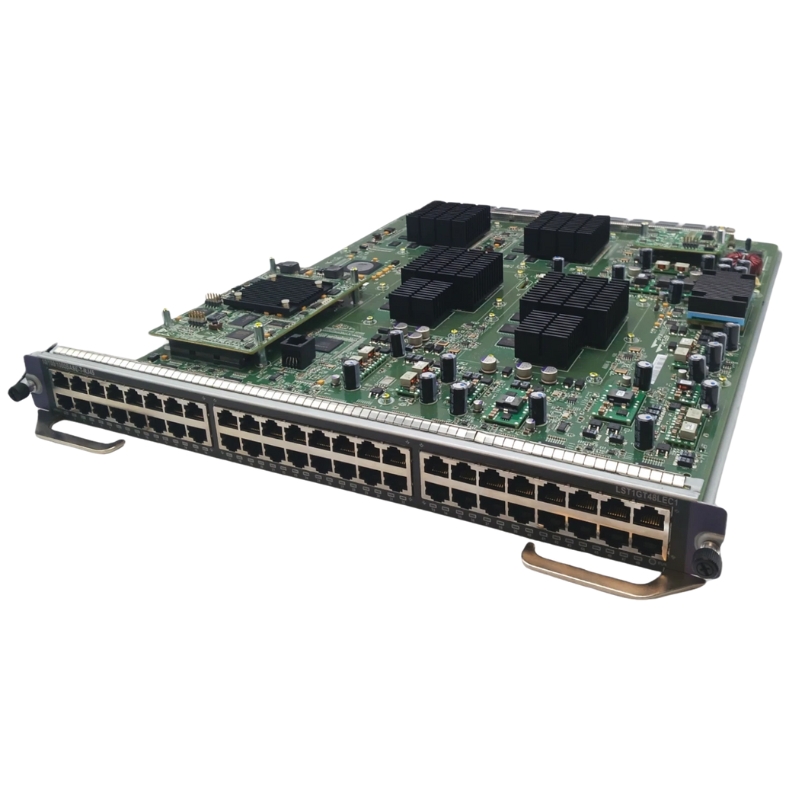


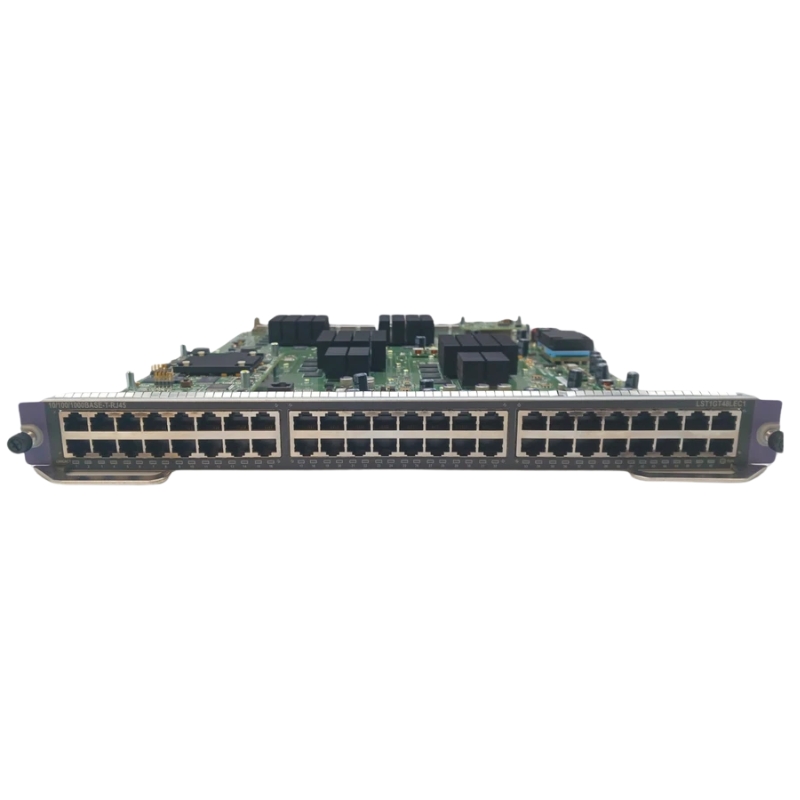
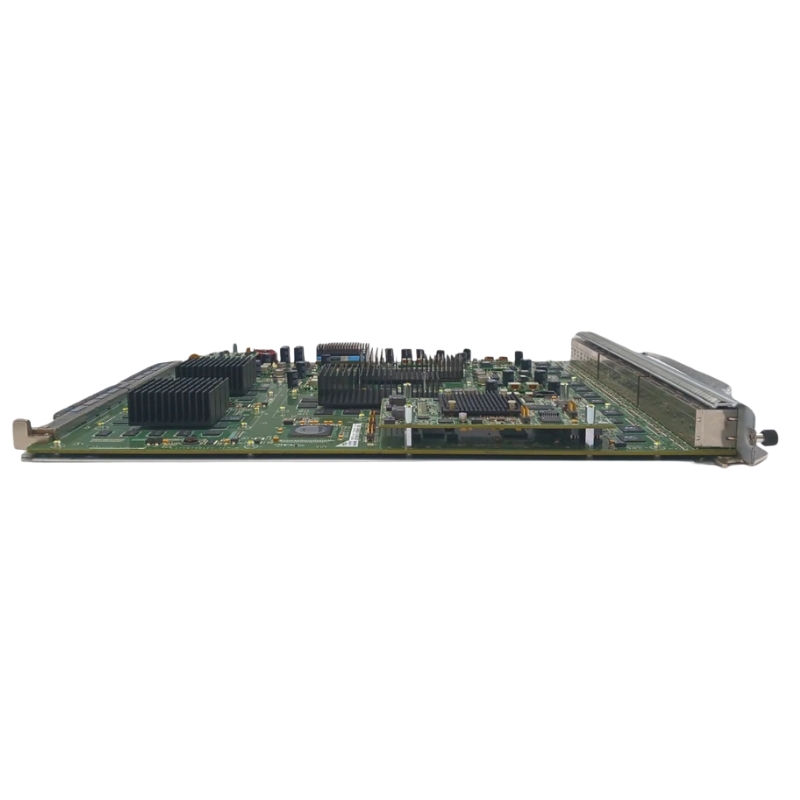
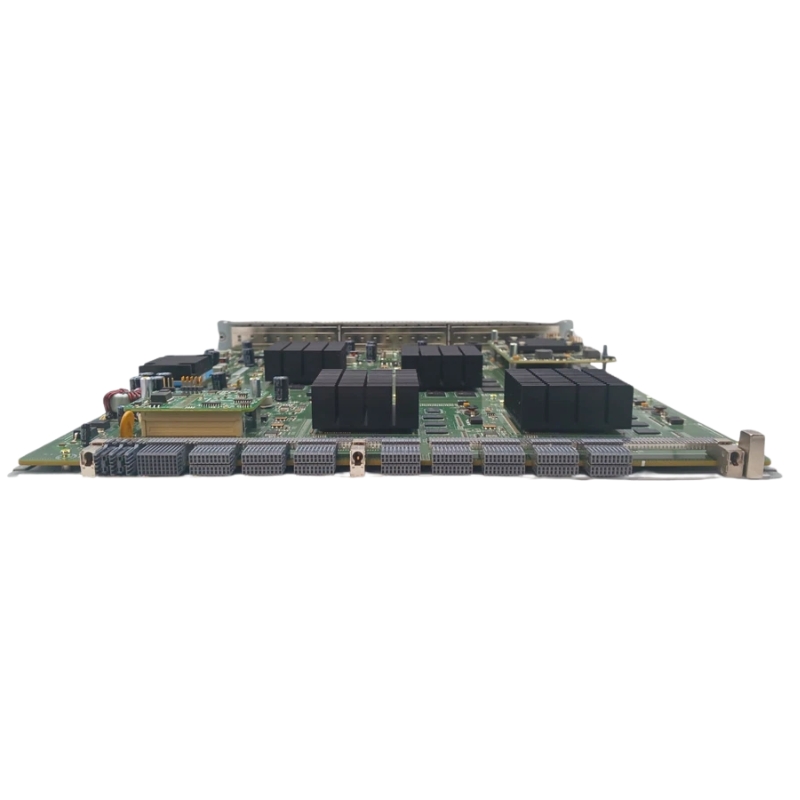
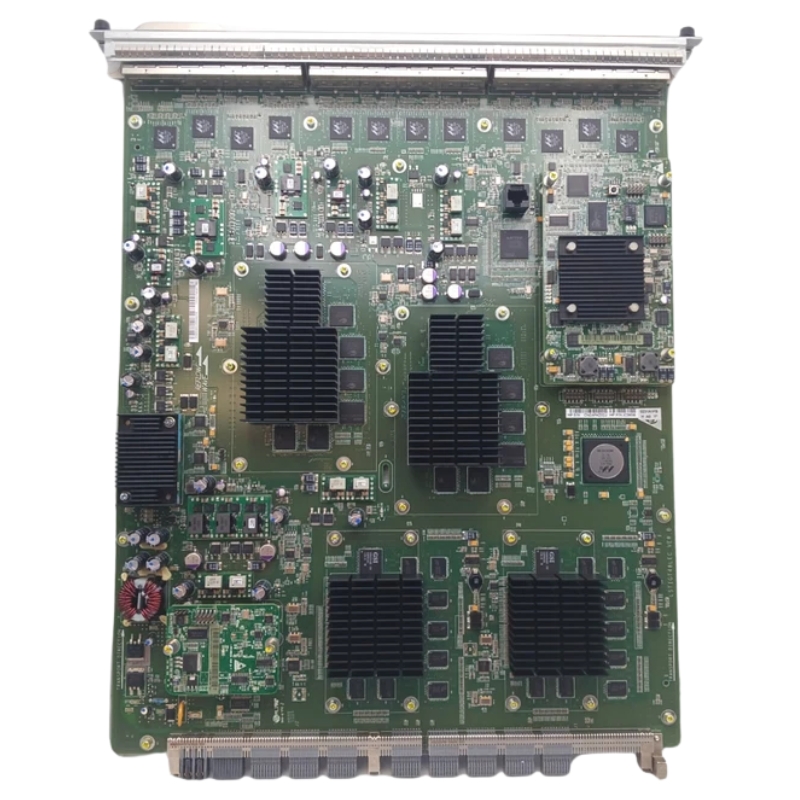
HPE JC065B Procurve 12500 10/100/1000Base-T RJ-45 Gigabit Ethernet LAN 48 Ports Interface Module. Excellent Refurbished with 1 year replacement warranty
The is a high-performance 48-port Gigabit Ethernet interface card engineered to enhance enterprise networking infrastructure. Designed for the HPE Pro Curve 12500 Series switch chassis, this hot-swappable module delivers reliable connectivity, high-speed data transmission, and seamless scalability for demanding business environments.
The HPE JC065B Pro curve 12500 10/100/1000Base-T RJ-45 Gigabit Ethernet LAN 48 Ports Interface Module is a high-density copper interface solution designed for enterprise-class networking environments that demand reliable, scalable, and flexible connectivity. Positioned within the HPE Procurve 12500 switch series ecosystem, this 48-port module delivers Gigabit Ethernet performance over standard RJ-45 connections, making it ideal for organizations that rely on twisted-pair cabling to connect servers, workstations, access points, and other networked devices. As a category, interface modules like the JC065B play a central role in building modular core and aggregation switches, allowing network architects to tailor port density, media type, and performance characteristics to the specific needs of their infrastructure.
This module supports 10/100/1000Base-T operation, enabling automatic negotiation between different speeds and ensuring compatibility with legacy Fast Ethernet devices while providing a clear path to full Gigabit performance. For organizations undergoing gradual network upgrades, the ability to mix older and newer devices on the same interface module is a significant advantage. The JC065B is engineered to integrate seamlessly into the HPE Procurve 12500 chassis, contributing to a resilient, high-throughput switching fabric that can support demanding applications such as unified communications, virtualization, cloud connectivity, and large-scale data transfers. In the broader category of LAN interface modules, this product stands out for its combination of port density, copper-based flexibility, and enterprise-grade reliability.
Gigabit Ethernet RJ-45 interface modules like the HPE JC065B Procurve 12500 are foundational components in modern local area network architecture. They provide the physical access layer where end devices connect to the network core or aggregation switches. By offering 48 ports of 10/100/1000Base-T connectivity, the JC065B enables network designers to consolidate large numbers of user devices and servers onto a single module, simplifying cabling, management, and capacity planning. In enterprise campuses, data centers, and high-density office environments, Gigabit RJ-45 modules are often deployed in wiring closets and core switch chassis to deliver consistent bandwidth and low latency to critical endpoints.
The category of Gigabit Ethernet RJ-45 interface modules is defined by its focus on copper-based connectivity, leveraging existing structured cabling systems such as Cat5e, Cat6, or higher. This makes deployment cost-effective and straightforward, as organizations can reuse their installed cabling while upgrading switching hardware. The JC065B module fits perfectly into this paradigm, offering auto-negotiation and auto MDI/MDI-X capabilities that simplify installation and reduce the need for crossover cables or manual configuration. As part of a modular switch platform, it allows IT teams to scale port capacity incrementally, adding or replacing modules as network demands evolve.
In addition, Gigabit RJ-45 interface modules support a wide range of enterprise applications. From IP telephony and video conferencing to high-speed file sharing and cloud-based services, these modules ensure that each connected device receives sufficient bandwidth and stable connectivity. The JC065B, with its 48-port design, is particularly well-suited for environments where many endpoints must be aggregated efficiently, such as large office floors, branch locations, or departmental networks. Its integration into the HPE Procurve 12500 chassis means that it benefits from advanced switching features, redundancy options, and centralized management capabilities that are essential for mission-critical networks.
The HPE Procurve 12500 series represents a family of high-performance modular switches designed for core and aggregation roles in enterprise networks. Within this family, interface modules such as the JC065B provide the physical connectivity options that define how the switch interacts with the rest of the network. The category of HPE Procurve 12500 interface modules includes copper-based RJ-45 Gigabit modules, fiber-based SFP and SFP+ modules, and specialized interfaces for high-speed uplinks or data center interconnects. The JC065B occupies a key position in this category as a high-density copper module that delivers 48 ports of 10/100/1000Base-T connectivity.
By focusing on modularity, the Procurve 12500 series allows organizations to customize their switch chassis to match specific deployment scenarios. For example, a campus core might combine several JC065B RJ-45 modules for user access with fiber uplink modules for inter-building connectivity. A data center aggregation switch might use a mix of copper modules for server connections and 10GbE or 40GbE modules for backbone links. The JC065B category is therefore closely tied to flexible design, enabling network engineers to balance cost, performance, and scalability by choosing the right combination of interface modules.
The Procurve 12500 interface module category also emphasizes reliability and manageability. Modules like the JC065B are designed to be hot-swappable within the chassis, minimizing downtime during upgrades or replacements. They integrate with the switch’s operating system to support advanced features such as VLAN segmentation, Quality of Service policies, link aggregation, and security controls. As a result, the JC065B is not just a collection of physical ports; it is a key enabler of sophisticated network architectures that can adapt to changing business requirements while maintaining high levels of performance and availability.
The HPE JC065B Procurve 12500 10/100/1000Base-T RJ-45 Gigabit Ethernet LAN 48 Ports Interface Module is suitable for a wide range of use cases in enterprise and institutional networks. One common deployment scenario is in campus core or distribution switches, where the module aggregates connections from multiple access switches or directly from end-user devices. In such environments, the 48-port density allows network teams to connect large numbers of endpoints while maintaining a compact footprint within the chassis. The ability to support 10/100/1000Base-T speeds ensures compatibility with diverse device types, from older desktops to modern IP phones and wireless access points.
Another important use case is in data center aggregation, where the JC065B module can provide copper-based connectivity to servers, storage devices, and management interfaces. Many data centers still rely on RJ-45 connections for certain tiers of their infrastructure, particularly for management networks, backup systems, or legacy applications. The JC065B’s Gigabit performance and integration with the Procurve 12500 chassis make it a reliable choice for these roles. It can be combined with higher-speed fiber modules in the same chassis to create a layered architecture that balances cost and performance.
The module is also well-suited for branch offices and remote sites that require robust connectivity but may not justify separate dedicated switches for every function. By deploying a Procurve 12500 chassis with one or more JC065B modules, organizations can centralize switching functions while providing ample port capacity for local devices. This approach simplifies management and allows IT teams to apply consistent policies across multiple locations. In all of these use cases, the JC065B category emphasizes flexibility, scalability, and compatibility, making it a versatile choice for many network designs.
High-density 48-port Gigabit RJ-45 modules like the HPE JC065B offer several benefits that are particularly valuable in enterprise environments. One of the most significant advantages is the ability to consolidate large numbers of connections into a single module, reducing the number of slots required in the chassis and simplifying cabling management. This can lead to more efficient use of rack space and easier maintenance, as network technicians can quickly identify and access ports within a single module rather than across multiple devices.
Another key benefit is cost efficiency. Copper-based RJ-45 connectivity is generally more affordable than fiber alternatives, both in terms of cabling and transceiver costs. By using a 48-port 10/100/1000Base-T module, organizations can provide Gigabit connectivity to a large number of devices without incurring the higher expenses associated with fiber deployments. This makes the JC065B category particularly attractive for environments where budget constraints are a consideration but performance requirements still demand reliable Gigabit speeds.
High-density modules also contribute to simplified network design. With 48 ports available on a single module, network architects can design straightforward topologies that minimize the number of switches and interconnections required. This can reduce complexity, improve reliability, and make it easier to implement consistent policies such as VLAN assignments, Quality of Service rules, and security controls. The JC065B’s integration with the Procurve 12500 chassis further enhances these benefits by providing centralized management and monitoring capabilities that span all modules within the system.
Within the broader category of HPE Procurve 12500 interface modules, the JC065B belongs to the subcategory of copper-based Gigabit Ethernet LAN modules. This subcategory is defined by its use of RJ-45 connectors and twisted-pair cabling to deliver 10/100/1000Base-T connectivity. Copper-based modules are widely used in enterprise networks due to their cost-effectiveness, ease of deployment, and compatibility with existing cabling infrastructure. The JC065B exemplifies these characteristics, offering 48 ports of Gigabit Ethernet over standard copper cabling.
Copper-based Gigabit modules are particularly well-suited for access and aggregation layers where devices are located relatively close to the switch chassis. The typical reach of copper cabling, up to 100 meters for Cat5e or Cat6, is sufficient for most office and campus environments. This makes the JC065B an ideal choice for wiring closets, server rooms, and data center racks where endpoints are within this distance range. The module’s support for auto-negotiation and auto MDI/MDI-X further simplifies deployment, allowing devices to connect without concern for cable type or manual speed configuration.
In the copper-based Gigabit Ethernet subcategory, reliability and performance are key considerations. The JC065B is designed to deliver consistent throughput and low latency across all 48 ports, even under heavy load. Its integration with the Procurve 12500 chassis ensures that it benefits from advanced switching features and robust hardware design. For organizations that prefer copper connectivity for cost or compatibility reasons, the JC065B category offers a compelling combination of high port density, Gigabit performance, and enterprise-grade reliability.
One of the defining features of copper-based Gigabit Ethernet modules like the HPE JC065B is their compatibility with existing structured cabling systems. Many organizations have invested heavily in Cat5e, Cat6, or higher-grade twisted-pair cabling throughout their facilities. The JC065B’s 10/100/1000Base-T RJ-45 interfaces are designed to work seamlessly with these cabling standards, allowing organizations to upgrade their switching hardware without needing to replace their cabling infrastructure.
This compatibility extends to patch panels, wall jacks, and other components of structured cabling systems. The JC065B module can be connected to existing patch panels in wiring closets, making it easy to integrate into established network layouts. This reduces installation time and minimizes disruption, as technicians can simply move existing patch cables from older switches to the new Procurve 12500 chassis with JC065B modules. For organizations with large or complex cabling systems, this level of compatibility is a significant advantage.
In addition, the JC065B’s support for auto-negotiation ensures that it can adapt to the capabilities of connected devices and cabling. If a device or cable only supports 100 Mbps, the module will automatically adjust to that speed, maintaining connectivity while optimizing performance where possible. This makes the JC065B category particularly flexible, allowing it to serve as a bridge between older infrastructure and newer Gigabit-capable devices without requiring wholesale changes to the cabling system.
The HPE JC065B Procurve 12500 10/100/1000Base-T RJ-45 Gigabit Ethernet LAN 48 Ports Interface Module is designed to integrate tightly with the features and capabilities of the Procurve 12500 chassis. This integration is a key aspect of the module’s category, as it allows the JC065B to leverage advanced switching, routing, and management functions provided by the chassis. For example, the module participates in the chassis’s switching fabric, enabling high-speed forwarding between ports and other modules without bottlenecks.
The JC065B also benefits from the chassis’s redundancy and high availability features. In many Procurve 12500 deployments, redundant supervisor modules and power supplies are used to ensure continuous operation. The JC065B module is designed to operate within this environment, supporting hot-swappable installation and replacement. This means that organizations can add or replace JC065B modules without shutting down the entire chassis, minimizing downtime and maintaining service continuity.
From a management perspective, the JC065B integrates with the Procurve 12500’s centralized configuration and monitoring tools. Network administrators can configure VLANs, Quality of Service policies, security settings, and other parameters across all ports on the module using the chassis’s management interface. This centralized approach simplifies administration and ensures consistent policy enforcement. In the broader category of modular switch interface modules, this level of integration is a key differentiator that enhances the value of the JC065B.
When deploying high-density Gigabit modules like the HPE JC065B, performance considerations are critical. The module’s ability to deliver wire-speed forwarding across all 48 ports depends on the capabilities of the Procurve 12500 chassis backplane and switching fabric. In well-designed deployments, the chassis provides sufficient bandwidth to ensure that traffic can flow freely between ports and other modules without congestion. This is particularly important in environments with high levels of east-west traffic, such as data centers or campus cores.
The JC065B’s support for full-duplex operation and flow control helps maintain performance under varying traffic conditions. Full-duplex mode allows simultaneous transmission and reception on each port, effectively doubling the potential throughput compared to half-duplex operation. Flow control mechanisms can help prevent packet loss during periods of congestion by signaling connected devices to temporarily slow down transmission. These features contribute to stable and predictable performance, which is essential for applications such as voice over IP, video conferencing, and real-time data processing.
Buffering and queue management are also important performance considerations. The JC065B module works in conjunction with the Procurve 12500 chassis to manage packet queues and prioritize traffic based on Quality of Service policies. This allows critical traffic, such as voice or video, to be prioritized over less time-sensitive data, ensuring that performance requirements are met. In the category of high-density Gigabit modules, these performance features are key factors that influence deployment decisions and overall network design.
Scalability is a central theme in the category of HPE Procurve 12500 interface modules, and the JC065B plays a significant role in enabling scalable LAN designs. With 48 ports of 10/100/1000Base-T connectivity, the module provides a substantial amount of capacity within a single chassis slot. Organizations can start with a small number of JC065B modules and add more as their network grows, allowing them to scale port density incrementally without major redesigns.
Future-proofing is another important consideration. While the JC065B focuses on Gigabit Ethernet over copper, it coexists within the Procurve 12500 chassis alongside modules that support higher-speed interfaces such as 10GbE or 40GbE. This allows organizations to design networks that can evolve over time, adding higher-speed uplinks or backbone connections as needed while maintaining copper-based connectivity for access and aggregation layers. The JC065B category therefore supports a layered approach to network design, where different modules serve different roles but work together within a unified chassis.
In addition, the JC065B’s support for standard Ethernet protocols and features ensures that it will remain compatible with a wide range of devices and applications. As new technologies emerge, such as advanced IP-based services or cloud integration, the underlying Gigabit Ethernet connectivity provided by the JC065B will continue to serve as a reliable foundation. This makes the module a sound investment for organizations that want to build networks capable of adapting to future requirements without frequent hardware replacements.
Security and control are essential aspects of any enterprise network, and the HPE JC065B Procurve 12500 10/100/1000Base-T RJ-45 Gigabit Ethernet LAN 48 Ports Interface Module is designed to support robust security features. As part of the Procurve 12500 chassis, the module participates in security policies that can include port-based access control, authentication mechanisms, and traffic filtering. Network administrators can configure each of the 48 ports to enforce specific security rules, such as limiting access to authorized devices or applying VLAN-based segmentation to isolate different user groups or applications.
The JC065B module also supports integration with network access control systems that can authenticate devices and users before granting access to the network. This can include support for protocols such as 802.1X, which allows centralized authentication and authorization. By combining these features with the physical connectivity provided by the RJ-45 ports, the JC065B category enables a secure and controlled access layer that helps protect the network from unauthorized access and potential threats.
Traffic monitoring and logging are additional security and control features that can be applied to the JC065B module. Network administrators can use the Procurve 12500 chassis’s management tools to monitor traffic patterns, detect anomalies, and respond to potential security incidents. This level of visibility is important for maintaining the integrity of the network and ensuring compliance with organizational policies or regulatory requirements. In the broader category of Gigabit LAN modules, the JC065B’s support for security and control features is a key factor that enhances its value in enterprise deployments.
Operational efficiency is a major consideration when deploying high-density modules like the HPE JC065B. With 48 ports on a single module, effective management and monitoring are essential to ensure smooth operation. The JC065B benefits from the Procurve 12500 chassis’s centralized management interface, which allows administrators to configure and monitor all ports from a single console. This includes setting up VLANs, applying Quality of Service policies, configuring security settings, and monitoring port status and performance.
The ability to manage the JC065B module as part of a larger chassis environment contributes to operational efficiency by reducing the time and effort required for routine tasks. For example, administrators can apply configuration templates across multiple ports or modules, ensuring consistency and reducing the risk of errors. They can also use monitoring tools to quickly identify issues such as port failures, cabling problems, or performance bottlenecks. This proactive approach to management helps maintain high levels of service availability and performance.
In addition, the JC065B’s design supports efficient physical maintenance. The module can be installed or replaced without shutting down the entire chassis, allowing organizations to perform upgrades or repairs during normal operations. This minimizes downtime and reduces the impact on users and applications. In the category of high-density Gigabit modules, these operational efficiency features are important factors that influence deployment decisions and contribute to the overall value of the JC065B.


 Contact Us
 Information
 Catalog
 Solid State Drives (SSD)
 Network Switches
 Hard Disk Drives
 HBA & Controllers
 PC & Servers
 PC & Server Memory
 CPU & Processors
 Network Routers
 Power Supplies
 Tape Drives & Libraries
 Network Devices
 Computer & Network Cables