(7% discount is applied at checkout)
Cart is empty
Your go-to destination for cutting-edge server products
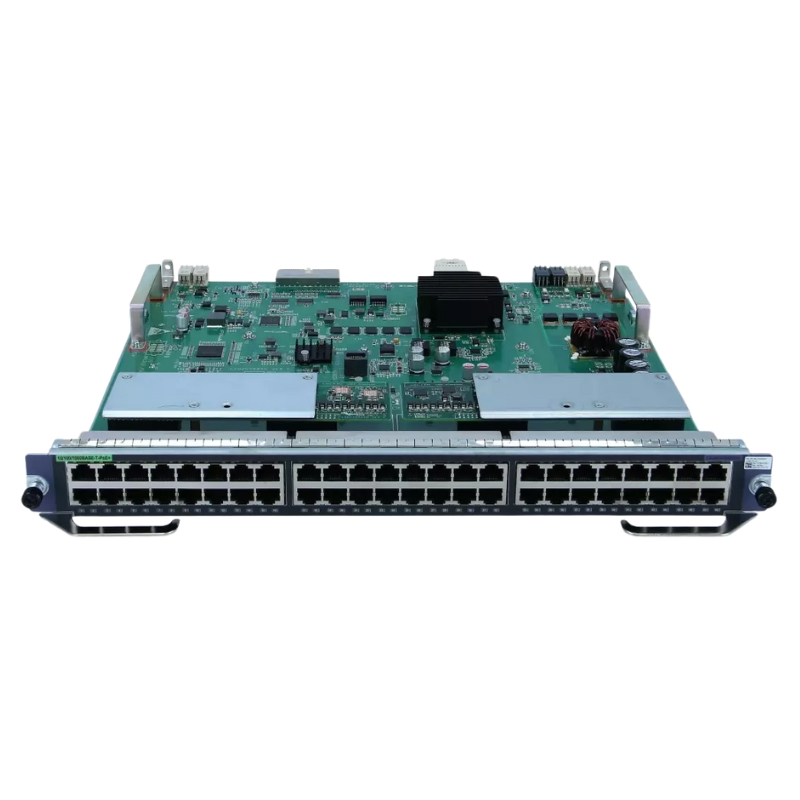


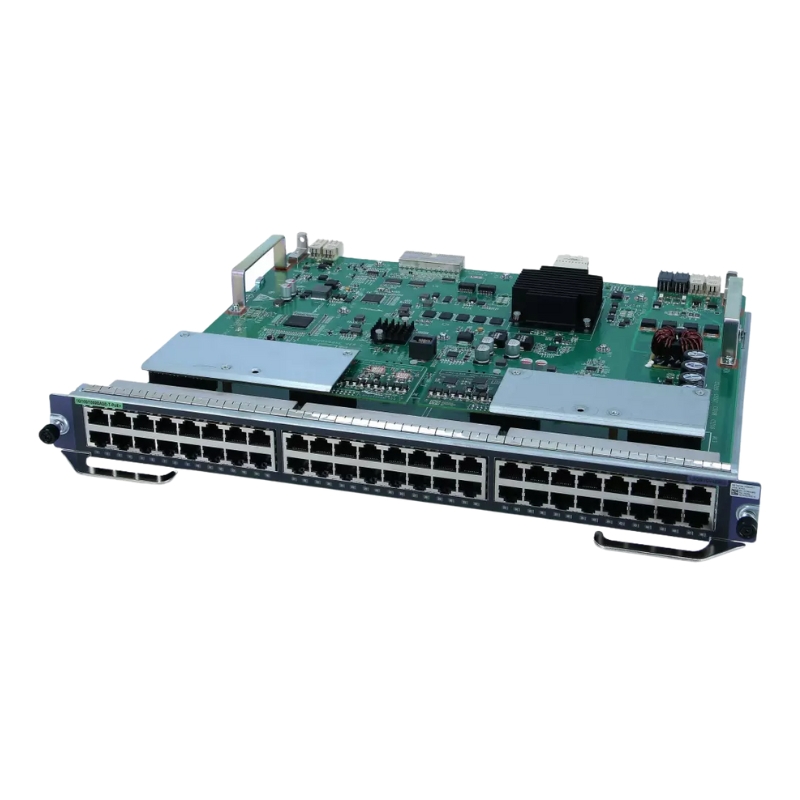
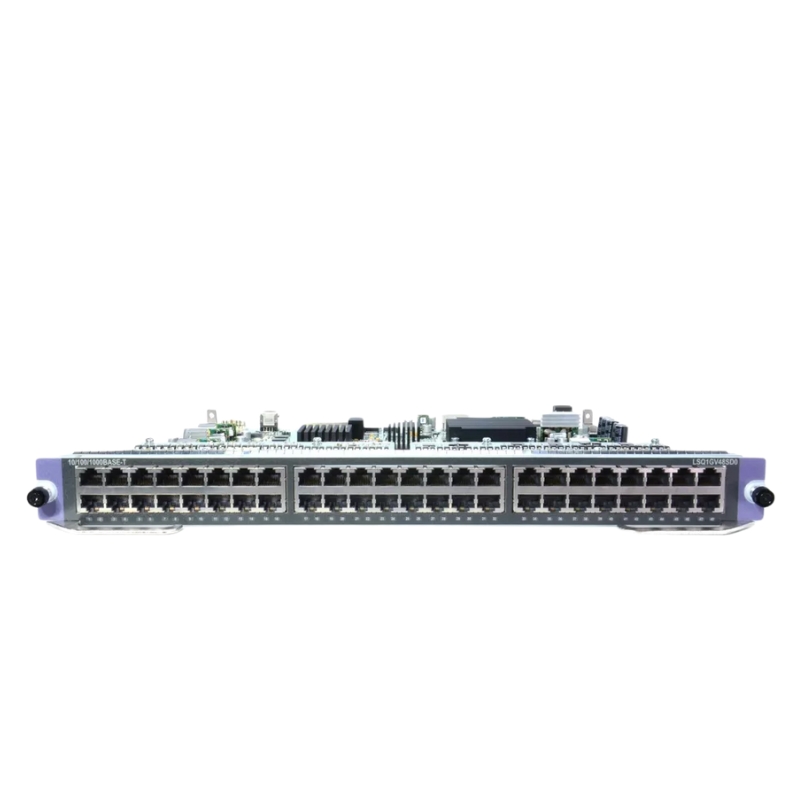
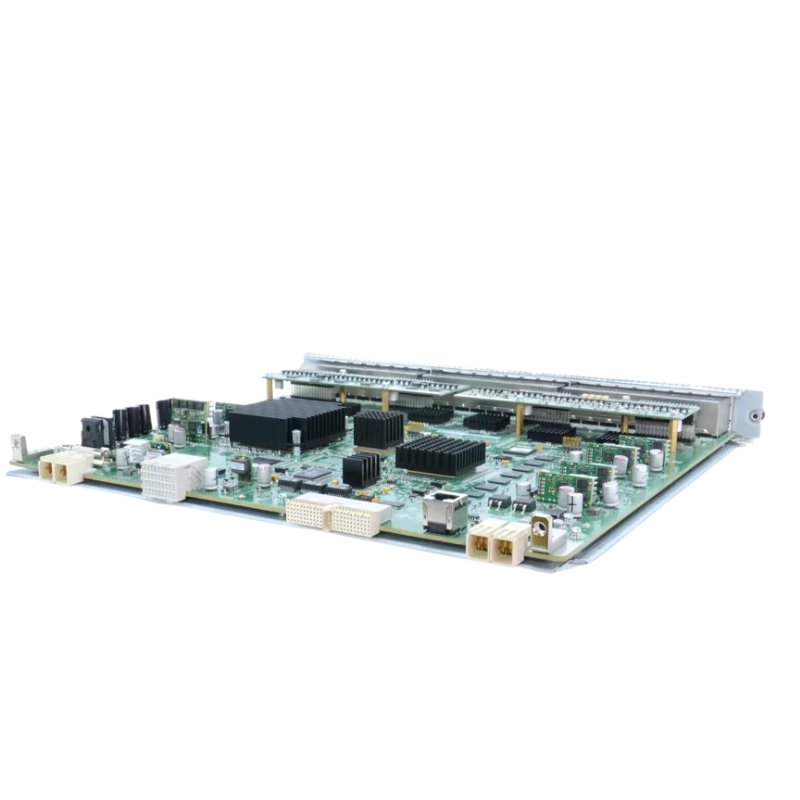
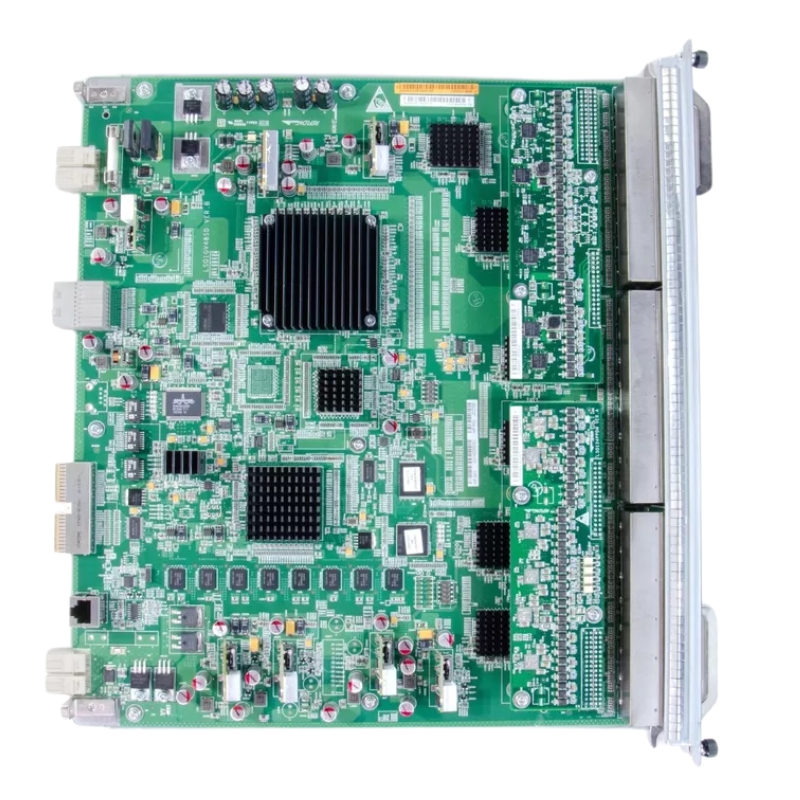
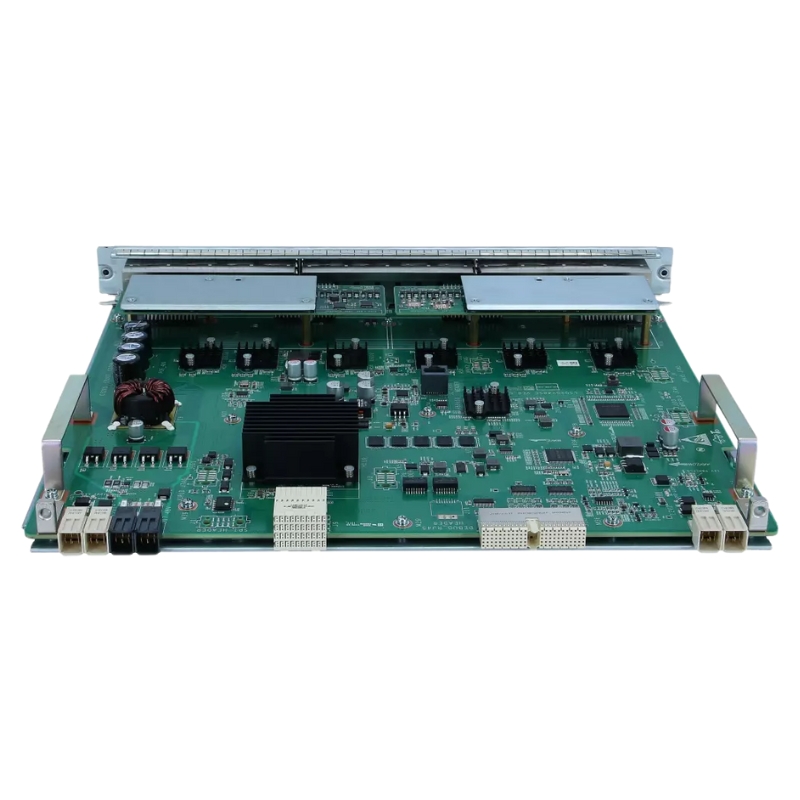
HPE JH213A Flexnetwork 7500 48-port 1000base-t Module. Excellent Refurbished with 1 year replacement warranty
The HPE JH213A FlexNetwork 7500 Series 48-Port 1000Base-T PoE+ SE Module is a high-density switching expansion component engineered for enterprise-grade network environments. Designed to enhance scalability and power delivery, this plug-in module integrates seamlessly into compatible HPE FlexNetwork 7500 chassis systems, offering efficient wired connectivity with advanced Power over Ethernet Plus (PoE+) capability.
The HPE JH213A FlexNetwork 7500 48-Port 1000Base-T Module represents a high-density switching expansion component designed for enterprise-class network infrastructures requiring reliable Gigabit Ethernet connectivity at scale. Built for integration within the HPE FlexNetwork 7500 Switch Series ecosystem, this module delivers copper-based 10/100/1000 Mbps Ethernet access across forty-eight ports, enabling robust wired connectivity for campus networks, data aggregation layers, and enterprise distribution environments where consistent throughput and operational stability are essential.
Engineered to support scalable network architectures, this module is commonly deployed in environments where high port density and predictable Layer 2 and Layer 3 performance are required. Its 1000Base-T interface design ensures backward compatibility with legacy Ethernet standards while providing full Gigabit bandwidth for modern endpoints, including workstations, IP phones, wireless access points, surveillance systems, and IoT devices.
The module is purpose-built for seamless integration into the HPE FlexNetwork 7500 chassis platform, allowing network administrators to expand port capacity without replacing the entire switching system. This modular architecture supports long-term scalability and simplifies infrastructure upgrades in evolving enterprise environments.
The backplane connectivity of the chassis ensures high-speed internal communication between modules, allowing the JH213A to deliver consistent throughput even under heavy traffic loads. The design is optimized for minimal latency, ensuring that inter-port switching remains efficient across all active connections.
With forty-eight RJ-45 ports supporting 1000Base-T Ethernet, this module enables high-density endpoint aggregation using standard copper cabling. The use of twisted-pair cabling simplifies installation and reduces deployment costs compared to fiber-only architectures, making it suitable for enterprise office floors, educational campuses, and large-scale administrative networks.
Each port is engineered to automatically negotiate speed and duplex settings, ensuring compatibility with a wide range of connected devices while maintaining optimal transmission efficiency.
The module incorporates intelligent auto-negotiation capabilities that allow each port to dynamically adjust to connected device requirements. This reduces configuration overhead and ensures seamless interoperability across heterogeneous network environments.
In addition to performance optimization, the module supports energy-efficient Ethernet operations that help reduce power consumption during periods of low network activity. This contributes to overall operational efficiency in large-scale deployments where energy usage is a critical factor.
The module is designed to support high aggregate switching capacity within the FlexNetwork 7500 chassis. Its architecture allows simultaneous full-duplex communication across all forty-eight ports without significant congestion under normal enterprise traffic conditions.
This makes it suitable for environments that rely heavily on concurrent data flows, such as virtualization clusters, unified communications systems, and centralized application delivery networks.
Low-latency forwarding is a key feature of the module’s internal switching logic. Packets are processed efficiently through hardware-based forwarding mechanisms that reduce delays associated with software-based routing operations.
Quality of Service mechanisms within the FlexNetwork ecosystem allow prioritization of latency-sensitive traffic such as voice and video. The module contributes to maintaining stable performance across mixed traffic environments where bandwidth demands vary significantly.
In campus environments, the HPE JH213A module is commonly deployed at the access layer to provide endpoint connectivity for large numbers of users. Its high port density reduces the need for multiple smaller switches, simplifying network design and reducing operational complexity.
Educational institutions benefit from this architecture due to the need for scalable classroom connectivity, administrative systems integration, and campus-wide IP services.
Corporate environments use this module to support dense office floor layouts where each workstation, VoIP device, and network printer requires dedicated Gigabit connectivity. The centralized switching approach enhances manageability and improves troubleshooting efficiency.
The module supports modern unified communications systems by providing stable bandwidth for voice over IP applications, video conferencing systems, and collaborative enterprise tools that require uninterrupted network performance.
One of the primary advantages of the HPE FlexNetwork 7500 platform is its modular expansion capability. The JH213A module allows organizations to incrementally increase port capacity without major infrastructure overhauls.
This approach aligns with modern enterprise IT strategies that emphasize phased scaling and budget-controlled expansion.
By supporting Gigabit Ethernet across all ports, the module ensures compatibility with current and near-future networking requirements, reducing the need for frequent hardware replacement cycles.
The module is designed to interoperate with a wide range of HPE networking solutions, enabling seamless integration into hybrid network environments that may include legacy and modern components.
When integrated into the FlexNetwork 7500 chassis, the module benefits from centralized management capabilities that simplify configuration, monitoring, and maintenance tasks.
Administrators can manage port configurations, VLAN assignments, and traffic policies through unified network management interfaces.
VLAN support enables logical segmentation of network traffic, improving security and performance by isolating different departments, applications, or user groups within the same physical infrastructure.
Security policies can be applied at the switch level to control access, enforce authentication rules, and reduce exposure to unauthorized network activity.
The HPE JH213A module is built with enterprise reliability standards in mind, ensuring consistent operation under continuous workloads. Its hardware components are designed for durability and long-term deployment in mission-critical environments.
When deployed in redundant FlexNetwork chassis configurations, the module benefits from system-level redundancy features that enhance network availability and minimize downtime risks.
Integrated diagnostics and fault detection capabilities enable rapid identification of potential issues, allowing network administrators to take corrective actions before they impact overall system performance.
As organizations continue to increase the number of connected devices, high-density modules like the JH213A become essential for maintaining structured and manageable network architectures. The module efficiently handles large numbers of simultaneous connections without compromising performance.
The module is well-suited for Internet of Things deployments, where numerous low-bandwidth devices require reliable Ethernet access. Examples include sensors, smart lighting systems, environmental monitoring devices, and security infrastructure.
IP-based surveillance systems benefit from the module’s stable Gigabit connectivity, ensuring uninterrupted video streaming and efficient data transmission to centralized recording systems.


 Contact Us
 Information
 Catalog
 Solid State Drives (SSD)
 Network Switches
 Hard Disk Drives
 HBA & Controllers
 PC & Servers
 PC & Server Memory
 CPU & Processors
 Network Routers
 Power Supplies
 Tape Drives & Libraries
 Network Devices
 Computer & Network Cables