(7% discount is applied at checkout)
Cart is empty
Your go-to destination for cutting-edge server products
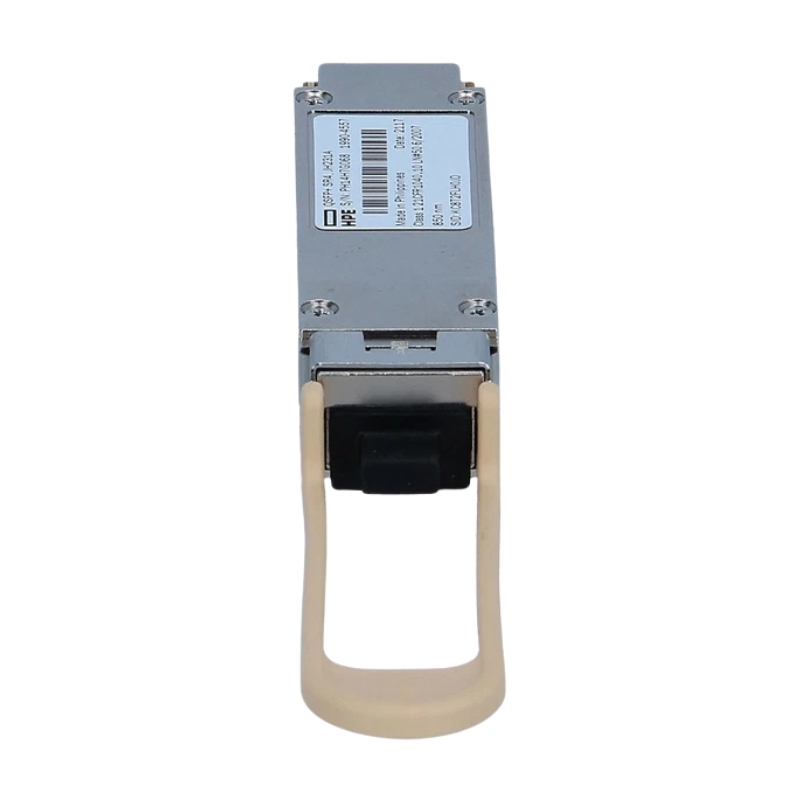


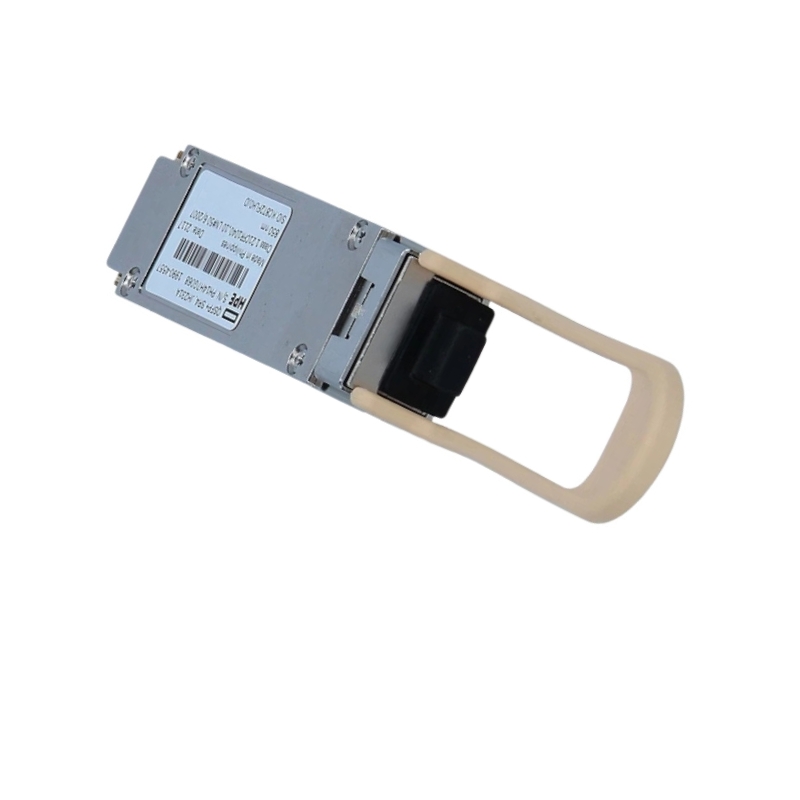
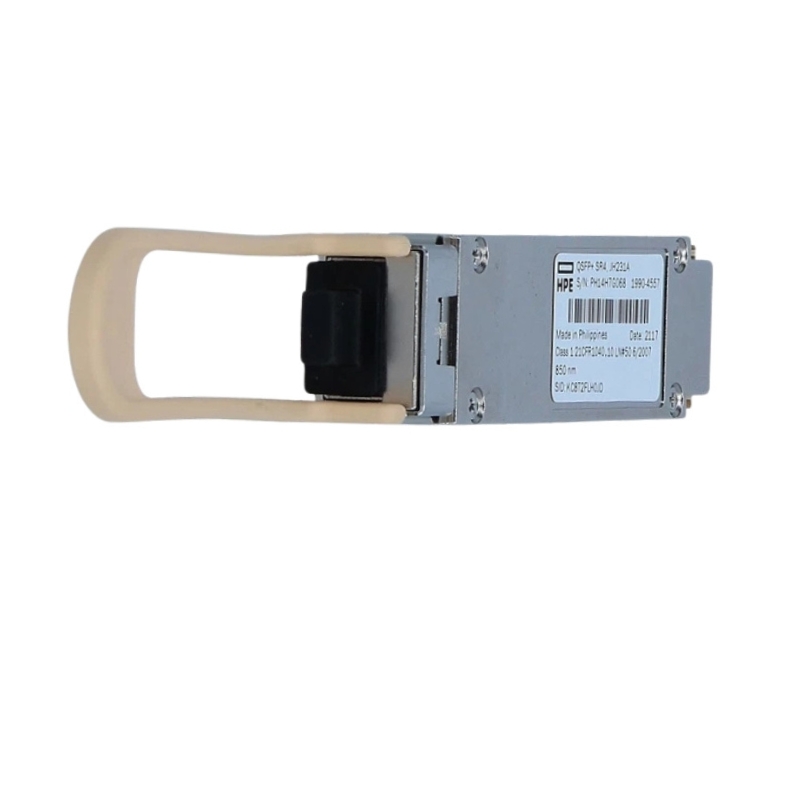
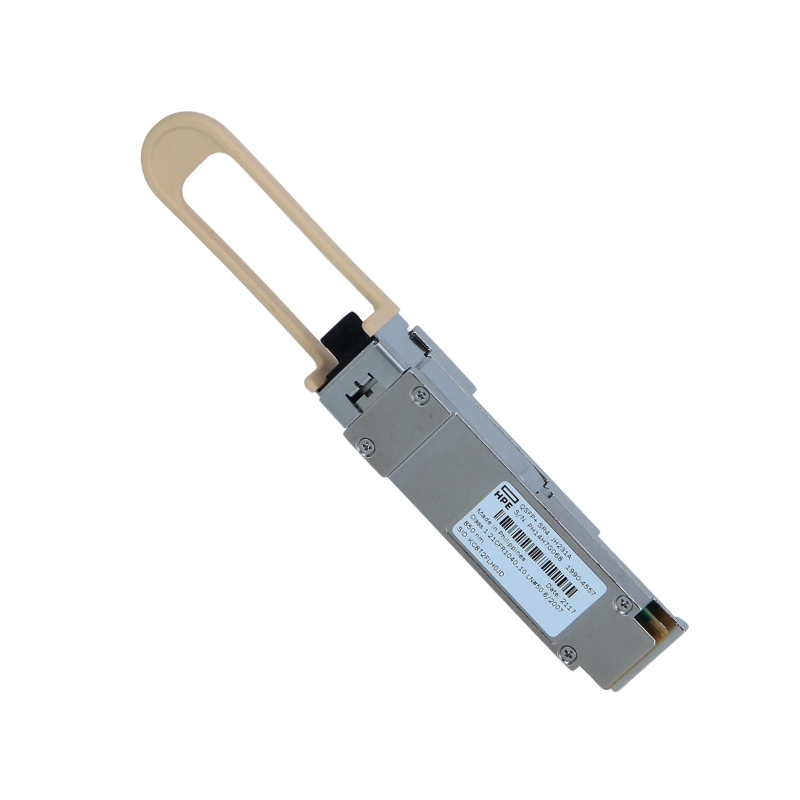
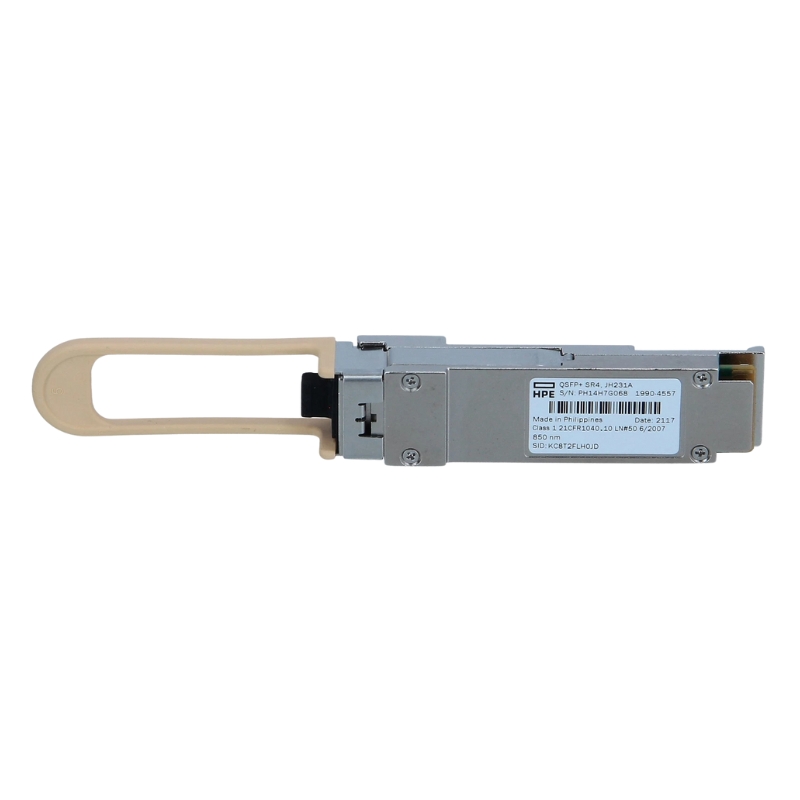
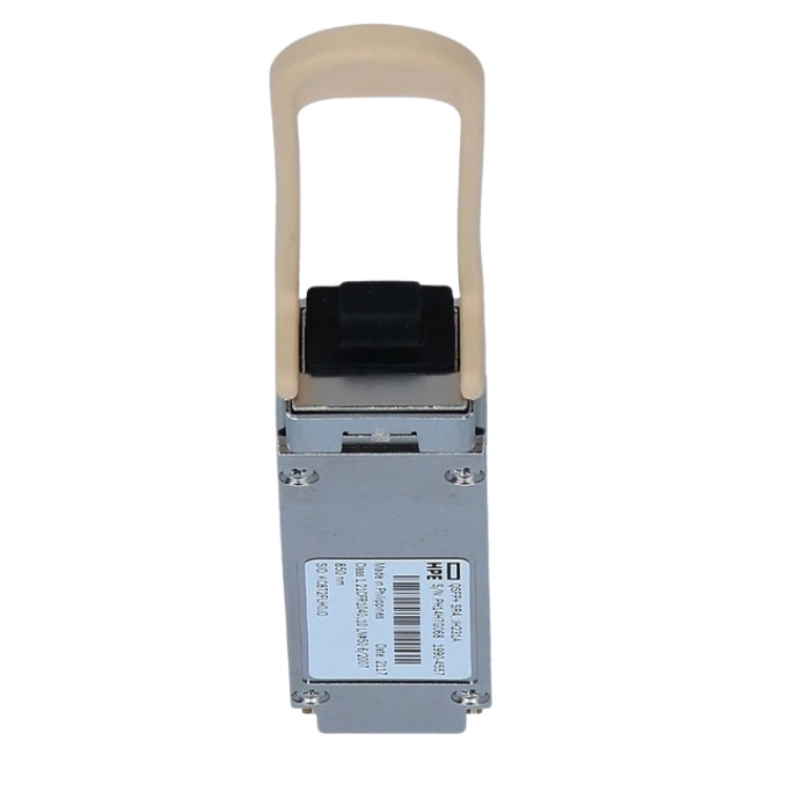
HPE JH231A 40 GBPS Transceiver Module QSFP+ LC Multi-Mode Female Plug in Module. New Sealed with 1-Year Replacement Warranty
| SKU/MPN | Warranty | Price | Condition | You save |
|---|---|---|---|---|
| JH231A | 1 Year Warranty | $1,050.00 | New Sealed in Box (NIB) | You save: $367.50 (26%) |
| JH231A | 1 Year Warranty | $840.00 | Excellent Refurbished | You save: $294.00 (26%) |
The HPE JH231A QSFP+ 40Gbps transceiver module is engineered to deliver ultra-fast optical connectivity for enterprise-grade networking infrastructures. Designed for high-throughput environments, this module ensures reliable, low-latency data transmission across multi-mode fiber networks, making it suitable for modern data centers and cloud-scale deployments.
Technical specifications
The HPE JH231A 40Gbps QSFP+ LC Multi-Mode Transceiver Module is a high-performance optical networking component designed for enterprise-grade data transmission across modern data center infrastructures. Developed within the advanced networking portfolio of Hewlett Packard Enterprise, this module plays a crucial role in enabling high-bandwidth, low-latency connectivity between switches, routers, and high-performance computing systems.
Built for scalability and reliability, this QSFP+ transceiver is engineered to support 40 Gigabit Ethernet (40GbE) communication over multimode fiber, making it an essential component in environments where data throughput, stability, and optical performance are critical. The module leverages LC duplex connectivity, ensuring compatibility with widely deployed fiber infrastructures in enterprise and cloud data centers.
The QSFP+ (Quad Small Form-factor Pluggable Plus) architecture is designed to deliver four channels of high-speed data transmission within a compact physical footprint. The HPE JH231A module utilizes this architecture to provide 40Gbps aggregate bandwidth while maintaining energy efficiency and thermal stability. Its compact size allows network architects to maximize port density on switches without compromising performance or airflow management.
The module operates using advanced optical signal conversion techniques, transforming electrical signals into light pulses transmitted over multimode fiber. This conversion ensures minimal signal degradation over short to medium distances, making it ideal for intra-data center connections. The integrated optics are calibrated to maintain signal integrity even in high-interference environments where electromagnetic noise is present.
Designed specifically for multimode fiber environments, the module supports optimized modal dispersion control. This ensures that data pulses remain synchronized across multiple fiber paths, reducing latency and improving throughput consistency. Multimode compatibility makes the module highly suitable for enterprise LAN backbones and high-performance computing clusters.
The 40Gbps throughput is achieved through four independent 10Gbps lanes operating in parallel. Each lane carries synchronized data streams that are aggregated at the receiving end to reconstruct the full data payload. This architecture enhances parallel processing efficiency and reduces bottlenecks in high-demand environments.
One of the defining features of the HPE JH231A module is its ability to maintain ultra-low latency across optical links. This is particularly critical for financial trading systems, cloud computing environments, and distributed storage networks where microsecond delays can impact performance outcomes. The module’s optical alignment and laser calibration ensure minimal propagation delay.
Advanced error correction and signal conditioning mechanisms are embedded within the module’s design. These mechanisms reduce bit error rates and ensure consistent packet delivery even under heavy traffic loads. This reliability is essential for mission-critical workloads that demand uninterrupted data flow.
The module utilizes a duplex LC connector interface, which supports bidirectional communication over two fiber strands. This standardized connector type ensures compatibility with a wide range of existing fiber optic infrastructure deployments, reducing the need for costly infrastructure overhauls.
The LC interface is widely adopted in enterprise networking environments, allowing seamless integration into pre-existing multimode fiber cabling systems. This flexibility enables IT administrators to upgrade network speeds without replacing entire physical infrastructures, significantly reducing deployment costs and downtime.
The physical interface is designed to minimize insertion loss and maximize optical return loss performance. These optimizations ensure that the signal remains strong and stable over supported distances, improving overall network reliability and uptime.
In modern hyperscale and enterprise data centers, the HPE JH231A module is commonly deployed for switch-to-switch interconnects. Its high bandwidth capacity supports rapid data replication, virtualization workloads, and distributed storage synchronization across server clusters.
Cloud service providers rely on 40GbE connectivity to manage dynamic workloads and multi-tenant environments. The module supports seamless scaling of virtual machines and containerized applications by ensuring consistent network performance under fluctuating traffic conditions.
Within enterprise campus networks, the module is frequently used to upgrade core switching layers. Its compatibility with existing multimode fiber infrastructure makes it a cost-effective solution for organizations transitioning from 10GbE to 40GbE environments.
Energy efficiency is a critical consideration in data center environments. The HPE JH231A module is engineered to operate with optimized power consumption profiles, reducing operational costs while maintaining high-performance output.
The module incorporates advanced thermal dissipation materials that allow heat to be efficiently transferred away from internal optical components. This ensures stable operation even in high-density switch configurations where thermal buildup is a concern.
The module is designed to operate reliably across a range of environmental conditions, including variations in temperature and humidity. This adaptability makes it suitable for deployment in both controlled data center environments and edge computing locations.
The module operates using precisely calibrated optical wavelengths that maintain stability over extended operational periods. This stability is essential for maintaining synchronization across multiple high-speed data streams.
Chromatic and modal dispersion are minimized through advanced optical engineering techniques. This ensures that signal distortion is reduced, improving data accuracy and transmission efficiency over supported distances.
High receiver sensitivity allows the module to accurately interpret incoming optical signals even in marginal conditions. This improves overall link reliability and reduces retransmission requirements in congested networks.
The module is built to meet stringent enterprise reliability standards, ensuring consistent performance in mission-critical environments. It undergoes extensive testing for durability, signal consistency, and environmental resilience.
In redundant network architectures, the module supports failover configurations that maintain continuous connectivity even in the event of a link failure. This is essential for high-availability systems.
When integrated into managed networking environments, the module provides diagnostic feedback that enables predictive maintenance strategies. This helps reduce downtime and improves long-term infrastructure stability.
In HPC environments, the module supports rapid data exchange between compute nodes, enabling parallel processing workloads such as scientific simulations, AI model training, and large-scale analytics.
The module is also widely used in storage area networks (SANs), where high-speed data replication and backup processes require stable and fast interconnects.
Modern virtualization platforms rely heavily on high-throughput networking. The module supports dynamic workload balancing and VM migration processes with minimal latency disruption.
As enterprises transition toward higher bandwidth requirements, the module serves as a foundational component for scalable network architecture, supporting gradual upgrades without major infrastructure redesign.
The design of the module aligns with evolving Ethernet standards, ensuring compatibility with next-generation networking technologies and hybrid cloud infrastructures.
Its robust design and compatibility with multimode fiber systems ensure that the module remains relevant in enterprise environments for extended operational lifecycles.


 Contact Us
 Information
 Catalog
 Solid State Drives (SSD)
 Network Switches
 Hard Disk Drives
 HBA & Controllers
 PC & Servers
 PC & Server Memory
 CPU & Processors
 Network Routers
 Power Supplies
 Tape Drives & Libraries
 Network Devices
 Computer & Network Cables