(7% discount is applied at checkout)
Cart is empty
Your go-to destination for cutting-edge server products
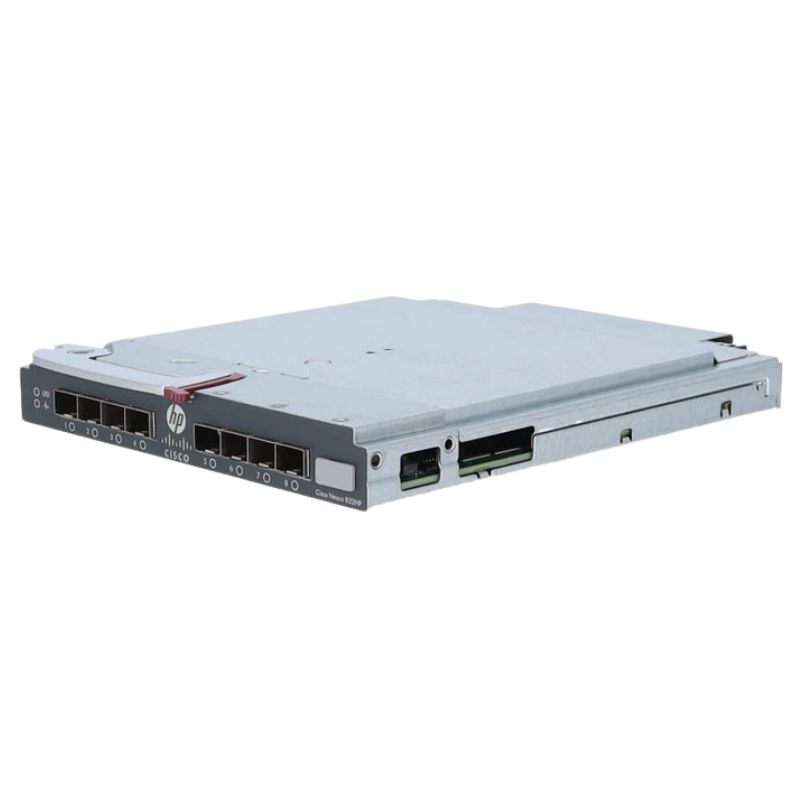


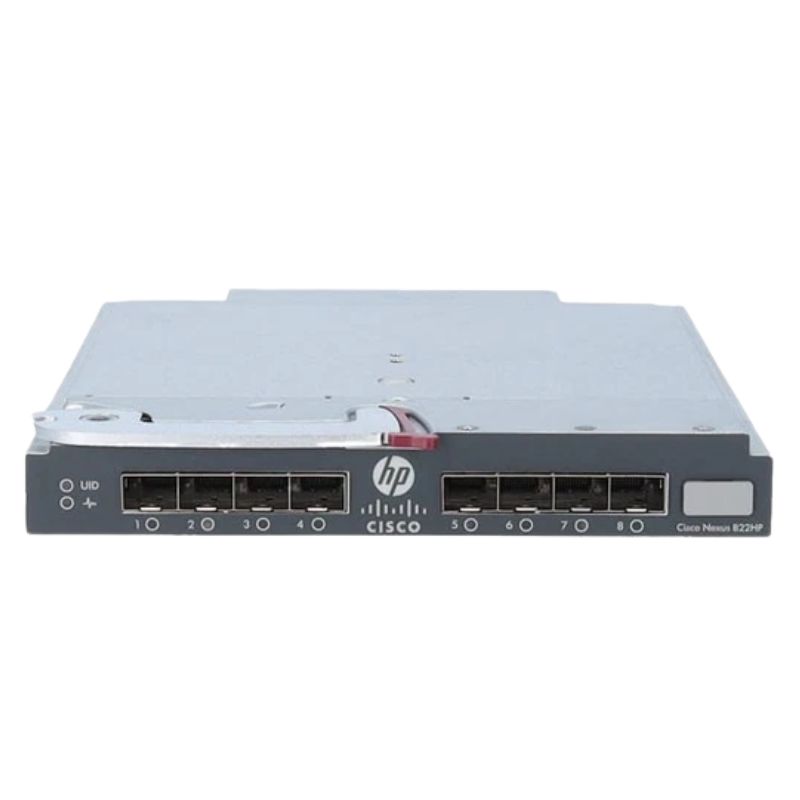
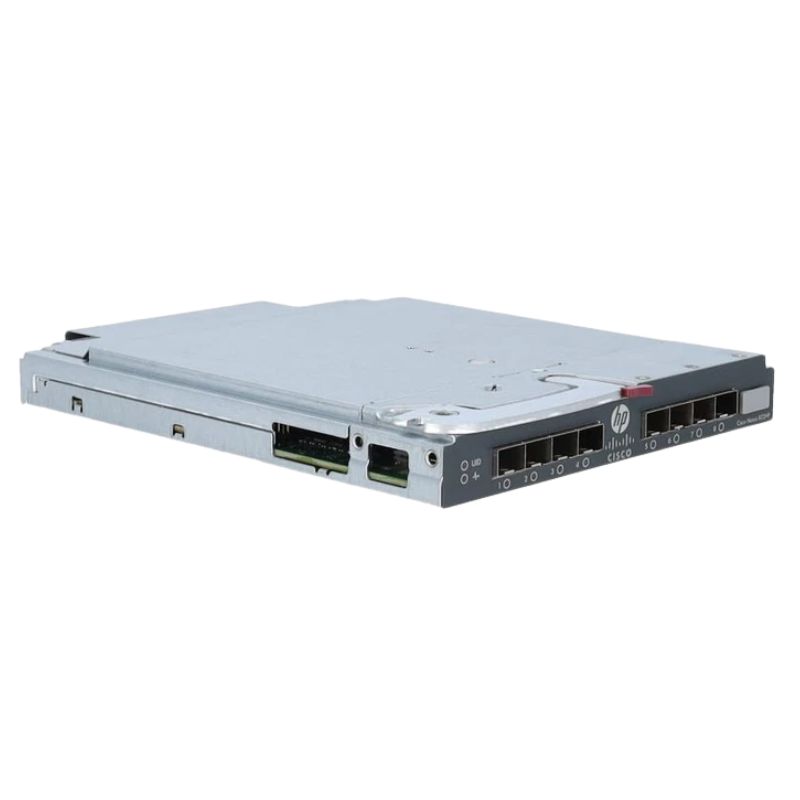
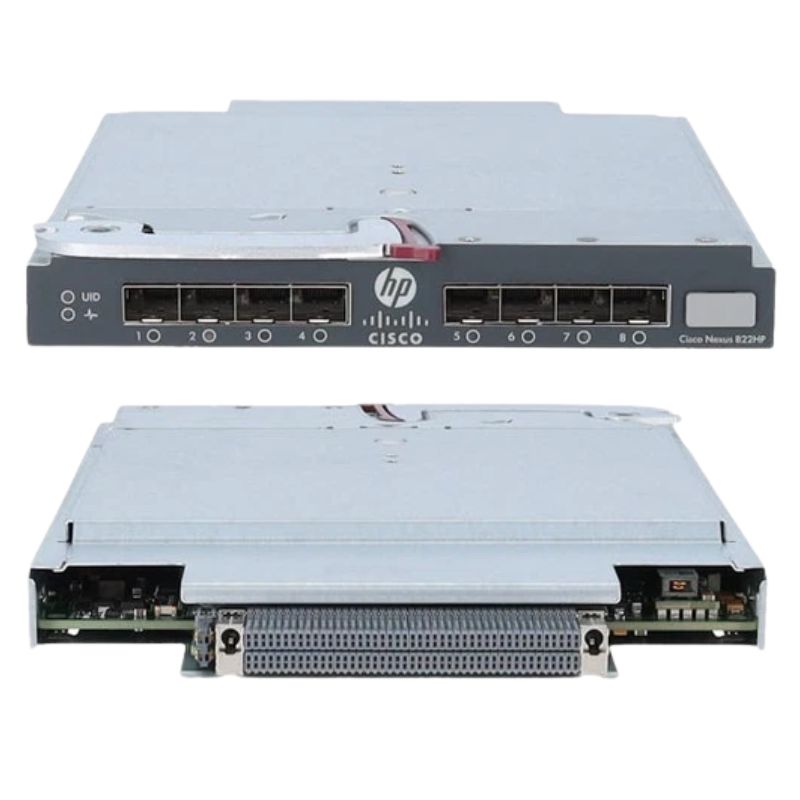
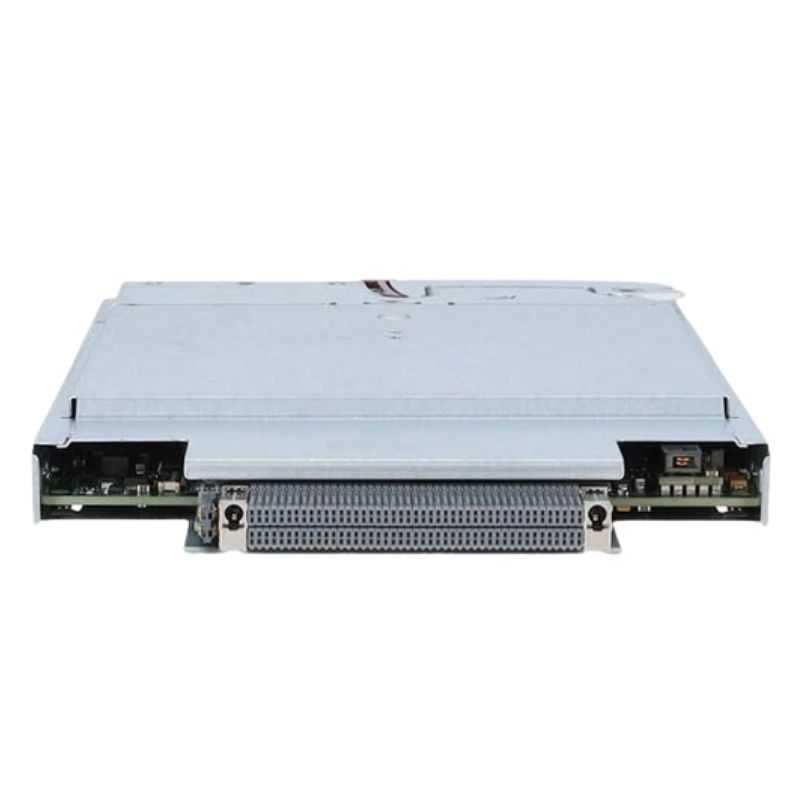
HPE 658591-001 B22 Fabric Expansion Module Cisco Nexus. Excellent Refurbished with 1 year replacement warranty
The HPE 658591-001 Cisco Nexus B22 16-Port 10Gbps Gigabit Ethernet Fabric Expansion Module is a high-performance networking solution designed for scalable data center environments. This fabric extender module enhances network efficiency, improves bandwidth distribution, and supports advanced Ethernet connectivity for enterprise-level infrastructures.
Built for reliability and speed, this expansion unit enables seamless integration into existing network architectures, offering improved data throughput and reduced latency for mission-critical applications.
The HPE 658591-001 Cisco Nexus B22 16-Ports 10Gbps Gigabit Ethernet Fabric Expansion Module represents a high-performance networking solution engineered for enterprise-grade data centers, virtualization environments, and cloud-optimized infrastructures. Designed to extend the switching capacity and fabric connectivity of Cisco Nexus environments, this module plays a crucial role in ensuring low-latency communication, high-throughput data transfer, and seamless scalability for modern IT architectures. It is widely adopted in environments where predictable performance and efficient traffic handling are essential, particularly in server virtualization clusters, storage networks, and distributed application ecosystems.
Built on advanced fabric extension principles, the module integrates tightly with Cisco Nexus switching systems and HPE-supported infrastructure platforms, allowing organizations to expand network capacity without compromising stability or performance. The 10Gbps Ethernet capability across multiple ports ensures that data-intensive workloads such as big data analytics, virtualization orchestration, and cloud service delivery can operate without bottlenecks. Its architecture is optimized for redundancy, high availability, and efficient packet forwarding, making it suitable for mission-critical enterprise operations.
At the core of this expansion module is its 16-port 10Gbps Ethernet configuration, which significantly increases the switching fabric capacity of supported systems. Each port is designed to handle high-throughput traffic with minimal latency, ensuring that data packets are transmitted efficiently across the network. This high-density port design allows enterprises to consolidate multiple server connections into a single fabric layer, reducing cabling complexity and improving overall data center organization.
The ports are engineered for both flexibility and resilience, enabling compatibility with a wide range of fiber optic transceivers and cabling standards. This adaptability ensures that organizations can integrate the module into existing infrastructures without requiring extensive redesign or replacement of core network components. The result is a cost-effective scalability path that aligns with long-term IT modernization strategies.
The fabric expansion capabilities of this module are designed to extend the reach of Cisco Nexus switching environments across multiple server racks or data center zones. By leveraging high-speed interconnects, it enables seamless communication between compute nodes and storage systems while maintaining consistent performance levels. This is particularly important in virtualized environments where workloads frequently migrate across physical hosts.
The module ensures that network traffic is intelligently distributed and efficiently managed, reducing congestion points and improving overall system responsiveness. It supports advanced traffic prioritization techniques that help maintain service quality for latency-sensitive applications such as financial transactions, real-time analytics, and enterprise resource planning systems.
One of the defining characteristics of the HPE 658591-001 Cisco Nexus B22 module is its ability to deliver extremely low latency across all active ports. This is essential for modern data center workloads that depend on near-instantaneous communication between distributed components. The internal switching architecture is optimized to minimize packet processing delays, ensuring that applications experience consistent performance even under heavy network loads.
This low-latency design is particularly beneficial for environments running high-frequency trading platforms, large-scale virtualization clusters, and real-time communication systems. By reducing the time required for data to travel between endpoints, the module helps improve application responsiveness and overall system efficiency.
Enterprise environments require uninterrupted network availability, and this expansion module is designed with that requirement in mind. It incorporates redundancy mechanisms and fault-tolerant architecture principles that help maintain continuous operation even in the event of partial system failure. The module is capable of rerouting traffic dynamically, ensuring that disruptions in one part of the network do not cascade into broader outages.
This level of resilience is essential for mission-critical workloads that cannot tolerate downtime. Industries such as healthcare, banking, telecommunications, and cloud service providers rely heavily on such infrastructure components to ensure continuous service delivery and operational stability.
The module is specifically designed to integrate with Cisco Nexus switching environments, allowing organizations to extend their existing fabric architecture without introducing compatibility issues. This tight integration ensures that configuration, monitoring, and management processes remain consistent across the entire network infrastructure.
Administrators benefit from unified control capabilities, enabling them to manage network policies, monitor traffic flows, and implement security protocols from a centralized interface. This reduces operational complexity and improves overall network governance.
In addition to Cisco Nexus compatibility, the module is also aligned with HPE server and infrastructure ecosystems, making it suitable for hybrid deployments that combine hardware and networking solutions from multiple vendors. This interoperability is critical in modern data centers where heterogeneous environments are common.
The ability to function across mixed infrastructure environments allows enterprises to maximize existing investments while gradually transitioning to more advanced networking architectures. This flexibility reduces capital expenditure while still enabling performance enhancements and scalability improvements.
As organizations continue to adopt virtualization technologies at scale, the demand for high-speed, low-latency networking solutions has increased significantly. This module addresses those demands by providing scalable bandwidth that can accommodate expanding virtual machine deployments. Each virtualized workload benefits from dedicated high-speed connectivity, reducing contention and improving resource utilization efficiency.
The module supports dynamic workload distribution across multiple physical hosts, ensuring that virtualization clusters remain balanced and efficient. This is particularly important in environments utilizing hyperconverged infrastructure, where compute, storage, and networking resources must operate in close coordination.
Modern enterprise environments increasingly rely on hybrid cloud architectures that combine on-premises infrastructure with public cloud services. The HPE 658591-001 Cisco Nexus B22 module provides the high-speed interconnectivity required to support such hybrid models effectively. It enables fast and reliable data transfer between local data centers and cloud platforms, ensuring consistent application performance across distributed environments.
This capability is essential for workloads that require frequent synchronization between cloud and on-premises systems, such as backup replication, disaster recovery, and distributed database management. The module ensures that these processes occur efficiently without creating network congestion or performance degradation.
The module incorporates intelligent packet forwarding mechanisms that optimize how data flows through the network fabric. By analyzing traffic patterns and prioritizing critical data streams, it ensures that high-priority applications receive the bandwidth they require while maintaining overall network balance.
This intelligent forwarding approach helps reduce congestion and improves the efficiency of data transmission across large-scale deployments. It is particularly effective in environments where multiple applications compete for shared network resources.
Efficient load distribution is a key feature of this expansion module. It dynamically allocates network resources based on current demand, ensuring that no single port or pathway becomes a performance bottleneck. This helps maintain consistent throughput levels even during peak usage periods.
The module’s bandwidth optimization techniques ensure that available capacity is utilized effectively, reducing waste and improving return on infrastructure investment. This is especially important in enterprise environments where network efficiency directly impacts operational costs.
Security is a fundamental requirement in modern networking environments, and this module contributes to overall infrastructure protection by supporting secure fabric integration. It enables controlled data flow between network segments, reducing the risk of unauthorized access or data leakage.
By operating within a controlled switching environment, the module helps enforce network segmentation policies that are essential for compliance with industry regulations and security frameworks. This is particularly important in sectors that handle sensitive data such as finance, healthcare, and government operations.
Ensuring data integrity during transmission is a critical function of this module. It is designed to minimize packet loss and ensure that data arrives at its destination accurately and in the correct sequence. This reliability is essential for applications that depend on precise data synchronization, such as database replication and distributed computing systems.
The module’s architecture reduces the likelihood of transmission errors and supports consistent communication between connected devices, enhancing overall system reliability and trustworthiness.
Network administrators benefit from centralized control capabilities that simplify the management of complex infrastructures. The module integrates with existing management tools, enabling streamlined configuration, monitoring, and maintenance processes. This reduces administrative overhead and improves operational efficiency.
Centralized visibility into network performance allows IT teams to quickly identify and resolve issues, ensuring minimal disruption to business operations. This proactive management approach enhances overall system stability and reduces downtime risks.
By consolidating multiple high-speed connections into a single expansion module, organizations can significantly reduce infrastructure complexity. Fewer physical connections translate into easier maintenance, improved airflow in data center environments, and reduced risk of hardware failure due to cable congestion.
This simplification also contributes to improved scalability, allowing organizations to expand their network infrastructure without introducing unnecessary complexity or operational burden.
The module provides a cost-effective solution for expanding network capacity without requiring complete infrastructure overhauls. Organizations can enhance their existing Cisco Nexus and HPE environments incrementally, making it easier to manage budgets while still achieving performance improvements.
This incremental scalability model is particularly valuable for enterprises undergoing digital transformation initiatives, where gradual upgrades are often preferred over large-scale replacements.
Designed with scalability and adaptability in mind, this expansion module supports future network growth and evolving technology standards. Its high-speed architecture ensures compatibility with next-generation workloads and emerging data center technologies.
As enterprises continue to adopt advanced computing models such as edge computing, artificial intelligence workloads, and distributed analytics, the module provides a reliable foundation for sustained network performance and scalability.


 Contact Us
 Information
 Catalog
 Solid State Drives (SSD)
 Network Switches
 Hard Disk Drives
 HBA & Controllers
 PC & Servers
 PC & Server Memory
 CPU & Processors
 Network Routers
 Power Supplies
 Tape Drives & Libraries
 Network Devices
 Computer & Network Cables