(7% discount is applied at checkout)
Cart is empty
Your go-to destination for cutting-edge server products
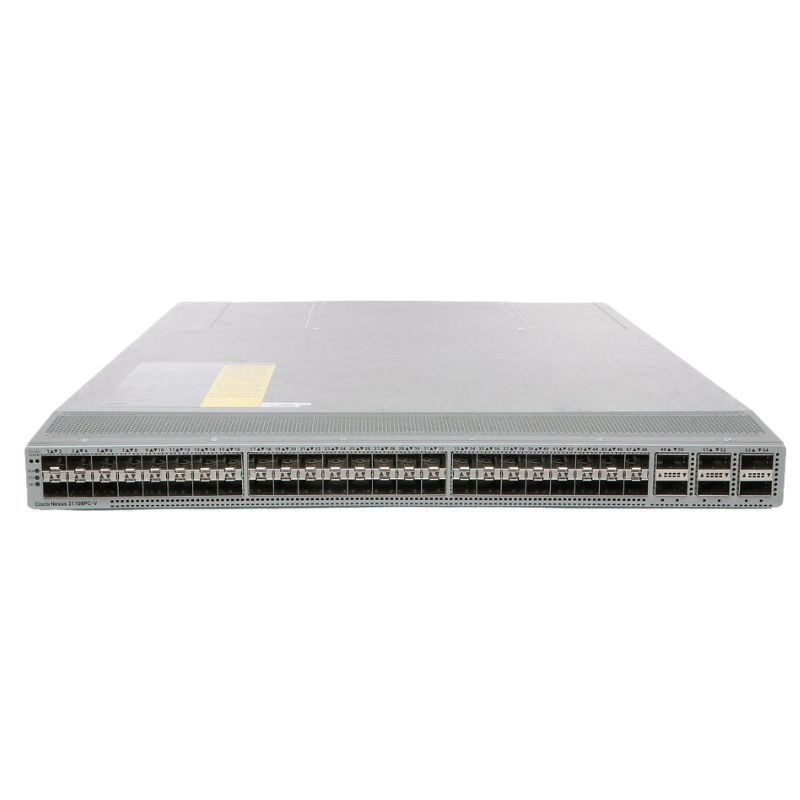


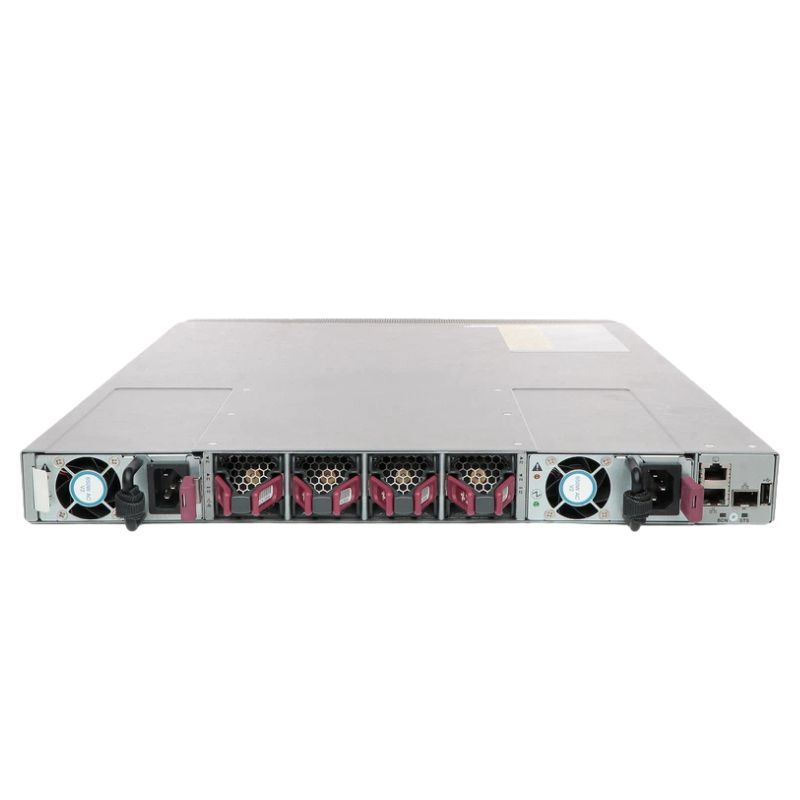
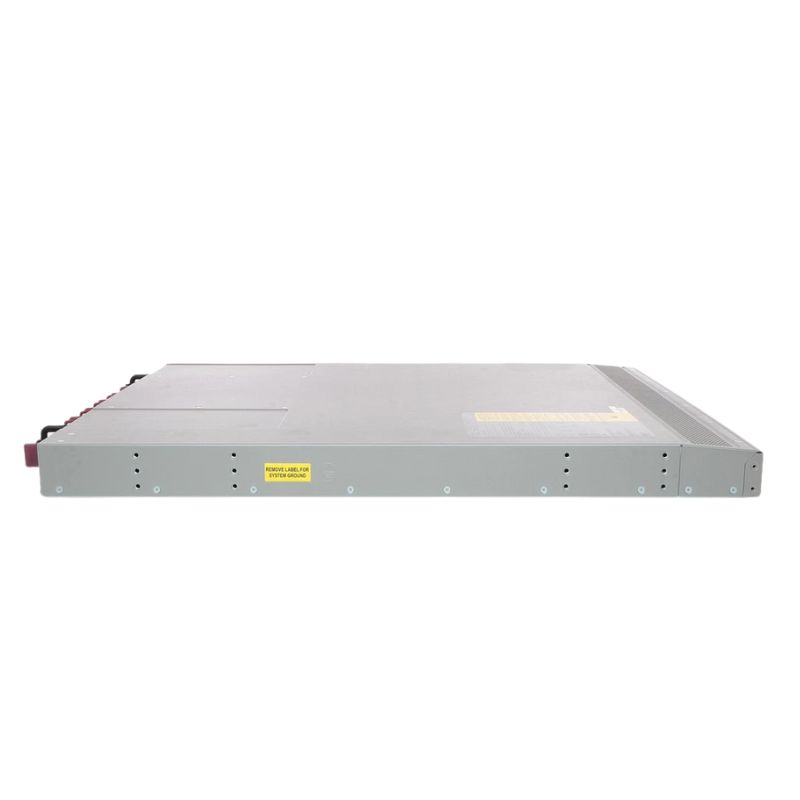
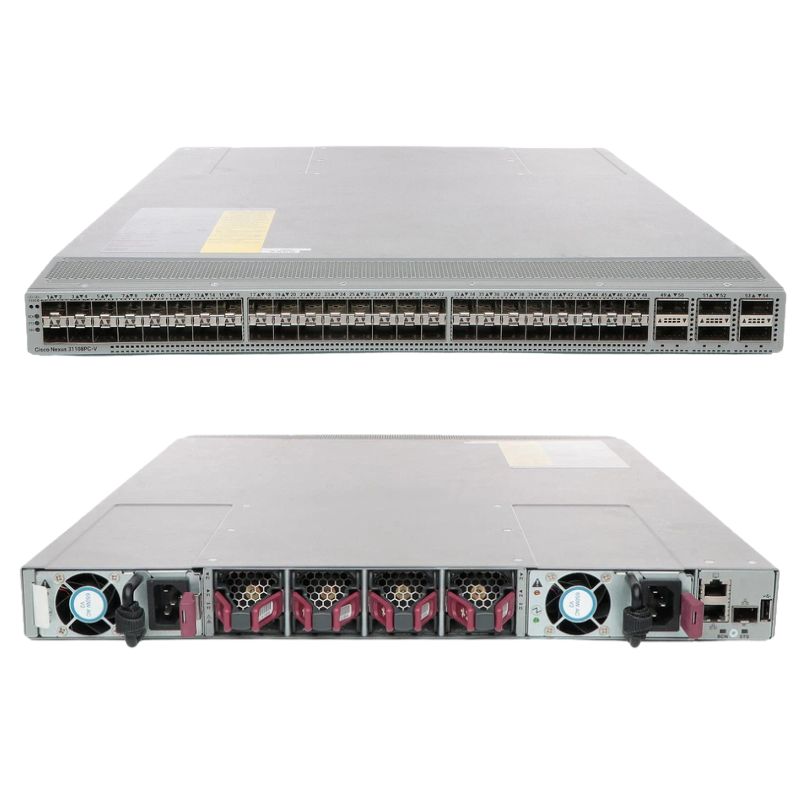
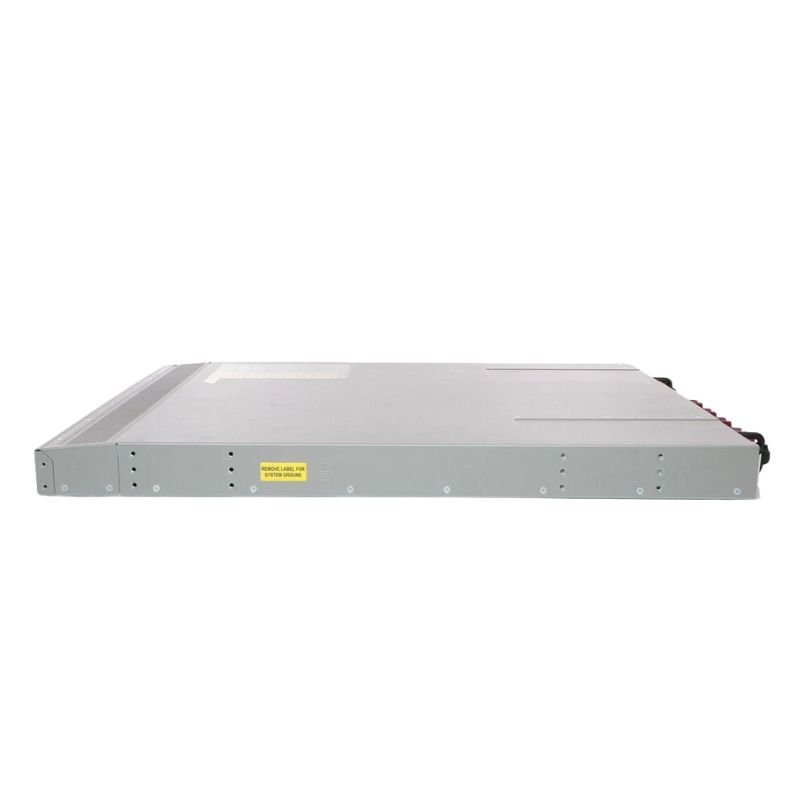
Cisco N9K-C93180YC-FX3= Nexus 93180yc-fx3 Switch 48 Ports Managed. Excellent Refurbished with 1 year replacement warranty
| SKU/MPN | Warranty | Price | Condition | You save |
|---|---|---|---|---|
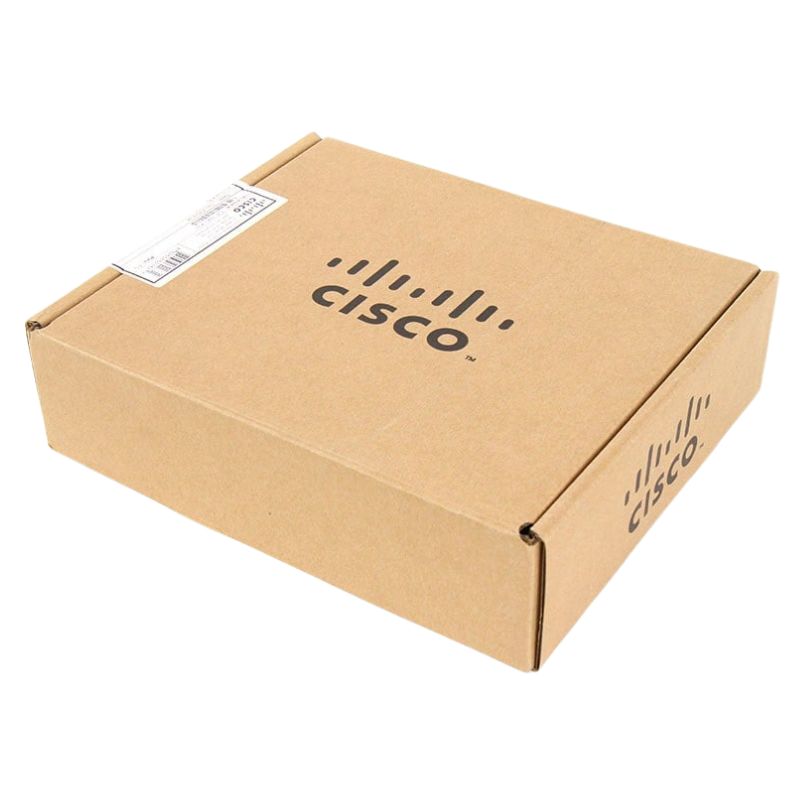
| N9K-C93180YC-FX3= | 1 Year Warranty | $8,365.00 | Factory-Sealed New Retail in Original Box (FSB) | You save: $2,927.75 (26%) |
| N9K-C93180YC-FX3= | 1 Year Warranty | $6,075.00 | Excellent Refurbished | You save: $2,126.25 (26%) |
The Cisco Nexus 93180YC-FX3 switch (N9K-C93180YC-FX3=) is a high-performance, managed network switch designed for modern data centers. With robust Layer 3 capabilities, this 48-port switch ensures seamless connectivity, advanced routing, and scalability for enterprise environments.
The Cisco N9K-C93180YC-FX3= Nexus 93180YC-FX3 switch category represents a high-performance class of fixed-form-factor data center switches engineered for modern enterprise, cloud, and service provider environments. This category focuses on advanced Layer 2 and Layer 3 managed switching designed to support scalable architectures, low-latency application delivery, and highly virtualized workloads. Cisco Nexus 93180YC-FX3 switches are built to address the increasing demands of east-west traffic, software-defined networking, and hybrid cloud connectivity while maintaining operational efficiency and reliability across diverse deployment scenarios.
This category emphasizes a balance between port density, throughput, and advanced feature support, making it suitable for spine-and-leaf topologies, aggregation layers, and high-density access deployments. The managed nature of the Cisco Nexus 93180YC-FX3 enables granular control over traffic flows, security policies, automation frameworks, and monitoring tools, ensuring predictable performance and simplified operations in mission-critical networks.
The Cisco Nexus 93180YC-FX3 category is defined by a compact yet robust fixed form factor that integrates seamlessly into standard data center racks. Its design prioritizes efficient airflow, optimized cable management, and flexible power options to meet diverse infrastructure requirements. The physical construction supports front-to-back or back-to-front airflow configurations, enabling compatibility with hot-aisle and cold-aisle containment strategies commonly used in modern data centers.
This category is engineered with high-quality components to ensure durability and continuous uptime. The chassis design supports redundant, hot-swappable power supplies and fan modules, minimizing maintenance windows and reducing the risk of unplanned downtime. These physical attributes make Cisco Nexus 93180YC-FX3 switches suitable for both enterprise data centers and colocation facilities where space efficiency and thermal performance are critical considerations.
Within this category, the Cisco Nexus 93180YC-FX3 offers a versatile port configuration that addresses a wide range of connectivity requirements. The switch features 48 high-speed downlink ports capable of supporting multiple Ethernet speeds, enabling flexible connections to servers, storage systems, and access switches. This adaptability allows organizations to transition between different bandwidth requirements without replacing core infrastructure.
In addition to downlink connectivity, this category supports high-bandwidth uplink interfaces designed for aggregation or spine connectivity. These uplinks enable seamless integration into leaf-spine architectures, delivering predictable latency and non-blocking performance. The port versatility ensures that Cisco Nexus 93180YC-FX3 switches can accommodate evolving network designs while protecting long-term investments.
The Cisco Nexus 93180YC-FX3 category supports a range of Ethernet speeds across its interfaces, allowing organizations to mix and match connectivity options based on workload demands. Multi-speed support simplifies migration from legacy infrastructures to higher-speed environments, reducing disruption and enabling incremental upgrades. This flexibility is particularly valuable in environments where different application tiers require varying levels of bandwidth.
By supporting multiple speeds on the same platform, this category helps optimize capital expenditures while ensuring that network performance aligns with business priorities. Administrators can allocate higher speeds to performance-sensitive applications while maintaining cost-effective connectivity for less demanding workloads.
The Cisco Nexus 93180YC-FX3 category is built around advanced Layer 2 and Layer 3 managed switching features that provide comprehensive control over network behavior. These switches support a wide range of VLAN configurations, spanning tree enhancements, and link aggregation technologies that improve redundancy and traffic distribution. Managed capabilities enable precise configuration and monitoring, ensuring consistent performance across the network fabric.
Layer 3 functionality within this category includes dynamic routing protocols, high-performance forwarding, and support for large routing tables. These features enable efficient traffic segmentation, optimized path selection, and seamless integration with upstream routing infrastructure. As a result, Cisco Nexus 93180YC-FX3 switches can function effectively as both access and aggregation devices within complex network topologies.
The category emphasizes advanced routing capabilities that enhance scalability and resilience. Support for modern routing protocols allows for rapid convergence and efficient load balancing, which are essential in environments with high traffic volumes and dynamic workloads. Hardware-based forwarding ensures that packets are processed at line rate, minimizing latency and maximizing throughput.
These routing features enable organizations to deploy highly available network architectures that can adapt quickly to changes in traffic patterns or infrastructure. The result is a network that delivers consistent performance even under demanding conditions.
Policy-based traffic management is a defining characteristic of the Cisco Nexus 93180YC-FX3 category. Administrators can define granular policies that control how traffic is classified, prioritized, and forwarded across the network. This level of control is essential for supporting quality of service requirements, compliance standards, and application performance objectives.
By leveraging policy-driven configurations, organizations can ensure that critical applications receive the necessary bandwidth and low-latency treatment, while less critical traffic is managed efficiently. This approach enhances overall network efficiency and user experience.
The Cisco Nexus 93180YC-FX3 category is engineered to deliver exceptional performance through a combination of high port density, non-blocking architecture, and optimized packet processing. These switches are designed to handle large volumes of east-west traffic commonly found in virtualized and cloud-native environments. The low-latency design ensures that applications experience minimal delay, even during peak usage periods.
This performance-focused architecture supports demanding workloads such as high-frequency trading, real-time analytics, and large-scale virtualization. By maintaining consistent throughput and predictable latency, the Cisco Nexus 93180YC-FX3 category enables organizations to deploy performance-sensitive applications with confidence.
A non-blocking architecture is a key attribute of this category, ensuring that all ports can operate at full line rate simultaneously without congestion. This capability is essential for maintaining consistent application performance in environments with heavy traffic loads. Non-blocking designs reduce the risk of bottlenecks and improve overall network efficiency.
By eliminating internal contention, Cisco Nexus 93180YC-FX3 switches help ensure that data flows smoothly across the network fabric, supporting scalable and reliable operations.
Low-latency packet processing is achieved through specialized hardware and optimized forwarding paths within the Cisco Nexus 93180YC-FX3 category. This design minimizes the time required to process and forward packets, making it ideal for latency-sensitive applications. Consistent low latency enhances user experience and supports real-time services.
These characteristics make the category suitable for environments where even minor delays can have significant business impacts, reinforcing its role as a foundational component of high-performance data center networks.
The Cisco Nexus 93180YC-FX3 category is designed to integrate seamlessly with modern automation and orchestration frameworks. Support for programmable interfaces and APIs enables administrators to automate configuration tasks, streamline provisioning, and reduce the risk of human error. Automation capabilities are essential for managing large-scale deployments and maintaining operational consistency.
This category aligns with software-defined networking principles, allowing organizations to implement centralized control and policy enforcement across the network. Integration with automation tools accelerates deployment cycles and enhances agility in dynamic environments.
API-driven operations allow administrators to interact programmatically with Cisco Nexus 93180YC-FX3 switches, enabling automated workflows and integration with external management platforms. These capabilities support continuous integration and continuous deployment practices, making it easier to adapt network configurations to changing application requirements.
By leveraging APIs, organizations can achieve greater operational efficiency and respond more quickly to business needs.
The programmability features within this category facilitate closer collaboration between development and operations teams. Standardized interfaces and automation tools enable consistent network behavior across environments, supporting DevOps methodologies and accelerating application delivery.
This collaborative approach reduces silos and ensures that network infrastructure evolves in alignment with application development cycles.
Security is a core consideration within the Cisco Nexus 93180YC-FX3 category. These switches support advanced security features that protect data, control access, and enforce compliance requirements. Network segmentation capabilities enable organizations to isolate workloads, reduce attack surfaces, and implement zero-trust architectures.
Managed security features provide visibility into traffic patterns and potential threats, allowing administrators to respond proactively to security incidents. This focus on security makes the category suitable for environments handling sensitive data and mission-critical applications.
Integrated access control mechanisms allow administrators to define who can access network resources and under what conditions. Monitoring capabilities provide real-time insights into traffic behavior, enabling rapid detection of anomalies. These features enhance overall network security and resilience.
By combining access control with monitoring, Cisco Nexus 93180YC-FX3 switches help organizations maintain a strong security posture.
Microsegmentation capabilities within this category enable fine-grained isolation of workloads, even within the same physical infrastructure. Policy enforcement mechanisms ensure that traffic flows adhere to defined security rules, reducing the risk of lateral movement within the network.
This level of segmentation is essential for protecting modern, highly virtualized environments and meeting regulatory requirements.


 Contact Us
 Information
 Catalog
 Solid State Drives (SSD)
 Network Switches
 Hard Disk Drives
 HBA & Controllers
 PC & Servers
 PC & Server Memory
 CPU & Processors
 Network Routers
 Power Supplies
 Tape Drives & Libraries
 Network Devices
 Computer & Network Cables