(7% discount is applied at checkout)
Cart is empty
Your go-to destination for cutting-edge server products
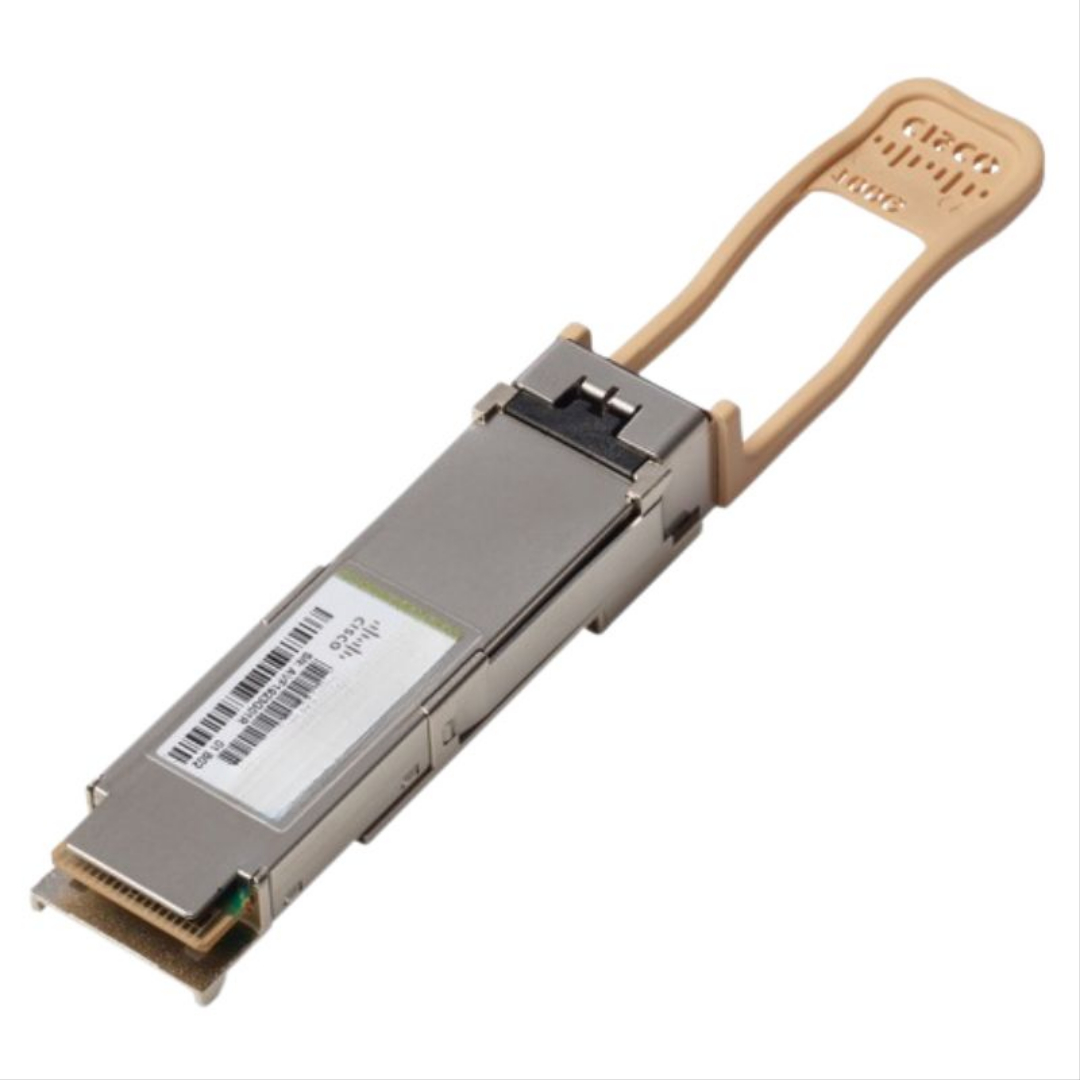


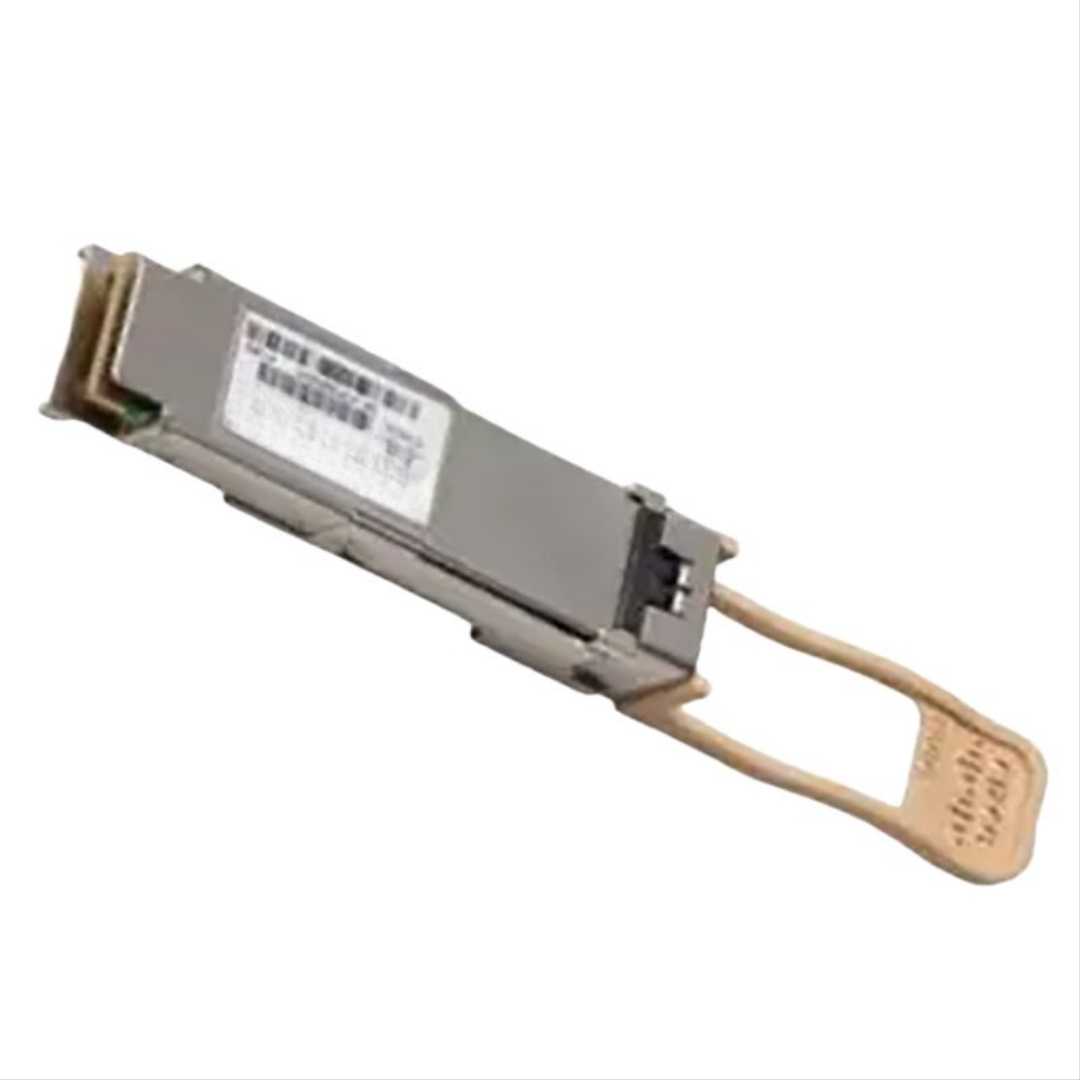
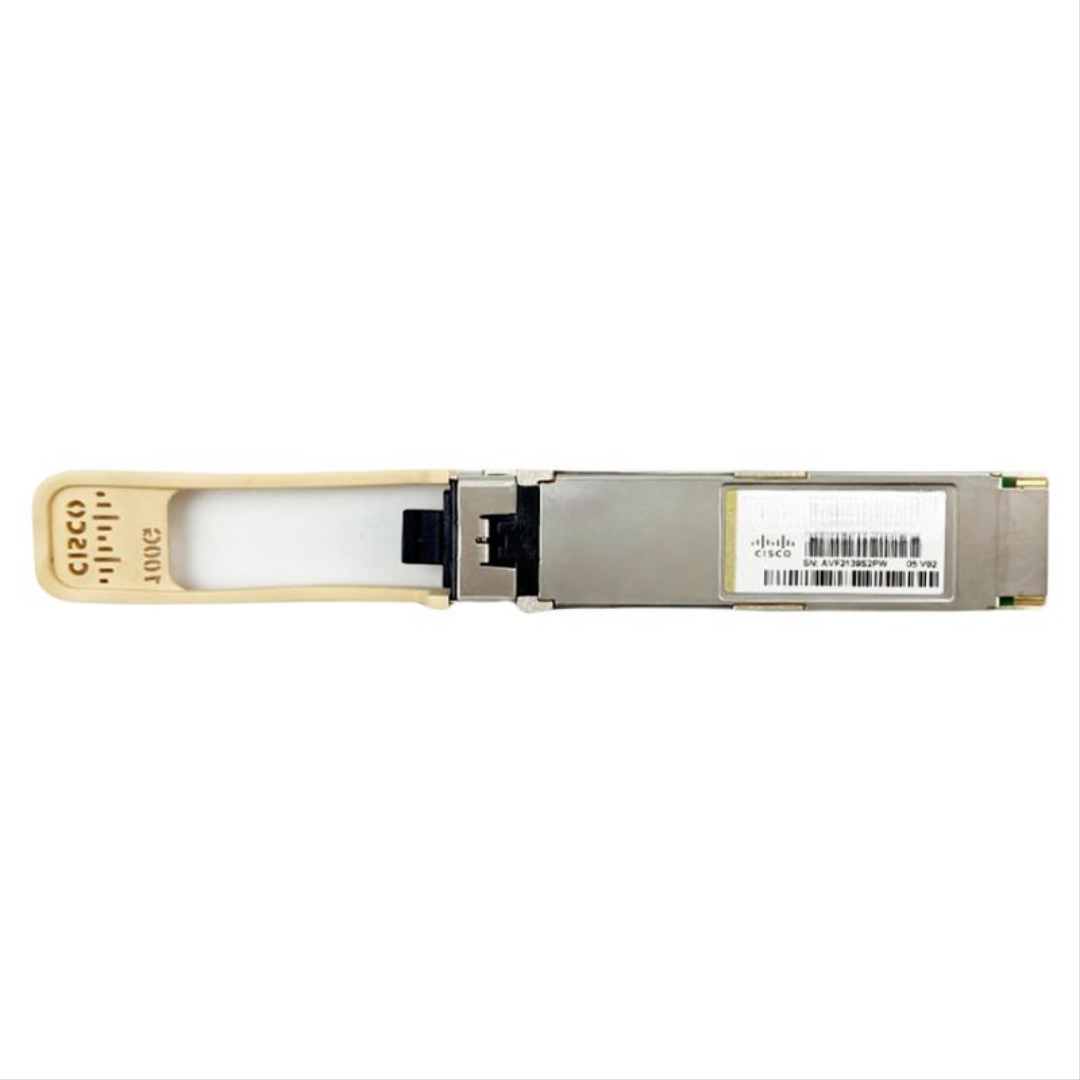
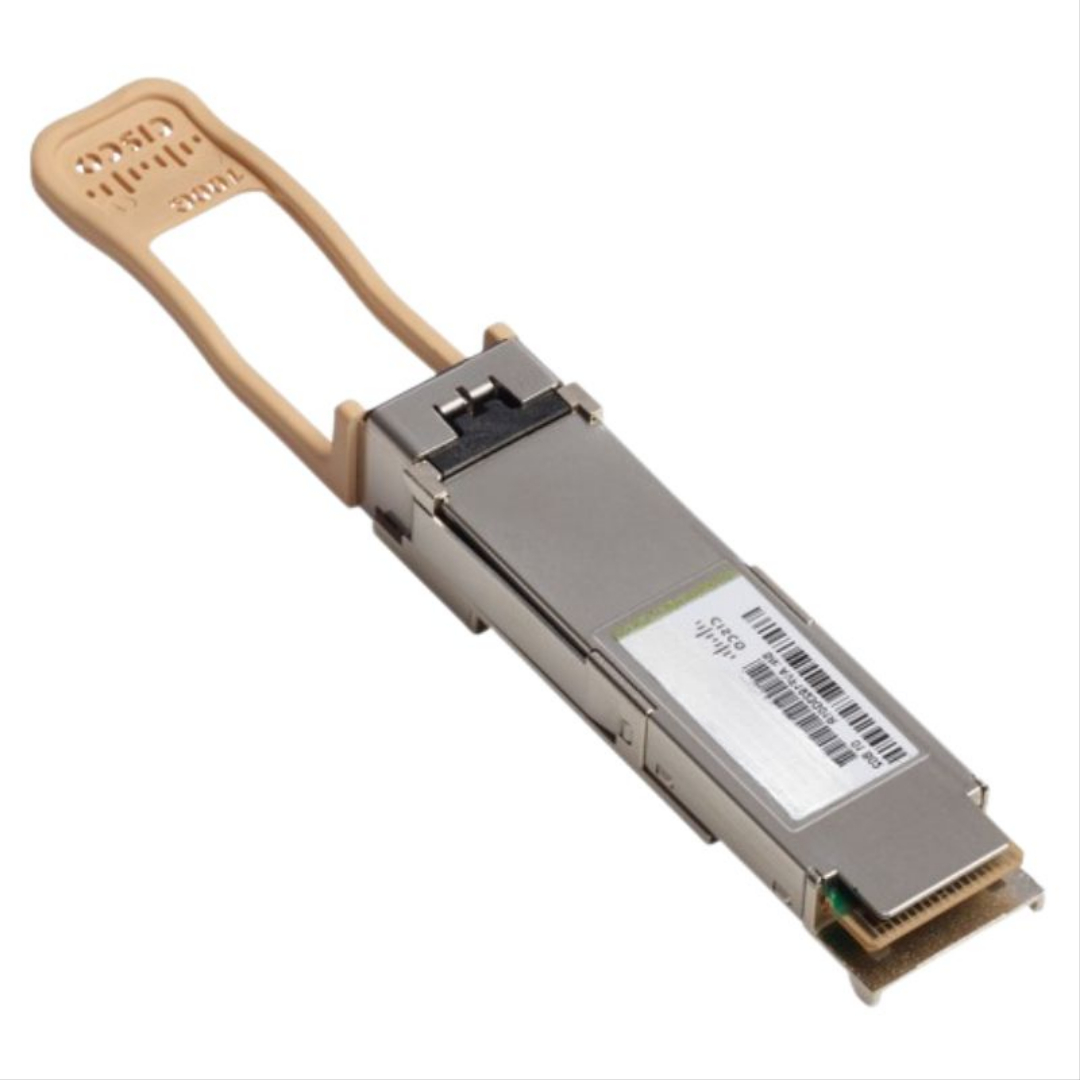
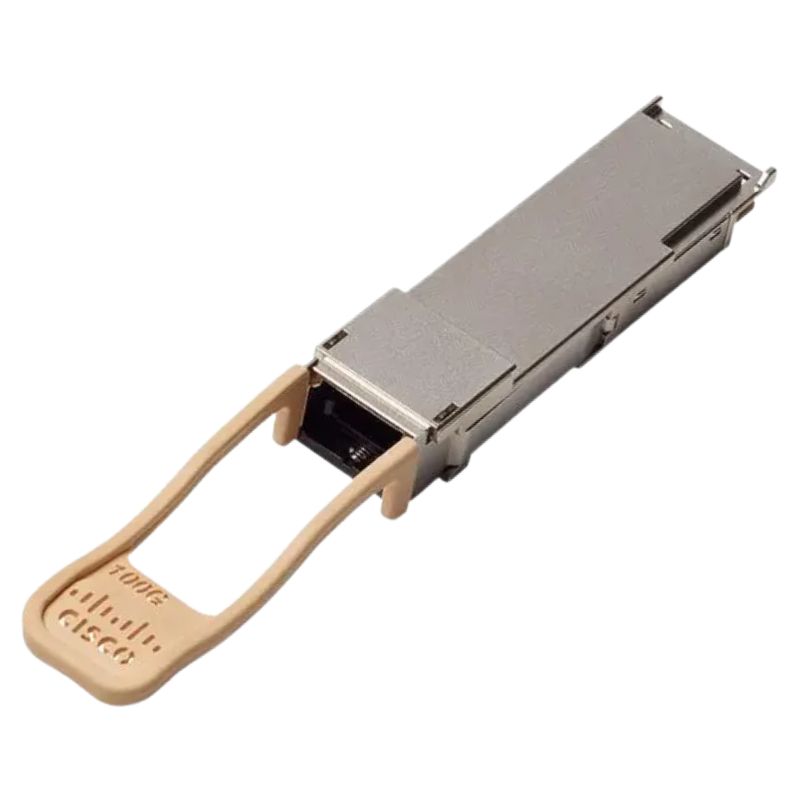
Cisco QDD-2X100-SR4-S 2X100G QSFP-DD Transceiver, 2X 100GBASE-SR4, 2X Duplex CS, 100m MMF. Excellent Refurbished with 1 year replacement warranty
The Cisco QDD-2X100-SR4-S is a dual-lane QSFP-DD optical transceiver built for modern data centers that demand ultra-high throughput in a compact footprint. Engineered by Cisco, this 2×100G module delivers two independent 100GBASE-SR4 channels over multimode fiber, leveraging duplex CS connectors and a short-reach 850 nm optical interface to achieve reliable links up to 100 meters on OM4 MMF. Its QSFP-DD form factor enables dense aggregation for spine-leaf fabrics, high-performance compute clusters, and hyperscale switching platforms.
Manufacturer: Cisco
Model / SKU: QDD-2X100-SR4-S
Form factor: QSFP-DD (Quad Small Form-Factor Pluggable Double Density)
This transceiver operates with standard Gigabit Ethernet physical layers and is suitable for 100 Gigabit Ethernet fabrics. Because it is a Cisco-branded module, you’ll find seamless integration and validated support across Cisco Nexus and Catalyst platforms. It supports link aggregation, MLAG/fabric features, and standard auto-negotiation behaviors where applicable for 100G ports.
The Cisco QDD-2X100-SR4-S is a dual-lane QSFP-DD optical transceiver built for next-generation data centers, hyperscale networks, and high-performance campus fabrics. Each module provides two independent 100GBASE-SR4 channels in a single QSFP-DD form factor and uses duplex CS connectors, delivering short-reach multimode fiber (MMF) connectivity up to 100 meters on OM4 fiber (up to lower distances on OM3). This design maximizes port density while preserving backward compatibility and straightforward deployment in environments demanding extreme throughput with tight rack space constraints.
The transceiver uses the QSFP-DD (Quad Small Form-Factor Pluggable Double Density) mechanical specification. QSFP-DD doubles the electrical lane count and increases bandwidth potential compared to QSFP28 while remaining hot-pluggable. The module integrates two 100G channels, each terminated with a duplex CS connector pair for simplified cabling and lower loss compared to MPO in some deployments.
The module adheres to the QSFP-DD electrical pinout and power budgets, leveraging dual 100G electrical lanes with efficient power utilization. Thermal design ensures reliable operation across typical data-center ambient temperatures; consult platform compatibility lists for exact operating temperature ranges and required airflow.
Designed and qualified to work with a broad range of Cisco switching and routing platforms that accept QSFP-DD modules, the QDD-2X100-SR4-S offers plug-and-play recognition, platform validation, and telemetry integration. For field deployments, verify platform firmware and hardware compatibility in Cisco release notes or hardware guides before large orders to ensure best results.
While this transceiver is Cisco-branded and Cisco-qualified, it follows IEEE optical interface standards for 100GBASE-SR4. Many organizations mix and match optics from multiple vendors; however, interoperability depends on switch/router vendor policies and firmware. For multi-vendor compliance, validate link bring-up, auto-negotiation behavior, and diagnostic reporting between devices prior to production cutovers.
The QSFP-DD form factor is engineered for high-port densities and to provide a migration path from QSFP28/40 to higher lane counts. The QDD-2X100-SR4-S benefits from systems that support QSFP-DD cages/slots and is often used with breakout cabling for flexible connectivity (e.g., to multiple 100G ports or to pair with 4×25G/4×10G modules in other configurations, depending on platform support).
The transceiver is ideal for dense spine-and-leaf topologies where high aggregate inter-switch bandwidth is required. Two 100G channels per physical port allow architects to scale east-west traffic while saving slot and cabling real estate. Typical use cases:
Hyperscalers favor modules that increase per-RU (rack unit) capacity while minimizing transceiver count. The doubled channel approach reduces unit cost per aggregated bandwidth and simplifies cabling for redundant, high-availability architectures.
HPC clusters with significant east-west MPI traffic or storage-to-compute flows use short-reach multimode optics to maintain very low latency and high bandwidth between compute racks, especially in contained campus or data hall layouts where fiber lengths remain within MMF reach budgets.
QSFP-DD maintains a hot-swappable profile similar to QSFP28 but with additional mechanical contacts to support the higher lane density. Technicians can insert and remove modules without powering down devices, enabling non-disruptive maintenance and rapid swaps.
The transceiver supports digital diagnostic monitoring (DDM/DOM), enabling real-time access to optical parameters such as laser bias, transmit/receive power, temperature, and supply voltage. These metrics provide early warning signs of fiber degradation or module failure, and they integrate with modern network management platforms for proactive maintenance.
When used in Cisco platforms, optics telemetry typically flows into the device's management stack and can be consumed by controller software, SDN controllers, or network monitoring tools for trend analysis, threshold alerts, and automated remediation workflows.
Cisco transceivers generally meet global safety and electromagnetic compatibility standards. Confirm specific product datasheets for certification lists (e.g., CE, FCC, RoHS, REACH) to satisfy procurement and compliance teams, especially for cross-border deployments.
Modern optical modules are manufactured with material and power efficiency in mind. Many vendors publish lifetime, RoHS-compliance, and end-of-life recycling guidelines — check Cisco's environmental documentation if sustainability reporting or recycling policies are part of your organization's vendor evaluation.
Evaluate current and projected traffic patterns. If you expect continued growth, opt for transceivers that maintain consistent power and thermal footprints while enabling higher aggregate bandwidth via additional lanes or denser port counts.
Maintain a strategic spare inventory for critical links. Keep at least 5–10% of deployed module counts as spare stock or maintain vendor replacement SLAs to reduce MTTR. Track firmware and platform compatibility lifecycles to plan staged migrations from QSFP28 to QSFP-DD.
QSFP28 modules provide single 100G channel per form factor; QSFP-DD's dual-lane approach increases per-port bandwidth density. Choose QSFP28 for simpler lane counts or when existing chassis have only QSFP28 cages and no QSFP-DD support.
MPO connectors (12-fiber) are widespread for parallel optics. Duplex CS uses two duplex links and a compact mechanical interface. CS connectors can simplify some patching scenarios and may reduce mismatches with certain fanout assemblies. Choose based on your cabling infrastructure, pre-terminated harness availability, and fiber management preferences.
Many network designs use breakout cables or adapter panels to convert one physical QSFP-DD port into multiple lower-speed ports (e.g., 2×100G or 8×25G, depending on platform lane mapping). Understand the switch ASIC’s lane mapping and supported breakout modes prior to cable selection to guarantee electrical and logical alignment.
QSFP-DD is a stepping stone to next generation pluggables that support 400G and beyond. Selecting QSFP-DD-capable hardware today enables smoother upgrades as optics evolve to higher lane speeds while preserving cabling investment where feasible.
Schedule periodic optical testing to validate insertion loss and reflectance. Track DDM metrics over time to identify slow degradation before catastrophic failure.
Maintain a migration roadmap. When phasing in newer pluggables or migrating to denser line cards, align transceiver EOL timelines with hardware refresh cycles to minimize stranded assets.
Use this transceiver when your requirements include:
Replace pairs of QSFP28 uplinks with single QSFP-DD ports carrying two 100G channels to consolidate front panel space and simplify patch panels. This approach reduces switch card consumption and lowers cabling footprint in data halls.
Colocation providers can offer higher port densities and simplify cross-connect operations by using duplex CS cabling and standardized breakout assemblies, enabling faster tenant provisioning and predictable link performance.


 Contact Us
 Information
 Catalog
 Solid State Drives (SSD)
 Network Switches
 Hard Disk Drives
 HBA & Controllers
 PC & Servers
 PC & Server Memory
 CPU & Processors
 Network Routers
 Power Supplies
 Tape Drives & Libraries
 Network Devices
 Computer & Network Cables