(7% discount is applied at checkout)
Cart is empty
Your go-to destination for cutting-edge server products
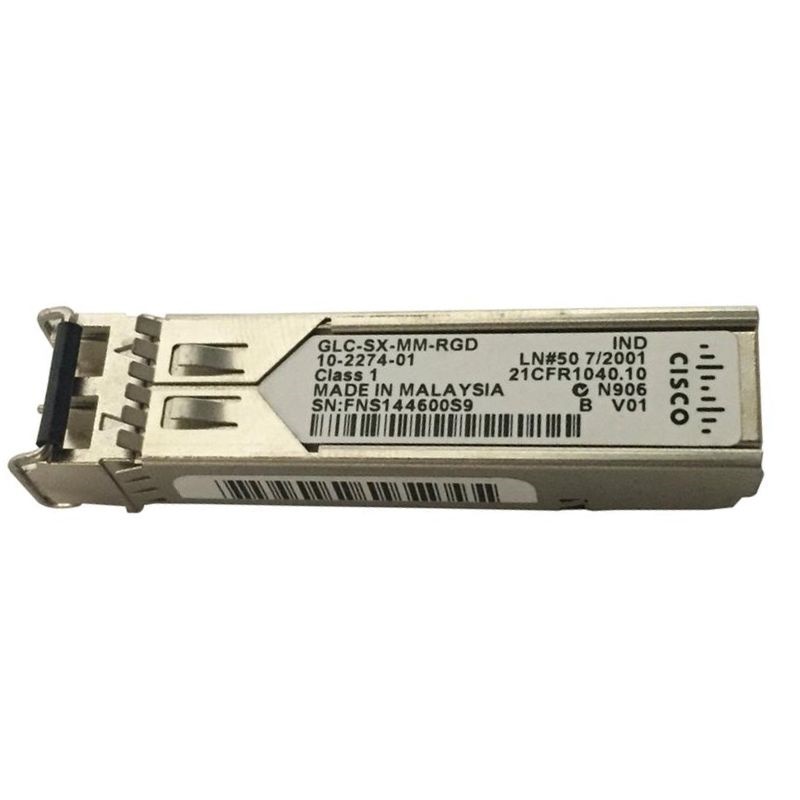


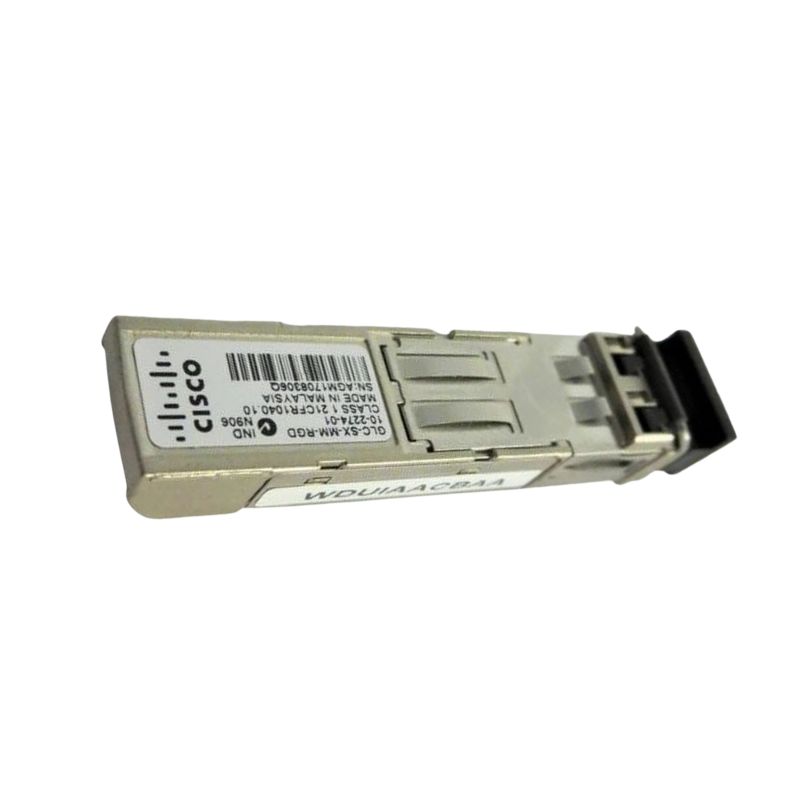
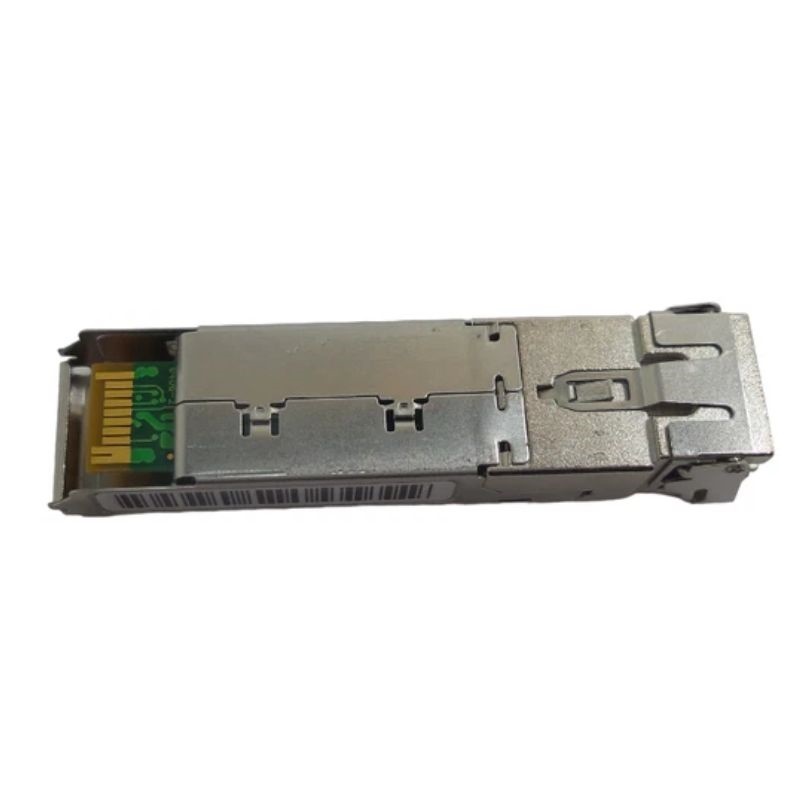
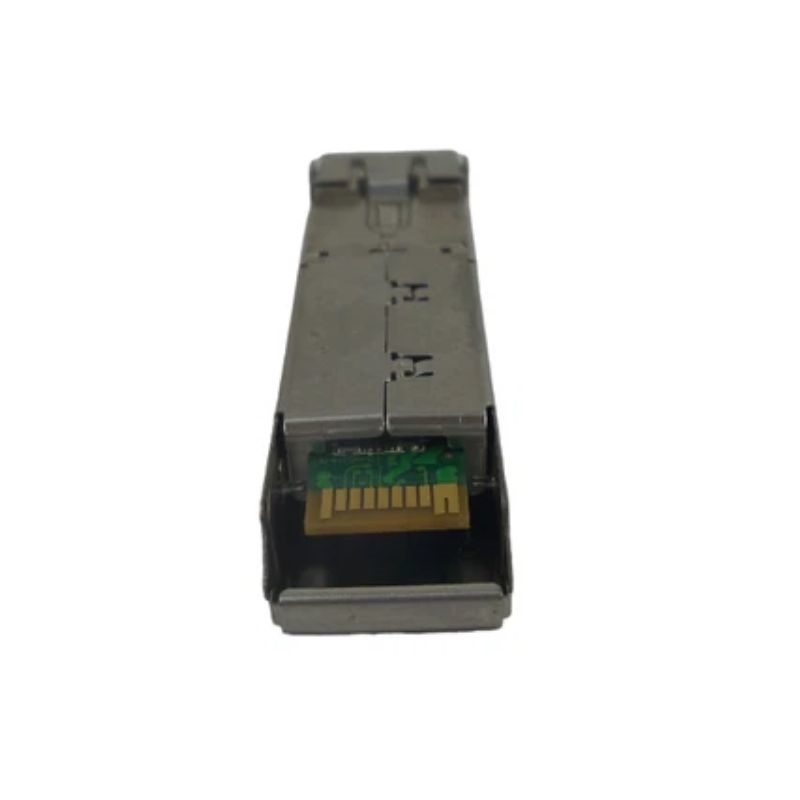
Cisco 10-2274-01 Rugged SFP LC to PC Multi-Mode 1GBPS Transceiver. Factory-Sealed New in Original Box (FSB) with 1 year replacement warranty
Engineered for demanding environments, the Cisco 10-2274-01 is a ruggedized Small Form-Factor Pluggable module that delivers reliable 1 Gbps connectivity over multimode fiber. With an LC/PC interface and 1000BASE-SX signaling at 850 nm, it’s a compact plug-in that keeps networks swift and stable.
The Cisco 10-2274-01 rugged SFP represents a specialized class of industrial-grade optical modules designed for dependable 1 Gbps connectivity over multimode fiber. This category focuses on compact hot-swappable small form-factor pluggable (SFP) optics that use an LC duplex interface on the fiber side and a standard Serial/SerDes electrical interface to the host (often colloquially called “PC” or host port). In practice, these modules are chosen when network architects need the flexibility of SFP slots, the noise immunity and distance benefits of fiber, and the resilience required for harsh or mission-critical environments. Within this category, the 10-2274-01 sits alongside other multimode 1G transceivers, but distinguishes itself with ruggedization features that aim to handle wider operating conditions and sustained uptime demands typical of industrial automation, transportation, energy, defense, or outdoor enterprise deployments.
While different deployments may emphasize different performance characteristics—distance on various fiber grades, connector durability, or environmental tolerance—the common thread is predictable Gigabit Ethernet performance, simplified sparing, and broad platform compatibility. The SFP form factor lets integrators standardize across routers, switches, firewalls, and media converters, reducing operational complexity and enabling quick field replacement. This page explores the category in depth: physical characteristics, functional behavior, optical budgets, common use cases, interoperability notes, installation best practices, and procurement considerations for organizations building multimode fiber links with rugged Cisco-class SFP modules.
Industrial and extended-enterprise networks are hybrid by necessity. Copper runs are convenient but limited by EMI susceptibility and length. Single-mode optics excel at long distances, yet often overshoot the needs of campus, factory floor, in-building riser, or transportation node interconnects where fiber is already present and distances are moderate. Multimode LC SFPs at 1 Gbps neatly fill this middle ground, providing low-latency, cost-effective fiber links over prevalent OM2/OM3/OM4 cabling infrastructures.
Within that landscape, a rugged SFP such as Cisco 10-2274-01 extends the deployment envelope: from climate-controlled distribution frames to edge cabinets near production lines, roadside cabinets, rail platforms, energy substations, and distributed security or surveillance backbones. The ability to tolerate non-ideal ambient conditions, vibration, and fluctuating supply quality—coupled with the familiarity of the SFP ecosystem—simplifies lifecycle management and reduces total cost of ownership.
Although specific published values vary by manufacturer edition and hardware revision, rugged multimode 1 Gbps LC SFPs generally share a common behavioral profile. They are optimized for short-to-medium reach over duplex multimode fiber. The optical wavelength is typically associated with short-wavelength 850 nm emitters, aligning with common 1000BASE-SX-type designs. This wavelength works synergistically with OM2/OM3/OM4 cables widely deployed in enterprise and campus environments.
Distance realities depend on the installed fiber grade, connector quality, and patching practices. As a general orientation for multimode optics in this class, it’s common to see short-reach behavior on legacy OM1 and progressively longer reach on OM2/OM3/OM4 when link loss budgets are respected and connectors are within spec. Network planners should validate their link budget by accounting for patch panels, intermediate splices, and any modal bandwidth constraints of the installed fiber. Ruggedization does not directly increase optical reach; rather, it helps maintain stable performance across a broader range of environmental conditions that might otherwise degrade marginal links.
Rugged SFPs in this category often emphasize robust metallic housings, improved latching mechanisms, and careful thermal conduction pathways. The module envelope is designed for rapid insertion and extraction while preserving alignment of the LC ferrules to minimize insertion loss and reflection. Industrial contexts introduce vibration, so mechanical tolerances and retention forces are tuned to avoid micro-movement that could interrupt the optical path or cause intermittent electrical contact with the host cage.
At 1 Gbps, multimode SFPs dissipate modest power compared with higher-rate optics, but prolonged operation in enclosures with limited airflow still requires attention. Rugged units are engineered to conduct heat to the SFP cage and surrounding chassis, maintaining transceiver components within stable ranges. Deployments should ensure that stacked ports have adequate convective paths and that dust filters or cabinet fans are serviced according to schedule.
Industrial-grade positioning entails more than temperature tolerance. Modules in this class are selected for enhanced resistance to shock, vibration, and environmental contaminants. While transceivers are not exposed components, dust and humidity can affect cages, patch cords, and connector endfaces; rugged modules complement good hygiene practices (cleaning, inspection) with stable internal construction that remains reliable under physical stress.
Cisco-class rugged SFPs are designed to work in Cisco devices with SFP slots that support 1 Gbps multimode optics. Many platforms can recognize module identity information through the digital diagnostics monitoring interface (DDMI/DOM) and EEPROM descriptors, enabling inventory and proactive monitoring. Interoperability across a link requires that both ends use compatible multimode transceivers with matched wavelength characteristics and similar transmit/receive sensitivities. In homogeneous Cisco environments, administrators typically choose paired optics from the same category for predictability.
DOM provides near-real-time insight into parameters such as temperature, supply voltage, laser bias current, transmit power, and receive power. Rugged SFPs leveraging DOM give operators a window into link health. Rising receive power in noise-prone areas, temperature excursions in sealed cabinets, or abnormal bias currents can indicate impending issues—allowing intervention before a service-impacting failure occurs. For long-lived industrial deployments, DOM-enabled trend tracking is invaluable for preventative maintenance.
In planning, treat the rugged SFP like any MM 1G optic: tally insertion loss of connectors, patch fields, and splices; consider fiber attenuation per kilometer; and assess modal bandwidth characteristics for older OM grades. Rugged units deliver consistent performance across conditions, but optical physics remain the same. Keep patch cords short and high-quality, minimize unnecessary interconnects, and maintain clean endfaces. Where legacy OM1 is present, evaluate whether distances fall within typical short-reach expectations or whether a cable upgrade to OM3/OM4 is justified for better margin.
The SFP standard supports hot-swapping. Still, observe change-control hygiene: disable the interface if policy requires, carefully release the latch, withdraw the module straight out, cap the optic and fiber ends, and insert the replacement smoothly. After insertion, give the host a moment to recognize the module, verify link LEDs, and check interface status and DOM readings. Ruggedization does not eliminate ESD best practices; discharge yourself and avoid handling the optical endfaces.
Environmental stresses can manifest as intermittent errors, CRCs, or flaps if the link margin is thin. Rugged multimode SFPs help maintain interface stability by keeping internal components within expected operating windows even as ambient conditions vary. With robust housings and stable connectors, mechanical disruptions that could momentarily decouple alignment are less likely. This stability is crucial for time-sensitive traffic in SCADA, CCTV backhaul, and voice systems that require deterministic performance even at modest traffic volumes.
Industrial cabinets often contain high-voltage equipment, motors, or variable-frequency drives that produce EMI. Optical fiber is inherently immune to electromagnetic interference, a major advantage over copper. By pairing a rugged SFP with multimode fiber, operators isolate the data path from electrical noise sources while also eliminating the risk of ground loops between cabinets. This isolation contributes to safer, cleaner network designs aligned with industrial safety practices.
At 1 Gbps over multimode, propagation delay is minimal across typical in-building distances. Where deterministic behavior is required—such as time-sensitive sensor data or control signals—the consistency of fiber and the stable clocking of Gigabit Ethernet links help maintain predictable performance. Rugged SFPs support this objective by reducing the likelihood of temperature-driven drift or intermittent mechanical issues that could lead to micro-interruptions.
This category centers on LC duplex connectors for their compact footprint and reliable mating in high-density panels. Best practices include using locking tabs gently (to avoid clip damage), routing cords with strain relief, and periodically inspecting adapters for wear. In industrial cabinets where vibration is present, the compact LC interface is advantageous—less mass means fewer inertial forces on the ferrules—though ensuring high-quality adapters and compliant cordage remains essential.
Even rugged optics cannot compensate for dirty or scratched endfaces. A simple inspect-clean-inspect discipline with appropriate One-Click tools or lint-free wipes and approved solvents will prevent the majority of link issues. Record inspection results for critical circuits as part of commissioning documentation, creating a traceable quality baseline.
Many organizations plan staged upgrades: start with 1 Gbps multimode links using rugged SFPs, then later introduce higher-rate optics where needed. The LC cabling foundation often remains usable, especially on OM3/OM4 trunks, though distance capabilities and optics types change at higher speeds. By adopting disciplined cabling practices now, teams preserve flexibility for future 10G or beyond in segments of the network that warrant it. Meanwhile, for supervisory or control networks where 1G suffices, the rugged SFP approach continues to provide stable, predictable transport.
In operational technology (OT) networks, it’s common to encounter devices that expose only copper interfaces. Rugged multimode SFPs in Cisco switches can uplink to compact industrial media converters equipped with complementary multimode optics, enabling fiber extensions into EMI-rich areas while retaining copper at the device edge. Ensure that converters and OT switches support the same link characteristics and verify that their optical budgets align with planned patching.
Rugged components are one pillar of high availability; topology and design are the others. For critical links, consider paired fiber paths with link aggregation or rapid spanning-tree configurations. When using two rugged 1G SFPs across diverse routes, maintenance on one path does not interrupt service. DOM analytics can be used to preemptively identify a degrading path and fail traffic over deliberately during a maintenance window rather than during an unplanned event.
Even rugged modules benefit from thoughtful enclosure design: filtered airflow, sun shields on outdoor cabinets, desiccant packs where humidity is a concern, and cable management that avoids strain on LC connectors. If the enclosure hosts power electronics, separate fiber patching away from heat sources or high-frequency switching elements. The goal is to give the transceiver a supportive environment so its rugged design becomes an additional safety margin rather than the sole line of defense.
Optical modules live at Layer 1, but they intersect with security in several ways. Physical security is the first concern: lock cabinets, control keys for patch panels, and document chain of custody for transceiver handling. Operationally, use platform features to disable unused SFP ports and monitor link state for anomalies. DOM can detect unexpected swings in received power that may suggest accidental or intentional disturbances along the path. In environments where change control is strict, maintain an inventory of module serials and deployment locations to ensure tamper evidence and traceability.
Multimode 1 Gbps LC SFPs align with widely recognized Ethernet optical practices. Documentation should include module part numbers, fiber plant type (OM grade, connector style, distances), insertion loss measurements, and turn-up test results (light levels and BER if tested). A well-kept record accelerates audits, troubleshooting, and capacity planning. Rugged variants often appear in bills of materials for industrial or transportation projects where compliance documentation and long-term support commitments are required.
Industrial and outdoor networks value long service intervals. Adopt practices that reduce truck rolls:
When specifying a Cisco 10-2274-01-class rugged multimode SFP, evaluate:
Many industrial environments rely on pre-terminated LC cassettes and robust patch panels to facilitate orderly fiber distribution. Field-terminated connectors are still common in retrofits; ensure technicians use proper curing, polishing, and inspection techniques. APC vs. UPC is less of a focus in multimode LC systems than in some single-mode deployments, but maintaining consistent connector types and high-quality mating surfaces remains mission-critical. Convert legacy ST/SC runs to LC using appropriate couplers or new jumpers with attention to loss budgets.
Adopt a standardized labeling convention: cabinet-rack-U-port, fiber ID, and destination pairs. Print labels resistant to oils and heat, especially in industrial enclosures. Tie labels to digital documentation—drawings, patch maps, and inventory systems—so that a field technician can correlate a physical port to a configuration record instantly. This practice enables faster troubleshooting and safer change control.
For large projects, consider a brief burn-in period where new rugged SFPs are powered on in a staging rack to validate DOM stability and link behavior before field deployment. This pre-screening, combined with inspection of LC patch cords, dramatically improves first-time-right installation rates and reduces callbacks. In regulated industries, store QA records with module serial numbers and test results for audit trails.
Technicians should be trained in fiber safety—never look into fiber ends, cap unused connectors, and secure patch cords to avoid trip hazards. In industrial settings, coordinate with safety officers on lockout/tagout procedures when cabinets share space with power systems. Provide PPE appropriate to the environment and ensure that cleaning materials and inspection scopes are available at each site.
Rugged optics are small, but responsible lifecycle management matters. Retire modules according to organizational e-waste guidelines and local regulations. Where possible, consolidate truck rolls and leverage remote diagnostics to minimize travel emissions for maintenance. Durable optics that last longer reduce material turnover and packaging waste over the lifetime of a network.
Across industrial and extended-enterprise deployments, several patterns recur:
Some deployments encounter atypical conditions: extended temperature ranges due to solar loading on outdoor cabinets; chronic vibration near heavy machinery; or intermittent power quality that affects host devices. Rugged multimode SFPs help, but consider complementary mitigations: sun shields, vibration-dampening mounts, better cabinet insulation, and stable power feeds. Where fibers transition between indoor and outdoor environments, use proper rated cables and ensure that condensation is managed to protect patch points.
Legacy buildings or brownfield industrial sites often host mixed fiber types, splices from past expansions, and documentation gaps. A pragmatic approach is to test each span with a light source and power meter (or OTDR where available) and then segment the network according to real-world loss characteristics. Use rugged multimode SFPs in areas subject to temperature swings or vibration, and consider upgrading short, problematic spans rather than the entire plant.
To keep networks healthy, track a concise set of metrics:
Review these metrics quarterly and tie them to proactive actions: scheduling cleaning, adjusting cabinet airflow, or preemptively replacing aging patch cords. Rugged modules contribute to better numbers by remaining stable under non-ideal conditions, but disciplined operations close the loop.
Beyond the module itself, successful deployments rely on quality accessories: LC dust caps, ruggedized patch cords, labeled cable ties, and compact inspection scopes. Consider DIN-rail media converters, PoE industrial switches for device aggregation, and environmental sensors for cabinet monitoring. When these building blocks are chosen with the same rigor as the transceiver, the entire link path becomes more resilient.
During commissioning, set clear acceptance criteria: link up at expected speed/duplex, error-free operation over a soak period, DOM values within predefined ranges, and documented patch maps. For sites with strict SLAs, add packet capture spot checks or BER testing as appropriate. Capture photographs of patch fields for documentation, showing LC routing and labels
IT and OT convergence efforts benefit from standardized components. By adopting a common multimode rugged 1G SFP across departments—security, facilities, operations—organizations streamline spares, training, and support. Over time, this uniformity translates into faster deployments, fewer compatibility surprises, and simplified vendor management.


 Contact Us
 Information
 Catalog
 Solid State Drives (SSD)
 Network Switches
 Hard Disk Drives
 HBA & Controllers
 PC & Servers
 PC & Server Memory
 CPU & Processors
 Network Routers
 Power Supplies
 Tape Drives & Libraries
 Network Devices
 Computer & Network Cables