(7% discount is applied at checkout)
Cart is empty
Your go-to destination for cutting-edge server products
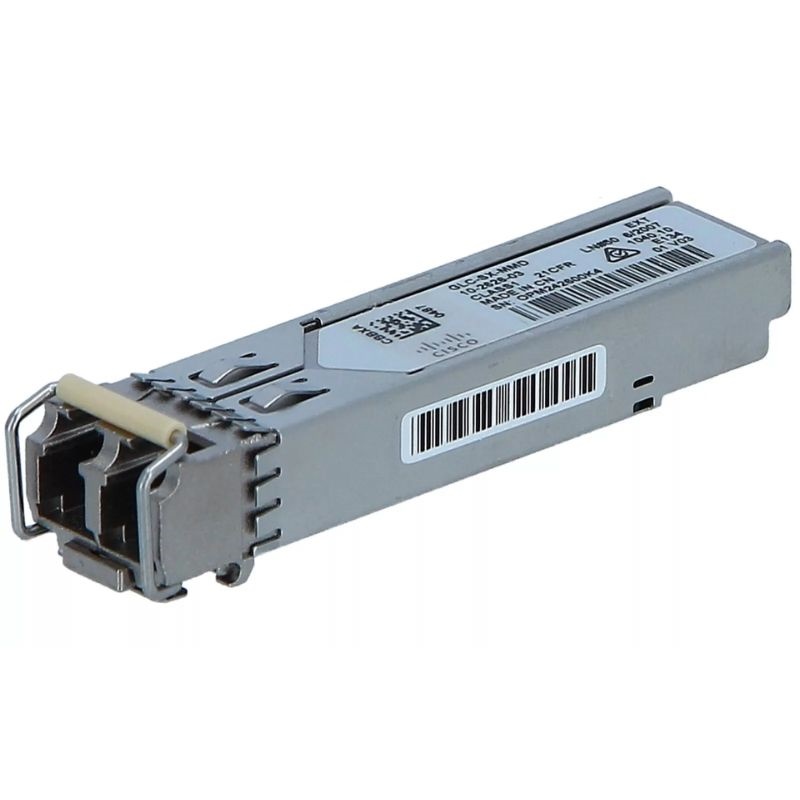


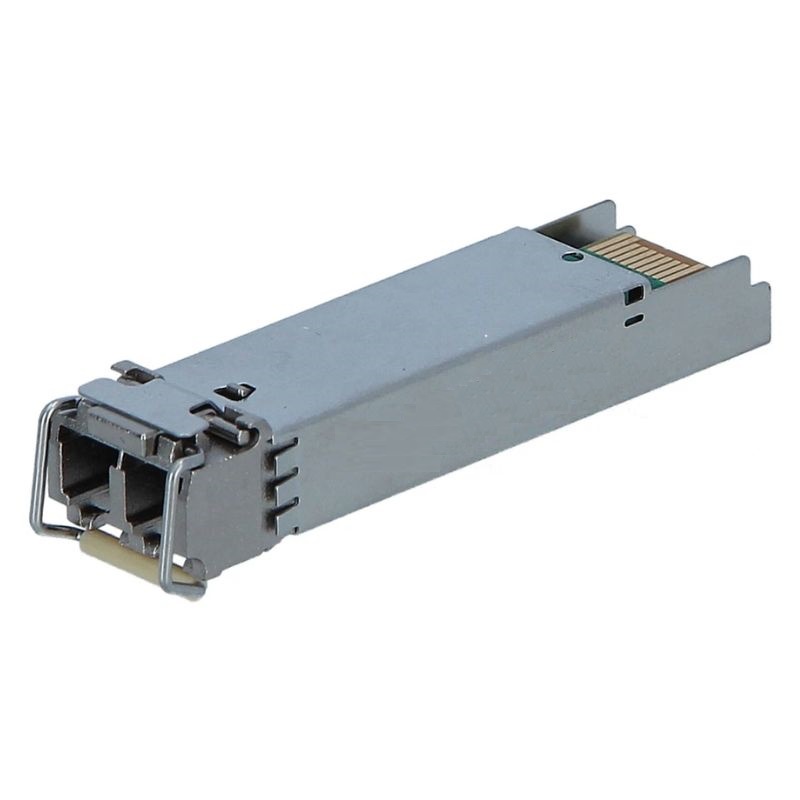
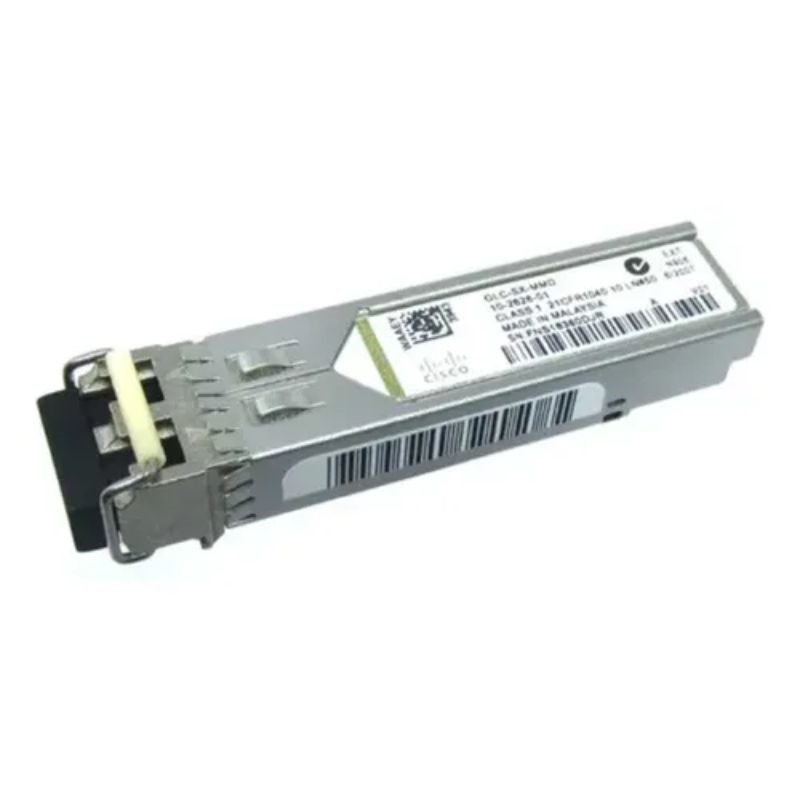
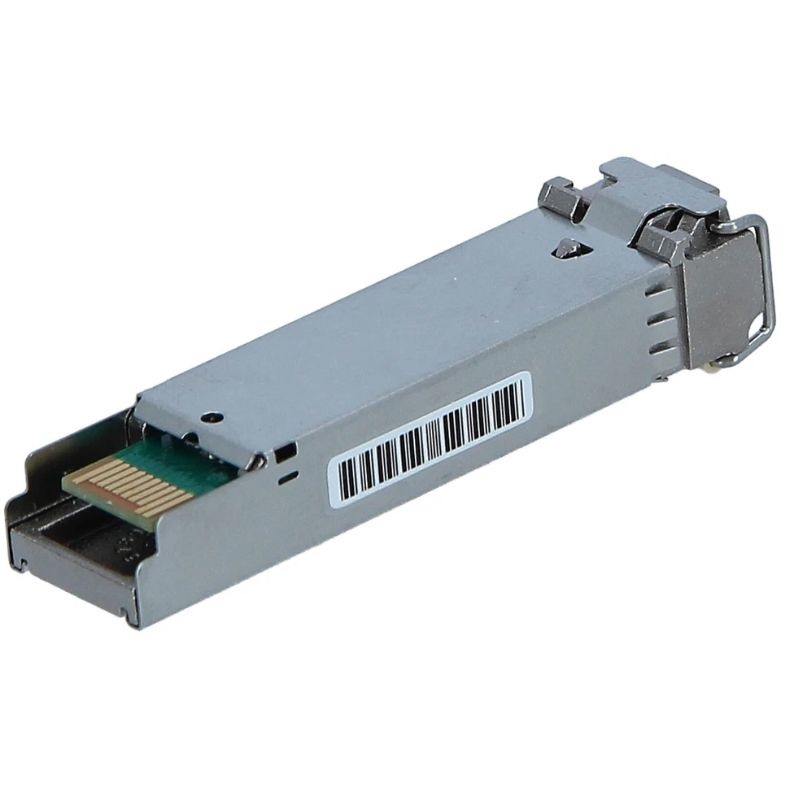
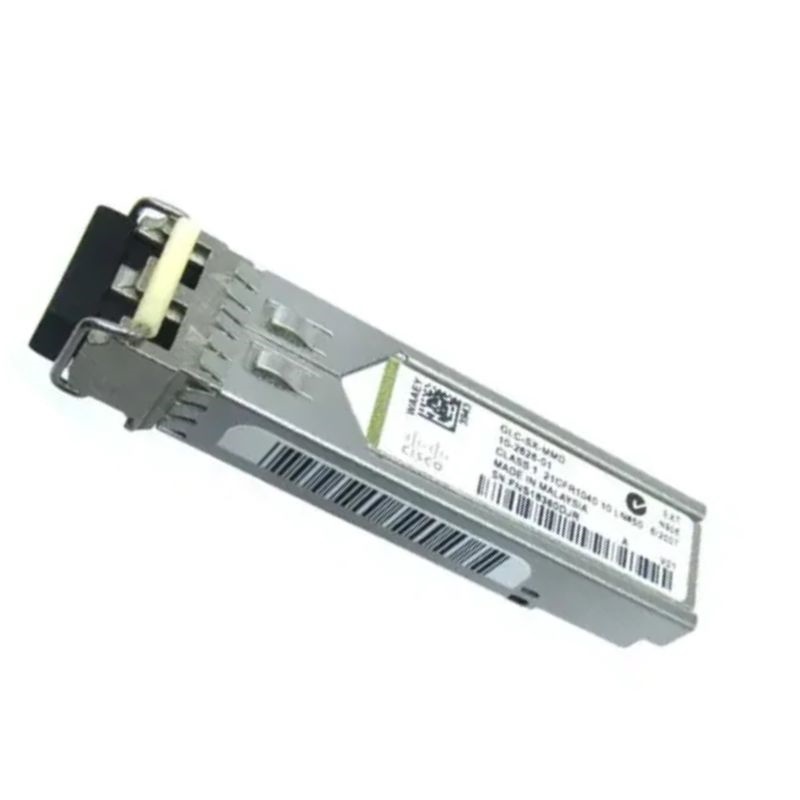
Cisco 10-2626-03 1GBPS SFP Lc/pc Multi-mode Transceiver Module. Excellent Refurbished with 1 year replacement warranty
| SKU/MPN | Warranty | Price | Condition | You save |
|---|---|---|---|---|
| 10-2626-03 | 1 Year Warranty | $48.00 | Excellent Refurbished | You save: $16.80 (26%) |
| 10-2626-03 | 1 Year Warranty | $150.00 | Factory-Sealed New in Original Box (FSB) | You save: $52.50 (26%) |
The Cisco 10-2626-03 1Gbps SFP LC/PC Multi-mode Transceiver Module is a high-performance optical networking component designed to deliver reliable Gigabit Ethernet connectivity across enterprise and data center environments. Built with Cisco’s proven engineering standards, this plug-in small form-factor pluggable (SFP) module ensures stable, fast, and efficient data transmission over multimode fiber infrastructure.
The Cisco 10-2626-03 1Gbps SFP LC/PC Multi-mode Transceiver Module is a high-performance Small Form-Factor Pluggable optical networking component designed for enterprise-grade data communication environments. It is widely deployed in access layers, aggregation networks, and core switching environments where reliable Gigabit Ethernet connectivity is required. The module is engineered to deliver consistent 1Gbps throughput, optimized signal integrity, and low latency performance across short to medium distance fiber links.
The Cisco 10-2626-03 SFP transceiver module is designed with high-density networking environments in mind, allowing multiple optical interfaces to coexist within a compact switch or router chassis. Its small form-factor design enables network engineers to scale infrastructure without consuming excessive physical space. This is particularly beneficial in modern data centers where rack space optimization and port density are essential performance criteria.
One of the key architectural strengths of this module is its modularity. It supports hot-swappable installation, which allows network administrators to replace or upgrade transceiver units without shutting down the system. This flexibility ensures minimal network downtime and supports continuous service availability, which is critical for enterprise applications, cloud computing environments, and mission-critical systems.
The Cisco 10-2626-03 module supports a data transfer rate of up to 1 Gigabit per second, making it suitable for Gigabit Ethernet applications. This level of performance ensures smooth handling of high-volume data traffic, including voice, video, and large data file transfers. The stable throughput helps maintain consistent application performance across networked environments.
This transceiver is optimized for multimode fiber (MMF) infrastructure, which is commonly deployed in enterprise campuses and intra-building network backbones. Multimode fiber allows light to travel through multiple propagation paths, making it ideal for short-range communication with high bandwidth efficiency. The module is engineered to reduce modal dispersion and maintain signal clarity over supported distances.
The module operates using carefully calibrated optical wavelengths to ensure minimal signal distortion and maximum transmission reliability. By maintaining precise optical alignment, the transceiver reduces attenuation and ensures data integrity even in environments with electromagnetic interference or dense cabling installations.
The LC connector interface used in this module is known for its compact design and high precision alignment. LC connectors are widely used in modern fiber optic systems due to their ability to support high-density patching environments. The reduced physical footprint allows more connections per rack unit, improving overall infrastructure scalability.
The PC (Physical Contact) polish type ensures minimal air gap between fiber connections, resulting in reduced back reflection and improved signal transmission quality. This contributes significantly to reducing packet loss and enhancing overall network stability, particularly in environments requiring continuous data flow.
The LC/PC interface combination ensures long-term durability and consistent optical performance. The connectors are designed to withstand repeated insertion cycles without degradation in signal quality, making them suitable for dynamic network environments where frequent reconfiguration is required.
The Cisco 10-2626-03 module is engineered for seamless integration with a wide range of Cisco switching and routing platforms. It is commonly deployed in Catalyst series switches and other enterprise-grade network devices that require reliable Gigabit Ethernet connectivity. Its compatibility ensures streamlined deployment within existing Cisco-based infrastructures.
Beyond Cisco-native environments, the module is also capable of operating in heterogeneous network infrastructures where standard-compliant SFP slots are available. This interoperability makes it a versatile choice for organizations that manage mixed-vendor networking environments while still maintaining performance consistency.
The transceiver supports scalable deployment strategies, allowing organizations to expand from smaller network setups to larger distributed architectures. It can be used in both legacy and modern systems where Gigabit Ethernet remains a core connectivity standard.
The module is optimized for low latency communication, which is essential for real-time applications such as VoIP, video conferencing, and financial data processing systems. By minimizing transmission delay, it ensures that critical data flows remain synchronized across distributed network nodes.
In high-density rack environments, electromagnetic interference can affect signal quality. The Cisco 10-2626-03 module incorporates shielding and signal conditioning mechanisms that help maintain stable performance even in tightly packed installations.
Advanced optical calibration techniques are used to reduce bit error rates during transmission. This ensures that data integrity is preserved across fiber links, minimizing retransmissions and improving overall network efficiency.
In enterprise campuses, this transceiver module is widely used to connect switches across different buildings or floors. It provides reliable short-to-medium distance connectivity between access and distribution layers, ensuring smooth internal communication within the organization.
Within data centers, the module supports server-to-switch and switch-to-switch communication, enabling efficient data handling in virtualization environments. Its high-speed performance ensures that cloud workloads and storage systems remain synchronized and responsive.
Telecommunication providers utilize this module in metro Ethernet networks where stable and scalable fiber connectivity is required. Its compatibility with multimode fiber allows for efficient deployment in controlled infrastructure zones such as central offices and network aggregation points.
Industrial environments benefit from the robustness and stability of this transceiver, especially in manufacturing plants, automation systems, and control centers where uninterrupted data flow is essential for operational continuity.
The module supports hot-swapping, enabling installation or replacement without shutting down the host device. This feature reduces downtime and allows network administrators to perform upgrades or maintenance with minimal operational disruption.
Proper alignment of LC connectors is essential for optimal performance. Ensuring clean and correctly seated fiber ends helps maintain signal clarity and reduces insertion loss, contributing to overall network reliability.
When inserted into compatible Cisco devices, the module is automatically detected and configured by the system firmware. This plug-and-play capability simplifies deployment and reduces configuration complexity for network engineers.
The Cisco 10-2626-03 module supports scalable network expansion, allowing organizations to increase bandwidth capacity without redesigning existing infrastructure. This makes it a cost-effective solution for growing enterprises.
Designed with energy efficiency in mind, the module consumes minimal power while delivering high-speed performance. This contributes to reduced operational costs in large-scale deployments.
The module is built for continuous operation in mission-critical environments where network downtime is not acceptable. Its robust design ensures consistent uptime and dependable performance under varying network loads.
Compared to traditional copper-based networking solutions, fiber optic transceivers like the Cisco 10-2626-03 provide significantly higher bandwidth capacity, lower latency, and improved resistance to electromagnetic interference.
Multimode fiber modules are typically used for shorter distances within buildings or campuses, while single-mode alternatives are used for long-distance transmission. The Cisco 10-2626-03 is optimized specifically for multimode applications where cost efficiency and high-speed local communication are priorities.
While generic SFP modules may offer basic functionality, Cisco-branded modules provide enhanced compatibility, firmware integration, and reliability within Cisco networking environments, ensuring better long-term stability.
The module is designed to operate within standard enterprise temperature and humidity ranges, ensuring reliable performance in controlled indoor environments such as data centers and server rooms.
Its compact SFP design allows for high port density while maintaining thermal efficiency. This is essential for modern networking equipment where space optimization is a key design factor.
Built with robust materials, the module is resistant to physical wear associated with frequent installation and removal cycles, ensuring long operational life in dynamic network environments.
Although designed for 1Gbps Ethernet, the Cisco 10-2626-03 module fits into scalable infrastructures that may evolve toward higher-speed networking technologies, serving as a foundational component in hybrid environments.
As organizations adopt hybrid cloud models, reliable internal network connectivity becomes essential. This module supports the backbone infrastructure required for stable cloud integration and data synchronization.
Virtualization platforms rely heavily on consistent network performance. The module provides stable connectivity for virtual machine migration, storage replication, and distributed computing workloads.


 Contact Us
 Information
 Catalog
 Solid State Drives (SSD)
 Network Switches
 Hard Disk Drives
 HBA & Controllers
 PC & Servers
 PC & Server Memory
 CPU & Processors
 Network Routers
 Power Supplies
 Tape Drives & Libraries
 Network Devices
 Computer & Network Cables