(7% discount is applied at checkout)
Cart is empty
Your go-to destination for cutting-edge server products
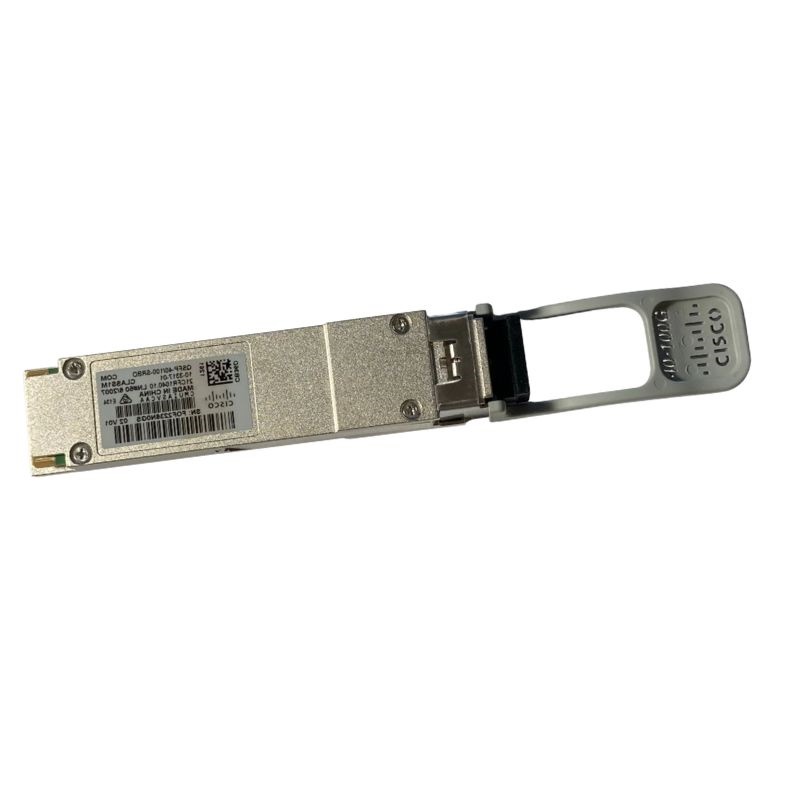


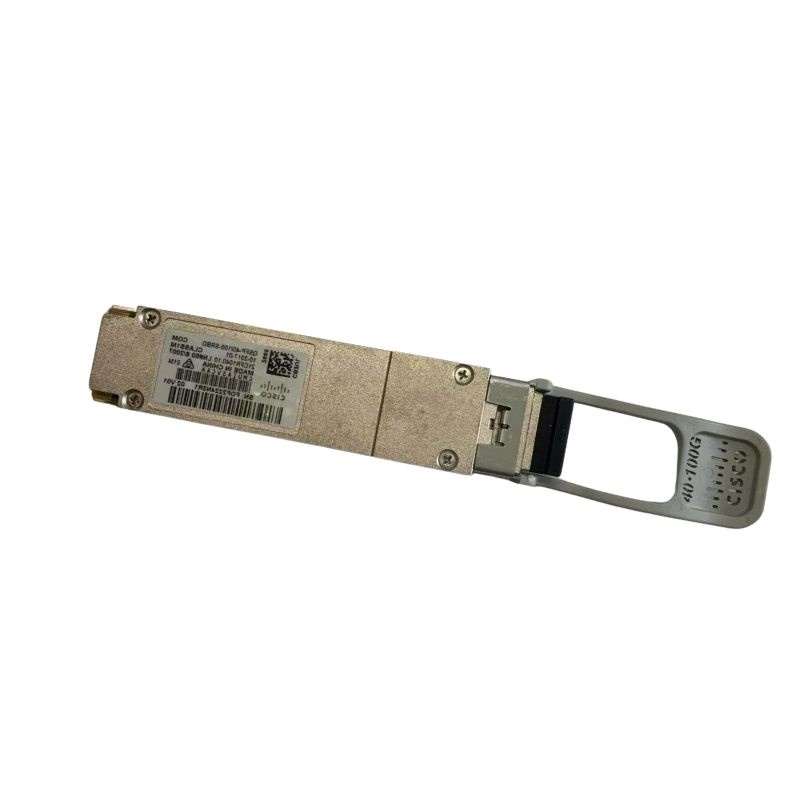
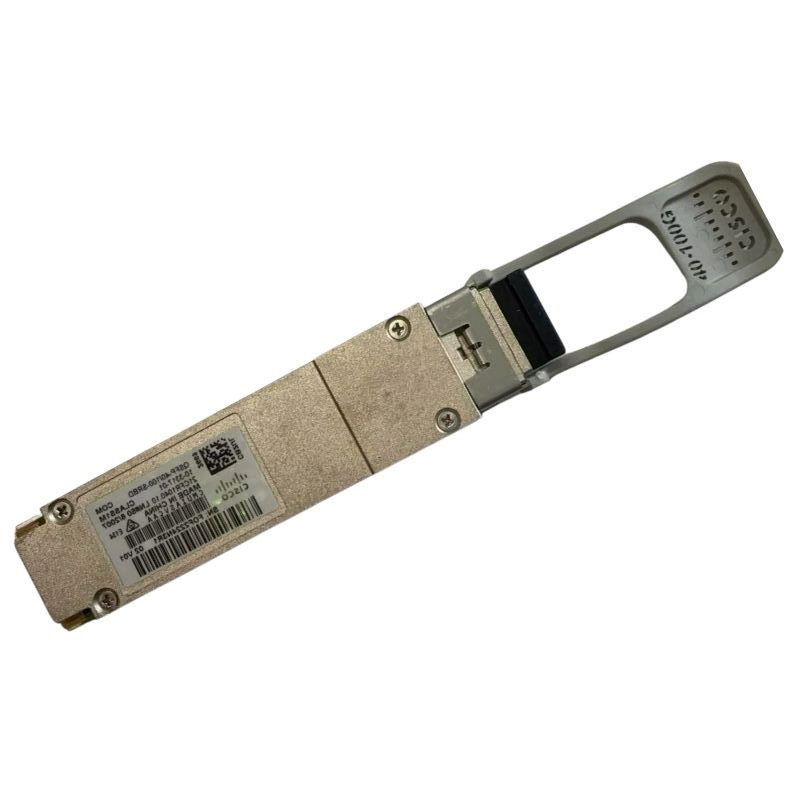
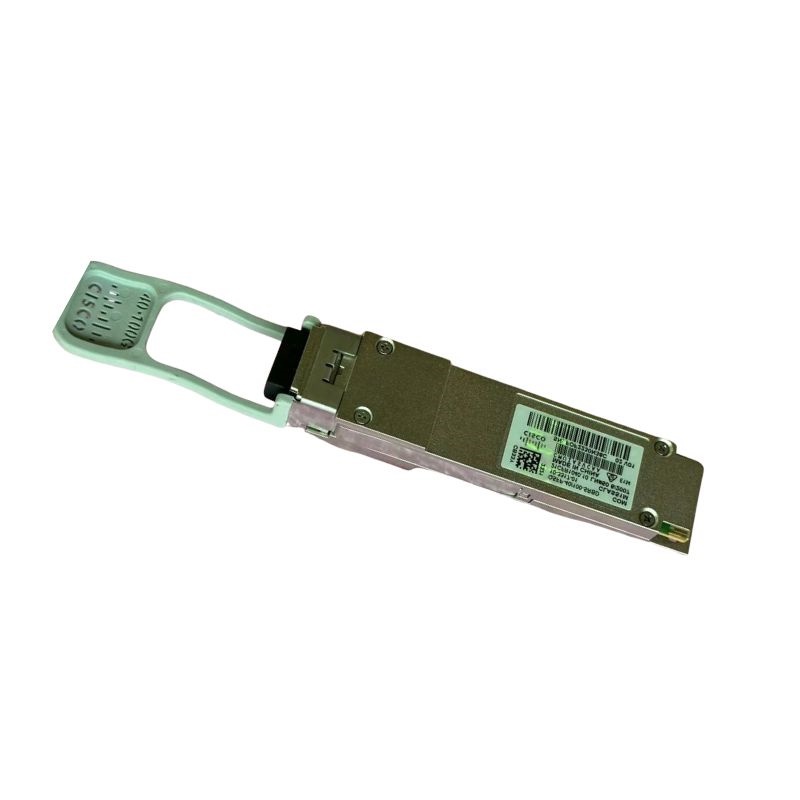
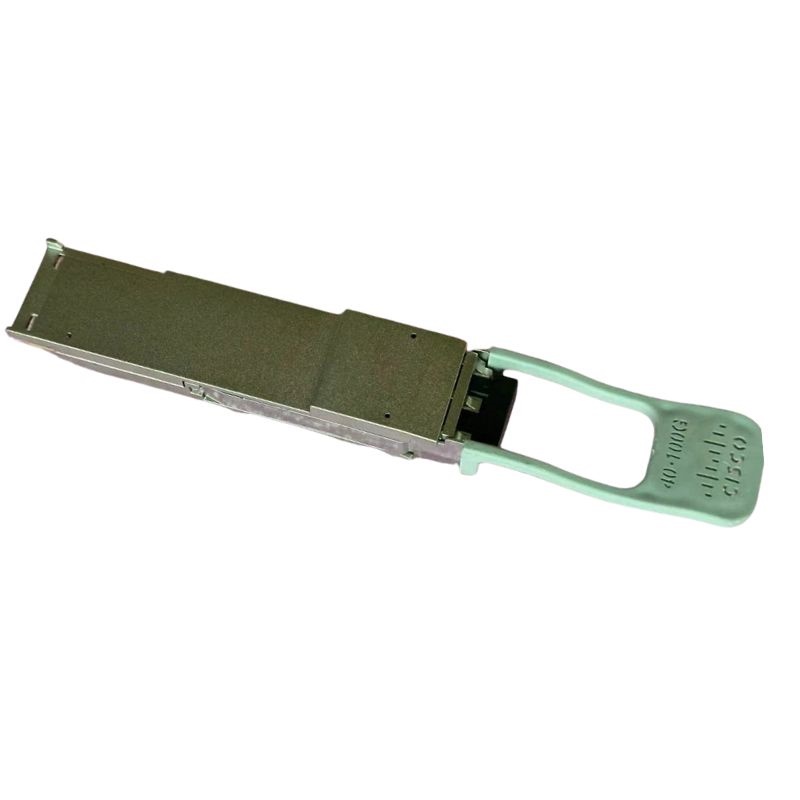
Cisco 10-3317-01 100 GBPS LC Multi-Mode QSFP+ Transceiver Module. Factory-Sealed New in Original Box (FSB) with 1 year replacement warranty
| SKU/MPN | Warranty | Price | Condition | You save |
|---|---|---|---|---|
| 10-3317-01 | 1 Year Warranty | $140.00 | Excellent Refurbished | You save: $49.00 (26%) |
| 10-3317-01 | 1 Year Warranty | Contact us for a price | Factory-Sealed New in Original Box (FSB) |
The CISCO 10-3317-01 is a high-performance optical transceiver module designed for dense, high-throughput networks. Built on the QSFP+ form factor, it delivers up to 100 Gbps over multimode fiber with LC duplex connectivity, while offering flexible interoperability in 40 GbE environments.
The “Cisco 10-3317-01 100 Gigabits LC Multi-Mode QSFP+ Optical Fiber Transceiver Module” category serves buyers who need dependable, high-bandwidth optics for data center, enterprise, and campus aggregation networks. Within this category, shoppers find modules designed around a compact, hot-swappable QSFP+ form factor, tailored for multi-mode fiber runs and LC connectivity, and engineered to deliver 100 Gigabit-class throughput in dense switching and routing environments. Whether you are upgrading existing aggregation fabrics, introducing high-speed interconnects between leaf and spine layers, or rolling out new hyper-converged nodes, the optics in this family emphasize operational simplicity, low latency, and consistent performance under demanding workloads.
Because this is a category-level description rather than a single product page, the guidance below focuses on selection criteria, deployment patterns, compatibility considerations, installation best practices, maintenance tips, and procurement advice. Subsections dive deeply into signal integrity, fiber plant readiness, and operational workflows so you can choose the right transceivers for short-reach server uplinks, top-of-rack to aggregation links, and high-density switch-to-switch trunks.
At the heart of this category is sustained, predictable 100 Gigabit-class throughput that supports scale-out architectures, east-west traffic patterns, and bandwidth-hungry workloads like virtualization, AI/ML data shuffling, backup/replication, and storage over IP. Buyers seeking to alleviate oversubscription in leaf-spine designs or to retire legacy 10G/40G bottlenecks will appreciate the dense, power-efficient footprint that QSFP+ optics provide while retaining cabling simplicity.
LC connectors are widely deployed across enterprise and campus fiber plants. A QSFP+ module aligned to LC MMF lets you extend 100 G traffic over installed OM3/OM4 cabling with intuitive polarity and minimal re-termination. For operations teams, this means faster turn-ups, fewer specialized patch leads, and straightforward moves/adds/changes in patch panels and meet-me racks.
The hot-pluggable nature of this category allows non-disruptive replacement and incremental expansion. When bandwidth demand spikes, simply populate additional QSFP+ ports. When optics reach end-of-life, swap them without taking switches down. This modularity aligns capital spending with real utilization while minimizing maintenance windows.
Transceivers in this family are engineered for stable optical output and robust digital diagnostics. DOM/DDM telemetry (where supported by the platform) provides real-time insight into temperature, supply voltage, bias currents, and receive power—useful for proactive maintenance and faster mean time to repair (MTTR).
In a two-tier leaf–spine data center, the transceivers in this category excel as deterministic 100 Gig interconnects between top-of-rack (ToR) switches and spine nodes. Consistent latency helps ECMP hashing perform as expected, while the compact form factor allows dense 100 G aggregation in 1U/2U platforms.
For hosts equipped with 100 G NICs, LC MMF links provide a clean, tool-less patching experience within the rack or to adjacent rows. Workloads leveraging NVMe-over-TCP/RDMA, large-scale backup windows, and distributed filesystems benefit from the headroom and predictable throughput.
When modernizing core/distribution layers on campus networks, this category delivers a pragmatic way to consolidate multiple 10G trunks into fewer 100 G links. The result is simpler spanning-tree and faster convergence for routed access designs, without a wholesale recabling project.
For short to moderate multi-mode distances—such as inter-rack runs or short campus building interconnects—the LC multi-mode approach is attractive for its ease of handling, bend tolerance, and ubiquity of patching hardware.
LC duplex links rely on proper polarity. Labeling A-to-B consistently at the panel and at the device end avoids crossed transmit/receive paths. Adopt standardized color coding for OM3/OM4 jumpers, use short strain-relief boots inside server racks, and maintain bend radii per cabling guidelines.
Even at short distances, add up loss from connectors, adapters, and patch panels. Clean every endface with lint-free wipes and isopropyl alcohol, inspect with a scope, and use dust caps during staging. A conservative loss budget prevents “mystery flaps” and intermittent packet drops at high utilization.
Where supported, read DOM values during turn-up and snapshot them into your asset records. Track module temperature, Tx/Rx power, and bias currents. Trending these metrics helps detect subtle degradation, pinched patch cords, or congested airflow before they manifest as real outages.
While fiber is immune to electromagnetic interference, poor cable management still causes trouble. Avoid tight bundles that impede airflow, route patch cords away from hinge points, and use Velcro—not zip ties—to prevent crushing. This is especially important for high-density QSFP+ cages where thermal margins are calibrated.
When interconnecting storage or hyper-converged nodes, enable jumbo frames end-to-end and validate that intermediate devices match the MTU. Verify queueing and buffering policies on 100 G ports so microbursts from high-speed hosts don’t cause drops during incast scenarios.
On multi-path leaf–spine fabrics, ensure hashing seeds are unique and symmetric. 100 G optics provide the raw throughput, but equal-cost multipath tuning spreads flows across available links to avoid hot spots. Consider using per-flow hashing for elephant flows and flowlets for short-lived bursts.
Build dashboards that surface DOM stats, interface error counters, and light levels alongside environmental sensors. Alert on thresholds and rate-of-change rather than only static values. 100 G links run hot; catching a slow temperature creep can save an unplanned outage.
Because optics are hot-swappable and small, physical safeguards matter. Limit rack access, log changes, and seal unused ports. Tamper-evident labels help trace who moved or swapped a link during change windows.
Many organizations require optical components to meet specific safety and emissions standards. Maintain a repository of safety declarations, laser class information, and environmental compliance statements for audit readiness. Store these alongside platform release notes for quick reference.
Plan responsible disposal and recycling of retired optics. Coordinate with certified e-waste vendors and track serials during decommissioning. Wipe labels containing asset tags to prevent data leakage via photographed equipment lists.
This category centers on QSFP+ with LC multi-mode connectivity, prized for density and serviceability. Some environments compare it with compact direct-attach (DAC) or active optical cable (AOC) solutions for very short distances. LC-based multi-mode modules deliver flexibility through standard patch panels and structured cabling, whereas DAC/AOC can limit you to fixed cable lengths and vendor-specific assemblies.
Parallel fiber systems use multi-fiber connectors and can be compelling for high-count trunks. LC-based multi-mode solutions leverage familiar duplex patching, simpler polarity checks, and widespread availability of jumpers. If your cross-connects and panels are already LC-centric, staying within this ecosystem reduces operational friction.
Organizations transitioning from 10G or 40G appreciate the immediate throughput jump and the ability to consolidate multiple legacy uplinks into fewer 100 G circuits. The cabling discipline is similar—just ensure patch quality and loss budgets meet the needs of higher signaling rates.
Map expected traffic growth over 18–36 months. If your oversubscription target is 3:1 today but trending toward 1.5:1 under peak load, plan for additional 100 G optics during phased switch upgrades. Use traffic telemetry to justify incremental optics procurement rather than bulk purchases that sit on shelves.
Barcoding optics and tracking by serial simplifies lifecycle management. Pair each live module with a logical inventory record that includes install date, device/slot/port, cable ID, and DOM baselines. This makes forecasting replacements and scheduling preventive maintenance straightforward.
While optics are efficient, dozens of modules in a single chassis contribute meaningful heat. Include them in rack-level power and cooling models. Ensure cold aisle temperatures and airflow volumes are sufficient for sustained 100 G operation at scale.
Prior to production cutover, perform burn-in tests: drive high-rate traffic through each link, monitor for errors, and verify stability under elevated temperatures. Log results with timestamps and module serials. A short soak period catches early-life failures inexpensively in the lab.
If your environment mixes vendors, validate link bring-up and DOM telemetry across platforms. Test LLDP discovery, LACP, and routing adjacency formation while measuring latency and packet loss. This ensures that the LC multi-mode design behaves identically regardless of the switch or router on either end.
Integrate optics deployment into your change management system. Each change record should reference affected ports, cable IDs, expected downtime (if any), and rollback plans. Capture post-change health metrics to confirm success before closing the ticket.
A clean LC patch plant is the cornerstone of reliable optics. Use labeled panels with clear A/B designation, horizontal managers for strain relief, and hinged trays for maintenance access. Implement a consistent labeling scheme that survives audits and ownership changes.
OM3 and OM4 are prevalent in enterprise facilities. While both are suitable for short-reach 100 G links, OM4 typically offers more reach headroom. If you are close to distance thresholds, keep connector counts low and opt for high-quality jumpers to preserve margin.
Place cleaning stations near patch fields, stocked with inspection scopes, cassettes, and one-click cleaners. Technicians should have easy access to nitrile gloves, canned air, and dust caps. Make cleaning part of every change plan, not an afterthought.
Surface line-rate counters, error metrics, interface status, and DOM readings in a single pane of glass. Where possible, stream telemetry to time-series databases for historical trend analysis. Alert on deviations rather than absolute numbers—e.g., a sudden 2 dB drop in receive power merits investigation even if still within “green” thresholds.
Treat optics turn-ups as code. Define YAML/JSON templates for interface descriptions, MTU, QoS, and routing adjacency profiles. Use infrastructure-as-code pipelines to validate configurations before deployment, reducing human error and ensuring standardized optics settings across devices.
Implement predictive alerts that notify you when link utilization trends suggest saturation within your planning horizon. Combine this with inventory data so procurement can stage additional transceivers and LC jumpers in time for the next maintenance window.
Each installed module should have a record containing serial number, install date, device and port, cable IDs, fiber type, and initial DOM snapshot. Maintaining this data shortens troubleshooting and streamlines audits.
Store photographs of patch panels and cable paths. Visual documentation often uncovers subtle issues like tight bends behind doors or unlabeled couplers placed mid-run.
Use change tickets to record every insertion, removal, and relocation. Combine with syslog or telemetry timestamps from the switch to create a clear chain of custody for each optics-related event.
Start with a baseline of 100 G uplinks per rack and scale horizontally by adding ports as utilization increases. QSFP+ hot-swap comfort makes incremental growth low risk and budget-friendly.
Distribute 100 G links across redundant line cards or chassis where possible. Keep failure domains small by avoiding single points of concentration. For critical workloads, use diverse cable paths and panels to avoid localized hazards.
For mixed traffic types, apply QoS policies that protect storage replication and control plane traffic from bulk transfers. 100 G links provide ample bandwidth, but isolation ensures predictability during peak demand.
Place high-density 100 G ports near patch fields to minimize jumper lengths and bends. Use top-of-rack cable managers and brush panels to keep airflow unobstructed while maintaining tidy dressing.
Evaluate cold-aisle temperatures and airflow volume for racks with many active QSFP+ ports. Consider blanking panels, under-floor baffles, and perforated tiles to focus cooling where needed.
Incorporate optics power draw into rack-level budgeting. Although per-module draw is modest, dozens of ports per chassis add up. Map redundancy (A/B feeds) to ensure uninterrupted operation during maintenance or failure.
Choose suppliers who provide clear compatibility guidance, responsive support, and predictable lead times. Ensure the RMA process is straightforward and stocked inventory aligns with your rollout schedule.
Request robust packaging with anti-static trays and protective dust caps. In transit, heavy vibration can loosen caps; on receipt, verify that all modules remain sealed and free of cosmetic damage.
Some environments require software feature licenses for advanced interface capabilities. Confirm that your switch licenses cover intended 100 G features such as advanced QoS or telemetry exporters, avoiding surprises at turn-up.
Track 95th and 99th percentile utilization on each 100 G interface. Peaks near saturation suggest it’s time to add another link or rebalance traffic. Correlate with application deployment calendars to forecast hotspots.
Watch CRC/FCS counters, pause frames, and retransmissions. Persistent errors indicate cabling issues or marginal light levels. Combining counter trends with DOM changes helps isolate root causes faster.
Build alerts for slow thermal drift and unusual power consumption. Sudden changes may point to airflow blockages, failing fans, or an optic nearing end of life.
By standardizing on LC multi-mode cabling and QSFP+-based optics today, you keep options open for gradual speed increases as platforms evolve. Structured cabling discipline, panel hygiene, and robust documentation make future migrations faster and less error-prone.
Investing in automation from the start—templates, golden configs, and CI for network changes—prepares your team to scale link counts without sacrificing reliability. Observability provides the confidence to grow aggressively while maintaining service-level objectives.
As density rises, power and cooling efficiency matter more. Optics in this category complement energy-aware switch features and airflow-friendly cabling, helping you meet sustainability goals without compromising performance.
A compact, hot-swappable transceiver form factor used for high-speed data communications. In this category, it provides a dense, power-efficient interface for 100 Gigabit-class links with LC multi-mode fiber.
A small-form duplex fiber connector type known for reliable latching, high port density, and ease of handling in patch panels and device ports.
An optical fiber optimized for short-reach links using LED or laser sources, commonly deployed in data centers and campus networks for inter-rack and intra-building connectivity.
Digital Optical Monitoring, sometimes called Digital Diagnostics Monitoring, which provides sensor readouts like temperature, voltage, transmit/receive power, and bias current to aid operations.
A network topology with leaf (access) switches connected to spine (aggregation) switches to provide high-bandwidth, non-blocking paths that scale horizontally.
A regional hosting provider consolidated several 10G LAGs into a handful of 100 G LC MMF uplinks across its spine layer. The change reduced ECMP path skew, simplified cabling by 60%, and improved rack airflow. DOM baselines set at cutover provided a reference for proactive monitoring.
A multi-building campus migrated from 40G aggregation to 100 G LC MMF links between distribution and core. The project reused existing LC patch fields, minimizing downtime and avoiding costly re-termination. Training technicians on cleaning and polarity cut link-up times by half.
An enterprise stood up new HCI nodes with 100 G uplinks to top-of-rack switches. Performance tuning focused on jumbo frames and QoS isolation for storage traffic. The QSFP+ optics’ hot-swap capability enabled staggered commissioning during business hours without service disruption.
Treat every optics insertion and patch change as a controlled change. Stage spares, pre-label cables, and define explicit rollback (revert to prior port, restore previous LAG membership, re-seat original module). Document outcomes to improve the next iteration.
For critical links, route LC jumpers along separate physical paths and panels. In shared conduits, add protective tubing and avoid tight bends near door hinges and sliding rails.
After power incidents, HVAC failures, or rack moves, re-inspect optics and patch plants. Even if interfaces remain “up,” inspect light levels and error counters for early signs of stress.


 Contact Us
 Information
 Catalog
 Solid State Drives (SSD)
 Network Switches
 Hard Disk Drives
 HBA & Controllers
 PC & Servers
 PC & Server Memory
 CPU & Processors
 Network Routers
 Power Supplies
 Tape Drives & Libraries
 Network Devices
 Computer & Network Cables