(7% discount is applied at checkout)
Cart is empty
Your go-to destination for cutting-edge server products
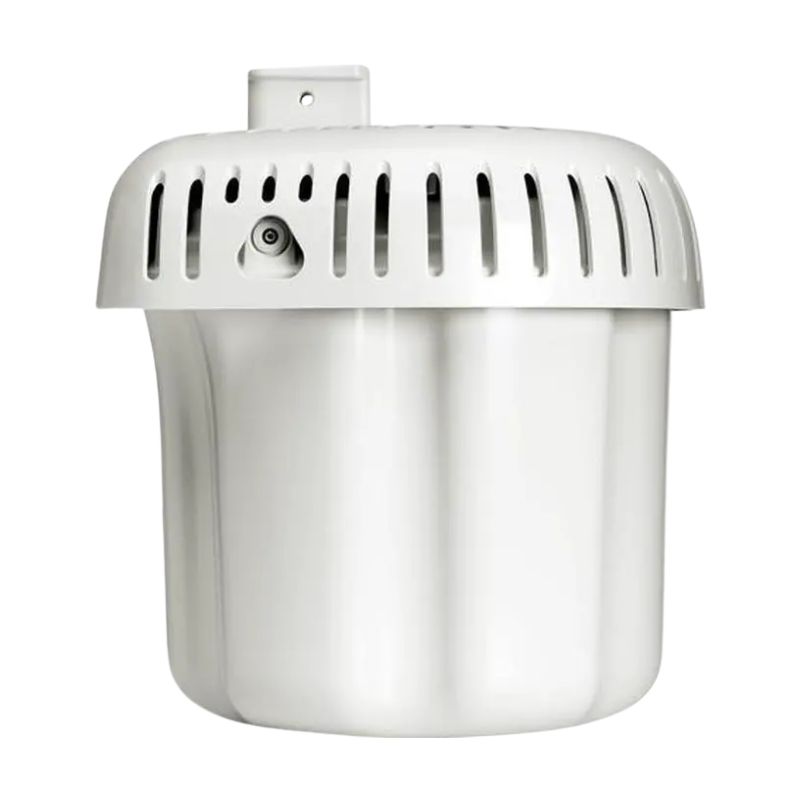


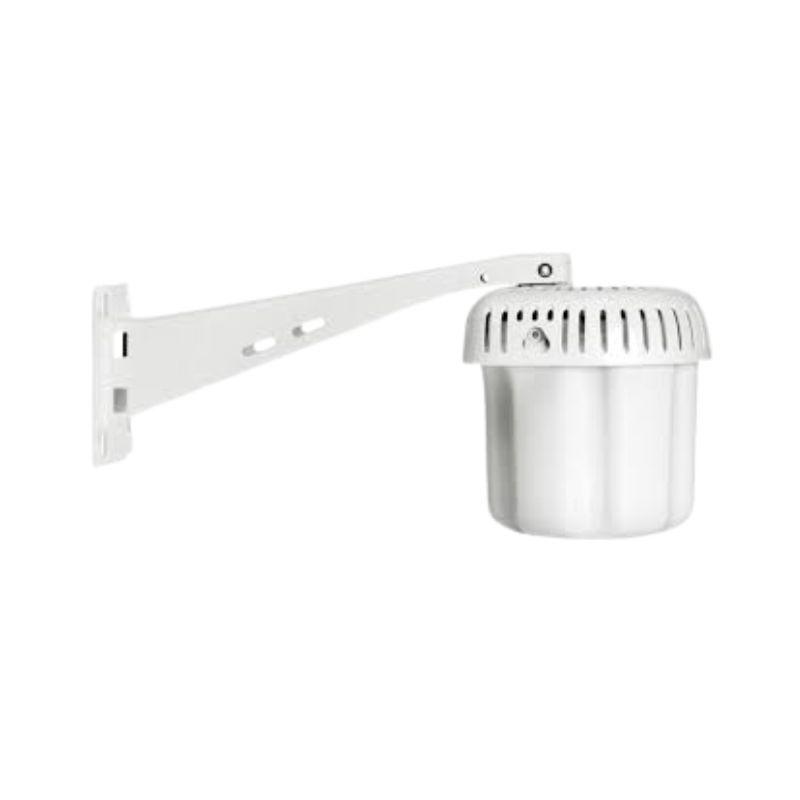
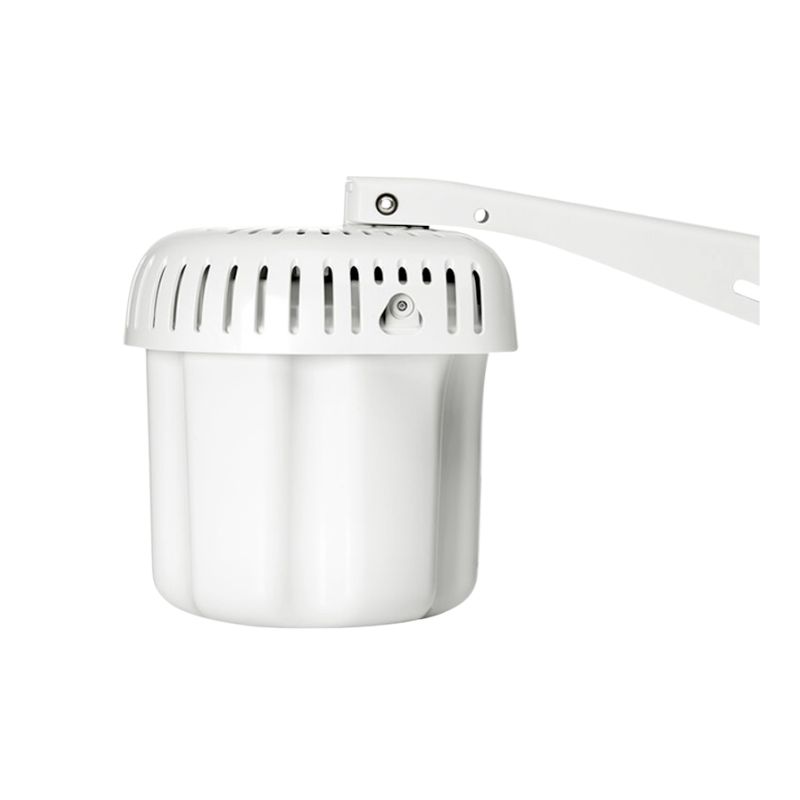
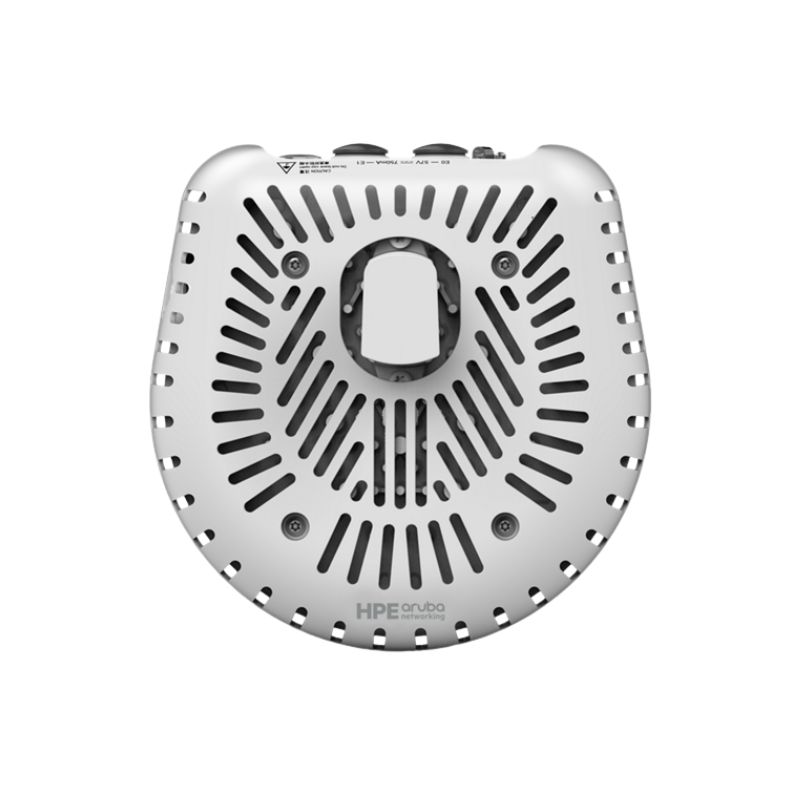
HPE AP-575-US Aruba AP-575 Wireless Access Point. Factory-Sealed New in Original Box (FSB) with 3 Years Warranty
The HPE Aruba AP-575-US is a powerful outdoor-grade wireless access point engineered for enterprises, campuses, and large organizations that demand seamless connectivity and superior performance. Designed with cutting-edge Wi-Fi 6 (802.11ax) capabilities, it delivers high throughput, supports massive device density, and ensures reliable outdoor coverage even in challenging environments.
This model integrates the latest wireless technologies to ensure maximum efficiency and speed:
Flexible connectivity makes the Aruba AP-575-US suitable for scalable enterprise deployments:
To simplify network management and monitoring, the device includes intuitive indicators:
The AP-575-US is part of HPE Aruba’s 570 Series outdoor access point family — rugged, enterprise-grade Wi-Fi 6 (802.11ax) access points engineered to deliver high capacity, robust performance and IoT connectivity for outdoor venues such as parking lots, campuses, stadiums, transit hubs and other harsh environments. These access points combine advanced RF design, integrated omni antennas (or optional directional variants in the family), hardened enclosures, multiple radios for Wi-Fi and IoT services, and unified Aruba management options to make them ideal for large-scale outdoor coverage and high-density client scenarios.
The AP-575 is positioned for outdoor, mission-critical wireless coverage where reliability, weatherproofing, and high throughput are essential. It is designed to work in Aruba’s unified networking approach — managed either via Aruba Central (cloud-managed), Aruba Mobility Controllers, or in controller-less Instant modes — so it fits architectures that require centralized policy, analytics, and seamless roaming across indoor and outdoor zones. The AP-575 typically complements indoor Aruba APs (510/530/540 series and larger 570-family variants) to provide end-to-end campus coverage and integrated IoT services.
Regional variants (country/region SKUs) of the AP-575 account for local regulatory transmit power limits and allowed frequency bands; choosing the correct SKU ensures compliance with regional RF rules. Installers should confirm SKU (for example US, RW, EG, IL variants) and region-specific settings during procurement and before commissioning.
The AP-575 provides wired connectivity via Gigabit Ethernet ports and supports Power over Ethernet (PoE) to simplify outdoor deployments. Where higher than 1 Gbps uplink is required, design options include multi-gig backhaul using compatible switches or fiber-fed network segments with media converters; confirm the exact model and port capabilities for link-speed planning. Proper uplink planning is essential to avoid bottlenecks when aggregating many high-throughput APs.
Aruba APs including the AP-575 integrate enterprise-grade security features: WPA3 support, 802.1X/EAP authentication for wired and wireless users, integrated firewall policy enforcement, and Aruba’s policy-based role assignments (via ClearPass or Aruba controller/centralized management). These capabilities allow network administrators to segment traffic, protect sensitive resources, and apply per-user or per-device roles for granular access control. Aruba’s security integrations also facilitate secure IoT onboarding and device profiling.
Firmware and secure boot practices are part of Aruba’s platform approach. Always keep AP firmware current with vendor-supplied releases and verify support timelines for critical security updates; Aruba releases periodic firmware updates that include security fixes, performance enhancements and new features. Consult HPE Aruba support channels for the latest release notes and recommended maintenance processes.
Outdoor RF planning differs from indoor planning: factors like antenna height, mounting poles, nearby obstructions (trees, lighting poles, signage), vehicle reflections in parking structures, and weather patterns affect coverage and capacity. Conduct a radio site survey — using a combination of predictive planning tools and field verification — to determine optimal mounting height, antenna type (omni vs. directional), power settings, channel allocations, and to identify potential co-channel or adjacent-channel interference sources. For large-scale coverage, use overlapping cell planning with careful channel reuse and transmit power control for uniform client experience.
Proper mechanical installation is critical. Use recommended mounting kits, ensure robust grounding to protect against lightning and surges, and include surge protectors for Ethernet runs that cross exposed areas. Use weatherproof conduit and gel-filled connectors where appropriate to maintain enclosure integrity and to prevent moisture ingress. Confirm that mounting hardware and cabling are rated for the expected environmental conditions.
PoE simplifies outdoor installations, but verify switch PoE budget and cable distance limitations. In some high-density or multi-AP locations, power draw and PoE class/standard need to be considered (802.3at/af/bt compatibility). When using long cable runs, consider the voltage/sag and whether local power or midspan injectors are required. Also plan for backup power (UPS) for critical connectivity points when uptime is a requirement.
Calculate capacity based on expected concurrent users, average throughput per user, and peak-hour usage. Because outdoor deployments often serve a wide variety of device types (phones, tablets, cameras, IoT sensors), plan for diverse traffic mixes and peak events. Use Aruba’s capacity planning guidance and datasheet metrics as a baseline, but validate with in-situ testing and iterative tuning after deployment.
In stadiums, arenas and large public venues, AP-575 units provide wide outdoor coverage at concourses, plazas and parking zones. Their high client capacity and rugged design allow event organizers to provide guest Wi-Fi, staff communications, mobile point-of-sale services, and live-event telemetry. In these deployments, attention to channel plan, backhaul capacity and temporary crowd surges is essential.{index=16}
Campuses use AP-575s across quad, parking and outdoor learning zones to extend campus coverage. Combined with indoor Aruba APs, they provide continuous roaming and consistent policy enforcement for students, faculty, faculty-owned devices, and guest access. IoT sensors for environmental monitoring and building automation can be integrated using the AP’s BLE and 802.15.4 radios.
For transit hubs, smart parking, wayfinding, or municipal IoT programs, AP-575’s environmental toughness and IoT radios enable both public Wi-Fi and sensor networks for air quality, lighting control and asset tracking. Integration with analytics platforms provides city planners with network and usage telemetry to optimize services.
The AP-575 family is supported by a range of vendor-supplied accessories: pole and wall mounts, conduit adapters, surge protectors, and specialized antennas for variants. When ordering, pay attention to the exact SKU (US vs RW vs EG vs IL) and whether the model is integrated-antenna or— accessory compatibility depends on the variant. If long-distance point-to-point links or very focused coverage are required, use models with professionally selected external antennas.
Aruba product deployments commonly include optional subscriptions for cloud management (Aruba Central), security and analytics. Evaluate warranty and support tiers (including hardware replacement options) and plan for lifecycle management: firmware updates, support contracts, and potential hardware refresh cycles. For mission-critical deployments, consider enhanced service-level agreements (SLAs) and rapid-replacement warranties.
The AP-575 provides a balanced mix of performance (Wi-Fi 6), integrated antenna options, and IoT radios for many outdoor scenarios. For deployments needing longer reach or high-gain focused coverage, connectorized models in the 570 family (e.g., AP-574/AP-577 variants) allow external directional or sector antennas. If higher throughput or additional spatial streams are required, check Aruba’s larger outdoor portfolio or newer model lines for multi-gig radios and different MIMO configurations. Always match the AP model to the specific RF, throughput and management requirements of the site.
Migrating from older generation outdoor APs to AP-575 brings OFDMA, MU-MIMO improvements and better handling of dense client mixes. Evaluate client compatibility (older clients won’t benefit from Wi-Fi 6 features) and plan spectrum coexistence strategies during transition. Also ensure your backend network (uplinks, controllers, cloud subscriptions) is prepared to handle the increased aggregate capacity.
The AP-575 is offered in region-specific SKUs that comply with local radio regulations and certifications. Check the vendor product matrix to confirm the exact model number for your market and whether your procurement requires TAA, FIPS, or other specialized certification variants. These details are typically documented in Aruba’s product datasheets.
A: The AP-575 is part of the Aruba 570 Series which implements Wi-Fi 6 (802.11ax) capabilities on 2.4 GHz and 5 GHz bands with variants in the family for different antenna and regional SKU options. For explicit 6 GHz support (Wi-Fi 6E), consult Aruba’s specific 6E product lines and published datasheets for confirmation — always validate the model SKU and datasheet if 6 GHz capability is a procurement requirement.
Plan for scheduled firmware maintenance, periodic RF reassessments as the environment changes (new structures, seasonal foliage) and lifecycle budgeting for replacements. Incorporate telemetry and remote diagnostics into operational workflows to detect issues before they become outages.
For precise, model-specific specifications, regulatory compliance documentation, and the most recent firmware and installation guides, consult HPE Aruba’s official product pages and datasheets. Use Aruba’s technical support channels for interoperability questions, and reference the published datasheets for SKUs and accessory part numbers before purchase or field installation.


 Contact Us
 Information
 Catalog
 Solid State Drives (SSD)
 Network Switches
 Hard Disk Drives
 HBA & Controllers
 PC & Servers
 PC & Server Memory
 CPU & Processors
 Network Routers
 Power Supplies
 Tape Drives & Libraries
 Network Devices
 Computer & Network Cables